
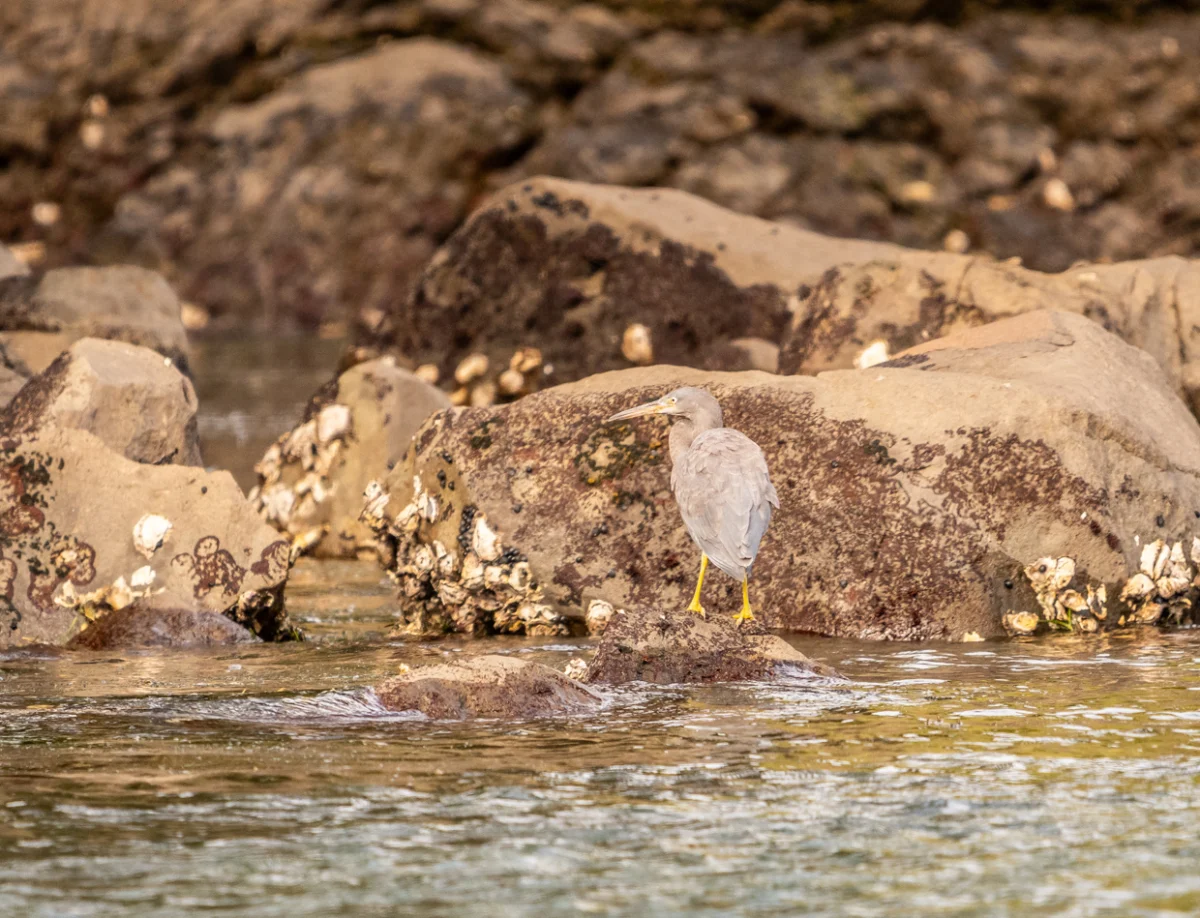
An extensive 22-day ornithological expedition across New Zealand’s North and South Islands has concluded with the recording of 147 bird species, including several of the world’s rarest endemics. The journey, which spanned from late February to mid-March 2026, provided critical observations of species under intensive conservation management, such as the New Zealand Fairy Tern, the Southern Brown Kiwi, and the Erect-crested Penguin. The findings from this tour underscore New Zealand’s status as a global epicenter for avian biodiversity and highlight the ongoing success of the nation’s predator-free sanctuary initiatives.

New Zealand’s isolation has resulted in a high rate of endemism, with approximately 71% of its pre-human bird species found nowhere else on Earth. However, this isolation also rendered the local avifauna vulnerable to invasive mammalian predators. The 2026 expedition documented the results of decades of restoration work, visiting various "mainland islands" and offshore sanctuaries where species once on the brink of extinction are now showing signs of stability.

The North Island: Pelagic Research and Sanctuary Success
The expedition commenced in Whangarei, focusing on the nutrient-rich waters of the Hauraki Gulf. Pelagic excursions are essential for monitoring New Zealand’s "procellariiforms"—the order of tubenosed seabirds that includes albatrosses, petrels, and shearwaters. Participants recorded significant sightings of the New Zealand Storm-Petrel, a species once thought extinct for over a century until its rediscovery in 2003. Other key sightings included Cook’s Petrel, Parkinson’s Petrel, and Pycroft’s Petrel, providing a comprehensive snapshot of the region’s marine health.

A pivotal moment of the North Island leg occurred at a managed estuary, where the group located a single New Zealand Fairy Tern (Tara Iti). With a total population estimated at only 45 individuals, the Fairy Tern is considered New Zealand’s rarest breeding bird. Such sightings are critical for eco-tourism operators and conservationists to track the movements of these critically endangered birds outside of their primary breeding grounds.

The tour also highlighted the efficacy of predator-proof ecosystems during a visit to Tiritiri Matangi Island. This open sanctuary, one of the most successful in the world, allowed for the observation of the North Island Kokako, the Stitchbird (Hihi), and the South Island Takahe. The presence of these birds in high densities serves as a benchmark for the "Predator Free 2050" goal, a government-led initiative aiming to eradicate rats, stoats, and possums from the mainland.

Central Wetlands and the Alpine Frontier
Transitioning to the central North Island, the expedition focused on riverine and wetland habitats. In the Tongariro region, the team documented the Whio, or Blue Duck, a species specialized for life in fast-flowing mountain rivers. The Whio is a key indicator species; its presence signifies high water quality and low predator density.

The expedition’s observations in the Turangi wetlands were particularly noteworthy for the abundance of elusive rails and crakes. Exceptional views of the Spotless Crake and the Buff-banded Rail were recorded, alongside the Australasian Bittern (Matuku-hurepo). The Bittern is currently classified as "Nationally Critical," with a population estimated at fewer than 1,000 individuals. Data from these sightings contribute to the broader understanding of wetland occupancy in the Waikato and Taupo districts.

Crossing to the South Island via the Cook Strait, the team utilized the ferry transit as a mobile observation platform. Despite the variable wind conditions, the transit yielded sightings of multiple albatross species, including the White-capped, Salvin’s, and Black-browed Albatrosses. These observations confirm the Cook Strait’s role as a vital migratory corridor for Southern Ocean seabirds.

Kaikoura and the Deep-Sea Canyon
The expedition reached a peak in Kaikoura, a location world-renowned for its deep-sea canyon that brings nutrient-welling currents close to the shore. Despite a 24-hour delay due to inclement weather, the subsequent pelagic trip provided what participants described as unparalleled access to mega-pelagic species.
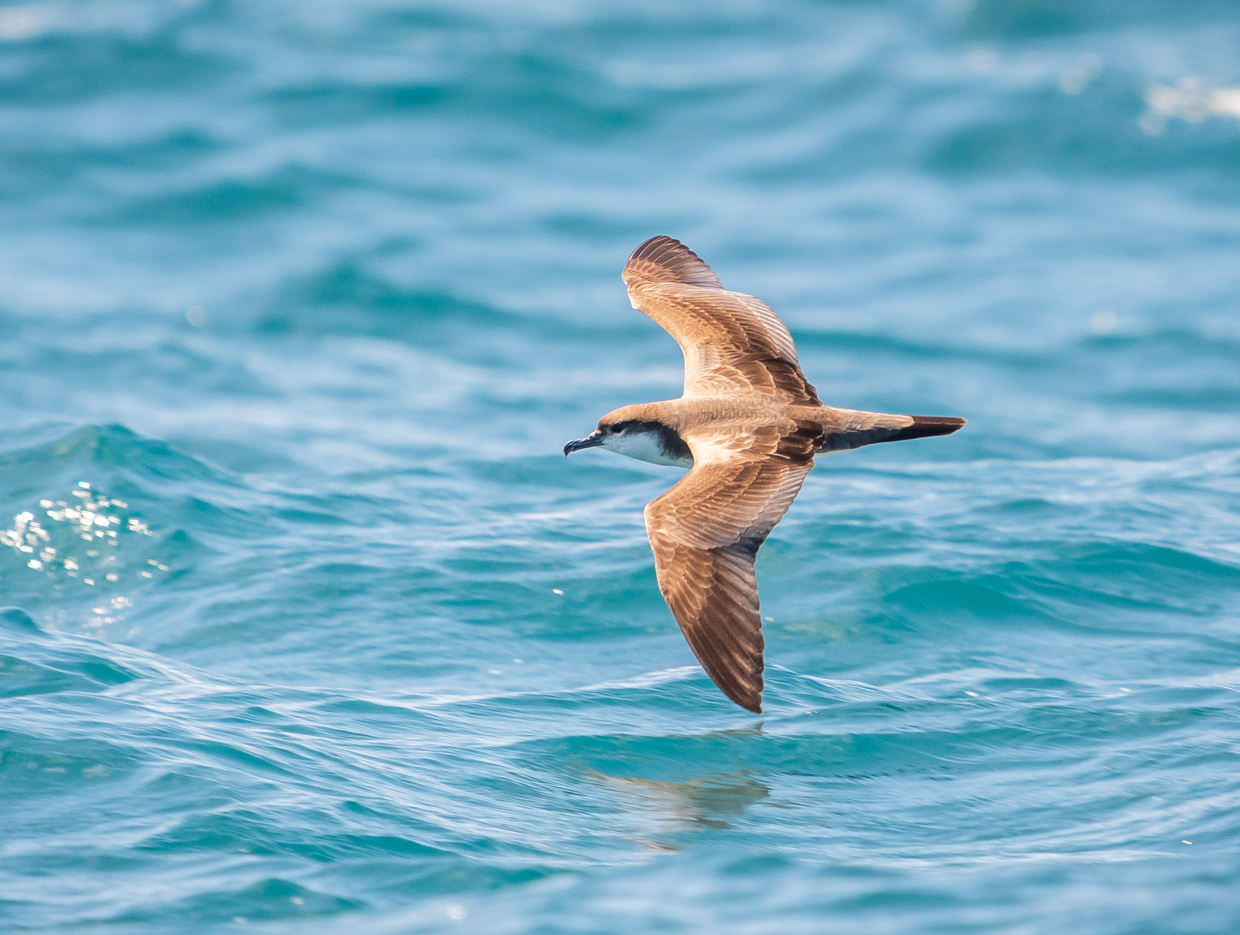
Observers recorded the Antipodean Albatross, Northern and Southern Royal Albatrosses, and the White-chinned Petrel. The Antipodean Albatross is currently facing a sharp decline due to long-line fishing by-catch and climate-driven changes in prey availability. Documentation of these birds helps maintain international pressure for seabird-safe fishing practices in the South Pacific.

In addition to the avian focus, the Kaikoura leg noted the presence of Hector’s Dolphins, one of the world’s smallest and rarest marine dolphins, and the New Zealand Fur Seal. The integration of marine mammal sightings into birding expeditions provides a more holistic view of the trophic levels within New Zealand’s maritime boundaries.

The Southern Alps and the West Coast Kiwi Habitats
The journey through Arthur’s Pass and into the West Coast focused on the specialized birds of the southern beech (Nothofagus) forests. The Kea, the world’s only alpine parrot, was observed in its natural habitat. Known for its high intelligence and curiosity, the Kea is a vulnerable species that faces threats from lead poisoning in human structures and predation at nesting sites.

A significant portion of the tour was dedicated to the five species of Kiwi. In the Okarito forest, the group sought the Rowi (Okarito Brown Kiwi), the rarest of the five kiwi species, with a population of approximately 600. Later, on Stewart Island, the team encountered the Southern Brown Kiwi (Tokoeka). Unlike other kiwi species, the Stewart Island Tokoeka is known to be occasionally active during daylight hours, though the expedition’s primary observations were made during nocturnal surveys. These sightings are vital for the "Save the Kiwi" program, which relies on community-led trapping and "Operation Nest Egg" to ensure chick survival rates.

Stewart Island and the Sub-Antarctic Influence
Stewart Island (Rakiura) and its neighbor, Ulva Island, provided a glimpse into an ecosystem with minimal human interference. Ulva Island, being pest-free, hosted high numbers of Yellowheads (Mohua) and South Island Saddlebacks (Tieke). The expedition also noted the presence of the Yellow-eyed Penguin (Hoiho) on the Stewart Island coast. The Hoiho is currently the subject of intense conservation concern, with fewer than 400 breeding pairs remaining on the New Zealand mainland. The expedition’s sighting of three individuals reflects the precarious state of the species, which is battling avian malaria and habitat degradation.

Dunedin: The Albatross and Penguin Capitals
The tour concluded in Dunedin, home to the world’s only mainland breeding colony of Royal Albatrosses at Taiaroa Head. The expedition observed Northern Royal Albatrosses tending to chicks, a process that takes nearly a year from egg-laying to fledging.

In a rare and significant event, the team documented an Erect-crested Penguin on the Otago coastline. This species typically breeds on the remote, uninhabited Bounty and Antipodes Islands. A sighting on the mainland is considered an extraordinary occurrence and was a highlight for the expedition’s data set. This was accompanied by sightings of Fiordland Crested Penguins (Tawaki), further enriching the tour’s penguin census.

Scientific Implications and Conservation Outlook
The 2026 New Zealand expedition served as more than a recreational tour; it functioned as a multi-regional survey of avian health. The recording of 147 species provides a snapshot of biodiversity that is increasingly under pressure from climate change and habitat loss.

- Eco-Tourism as a Conservation Tool: The tour demonstrated how organized birding expeditions provide the financial and social capital necessary to sustain local conservation efforts. Guides like Ian (Okarito) and Peter Tait (Stewart Island) represent the frontline of community-led environmental stewardship.
- Rarity and Vulnerability: The sightings of the Fairy Tern and the Yellow-eyed Penguin highlight the fragility of New Zealand’s specialist species. These birds require constant human intervention to survive in a landscape still dominated by introduced predators.
- Sanctuary Resilience: The high density of birds on Tiritiri Matangi and Ulva Island proves that when predators are removed, New Zealand’s forests can return to their pre-human state of "avian cacophony."
The expedition concluded with a final analysis in Dunedin, where participants reflected on the "deep sense of connection" to the natural world fostered by the journey. As New Zealand moves toward its 2050 goals, such expeditions will continue to play a vital role in documenting the recovery of one of the world’s most unique biological assemblages. The data gathered from February 21 to March 14, 2026, will be uploaded to international databases like eBird, assisting scientists in tracking global avian trends and ensuring that New Zealand’s "rare and unforgettable" species are preserved for future generations.
