
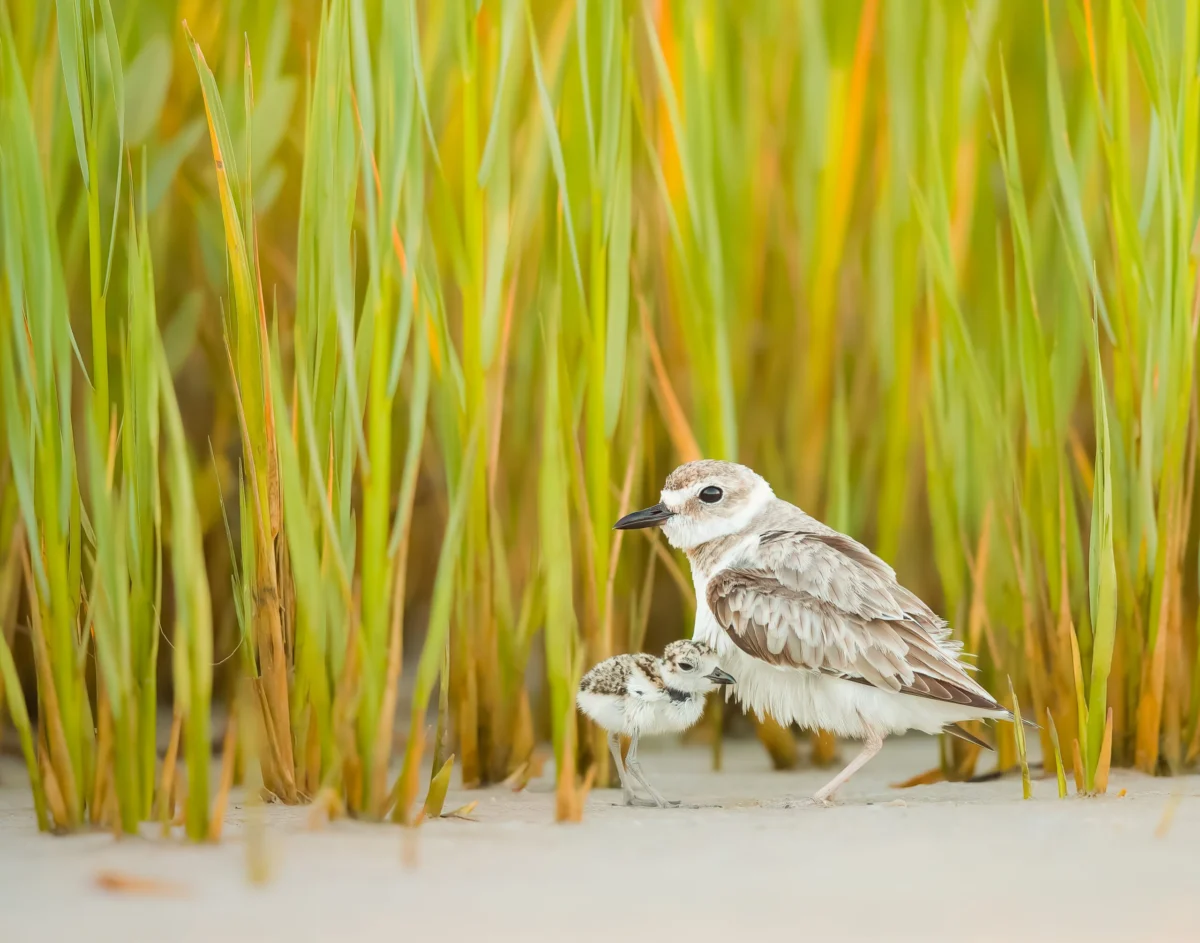
South Carolina’s critically important coastal ecosystems are once again in the spotlight as preparations intensify for the Shorebird Stewardship Report 2025. This significant undertaking aims to provide an exhaustive assessment of the state of shorebird populations, their habitats, and the efficacy of ongoing conservation efforts across the state’s intricate coastline. Spearheaded by leading conservation organizations, notably the National Audubon Society, in collaboration with state agencies and local communities, the report is poised to be a pivotal document guiding future policy and action for these vulnerable avian species. The proactive engagement of the public, exemplified by ongoing outreach initiatives inviting citizens to subscribe for updates, underscores the collaborative spirit essential for the success of such ambitious environmental programs.
South Carolina’s Coastal Tapestry: A Critical Haven for Shorebirds
South Carolina’ boasts a diverse and dynamic coastline, characterized by expansive barrier islands, productive salt marshes, tidal flats, and pristine beaches. This rich mosaic of habitats provides essential breeding grounds, foraging areas, and crucial stopover points for a multitude of shorebird species along the Atlantic Flyway. Species such as the Piping Plover, a federally protected threatened species, the iconic Red Knot, known for its epic migrations, Wilson’s Plover, Least Tern, Black Skimmer, and American Oystercatcher, all rely heavily on South Carolina’s coastal resources for survival. These birds are not merely indicators of environmental health but are integral components of the coastal food web, contributing to the ecological balance of these fragile ecosystems.
Historically, South Carolina has recognized the intrinsic value of its coastal birds. Early conservation efforts, often grassroots in nature, laid the groundwork for more formalized protection strategies. The establishment of state parks, wildlife refuges, and designated critical habitat areas over decades has provided some level of sanctuary. However, the relentless pressures of coastal development, increased human recreational activity, and the overarching threat of climate change necessitate continuous monitoring and adaptive management. The state’s unique geography, with numerous undeveloped islands and vast marshlands, presents both unparalleled opportunities for conservation and significant challenges in managing human impact.
The Evolving Threats to Shorebird Populations
Shorebirds worldwide face a litany of threats, and South Carolina’s populations are no exception. Habitat loss stands as one of the most pressing concerns. Coastal development, driven by population growth and tourism, encroaches upon nesting sites and foraging grounds. Beach nourishment projects, while sometimes necessary for infrastructure protection, can alter critical habitats, impacting the availability of food and suitable nesting areas if not carefully planned and executed.
Climate change further exacerbates these challenges. Rising sea levels directly threaten low-lying coastal habitats, including beaches and tidal flats, leading to erosion and inundation of nesting sites. More frequent and intense storms can decimate entire breeding colonies, wash away nests, and disorient migratory birds. Changes in ocean currents and temperatures can also affect the availability of their invertebrate prey, disrupting critical food sources during sensitive periods of breeding and migration.
Human disturbance is another significant factor. Uncontrolled access to nesting beaches by pets, recreational vehicles, and even unwitting pedestrians can cause adult birds to abandon nests, exposing eggs and chicks to predators or extreme weather. Litter and pollution, including plastic debris and oil spills, can directly harm birds through ingestion or entanglement, and indirectly by degrading their habitats and food sources. Predation by domestic and feral animals, as well as naturally occurring predators whose populations may be altered by human activity, also poses a constant threat to eggs and young birds.
The Genesis and Objectives of the Shorebird Stewardship Report 2025
The upcoming Shorebird Stewardship Report 2025 is not an isolated initiative but builds upon decades of dedicated research and conservation efforts. Organizations like the Audubon South Carolina have a long history of monitoring shorebird populations, conducting research, and advocating for stronger protections. This report is designed to consolidate current scientific understanding, identify emerging threats, and propose actionable solutions.
The primary objectives of the 2025 report are multifaceted:
- Comprehensive Population Assessment: To provide an up-to-date census of key shorebird species, analyzing trends over time to identify species in decline or those showing resilience. This involves extensive fieldwork, banding, and aerial surveys.
- Habitat Mapping and Evaluation: To meticulously map critical nesting, roosting, and foraging habitats, assessing their current condition, identifying degradation, and prioritizing areas for protection or restoration.
- Threat Identification and Mitigation Strategies: To pinpoint the most significant threats to shorebirds in South Carolina, from localized disturbances to broad-scale climate impacts, and to develop targeted, evidence-based mitigation strategies.
- Policy Review and Recommendations: To evaluate the effectiveness of existing state and local policies related to coastal development, land use, and wildlife protection, proposing amendments or new policies where necessary to enhance shorebird conservation.
- Public Awareness and Engagement: To inform the public about the ecological importance of shorebirds and the ways in which individuals can contribute to their protection, fostering a sense of shared stewardship.
- Economic Valuation: To articulate the economic benefits derived from healthy coastal ecosystems and shorebird populations, including ecotourism and recreational opportunities, to underscore the value of conservation investments.
A Detailed Chronology of the Report’s Development (Inferred)
While the formal publication is slated for 2025, the groundwork for the Shorebird Stewardship Report has been an ongoing process, typically following a structured timeline:
- Late 2022 – Early 2023: Initial Planning and Stakeholder Engagement: Preliminary meetings convened by organizations like Audubon, involving representatives from the South Carolina Department of Natural Resources (SCDNR), academic institutions (e.g., University of South Carolina, College of Charleston), local government entities, and other environmental NGOs. Discussions focused on defining the scope, methodologies, and key research questions for the report.
- Mid-2023 – Mid-2024: Data Collection and Field Surveys: This intensive phase involved biologists, volunteers, and citizen scientists conducting extensive field surveys across South Carolina’s coast. Activities included breeding bird surveys, migratory stopover monitoring, nest monitoring, banding efforts to track individual birds, and habitat assessments. Data on human disturbance levels, predator presence, and environmental parameters (e.g., beach erosion rates) were also collected.
- Late 2024: Data Analysis and Draft Report Formulation: Scientific teams compiled and analyzed the vast datasets. This involved statistical analysis of population trends, spatial analysis of habitat use, and modeling of threat impacts. Initial drafts of various sections of the report were prepared, synthesizing findings and formulating preliminary recommendations.
- Early 2025: Peer Review and Expert Consultation: The draft report underwent rigorous peer review by external scientific experts and conservation practitioners. Workshops and consultations were held with key stakeholders, including land managers, policy makers, and community representatives, to gather feedback and refine recommendations.
- Mid-2025: Public Review and Finalization: A period for public comment was likely incorporated, allowing broader community input. This phase often coincides with public engagement campaigns, where organizations seek to build support and disseminate information. The "Thank you for signing up!" message and the associated form exemplify this kind of outreach, gathering contact information for individuals interested in receiving updates, participating in advocacy, or learning more about volunteer opportunities.
- Late 2025: Official Publication and Dissemination: The final Shorebird Stewardship Report 2025 is expected to be officially released, accompanied by press conferences, public presentations, and widespread distribution to governmental bodies, educational institutions, and the public.
A Collaborative Endeavor: Voices for Conservation
The success of the Shorebird Stewardship Report 2025 hinges on robust collaboration. Inferred statements from key stakeholders highlight this cooperative spirit:
Melissa B. Tatro, Executive Director of Audubon South Carolina, commented on the initiative, stating, "The 2025 Shorebird Stewardship Report is more than just a document; it’s a call to action. Our shorebirds are facing unprecedented challenges, and this report will provide the critical scientific foundation needed to protect them effectively. We are immensely grateful for the dedication of our scientists, partners, and the passionate citizens of South Carolina who contribute to this vital work."
Dr. Jonathan C. Finch, Director of Wildlife Resources at the South Carolina Department of Natural Resources (SCDNR), emphasized the state’s commitment: "SCDNR views this report as an invaluable tool for enhancing our coastal management strategies. The data and recommendations will directly inform our conservation planning, ensuring that our efforts are scientifically sound and yield tangible results for species protection and habitat preservation. Our partnership with Audubon and other organizations is crucial in safeguarding South Carolina’s natural heritage."
Local community leaders and scientists also voice their support. Dr. Emily R. Vance, a coastal ecologist from a prominent South Carolina university, added, "Our university is proud to contribute to the research underpinning this report. Understanding the intricate dynamics between shorebirds, their habitats, and human activity is paramount. This report will empower us to educate the next generation of conservationists and inform sustainable practices for our coastal communities."
Public Engagement: The Cornerstone of Enduring Conservation
The "Thank you for signing up!" message, following a form requesting email, zip code, and optional phone number, is a clear indication of Audubon’s strategy to foster broad public engagement. This seemingly simple interaction is a critical component of modern conservation efforts.
By collecting contact information, organizations like Audubon can:
- Disseminate Information: Provide timely updates on the report’s progress, key findings, and calls to action.
- Mobilize Volunteers: Recruit individuals for citizen science projects, beach cleanups, nest monitoring, and stewardship activities.
- Advocacy and Policy Influence: Inform subscribers about legislative initiatives, public hearings, and opportunities to contact elected officials regarding conservation policies.
- Fundraising: Solicit donations to support ongoing research, habitat restoration, and educational programs.
- Build Community: Create a network of informed and engaged citizens who feel a personal connection to the conservation mission.
The request for a zip code allows for geographically targeted communications, enabling organizations to inform individuals about local issues, volunteer opportunities in their area, or specific policy initiatives that might affect their community. The optional phone number, with its explicit opt-in for text messages, indicates a desire to reach supporters through multiple channels, especially for urgent alerts or quick calls to action. This strategy acknowledges that conservation is not solely the domain of scientists and policymakers but requires the active participation and support of the wider public. The mention of reCAPTCHA and privacy policies further assures users of data security and ethical handling of personal information, building trust vital for sustained engagement.
Implications and Future Outlook
The Shorebird Stewardship Report 2025 is expected to have far-reaching implications for South Carolina’s coastal environment and its communities.
- Policy and Management Shifts: The report’s recommendations are anticipated to influence state and local land-use planning, coastal development regulations, and habitat management protocols. This could include calls for stricter protection of critical nesting sites, revised guidelines for beach nourishment, and enhanced enforcement of disturbance regulations.
- Increased Funding for Conservation: A robust, data-driven report can serve as a powerful tool for securing increased funding from state, federal, and private sources for habitat acquisition, restoration projects, and long-term monitoring programs.
- Enhanced Public Awareness: The report’s findings will likely be leveraged in educational campaigns aimed at residents and tourists, fostering a greater understanding of shorebird ecology and the importance of responsible coastal behavior. This could lead to a cultural shift towards more sustainable interactions with the natural environment.
- Ecotourism and Economic Benefits: Healthy shorebird populations and pristine coastal habitats are significant draws for ecotourism, contributing to local economies through birdwatching tours, nature photography, and related services. The report could highlight these benefits, reinforcing the economic rationale for conservation.
- Long-Term Ecological Resilience: By identifying vulnerabilities and recommending proactive measures, the report aims to enhance the overall ecological resilience of South Carolina’s coastal ecosystems, making them better equipped to withstand the impacts of climate change and human pressures.
The Shorebird Stewardship Report 2025 represents a critical juncture for coastal conservation in South Carolina. It embodies a commitment to scientific rigor, collaborative action, and widespread public engagement. As the state looks ahead, the findings and recommendations of this report will undoubtedly serve as a crucial blueprint for ensuring that South Carolina’s magnificent shorebirds continue to thrive for generations to come, symbolizing the enduring beauty and ecological richness of its treasured coastline.
