

The evidence is in, and it is crystal clear: the comprehensive restoration of rivers and other freshwater wetlands yields profound benefits for biodiversity, water supply, pollution reduction, flood risk mitigation, carbon storage, food security, and recreational opportunities. This compelling conclusion is at the heart of a groundbreaking new report, commissioned by the World Wide Fund for Nature (WWF), which consolidates evidence and case studies from over 30 countries spanning six continents. The report unequivocally demonstrates the multifaceted importance of healthy rivers and wetlands, not only from an environmental perspective but also in terms of their significant fiscal and societal value, outlining viable pathways for their restoration.
In response to these findings, experts are now advocating for a substantial increase in funding dedicated to river and wetland restoration initiatives. They are urging governments and corporations worldwide to actively support the Freshwater Challenge, a global commitment aimed at accelerating the pace of restorative action. The report, titled Societal Benefits of Large-Scale River and Wetland Restoration, serves as a critical resource for policymakers and business leaders. It provides them with robust evidence to underscore the argument that investing in the global restoration of rivers and wetlands constitutes a vital natural solution for both climate adaptation and sustainable development, generating a cascade of positive impacts.
"Investment into restoration efforts provide greater access to clean water, more sustainable food systems, and greater climate resilience against natural disasters," stated Christine Colvin, Global Policy Lead at WWF. "As water becomes a scarcer resource in the face of increasing demand from agriculture and more erratic supplies in the teeth of the climate crisis, investment in restoration is urgently needed for our future water security."
A Comprehensive Global Assessment
The report meticulously examines a wide array of methods through which restoration can be effectively achieved. These include, but are not limited to, re-establishing natural water flows, significantly reducing pollution stemming from agricultural runoff, undertaking tree-planting initiatives along riverbanks, and reconnecting rivers with their natural floodplains. These interventions, when implemented strategically, can reverse decades of degradation and bring vital ecosystems back to life.
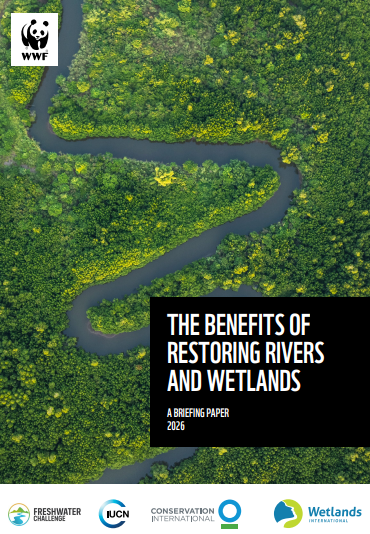
Accompanying the main report is a joint briefing paper on the benefits of restoration, a collaborative effort between WWF, Conservation International, the International Union for Conservation of Nature (IUCN), and Wetlands International. This briefing further elaborates on the critical role of freshwater ecosystems in addressing the most pressing challenges of our time.
"Restoring degraded rivers, lakes and other freshwater wetlands is central to tackling the greatest challenges of our era: water and food security, nature loss, climate change and sustainable development," emphasized Coenraad Krijger, CEO of Wetlands International. "This report shows that restoration works and that it benefits societies and economies. It’s time for governments and businesses to prioritise our freshwater life support systems and drastically increase investment to accelerate wetland action."
The Alarming Decline of Freshwater Ecosystems
The urgency for restoration is underscored by the alarming rate at which the world’s wetlands are being lost and degraded. Since 1970, the planet has witnessed the disappearance of a staggering one-third of its healthy wetlands. This ecological devastation is mirrored by an 85% decline in freshwater wildlife populations, a rate of loss that surpasses that of any other habitat type.
The primary drivers of this decline are multifaceted and interconnected. Over-abstraction of water for human use, the fragmentation of rivers by dams and other infrastructure projects, unsustainable land-use changes, pervasive pollution from industrial and agricultural sources, the proliferation of aquatic invasive species, over-harvesting of resources, and the escalating impacts of the climate crisis are all contributing to the demise of these crucial ecosystems.
This precipitous decline has not only resulted in the collapse of freshwater wildlife populations but has also created material risks to human well-being, economic development, and international water security. The interconnectedness of these systems means that the degradation of one component has far-reaching consequences.
The Freshwater Challenge: A Call to Action
To combat this crisis and to make the restoration of these essential landscapes a reality, experts are unequivocally calling for a massive scaling up of investment in river and wetland restoration. This includes a concerted effort by governments and corporations to actively support the Freshwater Challenge. This ambitious global initiative, endorsed by 54 countries, sets a target to restore 300,000 kilometers of degraded rivers and 350 million hectares of degraded wetlands by the year 2030.
The overarching goal of the Freshwater Challenge is to substantiate, elevate, and accelerate targeted interventions for rivers, lakes, and other inland wetlands. Crucially, it aims to seamlessly integrate these restoration efforts with national plans and strategies, ensuring long-term sustainability and impact.
"Most of the world’s population lives near rivers or wetlands," highlighted Dave Tickner, Chief Advisor, Freshwater at WWF-UK. "And to benefit people, nature and economies, those rivers and wetlands must be healthy. While we have seen a steady rise in global freshwater restoration, what is needed now is for governments and businesses to accelerate these efforts. The Freshwater Challenge provides a perfect opportunity for this, and this opportunity must be taken."
Economic and Societal Returns on Investment
The economic rationale for investing in wetland and river restoration is becoming increasingly apparent. Beyond the intrinsic value of biodiversity, healthy freshwater ecosystems provide invaluable "ecosystem services" that directly benefit human societies and economies.

Water Supply and Quality: Restored wetlands act as natural water filters, removing pollutants such as excess nutrients, sediments, and pathogens. This significantly improves the quality of drinking water, reducing the need for expensive artificial purification processes. Furthermore, healthy wetlands recharge groundwater aquifers, ensuring a more stable and reliable water supply, especially in regions prone to drought. The U.S. Environmental Protection Agency (EPA) estimates that wetlands can remove up to 90% of pollutants that enter them.
Flood Risk Reduction: Natural floodplains and wetlands act as sponges, absorbing excess water during heavy rainfall or snowmelt events. This natural flood control mechanism significantly reduces the risk and severity of flooding in downstream communities, saving lives and preventing billions of dollars in property damage and infrastructure repair. A study by the U.S. Geological Survey found that floodplains can reduce flood peaks by as much as 30-50%.
Carbon Sequestration: Wetlands, particularly peatlands, are among the most effective natural carbon sinks on Earth. They store vast amounts of carbon in their soils, often at rates far exceeding those of forests. Protecting and restoring these ecosystems is therefore a critical strategy for mitigating climate change by preventing the release of stored carbon into the atmosphere and enhancing future carbon sequestration. According to the Ramsar Convention, wetlands store an estimated 20-30% of the world’s soil carbon.
Food Security: Healthy rivers and wetlands support a rich diversity of fish and other aquatic life, forming the basis of important fisheries that provide food and livelihoods for millions of people globally. Sustainable management and restoration of these ecosystems are crucial for maintaining fish stocks and ensuring long-term food security. Many coastal communities and inland populations rely heavily on freshwater resources for their primary source of protein.
Biodiversity Hotspots: Freshwater ecosystems are home to an extraordinary proportion of the world’s biodiversity, even though they cover a small percentage of the Earth’s surface. Rivers, lakes, and wetlands provide essential habitats for countless species of fish, amphibians, reptiles, birds, and mammals. Restoration efforts directly contribute to the conservation of these species and the intricate web of life they represent. The WWF’s Living Planet Report has consistently highlighted the disproportionate decline of freshwater species compared to terrestrial or marine counterparts.
Recreation and Tourism: Vibrant rivers and wetlands offer significant opportunities for recreation, including fishing, boating, birdwatching, and ecotourism. These activities not only enhance human well-being but also generate substantial economic revenue for local communities, creating jobs and supporting small businesses.
A Timeline of Degradation and a Future of Restoration
The current crisis is the culmination of decades of unsustainable practices and a lack of recognition for the vital role of freshwater ecosystems. The mid-20th century saw a surge in infrastructure development, often at the expense of natural waterways, with dam construction, channelization, and wetland drainage becoming commonplace to facilitate agriculture, urban expansion, and industrialization.
The 1970s marked a turning point with growing scientific awareness of environmental degradation. The Ramsar Convention on Wetlands, established in 1971, was one of the first international agreements to focus on the conservation and wise use of wetlands. However, the scale of human impact continued to outpace conservation efforts.
By the early 21st century, the devastating consequences of wetland loss and river degradation became undeniable. Reports of declining freshwater species populations and increasing water scarcity in many regions spurred renewed calls for action. The establishment of initiatives like the Freshwater Challenge represents a significant global commitment to reversing these trends. The timeline for achieving the Freshwater Challenge’s ambitious targets extends to 2030, providing a clear framework for action and accountability.
Broader Implications and Future Outlook
The implications of the findings in the WWF-commissioned report are profound. They suggest a paradigm shift in how we view and manage our freshwater resources. Investing in restoration is not merely an environmental imperative; it is a sound economic strategy that delivers tangible returns and builds resilience against future shocks, including those related to climate change and resource scarcity.
The report’s call for increased funding and support for the Freshwater Challenge is timely. As global populations continue to grow and the impacts of climate change intensify, the demand for clean water, food, and protection from natural disasters will only increase. Healthy freshwater ecosystems are fundamental to meeting these demands.
The success of the Freshwater Challenge will depend on sustained political will, innovative financing mechanisms, and the active engagement of all stakeholders, including governments, corporations, local communities, and individuals. By prioritizing the restoration of our rivers and wetlands, we are investing in a healthier, more prosperous, and more sustainable future for both people and nature. The evidence is irrefutable; the time for decisive action is now.
