
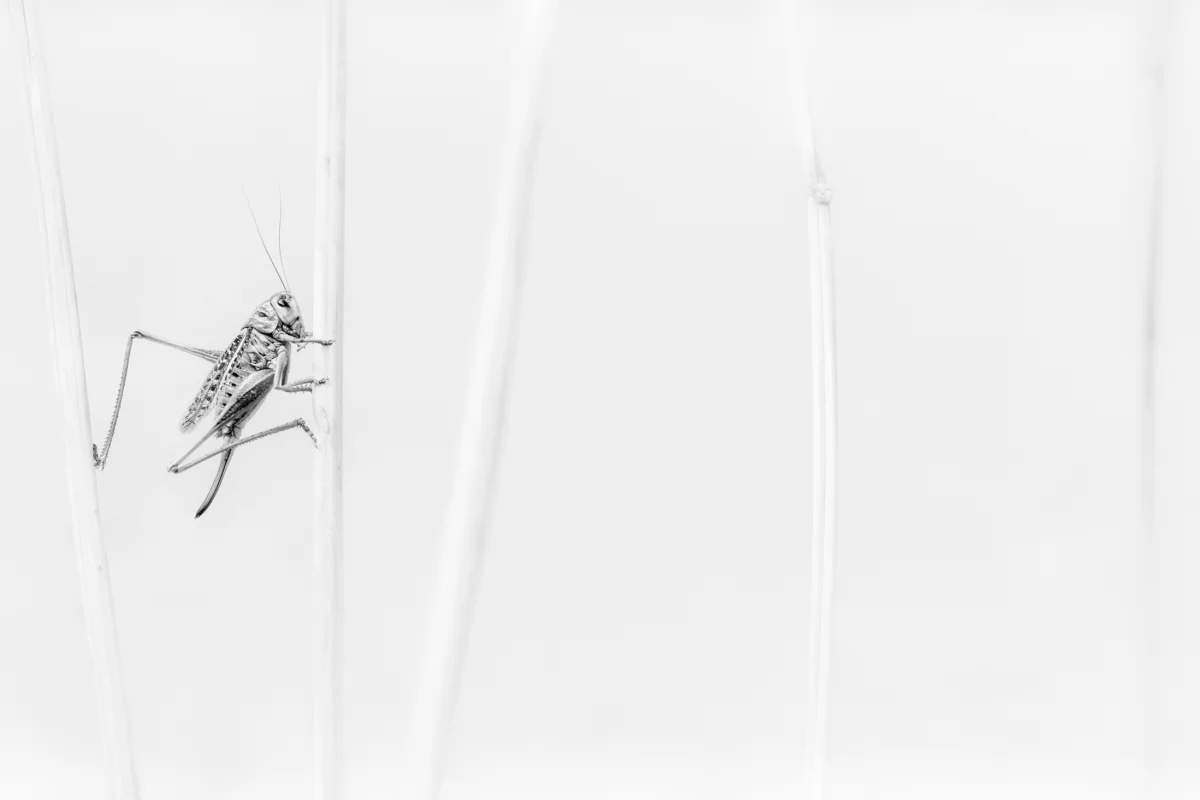
Elisa Confortini, a distinguished voice in contemporary nature photography, has cultivated a profound passion for the natural world, channeled exquisitely through the lens of macro photography, with a particular focus on the intricate lives of arthropods. Her work transcends mere documentation, offering viewers a mesmerizing journey into a hidden universe where the mundane transforms into the magnificent, often rendered in the evocative, timeless aesthetic of black and white. This deliberate artistic choice not only highlights the inherent beauty and complexity of her subjects but also invites a deeper contemplation of our relationship with the natural environment.
Confortini’s photographic journey began with an accessible yet endlessly complex subject: arthropods. These ubiquitous creatures, ranging from insects to spiders and crustaceans, were readily available even close to her home, providing an immediate and inexhaustible source of inspiration. The act of observing them up close became a constant source of fascination and instruction, revealing behaviors and characteristics that often elude the casual observer. This long-term, patient observation is a cornerstone of her practice, enabling her to capture nuanced moments and portray the distinctive habits of her chosen subjects in ways that truly captivate the viewer. Each year, Confortini embarks on a quest, either to revisit her favorite species or to unearth new ones, enriching her understanding and expanding her visual narrative of the microscopic world.

The Enduring Fascination with Arthropods
Arthropods, a phylum encompassing over 80% of all known animal species, represent an unparalleled diversity of life forms. With an estimated 5 to 10 million species worldwide, they dominate terrestrial and freshwater ecosystems, playing critical roles as pollinators, decomposers, predators, and prey. From the delicate wings of a Papilio machaon (Swallowtail butterfly) to the formidable stance of a Mantis religiosa (Praying Mantis) or the robust form of a Lucanus cervus (Stag Beetle), their myriad shapes, sizes, and ecological roles have profoundly impacted human civilization. Throughout history, these creatures have elicited a complex spectrum of human emotions, ranging from admiration and veneration to fear and revulsion. They have inspired myths, art, literature, and scientific inquiry, symbolizing transformation, industry, destruction, or delicate beauty. Their intricate life cycles, remarkable adaptations, and often vibrant appearances continue to serve as an inexhaustible muse for artists and a vital subject for scientists globally.
In recent decades, macro photography has played a pivotal role in bridging the gap between scientific understanding and public appreciation for these often-overlooked inhabitants of our planet. By bringing the minute details of an arthropod’s anatomy or the drama of its daily existence into sharp focus, macro photographers like Confortini transform these creatures from distant, perhaps even unsettling, entities into subjects of profound aesthetic and ecological interest. This intimate perspective challenges preconceived notions, fostering a sense of wonder and encouraging a more empathetic engagement with the natural world, a relationship that Confortini’s work eloquently reflects.

The Timeless Power of Black and White Photography
In an era saturated with hyper-realistic, vibrant digital imagery, often manipulated by advanced technological tools that allow for instant color alteration, black and white photography stands as a testament to enduring artistic principles. Far from being an antiquated technique, monochrome continues to thrive as a powerful and timeless medium. The historical lineage of black and white photography, tracing back to the early days of daguerreotypes and silver halide prints, established it as the original language of the photographic image. Pioneers like Ansel Adams demonstrated its profound capacity to capture the grandeur of landscapes, while photojournalists used it to convey the raw emotion of human experience. For Confortini, as for many artists today, working in black and white is not merely a stylistic preference but a profound aesthetic and philosophical choice—a deliberate act to distill emotion, highlight form, and convey the essence of her subjects without the potential distractions of color.
The rationale behind embracing monochrome is multifaceted and deeply rooted in photographic theory and practice:

- Undivided Focus: Color, while often beautiful, can attract attention and inadvertently draw the viewer’s eye away from the primary subject. In a complex natural setting, a bright flower or a vividly colored leaf might compete with the arthropod itself. By removing color, the photographer ensures that the viewer’s gaze is directed unequivocally to the core of the image, allowing for an uninterrupted engagement with the subject’s form and presence.
- Emphasizing Texture, Contrast, and Form: The absence of color inherently magnifies the importance of texture, contrast, and shapes. These elements, which might be subtle in a color photograph, become dominant forces in monochrome, revealing intricate patterns on an arthropod’s exoskeleton, the delicate veins of its wings, or the sharp angles of its limbs. This emphasis can evoke a range of emotions and insights that might otherwise be overlooked, bringing forth a tactile quality in the visual experience.
- Evoking Drama and Mystery: The tonal nuances inherent in black and white photography, from the deepest shadows to the brightest highlights, are uniquely adept at creating a sense of drama, mystery, and timelessness. A monochromatic rendering can imbue a simple scene with a profound gravitas or an ethereal quality, inviting the viewer into a more contemplative space, often tapping into primal visual responses.
- Sharpening Compositional Acumen: Without the crutch of color to delineate elements, the photographer is compelled to pay heightened attention to fundamental compositional principles: light, shadow, leading lines, negative space, and overall balance. This disciplined approach is crucial for crafting impactful images, as every element must contribute meaningfully to the visual narrative. For both the photographer and the viewer, monochrome demands looking beyond superficial color to discover the true, underlying essence and structure of the image.
- Enhanced Post-Processing Control: Modern digital tools offer unparalleled flexibility in post-processing. In black and white conversion, photographers gain extraordinary control over tonal ranges, localized contrast, and the subtle interplay of light and shadow. This granular control allows for creative possibilities that might be impossible or significantly less effective when working with color, enabling the artist to sculpt the image to precisely match their artistic vision.
Ultimately, monochrome photography offers a different mode of working, challenging both the creator and the audience to engage with images on a more fundamental, often more profound, level. It strips away the superficial, revealing the underlying structure and emotional core.
Two Distinct Approaches to Monochrome Photography
Confortini identifies two primary methodologies for engaging with black and white photography, each offering distinct advantages:

- Conscious Monochrome Potential: The first approach involves photographing as usual but maintaining an acute awareness of scenes and subjects that inherently possess strong monochrome potential. This requires developing an intuitive sense for how colors will translate into shades of gray, anticipating the impact of light, shadow, and texture even when capturing a full-color raw image. This method allows for flexibility, preserving the option for a color rendition while still identifying opportunities for powerful black and white conversions post-capture.
- Dedicated Monochrome Vision: The second, more immersive approach, involves deliberately setting the camera to a monochrome mode. While the camera typically still records a color raw file (depending on settings), viewing the scene through the viewfinder or LCD in black and white trains the eye and mind to perceive the world solely in terms of tones, contrasts, and forms. This rigorous exercise is invaluable for cultivating a "monochrome sensitivity," accelerating the development of a visual language tailored specifically for black and white imagery. It forces the photographer to think differently, to prioritize the interplay of light and dark over hue and saturation.
Confortini acknowledges the inherent difficulty in seeing the world devoid of color, especially when immersed in the vibrant hues of natural environments—lush grasses, brilliant flowers, and vividly colored insects. Training the brain to translate these chromatic complexities into a continuous scale of grays is a process that requires time, practice, and experimentation. By intentionally photographing brightly colored subjects and then reviewing them in monochrome, photographers can gain a deeper understanding of how different colors manifest as various shades of gray, refining their ability to predict and control the outcome. For instance, a red flower might translate to a dark gray, while a yellow one might become a light gray, impacting the overall contrast and mood of the monochromatic image.
Personally, Confortini favors converting images to black and white during post-processing. This choice grants her the most precise control over tonal nuances, local contrast, and fine details using digital darkroom tools. As monochrome is not her exclusive photographic domain, this approach also allows her the crucial flexibility to calmly assess which images inherently benefit from the full spectrum of color and which are profoundly enhanced by the stark elegance of black and white. Some images instantly present themselves to her as monochrome visions, while others demand a more deliberate conversion and meticulous refinement before their true monochromatic effectiveness becomes apparent. This flexibility ensures that the final artistic decision is made with maximum information and control.
Revisiting the Archive: A Fresh Perspective

An often-overlooked yet incredibly fruitful exercise for monochrome enthusiasts is revisiting older images in one’s photographic archive. Converting these previously captured color photographs to black and white can be a revelatory experience, transforming familiar scenes and evoking entirely new emotions. This process not only breathes new life into dormant files but can also spark fresh creative ideas and inform future photographic endeavors. Digital archiving, with its vast storage capabilities, makes this retrospective exploration more accessible than ever before, allowing photographers to re-evaluate years of work through a fresh lens.
However, Confortini emphasizes the importance of a critical eye. Not every image is destined for a successful monochrome conversion. The decision to remove color must be intentional and purposeful. If color serves a meaningful role in telling the story, conveying a specific mood, or defining the subject’s identity (e.g., the iridescent sheen of a beetle or the warning colors of a venomous spider), then a black and white conversion would detract from, rather than enhance, the image. Conversely, when the atmosphere, graphic qualities, or inherent drama of a scene are paramount, monochrome can significantly elevate the final result, revealing an underlying strength that color might have obscured. This discerning approach ensures that monochrome is applied as an artistic enhancement, not a default setting.
Strategic Applications: When Monochrome Excels

Confortini outlines several specific scenarios where she finds black and white photography to be particularly advantageous in her macro work:
- Subject Isolation and Distraction Reduction: The natural environments of arthropods are frequently complex and visually "chaotic" with a myriad of leaves, stems, and competing colors. By rendering an image in monochrome, Confortini can effectively isolate the main subject, reducing chromatic distractions and allowing the viewer to focus exclusively on the intricate details and presence of the arthropod. This "chromatic isolation" powerfully emphasizes the subject, making it pop against a tonally harmonious background.
- Mastering Harsh Light and Shadow: Black and white excels in conditions of strong, harsh light and deep shadows, which can often be challenging for color photography, leading to blown highlights or crushed blacks. Instead of being problematic, these elements become artistic tools in monochrome, accentuating dramatic contrasts and allowing for a more effective use of negative space. The interplay of light and dark sculpts the subject, giving it a three-dimensional quality and depth that might be flattened by color.
- Transforming Noise into Atmosphere: High-ISO images, often necessitated by low-light conditions in nature photography, frequently contain significant chromatic noise. In color, this noise can be distracting and degrade image quality, appearing as splotches of unwanted color. However, in black and white, chromatic noise can often be transformed into a textural element—a subtle grain that adds atmosphere, mood, and a timeless quality, reminiscent of traditional film photography. This allows for creative flexibility in challenging lighting conditions.
- Correcting Unwanted Color Casts: Environmental factors, such as the color of water in certain ponds, the tint of heavily shaded foliage, or unusual artificial ambient lighting, can introduce undesirable color casts that are difficult to correct satisfactorily in a color image without affecting other elements. Monochrome provides an elegant solution, neutralizing these problematic hues and allowing the inherent beauty of the scene or subject to shine through unhindered by color inaccuracies.
- Enhancing Experimental Techniques: When employing experimental techniques such as double exposures or intentional camera movement (ICM), where the camera is moved during a long exposure, color can sometimes appear unnatural, psychedelic, or jarring, distracting from the abstract quality or fluid motion intended. Black and white can unify these experimental compositions, allowing the focus to remain on form, movement, and the overall artistic impression rather than potentially discordant colors.
While it might seem that monochrome could be a "rescue tool" for technically imperfect images, Confortini strongly refutes this notion. In her experience, the opposite is true: she converts only a select few images—those that already possess an inherent strength, graphic clarity, or profound expressive potential that extends beyond their chromatic attributes. Monochrome, for her, is not a cover-up but an enhancement of an already compelling visual narrative, elevating images that are already strong.
Minimalism and Abstraction in the Macro World

In the realm of macro photography, black and white provides an unparalleled avenue for exploring minimalism. By stripping away the visual clutter, complexity, and potential distractions of color, the photographer can concentrate on creating simple yet profoundly impactful compositions. Enhancing the silhouette of an arthropod against a contrasting background is one of the most intuitive applications, but the possibilities extend far beyond.
The exploration of shapes becomes particularly effective in monochrome macro. Geometric forms, whether natural or implied by the subject’s anatomy (like the segmented body of a Morimus asper beetle), introduce order and structure, while irregular shapes can convey movement, energy, and unpredictability (such as the sprawling legs of an Opilione, or daddy long-legs). Without the influence of color, differences in light and shadow become critically pronounced, allowing contrast to emerge with striking clarity, defining the contours and textures of the subject.
Composition, even in the minute world of macro, remains the ultimate key to creativity. Confortini highlights that the subject does not always need to fill the frame. In close-up work, abstraction emerges as a powerful tool, inviting viewers to interpret the image rather than simply observe it. Limited depth of field, another creative staple, takes on new significance in black and white. By isolating a single sharp element—a glistening eye, a textured limb—everything else dissolves into an elegant blur of tones, subtly guiding the viewer’s eye and offering unexpected, often dreamlike, perspectives.

The deliberate use of grain, too, can evoke strong emotional responses. In black and white macro photography, grain, whether naturally occurring from high ISO or intentionally added in post-processing, can enhance atmosphere and mood, particularly when the environment and overall feeling take precedence over forensic detail. While Confortini aims for clean images initially, she appreciates the artistic potential of carefully applied grain during editing, experimenting with its intensity to achieve the desired emotional resonance, reminiscent of classic photographic prints.
Monochrome: A Creative Evolution, Not a Beginner’s Tool
While black and white photography is often recommended as a learning tool for beginners to grasp foundational compositional principles, Confortini posits that in macro photography, this choice represents a more advanced stage of creative development. It often comes into play once a photographer has already cultivated a personal visual language and a deep understanding of their subjects. For her, it became a path worthy of deeper exploration—a realization that in certain situations, color could, paradoxically, limit creative interpretation, distracting from the subtle atmosphere, profound emotion, and the raw sensations experienced during the photographic process. This perspective suggests that monochrome is not a stepping stone but a destination for seasoned photographers seeking deeper expression.

Confortini’s work demonstrates that while one can create vibrant, hyper-detailed close-ups of insects, there is also immense artistic merit in choosing to express their beauty by evoking their environment, behavior, or character in a more interpretive, less literal, way. This approach transforms the photograph from a mere record into an artistic statement, inviting the viewer into a richer, more nuanced dialogue with the subject. Her photographs of creatures like the Mimas tiliae (Lime Hawk-moth) or a dragonfly, rendered in monochrome, reveal textures and forms that might be overshadowed by their natural coloration, inviting a fresh appreciation for their intricate biology.
Ultimately, this dedication to monochrome is a deeply personal creative choice. It is a lens through which Elisa Confortini invites us to peer into a small yet immense universe—a world rich, often unfamiliar, endlessly fascinating, and at times unsettling, but always seen from a uniquely profound and artful perspective. Her photographs stand as a powerful testament to the fact that true vision transcends the spectrum of color, finding its most compelling expression in the elegant dance of light and shadow, thereby enriching our understanding and appreciation of the natural world’s most minute inhabitants.
