
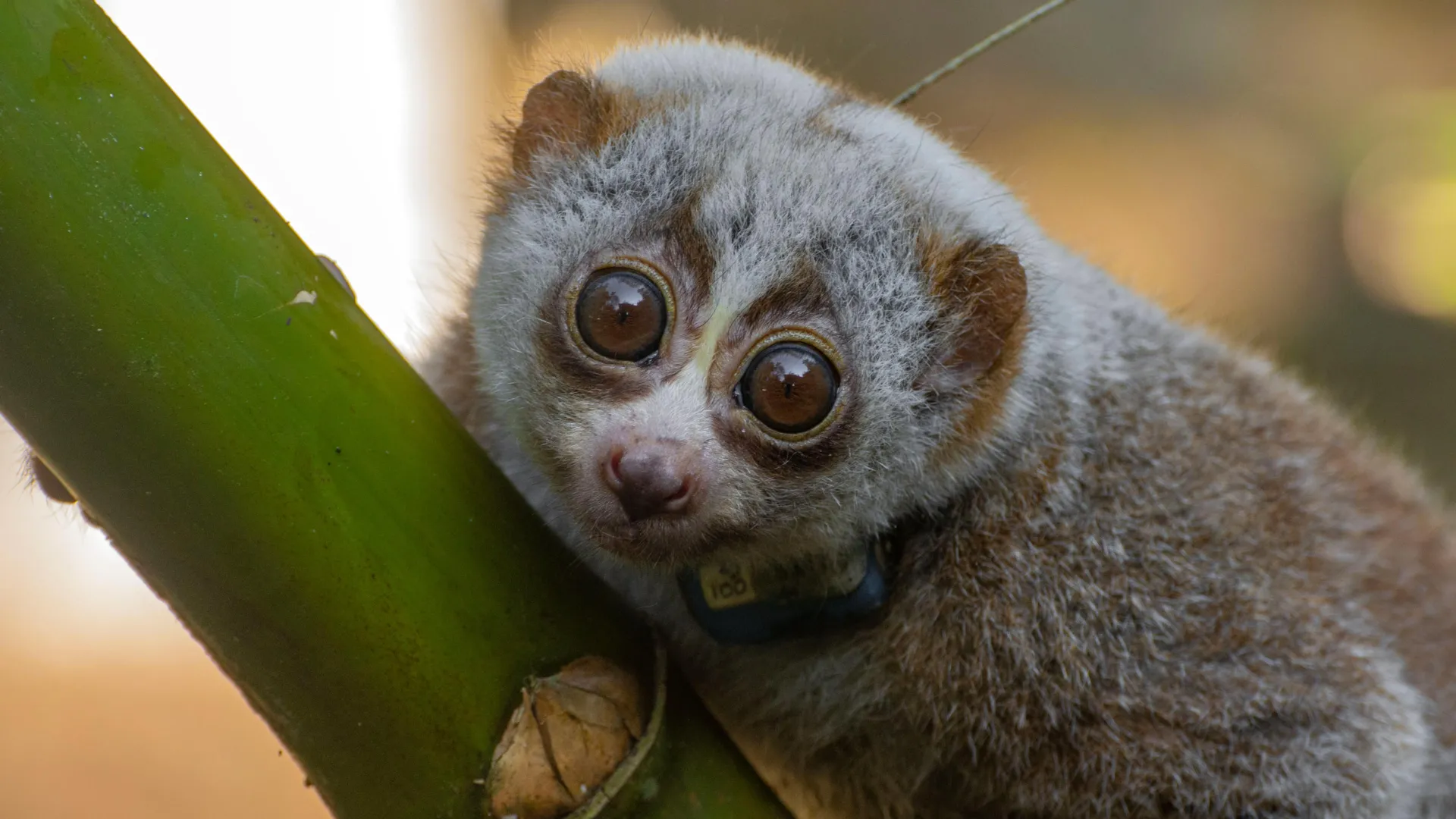
A groundbreaking scientific study published in the journal Global Ecology and Conservation has cast a critical light on the common practice of releasing rescued wildlife back into their natural habitats, revealing that such efforts, while well-intentioned, do not always culminate in successful reintroduction. For some species, particularly those with complex social structures and unique biological defenses, the wild can paradoxically become a "death trap" for animals previously held in captivity. This research, spearheaded by primatologist Professor Anna Nekaris OBE of Anglia Ruskin University, in collaboration with conservation group Plumploris e.V. and the University of Western Australia, meticulously tracked the post-release fate of Bengal slow lorises ( Nycticebus bengalensis) in Bangladesh, uncovering alarming mortality rates attributable to severe territorial conflicts.
The Perilous Path Back to the Wild: A New Study’s Stark Findings
The study’s findings challenge long-held assumptions within wildlife conservation, particularly concerning smaller, less charismatic species that often receive less intensive post-release monitoring compared to their larger counterparts like big cats or rhinos. The researchers fitted nine Bengal slow lorises with sophisticated radio collars to observe their movements and survival patterns after being released into a national park in northeastern Bangladesh – a site historically used for wildlife reintroductions. The results were unequivocally grim: a mere two out of the nine animals survived beyond the initial six-month monitoring period. Three lorises perished within a startling 10 days of their release, while another four succumbed within half a year. Recovery efforts successfully located four of the deceased animals, with post-mortem examinations revealing a consistent and disturbing cause of death: lethal aggression from other slow lorises.
Unveiling the "Death Trap": The Bengal Slow Loris Case Study
The Bengal slow loris, a species native to Southeast Asia and the Indian subcontinent, is characterized by its distinctive large eyes and seemingly gentle demeanor. These very features, however, have rendered them exceptionally vulnerable to the illegal wildlife trade, where they are highly sought after as exotic pets. This demand has tragically positioned them among the most heavily trafficked primates globally. All slow loris species are afforded protected status by the International Union for Conservation of Nature (IUCN), categorized as Critically Endangered, Endangered, or Vulnerable. Consequently, rescue operations frequently lead to their confiscation and subsequent release, often with the primary goal of bolstering diminishing wild populations. The recent study, however, meticulously details how such releases, despite their noble intent, can inadvertently lead to tragic outcomes.
The national park chosen for the release had previously been deemed suitable for similar conservation initiatives. However, the density of the existing slow loris population within this habitat appears to have been a critical, and ultimately fatal, oversight for the newly introduced animals. Researchers observed that the released lorises exhibited heightened alertness and traversed significantly larger areas compared to their wild counterparts, suggesting a desperate search for unestablished territories. The two survivors notably covered the most extensive distances, a pattern indicative of successful evasion of established resident lorises and their territories.
Slow Lorises: Masters of Misfortune in the Illegal Pet Trade
The plight of the slow loris underscores the complexities of wildlife conservation in an era of rampant illegal trade. The global illegal wildlife trade is estimated to be worth billions of dollars annually, ranking among the largest illicit trades alongside drugs, arms, and human trafficking. Slow lorises are particularly susceptible due to their unique appeal. Misinformation often surrounds their care, with many buyers unaware of their nocturnal nature, specialized dietary needs, or the fact that they are the world’s only venomous primates. Poachers frequently extract their teeth to make them appear less threatening to potential buyers, a cruel and often fatal procedure that also renders them incapable of feeding properly and defending themselves.
The high demand, fueled partly by social media showcasing lorises as "cute" pets, drives a brutal supply chain. Animals are often captured from the wild, crammed into unsanitary conditions for transport, and endure immense stress and injury. Many do not survive the journey. Those that do are often malnourished, diseased, and traumatized by the time they are confiscated by authorities. This traumatic history profoundly impacts their ability to reintegrate into complex wild environments.
A Deeper Look at Loris Biology and Behaviour
The study’s findings regarding inter-loris aggression are particularly illuminating. Slow lorises are renowned for their highly territorial nature. Each individual or small family group maintains a distinct home range, which they rigorously defend against intruders. Their unique defense mechanism involves a brachial gland on their arm that produces a potent toxin. When threatened, a loris will lick this gland, mixing the venom with its saliva to deliver a painful and potentially lethal bite using specialized comb-like incisors. The recovered bodies of the deceased lorises presented clear evidence of this aggression, displaying obvious bite wounds to the head, face, and digits – precisely the kind of injuries consistent with territorial disputes among venomous primates.
This biological reality presents a significant challenge for reintroduction programs. Releasing a naive, possibly weakened, or disoriented loris into an already established territory is akin to throwing it into a gladiatorial arena. The resident lorises, attuned to their environment and instinctively protective of their resources, perceive the newcomers as immediate threats, leading to aggressive confrontations that the released animals, often compromised by their time in captivity, are ill-equipped to win.
The Rehabilitation Conundrum: Captivity’s Lingering Shadow
Another crucial aspect highlighted by the research is the correlation between the duration of captivity and post-release survival. The study observed that lorises held for longer periods in captivity tended to survive for fewer days after release. This suggests that extended periods away from a natural environment may diminish an animal’s innate survival instincts, foraging skills, and ability to navigate the intricate social and ecological challenges of the wild.
Rehabilitation for rescued wildlife is a complex and resource-intensive process. It involves addressing physical injuries, restoring health, and attempting to re-instill natural behaviors that may have been lost or suppressed during captivity. For primates, especially those as unique as slow lorises, this can involve complex dietary adjustments, re-learning nocturnal activity patterns, and developing a fear of predators and competence in territorial defense. The study’s results imply that even the most dedicated rehabilitation efforts might not fully negate the detrimental effects of prolonged captivity, particularly when animals are released into already saturated environments.
Beyond the Numbers: The Broader Context of Wildlife Reintroductions
The challenges illuminated by this slow loris study are not isolated. Wildlife reintroduction programs worldwide face myriad complexities. While successful reintroductions have been pivotal in saving species like the California condor or the black-footed ferret, failures are also common and often less publicized. Factors such as habitat degradation, disease transmission, lack of genetic diversity, and insufficient pre-release training can all contribute to poor outcomes. For many smaller species, the sheer cost and logistical difficulties of intensive post-release monitoring often mean that the true success rates remain largely unknown. This lack of data creates a dangerous knowledge gap, potentially leading to repeated mistakes and misallocation of precious conservation resources.
Professor Anna Nekaris OBE, Senior Author and Professor of Ecology, Conservation and Environment at Anglia Ruskin University, as well as head of the Little Fireface Project, articulated this concern directly: "It’s assumed that returning confiscated or rescued animals to the wild is always a positive conservation story. Our research shows that for highly territorial species like slow lorises, releasing them into areas that are already densely populated can be a death trap." She further emphasized, "Many rescued endangered species are often released because the public expects it, but for animals such as the Bengal slow loris, this is not always the best course of action. Without fully understanding the animal’s behaviour, its time spent in captivity and the density of resident populations at the release site, reintroductions may do more harm than good."
Expert Voices: Rethinking Conservation Paradigms
Hassan Al-Razi, the lead author and team leader of Plumploris e.V. Bangladesh, provided critical local context: "Rescue and release have become an increasingly common practice in Bangladesh. Many wild animals, including slow lorises, are rescued and subsequently released back into the wild." He added a stark observation, "However, in many cases, these releases are conducted inappropriately. For forest-dwelling species, release sites are often selected based on logistical convenience rather than ecological suitability. As a result, certain forests have effectively become dumping grounds for rescued animals and are no longer appropriate release sites." Al-Razi’s statement underscores a systemic issue where the urgent need to "do something" for rescued animals sometimes overshadows the scientific rigor required for truly effective conservation. The implications extend beyond slow lorises, suggesting that "similar patterns likely affect many other species" subjected to ill-considered release protocols.
This study adds weight to a growing body of scientific literature advocating for a more nuanced and evidence-based approach to wildlife reintroductions. Conservationists globally are increasingly calling for stricter protocols, including thorough pre-release assessments of both the individual animal’s readiness and the ecological carrying capacity of the proposed release site. This includes detailed habitat surveys to ascertain resource availability, predator presence, and crucially, the density and social dynamics of existing populations of the same species.
Policy and Practice: Charting a Safer Future for Rescued Wildlife
The research highlights an urgent need for revised guidelines and policies governing wildlife releases, particularly for small, cryptic, and highly territorial species. Recommendations emerging from this study and broader conservation discussions include:
- Comprehensive Site Suitability Assessment: Prioritizing ecological suitability over logistical convenience for release sites. This involves detailed assessments of habitat quality, food availability, and the absence of immediate threats like poaching, as well as an accurate estimation of resident population densities.
- Individual Animal Assessment: A thorough evaluation of each animal’s health, behavioral competence, and genetic viability. This could involve extended periods of "soft release" where animals are acclimated to a semi-wild environment before full liberation.
- Species-Specific Rehabilitation Protocols: Developing tailored rehabilitation strategies that address the unique behavioral and ecological needs of each species, focusing on re-establishing natural instincts and minimizing human imprinting.
- Long-Term Monitoring: Implementing robust, long-term post-release monitoring programs, even for smaller species, to gather essential data on survival rates, dispersal patterns, and reproductive success. This data is crucial for refining future reintroduction strategies.
- International Collaboration and Data Sharing: Fostering greater collaboration among rescue centers, scientific institutions, and governmental agencies to share best practices, research findings, and to establish standardized protocols across borders.
- Public Education: Educating the public about the complexities of wildlife reintroduction and managing expectations regarding "happy endings" for every rescued animal.
Ethical Considerations and Public Expectation
The study also raises profound ethical questions. Is it more humane to keep an animal in captivity if its release is highly likely to result in a brutal, premature death? The public often holds a strong emotional connection to the idea of "rescuing" an animal and returning it to the wild. This societal pressure can sometimes influence conservation decisions, pushing for releases even when scientific evidence suggests otherwise. Balancing public expectation with the best interests of the individual animal and the broader conservation goal is a delicate and critical challenge. For some animals, particularly those severely habituated to humans or suffering irreparable damage from their time in captivity, a lifetime in a well-managed sanctuary might be a more ethical and less cruel alternative than a doomed release.
Looking Ahead: A Call for Greater Scrutiny and Tailored Strategies
In conclusion, the research on Bengal slow lorises serves as a powerful cautionary tale, urging the conservation community to adopt a more rigorous, evidence-based, and species-specific approach to wildlife reintroductions. While the impulse to return rescued animals to their natural environment is commendable, this study unequivocally demonstrates that good intentions are insufficient. Without meticulous planning, detailed ecological assessments, and a deep understanding of species-specific behavior, release programs risk becoming mere "dumping grounds" rather than genuine conservation triumphs. The ultimate success of wildlife conservation hinges not just on rescuing animals from immediate threats, but on ensuring their long-term survival and thriving within viable, ecologically appropriate habitats. This requires an ongoing commitment to scientific inquiry, adaptive management, and a willingness to critically re-evaluate established practices in light of new knowledge.
