
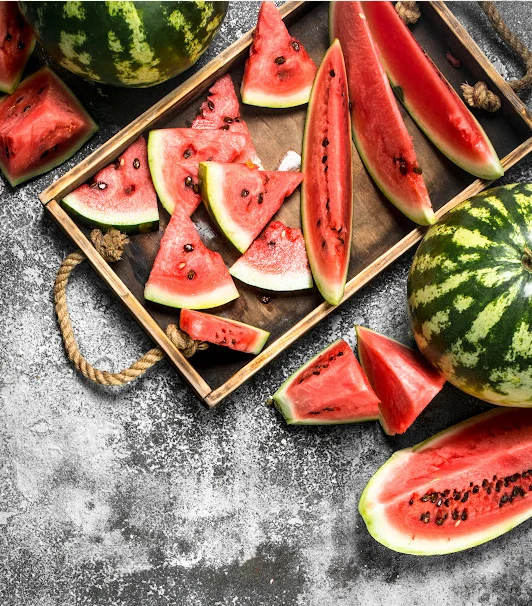
As global temperatures continue to fluctuate and summer heatwaves become more frequent, backyard poultry enthusiasts and small-scale farmers are increasingly seeking natural methods to ensure the health and productivity of their flocks. Among the most effective supplemental treatments identified by agricultural experts and seasoned keepers is the watermelon (Citrullus lanatus). Far from being a mere treat, watermelon serves as a critical tool in managing heat stress, providing essential hydration, and delivering a concentrated dose of vitamins and minerals that support the physiological well-being of chickens. This fruit, characterized by its high water content and dense nutrient profile, has emerged as a cornerstone of seasonal poultry care, particularly for those adhering to natural or organic husbandry practices.
The Physiological Impact of Heat Stress on Poultry
To understand the importance of watermelon as a summer supplement, it is necessary to examine the biological response of chickens to high ambient temperatures. Unlike many other animals, chickens do not possess sweat glands. They regulate their body temperature primarily through respiratory evaporation, a process commonly known as panting. When environmental temperatures exceed 85 degrees Fahrenheit, chickens begin to experience heat stress, which can lead to a decrease in egg production, reduced eggshell quality, and, in severe cases, high mortality rates.
During these periods of heat stress, the avian body loses significant amounts of water and electrolytes. Maintaining hydration is not merely a matter of comfort but a biological necessity to prevent organ failure. Watermelon, which is comprised of approximately 92% water, provides an immediate and highly palatable source of fluids. When chickens consume the flesh and rind of a watermelon, they are effectively rehydrating their systems while also consuming sugars that provide the energy necessary to maintain metabolic functions during taxing weather conditions.
.jpg)
Nutritional Profile and Egg Quality Enhancement
Beyond simple hydration, watermelon offers a robust array of nutrients that contribute to the long-term health of the flock. Professional analysis of the fruit reveals significant concentrations of Vitamins A, B6, and C. Vitamin A is crucial for the maintenance of respiratory health and the integrity of mucosal membranes, which act as the first line of defense against pathogens. Vitamin B6 plays a vital role in protein metabolism and the development of the nervous system, while Vitamin C acts as a powerful stress reducer, helping the bird’s immune system remain functional during the physiological strain of summer.
Furthermore, watermelon is a primary source of carotenoids, specifically beta-carotene and lycopene. For the backyard egg producer, these compounds have a direct and visible impact on the final product. Carotenoids are the pigments responsible for the deep, vibrant orange color found in the yolks of eggs from healthy, well-fed hens. A diet supplemented with watermelon ensures that these pigments are readily available for deposition in the yolk, which is often associated with higher nutritional value and better flavor in culinary applications.
Notably, watermelon contains the highest levels of lycopene of any fresh fruit or vegetable—surpassing even tomatoes. As a potent antioxidant, lycopene assists in neutralizing free radicals within the chicken’s body. This cellular protection is essential for preventing chronic conditions, supporting heart health, and potentially reducing the incidence of certain cancers in older birds.
The Role of Cucurbitacin in Natural Parasite Management
One of the more specialized benefits of feeding watermelon to poultry involves the presence of cucurbitacin. This biochemical compound is found in various members of the Cucurbitaceae family, including watermelons, cucumbers, and pumpkins. In the field of natural animal husbandry, cucurbitacin is widely regarded as a natural anthelmintic, or dewormer.
.jpg)
While commercial chemical dewormers are available, many keepers prefer natural alternatives to avoid the "egg withdrawal" periods required when using synthetic medications. The theory behind the use of watermelon as a natural wormer suggests that the cucurbitacin compounds create an environment in the digestive tract that is inhospitable to internal parasites. By regularly providing watermelon, especially the seeds and rinds which contain higher concentrations of these compounds, keepers can support the intestinal health of their birds through preventative nutrition.
Comprehensive Utilization: Flesh, Seeds, and Rinds
A significant advantage of watermelon as a poultry supplement is its zero-waste potential. Chickens are opportunistic omnivores and can safely consume every part of the watermelon.
- The Flesh: Provides the highest concentration of water and sugars for immediate energy and hydration.
- The Seeds: Unlike the seeds of some fruits (such as apples, which contain trace amounts of cyanide), watermelon seeds are entirely safe for chickens. They are a source of protein and fats, providing a dense caloric boost that complements the watery flesh.
- The Rind: Often discarded by humans, the rind is highly valued by poultry. It contains citrulline, an amino acid that can aid in vascular health. The tough texture of the rind also provides environmental enrichment, encouraging the birds to peck and forage, which reduces boredom-induced aggression in the coop.
Expert Perspectives and Best Practices
Lisa Steele, a fifth-generation chicken-keeping expert and founder of Fresh Eggs Daily, has long advocated for the inclusion of watermelon in summer feeding regimens. Steele, an author of six books on natural poultry care, emphasizes that the method of delivery can be adapted to the specific needs of the flock. "You can simply cut the melon in half and let your chickens have at it," Steele notes, highlighting the ease of integration into daily routines.
For keepers facing extreme heatwaves, Steele suggests more advanced preparation methods, such as "Watermelon Slushies." This involves blending the watermelon flesh with ice or freezing chunks of the fruit before serving. This serves a dual purpose: it provides the necessary nutrients while simultaneously lowering the bird’s core body temperature through the ingestion of cold material.

From a journalistic and agricultural standpoint, the consensus among experts is that while watermelon is an excellent supplement, it should not replace a balanced layer feed. Standard poultry feed is formulated to provide the exact ratio of calcium and protein required for egg production. Watermelon should be viewed as a supplemental tool—accounting for no more than 10% of the total diet—to be used strategically during the hottest parts of the day.
Chronology of Seasonal Poultry Care
The integration of watermelon into poultry management typically follows a seasonal chronology designed to maximize bird resilience:
- Late Spring: As temperatures begin to rise, keepers introduce small amounts of watermelon to acclimate the birds’ digestive systems to the high sugar and water content.
- Early Summer: Regular supplementation begins, usually provided in the mid-afternoon when ambient temperatures reach their peak.
- Peak Summer Heat: Watermelon is often served frozen or as a slushie. During this phase, the focus shifts from general nutrition to emergency cooling and hydration.
- Late Summer/Early Autumn: The focus shifts toward the lycopene and vitamin content to help birds prepare for the molting season, where they require extra nutrients to regrow feathers.
Broader Implications for Sustainable Agriculture
The use of watermelon in backyard poultry farming reflects a broader trend toward circular economy principles in small-scale agriculture. By diverted "ugly" produce or leftover rinds from human consumption to the poultry coop, keepers reduce municipal organic waste. This practice turns a waste product into a high-value input for egg production, illustrating the efficiency of integrated backyard ecosystems.
Furthermore, the reliance on natural antioxidants and anthelmintics like those found in watermelon aligns with the growing consumer demand for "clean label" food products. Eggs produced by hens that are managed with natural supplements rather than purely synthetic additives are increasingly favored in local markets and farm-to-table supply chains.

Conclusion
The evidence supporting the use of watermelon as a strategic supplement for chickens is grounded in both nutritional science and centuries of traditional farming wisdom. Its ability to provide rapid hydration, deliver essential vitamins, enhance egg quality, and offer natural parasite control makes it an invaluable resource for the modern poultry keeper. As climate patterns continue to present challenges to livestock management, the adoption of such versatile, natural solutions remains essential for maintaining the health and productivity of the global backyard flock. Through the informed application of these feeding strategies, keepers can ensure their birds not only survive the summer months but thrive, producing high-quality food while maintaining a high standard of animal welfare.
