
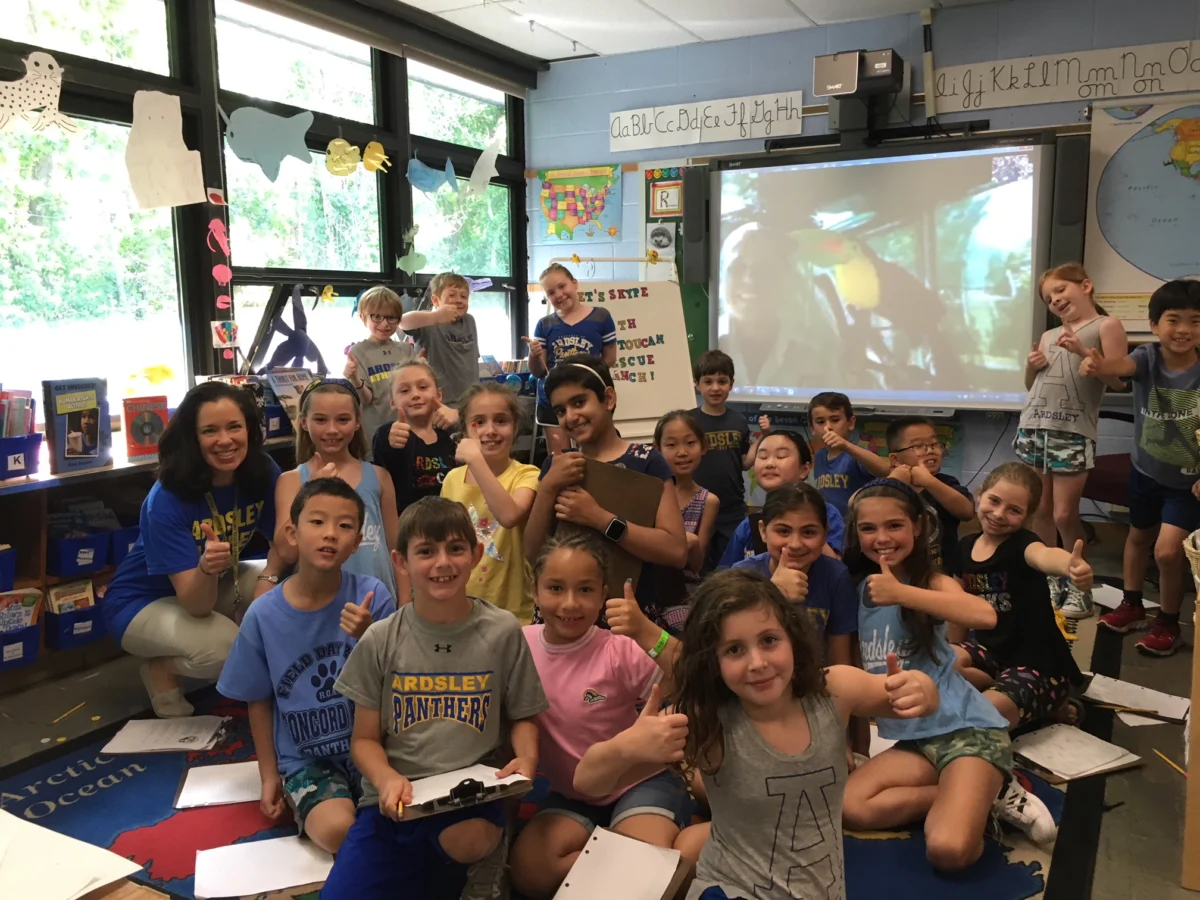
The Toucan Rescue Ranch, a premier wildlife rescue and rehabilitation facility based in Costa Rica, has officially expanded its multifaceted Education Program, marking a significant shift in how conservation organizations bridge the gap between clinical rehabilitation and global environmental advocacy. While the ranch has long been recognized for its high-success rate in rescuing, rehabilitating, and releasing injured and orphaned wildlife, its leadership has identified education as the primary tool for long-term species preservation. By integrating onsite interactive experiences with a robust virtual outreach strategy, the Toucan Rescue Ranch (TRR) is now positioning itself as a global leader in environmental stewardship, aiming to influence conservation mindsets far beyond the borders of Central America.
The cornerstone of this initiative is the recognition that wildlife rescue is often a reactive measure to human-induced conflicts. To move toward a proactive model, the TRR Education Program focuses on the root causes of wildlife endangerment, including habitat fragmentation, the illegal pet trade, and the dangers of urbanization. By fostering a deep understanding of biodiversity among local communities and international audiences, the program seeks to create a sustainable future where the need for rescue is significantly reduced.
A Multidimensional Approach to Wildlife Education
The Toucan Rescue Ranch’s Education Program is structured around three primary pillars: onsite sanctuary tours, tailored academic workshops for schools, and a sophisticated virtual learning platform. Each pillar is designed to engage participants through different sensory and intellectual channels, ensuring that the message of conservation resonates across diverse demographics.
Onsite, the sanctuary offers guided tours that serve as an immersive introduction to the complexities of Costa Rican ecosystems. Unlike traditional zoos, the TRR focuses on the individual stories of its residents—animals that, due to various injuries or human imprinting, cannot be returned to the wild. These animals become "educational ambassadors," providing a face to the abstract concepts of conservation. Visitors are given the opportunity to observe species such as the Keel-billed Toucan, Great Green Macaws, and various raptors, while learning about their specific biological roles and the environmental pressures they face in the wild.
In addition to tours, the ranch hosts hands-on workshops that delve deeper into the science of rehabilitation. These sessions are often tailored for university students, veterinary professionals, and conservationists, covering topics such as animal behavior, specialized nutrition for neonatal wildlife, and the intricate process of "rewilding" a captive animal.
Bridging the Gap: Tailored Programs for Academic Institutions
Recognizing that the next generation of environmental leaders is currently in the classroom, the Toucan Rescue Ranch has developed specialized curricula that align with international educational standards. These programs are not one-size-fits-all; they are adapted to the age group and specific interests of the visiting or participating organization.
For younger students, the focus remains on empathy and basic ecology—understanding what an animal needs to survive and how human actions can help or hinder those needs. For older students and community groups, the discussions shift toward more complex socio-environmental issues, such as the impact of monoculture farming on rainforest corridors and the ethics of wildlife tourism. By bringing professional expertise into an academic setting, TRR provides a real-world context to classroom biology and geography lessons, inspiring students to consider careers in STEM and conservation science.
The Virtual Frontier: Partnership with Exploring By The Seat Of Your Pants
A pivotal moment in the evolution of the TRR Education Program occurred with the formalization of its partnership with Exploring By The Seat Of Your Pants (EBTSOYP). Founded in 2015 by National Geographic Explorer Joe Grabowski, EBTSOYP is a non-profit organization dedicated to bringing science, adventure, and conservation into classrooms through virtual technology.
Since its inception, EBTSOYP has hosted over 1,000 live events, connecting hundreds of thousands of students in more than 60 countries with experts in the field. The partnership with Toucan Rescue Ranch leverages this massive digital infrastructure to bring the Costa Rican rainforest to North American classrooms and beyond.
The centerpiece of this collaboration is a series of monthly virtual visits focused on one of the world’s most charismatic and misunderstood mammals: the sloth. These 40-minute interactive sessions are led by TRR’s knowledgeable guides and educators. Participants are treated to a deep dive into the "Saving Sloths Together" (SST) program—a collaborative initiative between the Toucan Rescue Ranch and The Sloth Institute Costa Rica. The SST program is specifically designed to rescue, rehabilitate, and release orphaned and injured sloths back into their natural habitats.
Chronology of Educational Growth and Digital Transition
The trajectory of the TRR Education Program reflects a broader trend in the conservation sector toward digital accessibility.
- 2004–2010: Toucan Rescue Ranch was founded by Leslie Howle as a small rescue center primarily focused on birds. Education was informal and conducted on a case-by-case basis with local neighbors.
- 2011–2015: As the facility grew to include sloths and other mammals, formal tour structures were implemented. The ranch began receiving its first international student groups.
- 2015: The launch of EBTSOYP provided a new model for global outreach, though TRR remained largely focused on onsite activities.
- 2018–2019: TRR expanded its "Saving Sloths Together" program, creating a wealth of data and success stories that were ripe for educational dissemination.
- 2020: The global COVID-19 pandemic served as a catalyst for the virtual program. With international travel halted and schools moved online, TRR pivoted to virtual tours. This period saw a massive spike in digital engagement, proving that the demand for wildlife education was not bound by physical proximity.
- 2021–Present: The ranch has solidified its virtual offerings, making them a permanent fixture of its mission. The partnership with EBTSOYP has become a monthly staple for educators across the globe.
Supporting Data: Why Education Matters in Costa Rica
The necessity of the Toucan Rescue Ranch’s mission is underscored by the biological importance of its home country. Costa Rica occupies only 0.03% of the earth’s landmass but contains nearly 5% of the world’s biodiversity. However, this biodiversity is under constant threat.
Data from environmental agencies in Costa Rica suggest that habitat loss due to urbanization and illegal wildlife trafficking remains a significant concern. For instance, sloths are frequently victims of "selfie tourism," where they are handled by tourists for photos, leading to extreme stress and health decline. Furthermore, hundreds of arboreal animals are electrocuted annually on uninsulated power lines that cut through forest canopies.
The TRR Education Program addresses these statistics directly. By educating the public on why they should never touch a sloth or why they should support reforestation projects, the ranch is effectively reducing the number of future admissions to its clinic. The virtual program specifically targets North American audiences, who represent a large portion of the tourism market in Costa Rica, thereby influencing consumer behavior before they even set foot in the country.
Official Perspectives and Community Impact
While official statements from the ranch emphasize the scientific and rehabilitative aspects of their work, the human impact is equally profound. Joe Grabowski, the founder of EBTSOYP, has frequently highlighted how these virtual connections ignite curiosity in ways that textbooks cannot. "Our mission is to inspire the next generation of explorers," Grabowski has stated in various forums. "When a student in a landlocked city can see a sloth being fed in Costa Rica and ask a biologist a question in real-time, it changes their perspective on the world."
Teachers who have participated in the program report high levels of student engagement. The "donation certificate" incentive—where classrooms that donate $25 or more receive a formal token of appreciation—has also been praised for teaching students the importance of philanthropy and collective action. This micro-funding model not only supports the ranch’s operational costs (which include high expenses for specialized milk formulas and veterinary equipment) but also gives students a sense of ownership over the conservation process.
Analysis of Broader Implications
The success of the Toucan Rescue Ranch Education Program suggests a new blueprint for conservation NGOs. In an era where "Zoom fatigue" is a common complaint, the ranch has managed to keep audiences engaged by offering high-quality, live content that provides a window into a world most will never see in person.
Furthermore, this model democratizes science. Historically, field trips to tropical rainforests were a luxury reserved for wealthy school districts or specialized university programs. Virtual field trips remove these economic barriers, allowing a student in an underfunded urban school or a remote rural community to have the same access to a world-class conservation expert as a student in a private academy.
From a conservation standpoint, the "Saving Sloths Together" focus is particularly strategic. Sloths have become a global cultural phenomenon, and by using their popularity as a "hook," TRR can lead audiences into more complex discussions about rainforest ecology, climate change, and the importance of biodiversity corridors.
Future Outlook and How to Get Involved
Looking ahead, the Toucan Rescue Ranch intends to expand its virtual library and increase the frequency of its live sessions. Plans are in place to develop more specialized modules for high school and college-level students, focusing on the data-driven aspects of wildlife rehabilitation and the genetics of endangered species.
For the public, the message is clear: conservation is not a spectator sport. Whether through an onsite visit, a virtual classroom session, or a direct donation, there are numerous avenues for involvement. By supporting these educational efforts, individuals contribute to a global network of informed advocates who are equipped to protect the natural world.
The Toucan Rescue Ranch continues to prove that while saving one animal at a time is vital work, educating a thousand people at a time is what will ultimately save a species. Through its dynamic partnership with EBTSOYP and its unwavering commitment to environmental stewardship, the ranch is ensuring that the wonders of the rainforest will be understood and protected for generations to come.
