
The Physiological Demands of Long-Distance Avian Flight
The avian respiratory and circulatory systems are among the most efficient in the animal kingdom, but they require a consistent and high-density fuel source to maintain peak output during marathon races. Traditionally, the primary component of a racing pigeon’s diet consists of carbohydrates derived from maize, wheat, and peas. Through the process of digestion, these complex carbohydrates are converted into animal proteins and stored within the bird’s liver and muscle tissues as glycogen.
From a biochemical perspective, glycogen serves as the "gasoline" for the pigeon’s internal engine. The combustion of one gram of glycogen yields approximately 4.1 calories of energy. However, the storage capacity for glycogen is limited. In the context of a marathon race—where birds may be airborne for twelve to fourteen hours—the glycogen "tank" frequently runs dry before the bird reaches its loft. When this depletion occurs, the pigeon’s metabolism shifts to a catabolic state, beginning to break down its own muscle proteins to survive. Since protein also yields 4.1 calories per gram, the bird effectively consumes its own physical structure to remain aloft. This results in the "skin and bone" appearance often seen in exhausted birds returning from difficult races, a condition that can take weeks of recovery to rectify.
The Superiority of Lipids: Peanuts as High-Octane Fuel
To prevent the deleterious effects of muscle wasting, nutritional experts and successful fanciers like Steven Van Breeman and Dr. Meyer advocate for a diet rich in fats, or lipids, particularly during the lead-up to long-distance events. The energy density of fat is significantly higher than that of carbohydrates or proteins. While one gram of carbohydrate provides 4.1 calories, one gram of fat provides approximately 9.3 calories—roughly 2.33 times the energy yield.
The peanut (Arachis hypogaea) has emerged as a premier "superfood" for racing pigeons due to its unique nutritional profile. Beyond its high fat content, the peanut contains approximately 30% protein, ranking it just below the soybean in terms of nitrogenous density. This combination of high-density lipids and high-quality protein makes the peanut a biological equivalent to "high-octane" fuel. Research conducted in the United Kingdom has further validated this approach, demonstrating that performance significantly improves when racing diets are supplemented with lipids, including corn oil and oil-rich seeds.
Chronology of Nutritional Management: A Seasonal Approach
The implementation of a high-fat feeding program is not a year-round constant but a calculated seasonal strategy.

The Winter Introduction
The introduction of peanuts typically begins in the winter months. Because pigeons are naturally granivorous, they may initially be skeptical of the oblong, brown-skinned nuts. Fanciers utilize the off-season to familiarize the birds with the taste and texture of peanuts. Once acclimated, pigeons often prioritize peanuts over all other grains, allowing the fancier to use them as a tool for taming and loft management.
The Breeding Phase
During the breeding season, the nutritional requirements of the parents shift as they produce "crop milk" for their young. Crop milk is composed almost entirely of fats and proteins. Because the peanut’s composition mirrors this profile, it serves as an ideal supplement for nest-rearing pairs. Dr. Meyer recommends providing 5 to 10 grams of peanut pieces directly to the parents between the sixth and twelfth day of the squabs’ lives, aiding the transition from liquid mush to solid grain.
The Racing Cycle
During the racing season, the feeding schedule becomes highly technical. In the early part of the week, following a race, birds are often kept on a "cleansing" ration. As the weekend basketing date approaches, the lipid content is increased.
- Headwind Forecast: If a race is expected to be grueling due to headwinds, the portion of peanuts is increased to maximize energy reserves.
- Tailwind Forecast: If the race is expected to be fast with a following wind, peanuts are fed sparingly to prevent the birds from becoming too heavy or "over-fueled."
- Basketing Day: For races involving two nights in the basket, a morning feed of carbohydrates followed by an afternoon "loading" of peanuts ensures the birds have enough internal energy to last forty-eight hours without substantial supplemental feeding.
Comparative Data: Energy Values of Various Feed Seeds
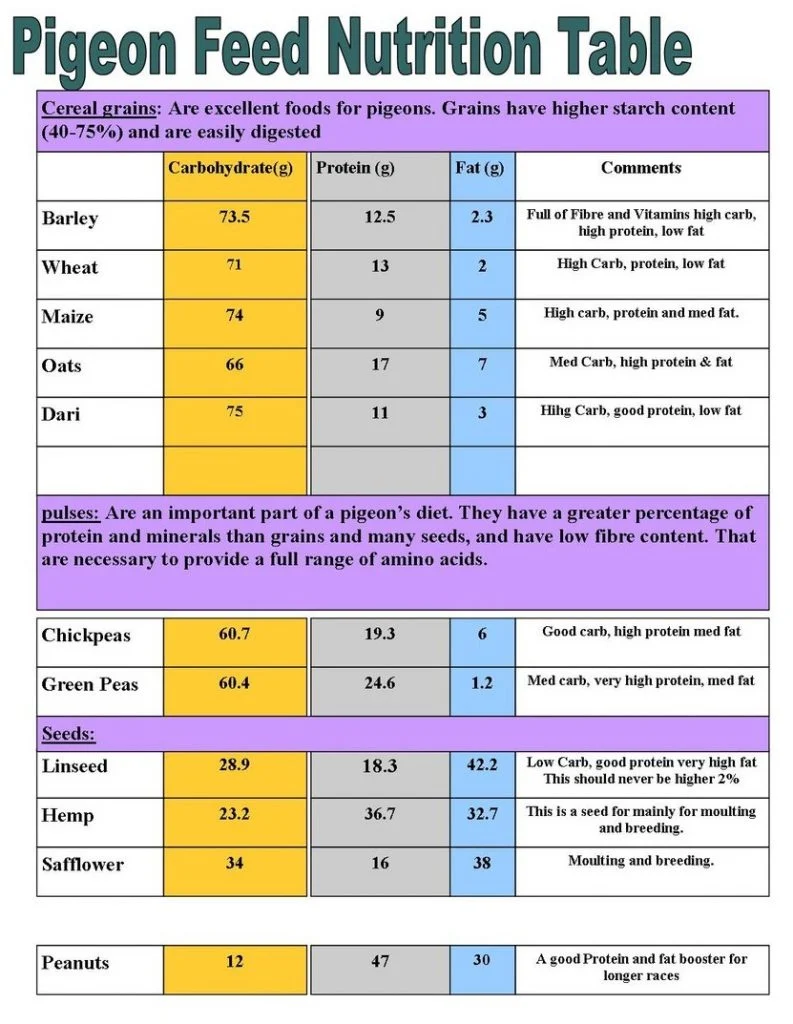
To understand why peanuts are prioritized, one must look at the fat percentages of common avian feeds. Traditional maize contains roughly 4% fat, while rolled oats offer 7%. In contrast, oil-rich seeds provide a much higher energy floor:
- Sunflower Seeds: 28% fat
- Hempseed: 32% fat
- Linseed: 34% fat
- Rapeseed: 42% fat
- Peanuts: ~45-50% fat (depending on variety)
The efficiency of the peanut is such that 5.7 grams of peanuts provide the same caloric value as 10 grams of a standard grain mixture. This allows a pigeon to carry a higher energy load with less physical bulk in the digestive tract—a critical advantage for aerodynamic efficiency.
Behavioral and Motivational Implications
Beyond pure physiology, the use of peanuts serves a psychological purpose in the loft, particularly in "widowhood" racing systems. In this system, male and female pigeons are kept separate and reunited only briefly to create a psychological "drive" to return home quickly.
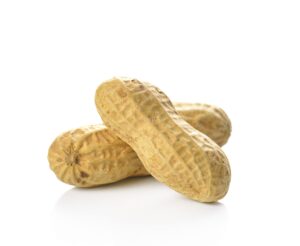
Fanciers use peanuts as a reward to increase the bird’s attachment to its nest box. By placing a few peanut halves in the feeder when a widower returns from exercise, the fancier reinforces the "home" bond. This taming effect makes the birds more manageable and less stressed during handling. Furthermore, for widowhood hens, the high-energy treat increases their "nest love," making them more aggressive in protecting their territory and more focused during the flight home. Dr. Meyer notes that even with fourteen weeks of straight racing, this feeding method prevents issues like "lesbian activity" or premature egg-laying among racing hens, as their nutritional and psychological needs are fully met.
Historical Context: The Case of Eduard Pape
The efficacy of a peanut-centric diet is not merely theoretical. A historical precedent was set by Eduard Pape of Hamburg, a dockworker who unloaded peanuts for oil mills following World War II. Due to the scarcity of traditional grains and the availability of spilled peanuts, Pape fed his racing team exclusively on peanuts. Despite the unconventional diet, his birds achieved extraordinary results, particularly in difficult, long-distance races. His success provided early empirical evidence that pigeons could thrive and compete on a high-lipid diet, provided the portions were carefully controlled to prevent obesity.
Analysis of Risks and Best Practices
While the benefits of peanut supplementation are clear, the practice requires precision. Overfeeding peanuts can lead to excessive weight gain, which increases the "wing load" and can hinder a bird’s speed in short, fast races.
Furthermore, the quality of the peanuts is paramount. Peanuts are susceptible to Aspergillus flavus, a fungus that produces aflatoxins, which are highly toxic to birds and can cause permanent liver damage. Professional fanciers are advised to purchase "human-grade" peanuts or those specifically tested for toxins by reputable feed companies. Dr. Meyer also suggests breaking the nuts into smaller pieces using a kitchen machine. This ensures that even the less aggressive birds in the loft—who are often the most talented racers—receive their fair share before the "fast eaters" consume the entire supply.
Broader Impact on the Sport and Animal Welfare
The shift toward high-fat feeding represents a significant advancement in the welfare of racing pigeons. By providing a fuel source that prevents the body from consuming its own muscle tissue, fanciers ensure that their birds return from races in better physical condition. This reduces the "recovery window" and allows for a more consistent racing season without compromising the bird’s long-term health.
As pigeon racing continues to evolve into a more professionalized and scientifically-driven sport, the role of ortho-molecular nutrition—providing the right molecules in the right amounts—will remain at the forefront. The peanut, once considered a mere treat, has been reclassified as a vital strategic asset. For the modern fancier, the "handful of peanuts in the pocket" is more than a gesture of affection; it is a calculated contribution to the bird’s endurance, motivation, and ultimate victory on the racecourse.

