
In an upcoming educational webinar, renowned avian veterinarian Dr. Stephanie Lamb will delve into the complex and often sensitive subject of avian neoplasia, commonly referred to as cancer in birds. Scheduled for Friday, April 10, 2026, at 12:00 p.m. PST, the "Avian Vet Insider" session will provide pet bird owners and enthusiasts with comprehensive insights into the diverse range of neoplastic conditions affecting avian species. This marks the first part of a two-part series dedicated to this critical aspect of avian health.
The webinar aims to demystify avian neoplasia, a broad category encompassing a spectrum of cellular abnormalities that can manifest as benign growths or aggressive, life-threatening diseases. Dr. Lamb’s presentation will cover both the more frequently encountered types of cancer in pet birds and rarer, less understood neoplastic conditions. The session is designed for a wide audience, including those who may have personal experience with avian cancer within their flocks or individuals seeking to deepen their knowledge of bird health and disease.
Understanding Avian Neoplasia: A Growing Concern
Avian neoplasia represents a significant challenge in veterinary medicine due to the unique physiology of birds and the often subtle signs of illness they exhibit. Unlike many mammalian pets, birds are prey animals and instinctively conceal signs of weakness or disease to avoid predation. This can lead to delayed diagnosis and treatment, impacting prognosis.
The term "neoplasia" refers to the uncontrolled and abnormal growth of cells, forming a mass or tumor. These tumors can be benign, meaning they do not spread to other parts of the body, or malignant, characterized by their ability to invade surrounding tissues and metastasize to distant organs. The specific type of neoplasm depends on the cell of origin and its behavior.
According to research published in avian veterinary journals, a variety of cancers have been identified in pet bird species, with incidence rates varying by species, age, and environmental factors. Common sites for neoplastic development include the skin, reproductive organs, liver, spleen, and lymphatic system. For instance, lipomas (benign fatty tumors) are frequently observed in certain species, while more aggressive tumors like squamous cell carcinomas and various sarcomas can pose serious health risks.
Webinar Details and Chronology
The "Avian Vet Insider" webinar, "Avian Neoplasia, Part 1," is scheduled for Friday, April 10, 2026. The broadcast will commence promptly at 12:00 p.m. Pacific Standard Time (PST). Participants are strongly advised to verify their local time by utilizing a reliable time zone converter, as the webinar’s start time will be specific to PST. This forward-planning approach to educational content underscores a commitment to accessible veterinary knowledge.
This webinar is the latest in a series hosted by the "Avian Vet Insider" program, which has consistently provided valuable educational resources for bird owners and veterinary professionals. Previous sessions have addressed topics ranging from common avian diseases to advanced diagnostic techniques, building a reputation for delivering high-quality, expert-led content.
The decision to dedicate a two-part series to avian neoplasia highlights the complexity and breadth of the subject matter. Part 1 will lay the foundational knowledge, introducing the fundamental concepts of neoplasia in birds, common presentations, and initial diagnostic considerations. Part 2, expected to follow at a later date, will likely delve deeper into specific treatment modalities, prognostication, and advanced management strategies.
Dr. Stephanie Lamb: A Leading Voice in Avian Medicine
Dr. Stephanie Lamb, the featured speaker for this webinar, is a distinguished figure in the field of avian veterinary medicine. Her expertise encompasses a broad range of avian health issues, with a particular focus on internal medicine and oncology. Dr. Lamb’s commitment to advancing avian care is reflected in her active participation in professional organizations, her contributions to scientific literature, and her dedication to educating the veterinary community and pet owners alike.
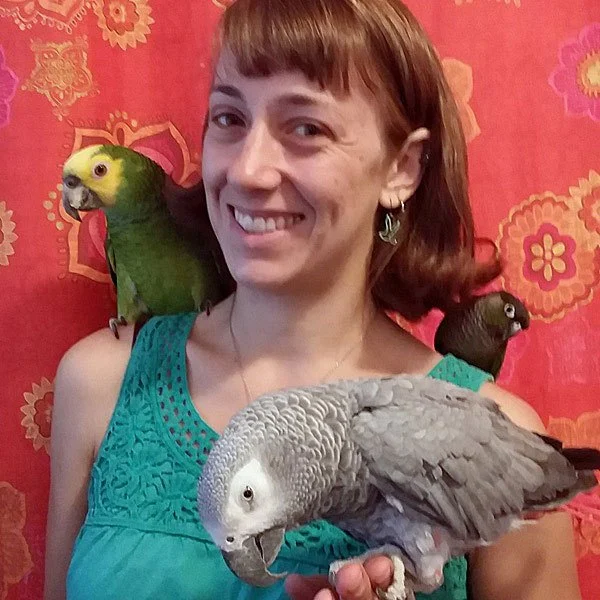
Her professional background includes extensive clinical experience with a diverse array of avian species, from common companion birds like parrots and finches to more exotic avian patients. This broad experience allows her to draw upon a wealth of practical knowledge, enabling her to discuss the nuances of neoplasia across different species. Images often associated with Dr. Lamb’s work frequently depict her interacting with various parrot species, such as Amazons and African Greys, showcasing her hands-on approach and deep connection with her patients.

The webinar’s visual materials, including the accompanying photograph of Dr. Lamb with Amazon and African Grey parrots, serve to personalize the educational experience and reinforce her credibility as an expert in avian care. This visual representation underscores the practical, real-world application of the knowledge she will be sharing.
Implications and Background Context
The increasing prevalence of pet ownership, coupled with advances in veterinary diagnostics and care, has led to a greater awareness of chronic diseases like cancer in companion animals, including birds. As birds live longer, healthier lives due to improved husbandry and veterinary attention, they become more susceptible to age-related conditions, including neoplastic diseases.
The implications of avian neoplasia extend beyond the individual bird’s health. For owners, a cancer diagnosis can be emotionally challenging and financially demanding. Understanding the disease, its potential causes, and available treatment options is crucial for making informed decisions and providing the best possible care.
Background context for this webinar lies in the evolving landscape of avian diagnostics. Historically, diagnosing cancer in birds was significantly more challenging. However, advancements in imaging technologies such as radiography, ultrasonography, and computed tomography (CT) scans, along with sophisticated laboratory analyses including cytology and histopathology, have significantly improved the ability to detect, diagnose, and stage avian cancers. This webinar will likely touch upon these diagnostic modalities, providing owners with an understanding of what to expect if their bird requires investigation for a potential mass.
Furthermore, the genetic predispositions of certain bird species to specific types of cancer are an area of ongoing research. For example, some studies have suggested potential genetic links to certain lymphomas or sarcomas in specific breeds of parrots. While this webinar may not delve into the minutiae of genetic research, it will undoubtedly provide a comprehensive overview of the types of cancers that owners are most likely to encounter, offering practical guidance for proactive health management.
Supporting Data and Analysis
While specific statistical data on the prevalence of all avian neoplasms is complex to aggregate comprehensively due to variations in reporting and the diverse range of species, certain trends and observations are consistently noted in veterinary literature. For instance, in a review of avian tumors submitted for histopathological diagnosis, certain types of neoplasms appear with greater frequency.
- Lipomas and Adenomas: Benign tumors, particularly lipomas (fatty tumors) and adenomas (glandular tumors), are frequently diagnosed, especially in overweight birds. Species like budgerigars and cockatiels are often cited as being predisposed.
- Reproductive Tract Neoplasia: In intact female birds, tumors of the reproductive tract, such as ovarian or oviduct tumors, are a significant concern. These can range from benign cystic conditions to malignant carcinomas and sarcomas. The stress of egg-laying cycles and hormonal imbalances can contribute to their development.
- Lymphoma: Malignant lymphoma, a cancer of the lymphatic system, is another serious concern in birds. It can affect various organs, including the liver, spleen, and kidneys, and often presents with non-specific signs such as lethargy, weight loss, and abdominal distension.
- Skin Neoplasms: Squamous cell carcinomas and other skin tumors are also observed, particularly in older birds or those with a history of chronic skin irritation or sun exposure (though direct sun exposure is generally discouraged for most pet birds).
- Macaw Wasting Disease (PBFD-associated issues): While not solely a neoplastic disease, the psittacine beak and feather disease (PBFD) virus can, in some cases, be associated with secondary complications or a compromised immune system that may predispose birds to other health issues, including certain types of tumors.
The analysis of these conditions points to several key factors influencing their occurrence:
- Age: As birds age, their risk of developing neoplastic diseases increases, mirroring trends seen in other animal species.
- Diet and Obesity: A poor diet, high in fat and sugar, and resulting obesity are strongly linked to the development of benign tumors like lipomas and can exacerbate other health issues.
- Genetics: Certain species and even individuals within species may have a genetic predisposition to specific cancers.
- Hormonal Influences: Reproductive hormones play a critical role, especially in female birds, influencing the development of reproductive tract tumors.
- Environmental Factors: While less extensively studied in birds compared to other species, chronic inflammation or exposure to certain environmental toxins could theoretically play a role.
Anticipated Content and Expert Insights
Based on the webinar’s description, Dr. Lamb is expected to provide practical advice for pet bird owners. This likely includes:
- Recognizing Signs of Neoplasia: Early detection is paramount. Dr. Lamb will probably discuss subtle changes in behavior, appetite, droppings, or the appearance of physical masses that owners should monitor.
- Common Cancer Types: Detailed descriptions of the most frequently encountered cancers, including their typical presentations and affected species.
- Rarer Cancers: An introduction to less common but still significant neoplastic conditions, raising awareness among owners and potentially prompting earlier investigation if symptoms arise.
- Diagnostic Pathways: An overview of the diagnostic process, from initial veterinary examination to advanced imaging and biopsies, to help owners understand what to expect if their bird is suspected of having cancer.
- Prognosis and Management: While Part 1 may focus more on identification and diagnosis, Dr. Lamb might offer preliminary insights into factors influencing prognosis and the general approaches to managing avian cancers, setting the stage for more detailed discussions in Part 2.
The format of the "Avian Vet Insider" webinar typically includes a presentation followed by a live question-and-answer session, allowing participants to engage directly with the expert and seek clarification on specific concerns. This interactive element is invaluable for translating complex medical information into actionable advice for pet owners.
The "Avian Vet Insider" webinar series represents a significant initiative in providing accessible, expert-driven education on critical avian health topics. By focusing on avian neoplasia, Dr. Stephanie Lamb and the organizers are addressing a growing concern within the pet bird community, empowering owners with the knowledge to better protect and care for their feathered companions. The anticipation for this informative session, particularly for those who have faced or wish to understand avian cancer, is considerable.
