
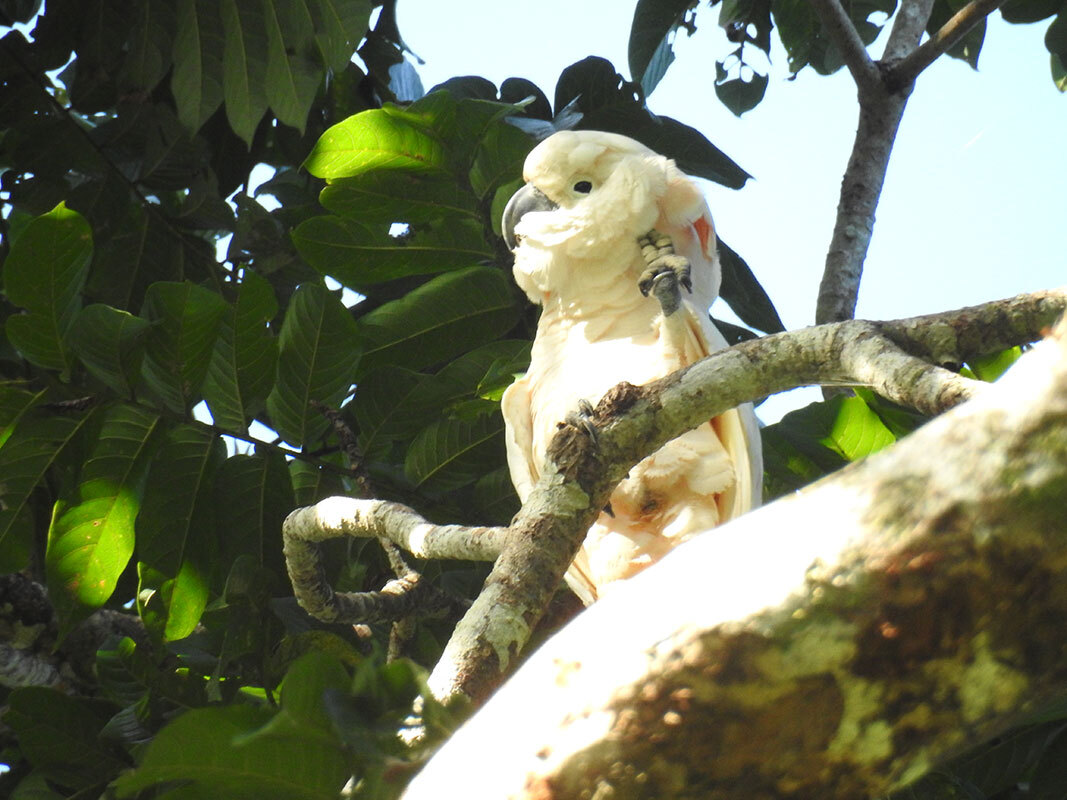
The salmon-crested cockatoo, scientifically known as Cacatua moluccensis, stands as an emblem of Indonesia’s rich biodiversity, yet its existence hangs precariously in the balance. Endemic to the lush island of Seram, the largest and primary island in the Maluku province of eastern Indonesia, this magnificent bird is characterized by its soulful dark eyes and a breathtaking crest of peachy-pink feathers. Beyond its striking appearance, the Moluccan cockatoo possesses a powerful voice, capable of reaching an astonishing 135 decibels, making it one of the loudest species within the parrot family. This remarkable vocalization, however, is increasingly overshadowed by the grim reality of its endangered status.
A Dire Conservation Status and Historical Decline
The plight of the Moluccan cockatoo is underscored by its listing on Appendix I of the Convention on International Trade in Endangered Species of Wild Fauna and Flora (CITES) since 1989. This designation signifies a complete prohibition on international trade of wild-caught specimens, a crucial measure aimed at curbing the rampant exploitation that has driven the species to the brink. Further solidifying its vulnerable position, the Moluccan cockatoo is also listed as endangered on the International Union for Conservation of Nature (IUCN) Red List. Historically, the species’ distribution extended to several satellite islands of Seram, including Haruku, Saparua, and Nusa Laut. Tragically, these populations have been declared extinct, a stark testament to the escalating pressures faced by the remaining wild birds. The primary drivers behind this dramatic decline are well-documented: relentless trapping for the illegal pet trade and the pervasive loss of its natural habitat due to deforestation and land development.
Data from the IUCN highlights the severity of the situation, with population estimates indicating a significant downward trend over the past decades. While precise, up-to-the-minute figures are challenging to ascertain for such elusive populations, conservation assessments consistently point to critically low numbers in the wild. The species’ resilience is further tested by its long lifespan. A 2012 study examining parrot lifespan data identified a salmon-crested cockatoo as the oldest known parrot, reaching an impressive 92 years of age. This longevity, while a testament to the species’ inherent vitality, also means that recovery from population depletion can be a slow and arduous process. The challenges of maintaining these birds in captivity, where they require extensive space, specialized diets, and constant enrichment to thrive, further amplify the urgency of preserving their natural Indonesian habitat.
Cultural Significance and the Sacred Cidaku Ritual
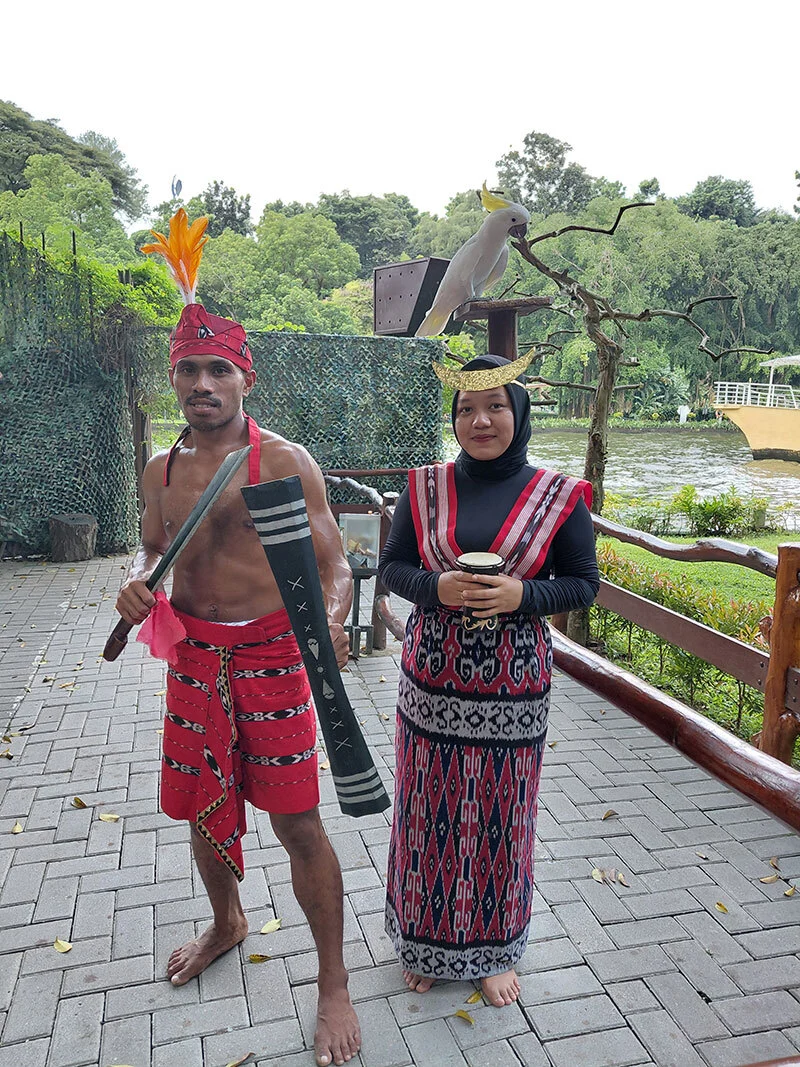
The Moluccan cockatoo, known locally in North Seram as "lakam," holds profound cultural and spiritual significance for the Huaulu indigenous tribe. For generations, this vibrant and intelligent bird has been intricately woven into the fabric of their traditions and identity. A pivotal rite of passage for young Huaulu men, marking their transition into adulthood, involves the sacred Cidaku ceremony. This ritual necessitates the acquisition of prized salmon-colored feathers from the Moluccan cockatoo, which are then meticulously incorporated into a ceremonial headdress known as a puheliam.
The Cidaku ceremony is conducted with a deep sense of order and respect, adhering strictly to the birth order of males within a family. The ritual cannot be performed more than once in a single year for any given family, underscoring its solemnity and the value placed upon it. The pink crest feather of the cockatoo is not merely an adornment; it is a potent symbol. It represents the essence of sacred life, embodying the immense strength and unwavering courage that mirrors the cockatoo’s alert and defiant stance when its crest is erect. Furthermore, the crest symbolizes the protective spirit of an adult male, guarding his sanctity, self-respect, and vigilance against perceived threats. This deep-seated cultural reliance on the cockatoo’s feathers has, for centuries, shaped the relationship between the Huaulu people and the bird, creating a complex interplay between cultural heritage and conservation imperatives.
A Groundbreaking Agreement: Bridging Tradition and Conservation

Recognizing the delicate balance between cultural practices and the urgent need for conservation, a significant breakthrough occurred in 2019. Perkumpulan Konservasi Kakatua Indonesia (KKI), an Indonesian non-governmental organization dedicated to parrot conservation, initiated a forward-thinking proposal. KKI offered to provide molted salmon-crested cockatoo feathers from its Rehabilitation Center to the Huaulu indigenous community. This initiative aimed to sustainably source the feathers required for the Cidaku ritual, thereby alleviating the pressure on wild populations.
The proposal was met with considerable collaboration and understanding. In October 2019, a formal agreement was signed by the Head of Huaulu village, with the event witnessed by various local officials. This landmark accord also garnered acknowledgment and approval from the Ministry of Forestry, marking a monumental step towards safeguarding the future of wild Moluccan cockatoos. This agreement represented a critical shift, demonstrating that traditional cultural practices and modern conservation goals could indeed be harmonized.
Ongoing Challenges and Future Prospects
Despite the successful establishment of the feather collection agreement, the path towards complete conservation remains fraught with challenges. Monitoring the traditional Cidaku ceremonies to ensure the exclusive use of molted feathers, rather than those directly sourced from wild birds, is an ongoing and complex endeavor. While the official agreement was forged seven years ago, not all stakeholders have fully embraced the feather collection program, highlighting the need for continued engagement and education.
KKI remains steadfast in its commitment to honoring the agreement, diligently providing crest feathers from its rehabilitation facility. The organization also prioritizes maintaining intensive and open communication with the Huaulu tribe. This includes the regular organization of workshops and educational sessions for community members, which have consistently seen high attendance rates, indicating a growing awareness and commitment within the tribe.
Looking ahead, KKI harbors ambitious plans to expand its conservation initiatives, fostering even greater active participation from the Huaulu community. A key objective is the formation of a dedicated "Parrot Squad," a community-led initiative focused on monitoring and protecting the cockatoos in their natural habitat. Furthermore, KKI is actively collaborating with the Huaulu tribe to explore and develop alternative income-generating opportunities, such as community-based ecotourism. By providing sustainable economic alternatives, the aim is to further underscore the intrinsic value of preserving the Moluccan cockatoo and enhancing its conservation status for generations to come. The success of these endeavors hinges on continued collaboration, unwavering commitment, and a shared vision for a future where the majestic salmon-crested cockatoo can thrive in its ancestral Indonesian home.

This month, Lafeber’s commitment to avian welfare extends to supporting KKI’s vital conservation efforts for the magnificent salmon-crested cockatoo, recognizing the multifaceted approach required to secure the survival of this iconic species.
