
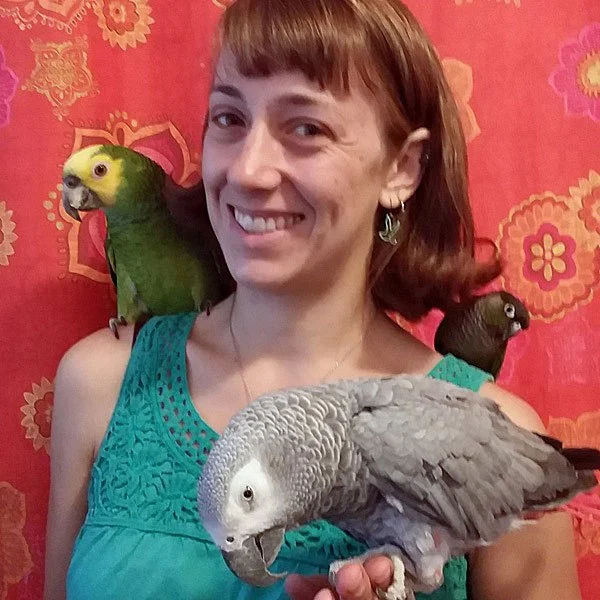
LAKEWOOD, CO – On Friday, April 10, 2026, at 12:00 p.m. PST, avian veterinarians and concerned pet bird owners will convene virtually for the next installment of the "Avian Vet Insider" webinar series. This session, titled "Avian Neoplasia, Part 1," will feature Dr. Stephanie Lamb, a distinguished figure in avian veterinary medicine, who will delve into the complex and often distressing topic of cancer in birds. The webinar aims to provide a comprehensive overview of neoplastic diseases affecting avian species, covering both common presentations and rarer forms of cancer.
The "Avian Vet Insider" series, hosted by Lafeber Company, a leader in avian nutrition and health, has established itself as a crucial platform for disseminating cutting-edge information and best practices within the avian veterinary community and among dedicated bird enthusiasts. Previous webinars have addressed a range of topics, from infectious diseases and behavioral issues to advanced surgical techniques, consistently drawing a broad audience of professionals and owners seeking to enhance their understanding and care of pet birds. This upcoming session on neoplasia is particularly significant due to the multifaceted nature of cancer and its profound impact on bird health and well-being.
Dr. Stephanie Lamb, whose expertise in avian oncology is widely recognized, will guide participants through the intricate landscape of avian neoplasia. The term "neoplasia" broadly refers to abnormal and uncontrolled cell growth, which can manifest as benign growths or malignant tumors. These conditions can range from localized skin masses that are relatively benign to aggressive, systemic diseases that are challenging to treat and may ultimately be incurable. The webinar’s focus on distinguishing between common and rare presentations underscores the importance of early detection, accurate diagnosis, and tailored treatment strategies.
Understanding Avian Neoplasia: A Growing Concern
Neoplastic diseases represent a significant diagnostic and therapeutic challenge in avian medicine. While historically less emphasized than in mammalian species, research and clinical observations have increasingly highlighted the prevalence and diversity of cancers in birds. Factors contributing to this increased awareness include advancements in diagnostic imaging, laboratory analysis, and a growing population of companion birds living longer, healthier lives, thereby increasing their lifetime risk of developing age-related diseases like cancer.
The spectrum of avian neoplasia is broad, encompassing a wide array of tumor types affecting various organ systems. These can include:
- Lymphoproliferative disorders: Cancers affecting lymphocytes and other immune cells, often presenting as systemic illness or specific organ involvement.
- Dermatological neoplasms: Tumors of the skin and feather follicles, which can vary from benign papillomas to more aggressive squamous cell carcinomas.
- Hepatic and splenic tumors: Cancers arising from the liver or spleen, which are vital organs for metabolism and immune function.
- Renal and reproductive tract tumors: Neoplasms affecting the kidneys or the reproductive organs, particularly in older birds.
- Osteosarcomas and other bone tumors: Malignant tumors of the bone, which can be aggressive and painful.
- Gastrointestinal neoplasms: Cancers affecting the digestive tract, potentially leading to malabsorption and weight loss.
Dr. Lamb’s presentation is anticipated to shed light on the epidemiological trends of these diseases, offering insights into which species might be more predisposed to certain types of cancer. This information is invaluable for veterinarians in developing targeted screening protocols and for owners in recognizing subtle signs of illness.
The Importance of a Two-Part Series
The decision to dedicate two webinars to avian neoplasia reflects the complexity and breadth of the subject matter. Cancer in birds, as in other species, is not a singular entity but a complex group of diseases with diverse etiologies, clinical presentations, and prognoses. Covering this topic in a single session would likely necessitate a superficial treatment, leaving many critical aspects underexplored.
The first part, scheduled for April 10, 2026, will likely focus on foundational knowledge, including:
- Pathophysiology of avian cancers: Understanding the cellular and molecular mechanisms underlying tumor development in birds.
- Common types of avian neoplasms: Detailed discussion of frequently encountered cancers, their typical locations, and presenting signs.
- Diagnostic approaches: An overview of how veterinarians diagnose cancer in birds, including physical examinations, imaging techniques (radiography, ultrasonography, CT scans), and biopsies.
- Initial management strategies: General principles of treatment, including surgical options, medical therapies, and palliative care.
The subsequent "Part 2" session, details of which are yet to be announced, will presumably delve into more specialized areas, such as:

- Rarer avian cancers: Exploration of less common but significant neoplastic conditions.
- Advanced treatment modalities: In-depth discussion of chemotherapy, radiation therapy, immunotherapy, and novel therapeutic approaches.
- Prognostic factors and outcomes: Factors influencing the prognosis for different types of avian cancers.
- Client communication and support: Strategies for veterinarians to effectively communicate with owners about diagnosis, treatment options, and end-of-life care.
This structured approach ensures that participants gain a thorough and nuanced understanding of avian neoplasia, equipping them with the knowledge to make informed decisions regarding their patients’ or pets’ health.
Supporting Data and Background Context
While specific statistical data on the prevalence of avian neoplasia can vary significantly by species, geographic location, and diagnostic criteria, general trends indicate a growing concern. For instance, studies on certain psittacine species, such as African Greys and Amazons, have suggested a higher incidence of certain types of tumors, including lymphoma and kidney adenocarcinomas. In budgerigars, lipomas (benign fatty tumors) are relatively common, while in larger parrots, reproductive tract tumors and liver cancers are frequently encountered.
The Lafeber Company, as the organizer of the "Avian Vet Insider" series, has a long-standing commitment to advancing avian health. Founded by Dr. Gary Lafeber, a pioneer in avian nutrition, the company has consistently supported research and education in avian medicine. The webinar series represents a continuation of this mission, providing accessible, high-quality educational content to a global audience. The choice of Dr. Stephanie Lamb to lead this discussion underscores her recognized expertise and contributions to the field. Her professional background and potential research interests in avian oncology are likely to enrich the content of the webinar, offering practical insights derived from extensive clinical experience.
Reactions and Implications for Pet Bird Owners
For pet bird owners, the prospect of their beloved companion developing cancer can be a source of significant anxiety. The "Avian Vet Insider" webinar offers a valuable opportunity to demystify a complex disease and empower owners with knowledge. By understanding the potential signs and symptoms of neoplasia, owners can be more vigilant in monitoring their birds’ health and seek veterinary attention promptly. Early detection is often a critical factor in successful management, leading to better outcomes and potentially a higher quality of life for the affected bird.
The webinar’s emphasis on both common and rare cancers suggests that owners should be aware of a wide spectrum of possibilities. This includes subtle changes in behavior, appetite, weight, or the appearance of any lumps or swellings. Dr. Lamb’s expertise will likely provide clear guidance on what to look for and when to consult a veterinarian.
Furthermore, the webinar serves as a vital educational resource for veterinary professionals. It offers a platform to stay abreast of the latest advancements in avian oncology, share clinical experiences, and foster a collaborative approach to addressing these challenging cases. The exchange of knowledge within the veterinary community is essential for improving diagnostic accuracy, treatment efficacy, and ultimately, the welfare of avian patients.
Broader Impact and Future Directions
The "Avian Vet Insider" webinar on avian neoplasia, Part 1, represents a significant contribution to the ongoing efforts to improve the health and longevity of pet birds. By focusing on this critical area of avian medicine, the Lafeber Company and Dr. Stephanie Lamb are equipping both veterinarians and owners with essential knowledge. As avian medicine continues to evolve, with birds living longer and more complex diseases being recognized, educational initiatives like these are paramount.
The implications of this webinar extend beyond immediate understanding. It can stimulate further research into the causes, prevention, and treatment of avian cancers, potentially leading to breakthroughs in the future. As diagnostic tools become more sophisticated and treatment options expand, the prognosis for birds diagnosed with cancer may improve, offering hope to owners facing this difficult challenge. The success of this webinar will undoubtedly pave the way for future educational endeavors that continue to elevate the standard of care for avian companions worldwide.
Participants are encouraged to utilize the provided time zone converter to ensure they join the webinar at the appropriate local time. The interactive nature of such webinars often allows for Q&A sessions, providing a direct avenue for attendees to seek clarification and further insights from Dr. Lamb, making this a highly anticipated and valuable event in the avian veterinary calendar.
