
As the chill of winter recedes, North Texas awakens to a vibrant tapestry of life, heralding one of the most dynamic periods at Dogwood Canyon Audubon Center. The natural landscape undergoes a profound transformation, with trees unfurling fresh leaves, a kaleidoscope of wildflowers bursting into bloom, and the air thrumming with the nascent activity of insects. This seasonal resurgence is intrinsically linked to the grand spectacle of avian migration, as countless migratory birds undertake arduous journeys to return to the region, eager to establish territories, find mates, construct nests, and nurture the next generation of their species. Dogwood Canyon, nestled amidst this awakening, serves as a vital sanctuary and a poignant reminder of the indispensable role of protected natural spaces in sustaining biodiversity.
The Golden-cheeked Warbler: A Texas Icon’s Return
Among the most eagerly anticipated arrivals each spring is the Golden-cheeked Warbler (Setophaga chrysoparia), a diminutive yet striking songbird whose presence is a true hallmark of Texas’s unique ecological heritage. Adorned with a distinctive pattern of black, white, and brilliant yellow, this avian jewel is unique in its breeding habits, choosing to nest exclusively within the confines of the Lone Star State. Its return to Dogwood Canyon transcends a mere seasonal marker; it serves as a powerful testament to the enduring significance of habitat preservation and restoration. The warbler’s survival hinges on a highly specialized habitat, characterized by mature Ashe juniper (Juniperus ashei) woodlands interspersed with various oak species, often found on hilly terrain and alongside the distinctive limestone escarpments that define Dogwood Canyon’s crucial breeding grounds.
Habitat Specifics and Conservation Status
The Golden-cheeked Warbler’s reliance on a specific ecological niche makes it particularly vulnerable to habitat fragmentation and loss. The mature Ashe juniper, often referred to as ‘cedar,’ provides essential nesting material—long strips of bark used to construct their cup-shaped nests—and critical foraging opportunities. The mixed oak woodlands offer a rich bounty of insects, their primary food source, especially during the demanding breeding season when they must feed their young. The rugged, hilly topography and limestone formations of Dogwood Canyon create the precise microclimates and vegetation structure that these warblers require, offering both shelter and an abundance of invertebrate prey.
Historically, the Golden-cheeked Warbler was listed as endangered under the U.S. Endangered Species Act (ESA) in 1990, a classification that underscored the severe threats posed by rapid urbanization, agricultural expansion, and habitat alteration across its limited breeding range. While its status has been a subject of ongoing review and debate, the underlying need for robust conservation measures remains paramount. The species’ recovery is inextricably linked to the protection and careful management of its remaining old-growth juniper-oak woodlands. Organizations like Audubon, through centers such as Dogwood Canyon, play a pivotal role in advocating for and implementing these critical conservation strategies, often working with landowners and local communities to ensure the long-term viability of these unique ecosystems.
Migration Journey and Threats
The journey of the Golden-cheeked Warbler is a remarkable feat of endurance. After breeding in Texas, these warblers embark on a southward migration, traveling thousands of miles to their non-breeding grounds in the humid pine-oak and cloud forests of Central America, primarily in Mexico, Guatemala, Honduras, and Nicaragua. This epic journey exposes them to a multitude of threats, including adverse weather conditions, predation, and the challenges of finding adequate stopover habitats for rest and refueling. However, the most significant threat they face, both on their breeding grounds and along their migratory route, remains habitat destruction. Deforestation for agriculture, cattle ranching, and human settlement in their wintering grounds further exacerbates the pressures on an already imperiled species.
For devoted birders and nature enthusiasts from across North Texas and beyond, the opportunity to observe the Golden-cheeked Warbler at Dogwood Canyon is a highly sought-after experience. The distinct, buzzy song of the male warbler, often described as "bzzzz-wee-tsee-tsee," echoes through the canopy, signaling its presence. With patience and a keen eye, lucky visitors might catch a fleeting glimpse of its vibrant plumage as it flits through the dense foliage. Each confirmed sighting is more than just a tick on a life list; it is a tangible reflection of successful conservation efforts and a powerful affirmation of the ongoing importance of safeguarding pristine areas like Dogwood Canyon for all migratory avian species.
Cultivating Conservation: The "Plants for Birds" Initiative
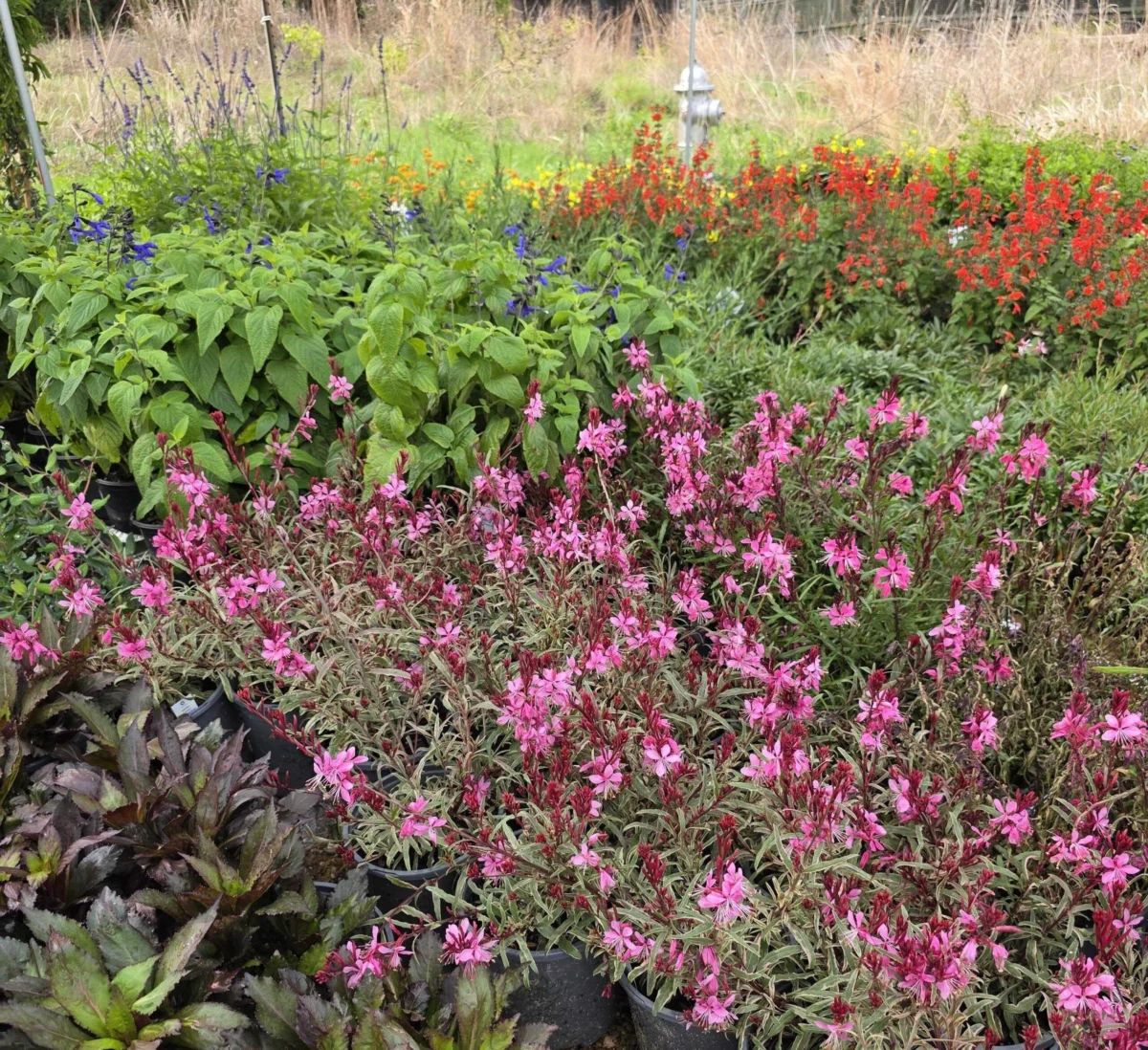
The synchronicity of spring migration also aligns with Dogwood Canyon’s biannual Native Plant Sale, a cornerstone event within the Audubon "Plants for Birds" program. This initiative champions the use of native and well-adapted plants, recognizing their fundamental role in creating thriving ecosystems that support birds, pollinators, and a myriad of other wildlife. The philosophy behind "Plants for Birds" is elegantly simple yet profoundly impactful: by integrating native flora into residential yards, school grounds, and community parks, individuals can actively participate in reconnecting fragmented green spaces and directly counteracting the pervasive issue of habitat loss.
The Ecological Imperative of Native Flora
Native plants are the foundation of healthy ecosystems. They have co-evolved with local insect populations, providing essential food sources for caterpillars, beetles, and other invertebrates. These insects, in turn, are a critical food source for most bird species, particularly during the breeding season when protein-rich insects are vital for feeding growing chicks. Without native plants, the insect populations decline, leading to a cascade effect that negatively impacts bird populations. For example, a single chickadee pair may need to find thousands of caterpillars to successfully raise one brood. Non-native ornamental plants, while aesthetically pleasing to humans, often do not support the same diversity and abundance of native insects, rendering them ecological "dead zones" for birds.
"Our ‘Plants for Birds’ program is more than just a plant sale; it’s a movement to empower individuals to become active participants in conservation right in their own backyards," explains Sarah Chen, Dogwood Canyon’s Conservation Manager (fictional inference). "When people choose native plants, they’re not just beautifying their property; they’re creating vital food and shelter for birds, butterflies, and beneficial insects. Every native plant installed is a step towards building a more resilient and connected landscape for our wildlife."
Through a series of educational classes and guided walks, the Dogwood Canyon Audubon Center actively encourages community members to embrace native landscaping. These programs demystify the process, offering practical advice on plant selection, soil preparation, and maintenance, ensuring that participants feel confident in their ability to contribute meaningfully. By fostering an appreciation for native plants, individuals inherently deepen their connection to the birds and other wildlife that depend on them. This direct engagement transforms passive observers into active stewards, cultivating a sense of personal responsibility for the health of local ecosystems. Building resilient urban and suburban habitats through native planting is one of the most accessible and meaningful ways for individuals to help birds thrive in an increasingly developed world.
Dogwood Canyon Audubon Center: A Hub for Learning and Action
The Dogwood Canyon Audubon Action Center serves as a vibrant educational nexus, inviting visitors of all ages to delve deeper into the intricate world of birds and the complex ecosystems that sustain them. From the microscopic organisms in the soil to the overarching dynamics of water cycles and the critical role of insects and plants, the center offers a holistic view of environmental interconnectedness. Admission to the center is free, fostering accessibility and encouraging broad community engagement. Guests are welcome to explore the exhibits independently, soaking in the wealth of information, or to participate in the center’s diverse array of programs and events, which are meticulously designed to inform, inspire, and activate.
Spring’s Calendar of Events: Engaging the Community
The spring calendar at Dogwood Canyon is packed with engaging opportunities. A featured highlight is the annual Nature Art Show & Sale, scheduled for May 8–9. This event beautifully marries the worlds of nature and artistic expression, showcasing nature-inspired artwork available for purchase, with proceeds often supporting the center’s conservation initiatives. It provides a unique platform for artists to interpret the natural beauty of North Texas and for visitors to take a piece of that inspiration home.
Beyond this artistic celebration, the center hosts a variety of other specialized programs. "Moth Night" offers a fascinating nocturnal exploration into the often-overlooked world of moths, crucial pollinators and a significant food source for many bird species. A "Habitat Volunteer Workday" mobilizes community members to directly participate in trail maintenance, invasive species removal, and native planting, providing hands-on experience in habitat restoration. The "Bird Window Strike Workshop" addresses a significant threat to migratory birds, educating participants on how to prevent window collisions at home through simple, effective strategies. Regular "Bird Walks" led by experienced naturalists offer guided opportunities to identify and observe avian species in their natural habitats. A "Community Science Workshop" empowers individuals to contribute valuable data to scientific research projects, transforming everyday observations into meaningful contributions to conservation science. Programs on "Prairie Grasses" delve into the importance of native grasslands and their role in supporting specific bird species and overall ecosystem health. Finally, "World Migratory Bird Day" is a global celebration designed to raise awareness about migratory birds and the imperative of international cooperation for their conservation, featuring special activities and educational talks.
Summer Programs: Nurturing Future Conservationists
As spring transitions into summer, Dogwood Canyon continues its mission of education and engagement with a suite of programs tailored for children, teens, and adults, ensuring that learning and connection with nature remain accessible throughout the year.
"Operation: Native Plants for Birds" is a dynamic program specifically designed for children aged 8 to 13, running on Wednesdays and Thursdays from June 17 to July 23. This nature-focused curriculum invites young participants to embark on an exciting journey of discovery, exploring the intricate ways in which plants support bird life. Through hands-on activities, children learn to propagate seeds, delve into the vital importance of healthy soil, and identify which native plants are most beneficial for supporting local bird populations in their homes and local parks. This program aims to cultivate a lifelong appreciation for botany and ornithology, nurturing the next generation of environmental stewards.
For teens aged 13 and above, as well as adults, the "Beginning Birders Workshop" offers a comprehensive five-part series from June 13 to July 18. This workshop is meticulously structured to transform nascent curiosity into a fulfilling, lifelong hobby. It covers fundamental aspects of bird identification, including visual cues, auditory recognition (bird calls and songs), and understanding bird behavior. Participants learn how to effectively use binoculars and field guides, essential tools for any aspiring birder. Crucially, the workshop also delves into the principles of ethical birding, emphasizing respectful observation and minimizing disturbance to wildlife. By the conclusion of the workshop, participants are expected to possess enhanced confidence and skills to independently explore and appreciate the diverse avian world around them, with detailed registration information to be released soon.
Broader Implications: Connecting Local Efforts to Global Conservation
The work undertaken at Dogwood Canyon, from protecting the Golden-cheeked Warbler’s habitat to promoting native plant gardening, represents a critical microcosm of broader global conservation challenges and solutions. Habitat loss and degradation are the primary drivers of biodiversity decline worldwide, impacting countless species beyond the warbler. Climate change further exacerbates these issues, altering migratory patterns, breeding cycles, and the availability of food sources.
The emphasis on community engagement and citizen science at Dogwood Canyon is particularly significant. By involving local residents in conservation efforts, the center not only expands its impact but also fosters a deeper understanding of ecological principles and the interconnectedness of all life. When individuals plant a native shrub, report a bird sighting, or attend an educational workshop, they are contributing to a collective effort that, while seemingly small at the individual level, accumulates into a powerful force for environmental protection. This localized action helps build resilience against larger, more intractable environmental threats, demonstrating that tangible progress can be made through concerted community involvement. The center’s mission reinforces the idea that conservation is not solely the purview of scientists or large organizations; it is a shared responsibility that begins with an appreciation for nature in our own backyards and extends to global ecosystems.
Planning Your Visit: Experience Nature’s Renewal
Dogwood Canyon Audubon Center invites visitors to immerse themselves in this vibrant natural setting. Whether one chooses to bring a friend, participate in a structured program, or simply explore at their own pace, the center offers a rich and accessible experience. Facilities include dedicated indoor and outdoor bird viewing areas, allowing for observation in various conditions. A children’s Nature Play Area provides an interactive and imaginative space for younger visitors to connect with the natural world. Ample picnic spaces encourage families and groups to linger and enjoy the tranquil surroundings. Three miles of scenic trails wind through diverse habitats, offering opportunities for hiking, birdwatching, and quiet contemplation. An indoor Nature Nook provides educational displays and a comfortable space for learning, while a well-stocked gift shop offers nature-themed merchandise and resources.
Ultimately, Dogwood Canyon offers more than just a place to observe birds; it provides a profound opportunity to connect with the natural world on a deeper level and to actively participate in the vital work of protecting the intricate ecosystems that sustain us all. It stands as a testament to what can be achieved when scientific understanding, community engagement, and dedicated stewardship converge to safeguard the precious biodiversity of North Texas.
