
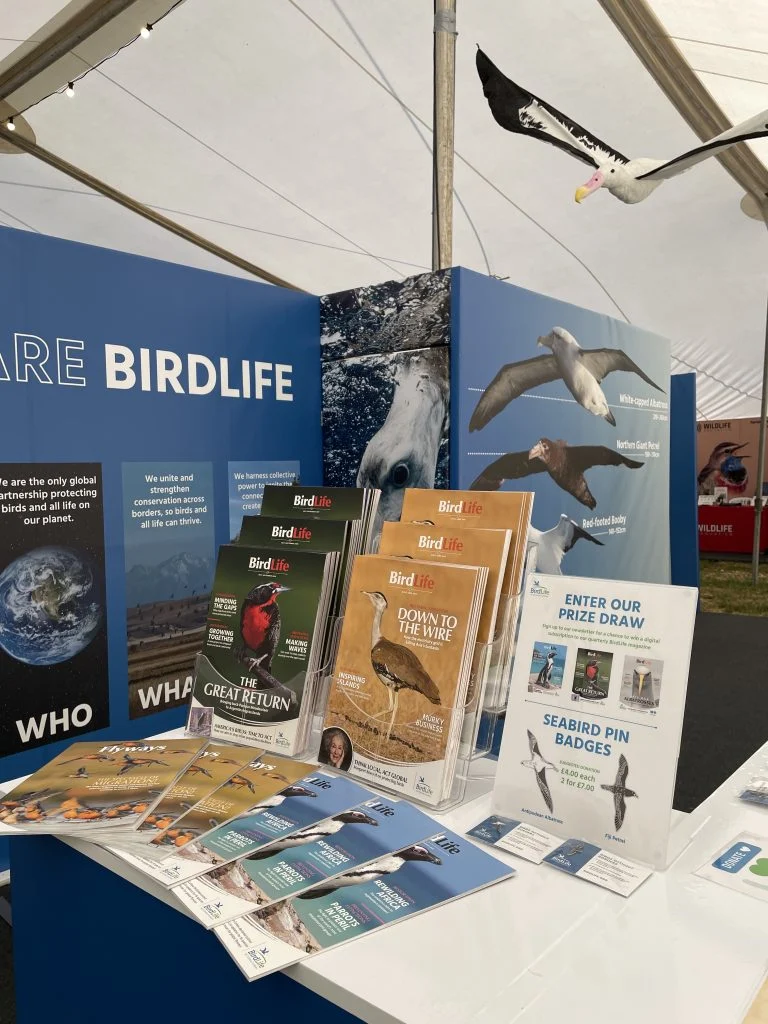
The world’s largest annual celebration of birds, Global Birdfair 2026, is set to convene at Rutland Water, UK, from July 10th to 12th, generating immense support for critical bird conservation efforts. This year, the event will strategically direct its considerable fundraising power towards BirdLife International’s vital work in São Tomé and Príncipe, an island nation off the western equatorial coast of Africa, focusing on preventing the extinction of some of the planet’s most imperiled avian species. The initiative aims to provide a lifeline for three critically endangered endemic birds: the Dwarf Ibis, the São Tomé Grosbeak, and Newton’s Fiscal, species found nowhere else on Earth.
The Urgent Plight of São Tomé’s Avian Jewels
São Tomé and Príncipe, a volcanic archipelago nestled in the Gulf of Guinea, is a biodiversity hotspot often referred to as the "Galapagos of Africa." Its isolation has fostered a unique evolutionary trajectory, leading to an exceptionally high rate of endemism – species found exclusively within its borders. Among its most precious, yet vulnerable, inhabitants are the three avian species highlighted by Global Birdfair 2026.
The Dwarf Ibis (Bostrychia bocagei), also known as Bocage’s Ibis, is a remarkably elusive bird, one of the smallest ibises globally, restricted to the dense, humid primary forests of São Tomé. Its secretive nature and reliance on pristine forest habitats make it particularly susceptible to habitat degradation. Listed as Critically Endangered on the IUCN Red List, its population is estimated to be fewer than 250 mature individuals, making every conservation effort paramount.
Equally imperiled is the São Tomé Grosbeak (Crithagra concolor), a large, robust finch that is arguably the largest canary in the world. Its striking appearance and powerful bill, adapted for cracking large seeds, are unique. Like the Dwarf Ibis, it inhabits the island’s montane forests and is also Critically Endangered, with a population thought to be similarly low and facing similar threats. Historically, it was believed to be extinct for decades before its rediscovery, underscoring its rarity and the challenges of monitoring such elusive species.
Rounding out this trio is Newton’s Fiscal (Lanius newtoni), a shrike endemic to São Tomé. This predatory passerine is characterized by its distinctive plumage and its habit of impaling prey on thorns. Its extremely small range, coupled with habitat loss, places it in a precarious position, also classified as Critically Endangered by the IUCN. These three species are not merely birds; they are living testaments to the island’s unique ecological heritage, their fates inextricably linked to the health of São Tomé’s remaining forests.
The threats facing these species are multifaceted and intensifying. Primary among them is habitat destruction driven by agricultural expansion, particularly for cocoa and coffee plantations, and illegal logging. While São Tomé boasts significant forest cover, fragmentation and degradation of these crucial habitats directly impact species with specialized requirements. Furthermore, invasive alien species, such as rats, feral cats, and monkeys introduced by human activity, pose a severe threat through predation on eggs, chicks, and adult birds, and competition for resources. Climate change adds another layer of complexity, with potential impacts on rainfall patterns, temperature regimes, and sea levels, further stressing already fragile ecosystems. The limited geographical range of island endemics means they have nowhere else to go when their habitats are compromised, making them exceptionally vulnerable to extinction.

Global Birdfair: A Beacon for Conservation Fundraising
Global Birdfair has a storied history, evolving from the highly successful British Birdfair, which first took place in 1989. Founded by Tim Appleton MBE and Penny Robinson, the event rapidly grew into the largest of its kind, establishing itself as an indispensable annual gathering for birdwatchers, conservationists, researchers, and the wildlife optics industry. Over decades, it has raised millions of pounds for bird conservation projects worldwide, making tangible differences to species and habitats across continents.
The transition to Global Birdfair marked an ambitious expansion of its mission, aiming to foster even greater international collaboration and support for global biodiversity. Held at the picturesque Rutland Water, one of Europe’s most important wetlands, the fair offers a unique blend of commerce, education, and community. Its success lies not just in its scale but in the passionate dedication of its organizers, volunteers, and attendees who share a common commitment to the natural world. For many, it is more than an event; it is a pilgrimage, a chance to connect with like-minded individuals, learn about cutting-edge conservation, and contribute directly to meaningful projects. The fair’s long-standing reputation as a reliable and effective fundraising platform makes its annual choice of beneficiary a powerful declaration of conservation priorities. This year’s focus on São Tomé and Príncipe underscores the urgent global attention needed for island ecosystems.
The São Tomé Project: A Lifeline for Survival
The funds generated by Global Birdfair 2026 will directly bolster BirdLife International’s comprehensive conservation project in São Tomé. The initiative is designed around a multi-pronged strategy to address the immediate and long-term threats to the Dwarf Ibis, São Tomé Grosbeak, and Newton’s Fiscal.
A core component of the project involves filling critical knowledge gaps. Despite their iconic status, much remains unknown about the precise population sizes, distribution patterns, breeding biology, and ecological requirements of these elusive species. Researchers, equipped with Birdfair’s support, will undertake extensive field surveys using advanced methodologies, including acoustic monitoring and camera trapping, to better understand where these species live, how their populations are changing, and the specific microhabitats they depend on. This scientific data is fundamental for developing effective, evidence-based conservation strategies.
Crucially, the project emphasizes strengthening local capacity. International conservation efforts are most sustainable when they are driven and sustained by local expertise. The project will invest in training São Toméan researchers, park rangers, and community members in ornithological survey techniques, data analysis, and protected area management. This empowerment ensures that conservation efforts are culturally appropriate, locally owned, and can continue long after initial funding cycles. By building a robust local conservation workforce, the project aims to create a lasting legacy of environmental stewardship within the island nation.
Community engagement is another cornerstone. Local communities are not just stakeholders; they are often the primary custodians of natural resources. The project will work collaboratively with villagers, farmers, and local authorities to raise awareness about the unique biodiversity of São Tomé, the threats it faces, and the importance of conservation. This includes developing sustainable land-use practices, promoting eco-tourism initiatives, and fostering a sense of pride and ownership over their natural heritage. By integrating traditional knowledge with scientific approaches, the project seeks to find solutions that benefit both wildlife and people. The involvement of schools and youth groups will also be crucial in inspiring the next generation of conservationists.

BirdLife International, a global partnership of conservation organizations, brings unparalleled expertise and a vast network to this project. Their experience in developing and implementing conservation strategies for critically endangered species worldwide, combined with their scientific rigor and ability to mobilize resources, makes them an ideal partner for the São Tomé initiative. The expected outcomes are clear: informed conservation action plans, improved management of protected areas, and a significant increase in local capacity and commitment to protecting these irreplaceable species.
Engaging Experiences at Rutland Water
Global Birdfair 2026 is designed not just as a fundraising event but as an immersive experience for all attendees. Visitors can anticipate a dynamic program filled with exciting talks by leading ornithologists and conservationists, offering insights into the latest discoveries and the challenges facing birds globally. The interactive stand dedicated to São Tomé and Príncipe will serve as a focal point, where attendees can learn all about the Dwarf Ibis and meet the São Tomé experts directly involved in the conservation efforts. This direct interaction offers a unique opportunity to understand the intricacies of island conservation and the immediate impact of the funds raised.
A particularly innovative feature will be a dedicated "pod" where visitors can relax and listen to the authentic sounds of the São Tomé forest, offering a sensory immersion into the very ecosystem the fair is striving to protect. This auditory journey aims to connect attendees emotionally with the distant, yet critical, conservation work. Furthermore, the "Flyways Passport" initiative encourages visitors to embark on a migratory journey around Global Birdfair, visiting partner organizations’ stands, collecting stamps, and ultimately earning an exclusive pin badge. This interactive quest highlights the interconnectedness of global bird migration and the need for international cooperation across various conservation bodies. Every aspect of the fair is curated to educate, inspire, and foster a deeper connection to bird conservation.
Voices from the Frontlines and the Organisers
The success of Global Birdfair is a testament to the unwavering dedication of its organizers, Tim Appleton MBE and Penny Robinson. Their lifelong passion for birds has been the driving force behind raising millions for countless conservation projects. "Our dedication stems from a profound love for birds and the understanding that events like Global Birdfair are vital arteries for conservation funding," remarked Tim Appleton. "This year, focusing on São Tomé’s critically endangered species is a testament to the urgent global need to protect unique island biodiversity, a cause we hold very dear." Penny Robinson added, "It is incredibly rewarding to see the enthusiasm of our attendees translate into tangible support for such critical projects. The São Tomé project embodies everything we strive for: scientific rigor, community involvement, and a direct impact on preventing extinction."
A representative from BirdLife International emphasized the significance of the partnership: "The support from Global Birdfair is invaluable. São Tomé and Príncipe represents a microcosm of the global biodiversity crisis, where unique species face immense pressure. This project will not only provide critical data to guide our actions but also empower local communities to become stewards of their natural heritage, creating a sustainable future for these irreplaceable birds."
From a São Toméan perspective, a local conservationist (speaking generally for the island’s efforts) might articulate: "Our islands are home to treasures found nowhere else on Earth. The collaboration fostered by Global Birdfair allows us to enhance our scientific understanding and strengthen our efforts on the ground. It brings global attention and resources to our unique challenges, ensuring these species thrive for future generations and preserving the natural beauty that defines our nation. We are deeply grateful for this international partnership."

Broader Implications: Island Biodiversity and Global Conservation
The focus on São Tomé and Príncipe at Global Birdfair 2026 highlights a broader, critical issue in global conservation: the extreme vulnerability of island biodiversity. Islands, due to their geographical isolation, have served as natural laboratories for evolution, giving rise to unique species found nowhere else. However, this isolation also makes their ecosystems incredibly fragile. Small landmasses mean limited populations, and these species have often evolved without natural predators or significant competition, making them highly susceptible to external threats like habitat loss and invasive species. Historically, islands account for a disproportionately high number of recorded extinctions. For instance, islands represent less than 5% of the Earth’s land area but host over 40% of the world’s Critically Endangered species.
The conservation efforts in São Tomé, therefore, are not just about saving three bird species; they are emblematic of the global fight against biodiversity loss. By protecting these endemic birds, the project inherently safeguards their forest habitats, which in turn benefits countless other species, from insects and amphibians to plants and mammals. These forests provide essential ecosystem services, including water regulation, soil stability, and carbon sequestration, which are vital for the well-being of the human population on the islands.
The success of projects like the one supported by Global Birdfair demonstrates the power of international collaboration and targeted funding. In an era where global biodiversity is declining at an alarming rate, such initiatives offer hope and concrete pathways to prevent further extinctions. They underscore that while the challenges are immense, collective action, informed by science and empowered by local communities, can make a genuine difference. The economic implications are also significant, as healthy ecosystems support sustainable livelihoods through ecotourism and responsible resource management, providing long-term benefits to the island nation.
As Global Birdfair 2026 approaches, the anticipation builds for what promises to be another landmark event. Its dedication to the critically endangered birds of São Tomé and Príncipe serves as a powerful reminder of the beauty and fragility of our planet’s biodiversity. The funds raised and the awareness generated will provide essential support for a project that holds the key to the survival of these unique avian jewels, ensuring that their songs continue to echo through the lush forests of São Tomé for generations to come. The collective efforts of bird enthusiasts, conservationists, and the dedicated organizers of Global Birdfair exemplify the crucial role that passionate individuals play in shaping a more secure future for the world’s wildlife.
