
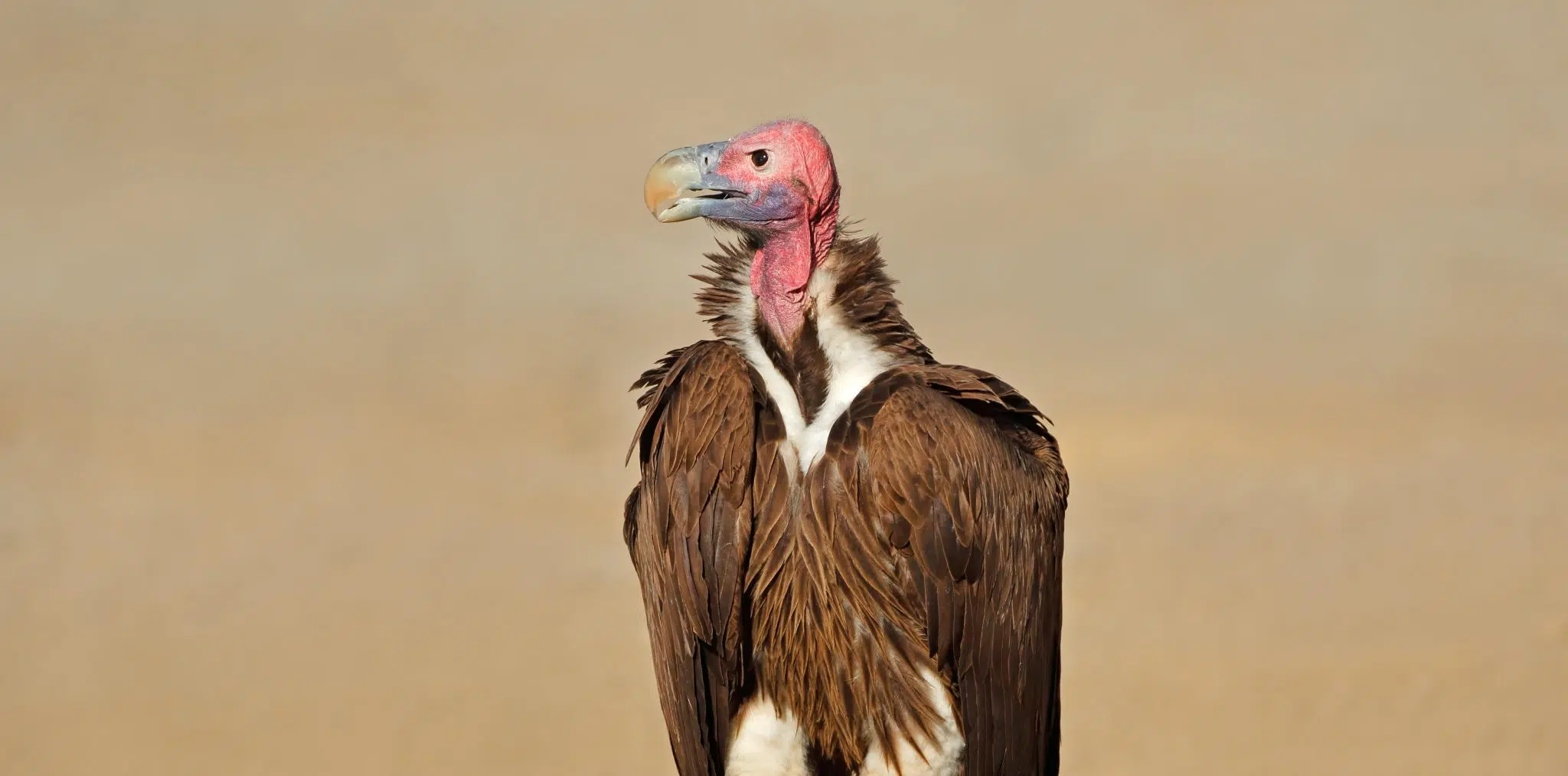
The crucial work of BirdLife International’s Senior Vulture Conservation Officer, Lovelater Sebele, highlights an imperative truth: effective conservation strategies in Southern Africa, and globally, must embrace inclusivity, rejecting a "one-size-fits-all" approach and actively engaging with marginalized groups and their invaluable traditional knowledge. Operating from Zimbabwe, Sebele collaborates with partners and stakeholders across the region, championing the cause of Africa’s often-misunderstood avian sentinels. Her efforts underscore the profound ecological and economic value of vultures, whose carrion-cleaning services are estimated to contribute US$1.8 billion annually to Southern Africa’s ecosystems. Despite this immense contribution, vultures frequently face underappreciation, often dismissed due to their appearance or association with death. As Sebele wryly observes, with a characteristic broad smile, "First of all, they are not good-looking birds. They are big with bald heads. They spend a lot of time on smelly carcasses. So people do wonder why you would actually want to work with vultures!" This sentiment starkly contrasts with the reverence often afforded to Africa’s charismatic megafauna like elephants, lions, giraffes, and zebras, revealing a persistent gap in public and even some conservation circles’ understanding of these vital raptors.

The Ecological and Economic Imperative of Vulture Survival
Vultures are not merely scavengers; they are nature’s essential sanitation crew, playing a critical role in preventing the spread of diseases and maintaining ecosystem health. Their ability to rapidly consume carcasses prevents the proliferation of bacteria and pathogens that could otherwise infect other wildlife, livestock, and even humans. Species like the Lappet-faced Vulture (critically endangered), Cape Vulture (endangered), White-backed Vulture (critically endangered), and Hooded Vulture (critically endangered) are facing precipitous declines across the continent, primarily due to poisoning (both accidental from livestock protection and intentional from poaching), habitat loss, electrocution by power lines, and belief-based use. The disappearance of these birds can trigger a trophic cascade, leading to an increase in opportunistic scavengers like feral dogs and rats, which are known vectors for diseases such as rabies and anthrax. Studies in India, following a catastrophic decline in vulture populations due to diclofenac poisoning, demonstrated a dramatic increase in human deaths from rabies as feral dog populations surged to fill the ecological niche left by vultures. While the specifics of the Southern African context differ, the principle remains: a healthy vulture population is a cornerstone of public and environmental health. The estimated US$1.8 billion in ecosystem services underscores that vulture conservation is not just an ecological imperative but also an economic necessity, protecting agricultural economies and public health infrastructure from avoidable burdens.
A Historical Perspective: Traditional Beliefs and Colonial Legacies
Africa’s deep-rooted cultural connections to nature predate modern conservation efforts by millennia. Birds, including vultures, have historically served as totems, spiritual guides, and indicators of environmental shifts. Indigenous communities have long observed avian behaviors to predict weather patterns, particularly the onset of rainy or dry seasons, vital for agricultural planning and survival. "Birds have been used by African people to tell seasons," Lovelater explains. "They see certain birds and they know the rain is about to come or that it’s going to be a dry year." This symbiotic relationship extends to more complex belief systems, where specific species are linked to spiritual practices, omens, or even witchcraft. While some associations might lead to persecution, others instill a respectful distance, inadvertently offering a form of protection.

The arrival of colonial powers often brought with it a systematic demonization of traditional African religions and cultural practices, in favor of Christianity or Islam. This historical suppression forced many indigenous beliefs and healing practices underground, creating a complex and often opaque landscape for contemporary conservation efforts. Today, understanding the true prevalence of traditional medicine and belief-based practices involving wildlife parts remains challenging, as historical stigmatization has made open discussion difficult. Associations of traditional healers, such as one in Zimbabwe boasting 45,000 members, offer a glimpse into the significant scale of these practices, each member serving a client base that could number in the thousands. This historical context is crucial for understanding why "one-size-fits-all" conservation approaches, often developed in Western contexts, frequently fail to resonate or achieve sustainable outcomes in diverse African communities.
The Nuance of "Belief-Based" Use and the Duality of Knowledge
One of the most challenging aspects of vulture conservation in Africa is addressing the "belief-based" use of vulture parts in traditional healing and spiritual practices. Vulture heads, for instance, are sought after for their perceived ability to grant foresight or enhance business acumen, drawing a parallel to the birds’ natural ability to locate carrion from vast distances. Lovelater highlights a fascinating "duality of knowledge" at play here. African communities, through generations of keen observation, understood that vultures cover immense territories in search of food. This empirical observation, interpreted through a spiritual lens, led to the belief that vultures "dream of where carcasses will be found," making their heads potent tools for spiritual guidance.

The demand for vulture parts has fueled illegal poaching and trade, adding another significant threat to already imperiled populations. Initial conservation responses often focused on outright prohibition and eradication of these practices. However, as Lovelater recounts, "There was a time when we thought about completely eradicating the use of vultures, but we realised that you do not get rid of a culture like that." This realization marked a pivotal shift in strategy. Forcing such deeply ingrained cultural practices underground not only proves ineffective but also obscures the true scale of the problem, making it harder for conservationists to monitor and intervene. This shift necessitated a move towards collaborative engagement with the custodians of these cultures – traditional healers – to explore alternatives and reduce the rate of harvesting, rather than attempting to abolish practices entirely.
Forging New Pathways: Inclusive Conservation in Practice
BirdLife International, through Lovelater Sebele and its extensive network of partners, has adopted a more nuanced, inclusive approach to conservation. This involves creating platforms for dialogue where traditional healers can discuss their practices and explore sustainable alternatives. The goal is not to eliminate culture but to evolve it, identifying materials or methods that can perpetuate longstanding traditions without harming endangered species. This approach acknowledges the profound cultural value of these practices while simultaneously addressing the ecological crisis facing vultures.

Beyond dialogue, practical measures are also being implemented. Awareness campaigns in local communities are crucial in highlighting the criminal offense of killing and harvesting vultures, leading to a noticeable increase in reports of suspicious activities. This localized engagement has resulted in positive outcomes, with arrests and prosecutions for vulture-related poaching becoming more common – a significant improvement from a past where such offenses were often overlooked in favor of more high-profile wildlife crimes like elephant ivory poaching. Lovelater affirms this progress: "Yes, we are making inroads."
The success of these initiatives hinges on finding common ground. Both conservationists and local communities share a fundamental desire to see vultures survive. For conservationists, it’s about intrinsic value and ecosystem services. For communities, it’s often more tangible: vultures save valuable time for livestock owners by indicating the location of deceased animals. As Lovelater learned from local wisdom, "For local communities, vultures are valuable because when they lose livestock they have to spend days searching for it. If they are not seeing soaring vultures, they still hope the animal is alive. If they see vultures circling an area, the plan is to investigate what they are looking at – it saves them time they would otherwise spend searching for an already dead." This practical benefit fosters a powerful incentive for communities to actively participate in vulture conservation, identifying and removing threats in their landscapes, and mapping nesting sites to provide crucial data. This collaborative spirit transforms communities from passive recipients of conservation directives into active stewards of their local environment.

Addressing Systemic Challenges: Gender, Race, and Inequitable Approaches
While Lovelater Sebele acknowledges her personal good fortune in receiving strong family support and not facing individual oppression in her career, she is acutely aware of the broader, systemic challenges that persist within the conservation sector. "Those kinds of challenges in conservation genuinely exist, and they are mostly systematic. They generally work against women and work against people of different ethnic backgrounds," she states. This systemic bias manifests in various ways, including the prevalence of "universal" behavior-change strategies that are often developed without adequate consideration for the diverse beliefs, social structures, and ways of life prevalent in African communities.
Such "one-size-fits-all" solutions, designed without local input, inevitably fail to fit anyone perfectly. They ignore the intricate social and cultural dimensions that are inseparable from environmental conservation. Lovelater’s wise perspective is clear: "Conservation is not just the plants and animals in the space; it has a social and cultural aspect to it. As conservationists, we need to be open to these dimensions." This critique extends to the historical power dynamics within global conservation, where Western-centric perspectives have often dominated, sometimes marginalizing indigenous knowledge systems and local leadership. Recognizing and rectifying these systemic inequities is not merely an ethical imperative but a strategic necessity for achieving truly effective and sustainable conservation outcomes. Diverse perspectives, including those of women and individuals from varied ethnic backgrounds, bring invaluable insights and foster greater community buy-in, making conservation efforts more robust and resilient.

A Collective Future: The Global Chorus for Nature
Lovelater Sebele’s dedication to vulture conservation is deeply rooted in her belief in advocating for the vulnerable. "I’m standing in for the voiceless, for organisms that have every right to be here but unfortunately cannot speak for themselves," she passionately explains. Her work, and BirdLife International’s overarching philosophy, embodies the "mixed flock" metaphor – a celebration of diversity, where each individual, each species, and each cultural perspective contributes to a unified, stronger whole. The growing interest in conservation among people in Africa, particularly among younger generations, offers a beacon of hope for the future. As more African voices join the global chorus for nature, they bring fresh perspectives, innovative solutions, and a deeper understanding of local contexts, enriching the worldwide conservation movement.
The path forward for conservation in Southern Africa, and indeed across the globe, is one of genuine partnership, respect for cultural diversity, and an unwavering commitment to inclusivity. By integrating scientific research with traditional ecological knowledge, by empowering local communities, and by challenging systemic biases, organizations like BirdLife International, through dedicated individuals like Lovelater Sebele, are paving the way for a future where both nature and human societies can thrive in harmony. The collective power of conservationists working together with communities is, as Lovelater affirms, simply "too great to ignore." This collaborative spirit, recognizing the intrinsic value of every voice and every species, is the ultimate strength of the global conservation movement.
