

The evidence is in and it’s crystal clear: restoration of rivers and other freshwater wetlands benefits biodiversity, water supply, pollution reduction, flood risk reduction, carbon storage, food security, and recreation. This definitive conclusion emerges from a comprehensive new report, commissioned by the World Wide Fund for Nature (WWF), which synthesizes evidence and case studies from over 30 countries across six continents. The findings underscore the critical importance of these vital ecosystems, not only for environmental health but also for fiscal prosperity, and offer a roadmap for effective restoration. In light of this compelling evidence, experts are issuing an urgent call for a significant increase in funding for river and wetland restoration, urging governments and corporations to actively support the Freshwater Challenge to accelerate global action.
The report, titled Societal Benefits of Large-Scale River and Wetland Restoration, serves as a crucial resource for policymakers and business leaders. It provides irrefutable data demonstrating that investing in the worldwide restoration of rivers and wetlands can function as a powerful natural solution for both climate adaptation and sustainable development, yielding a cascade of positive impacts.
The Multifaceted Advantages of Freshwater Ecosystem Restoration
The ramifications of degraded freshwater ecosystems extend far beyond localized environmental damage. The WWF-commissioned report highlights a compelling array of benefits that accrue from investing in their restoration. These include:
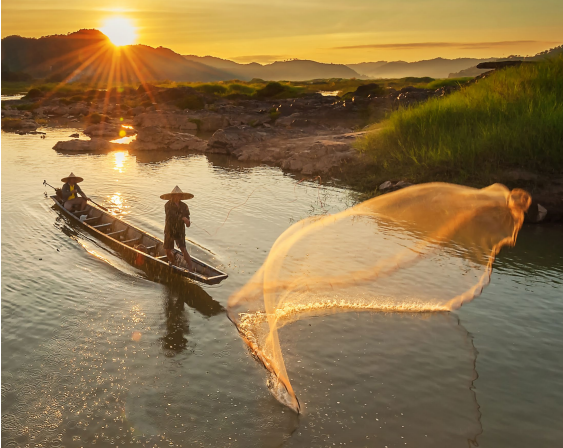
- Enhanced Water Security: Restored wetlands and rivers act as natural reservoirs and filters, significantly improving access to clean and reliable freshwater supplies. This is particularly critical in an era of increasing water scarcity, driven by growing agricultural demand and the unpredictable supply patterns exacerbated by the climate crisis.
- Strengthened Food Security: Healthy freshwater systems are intrinsically linked to sustainable agriculture and fisheries. Restoration efforts can lead to more consistent water availability for irrigation and support the health of fish populations, contributing to more resilient food systems.
- Climate Resilience: Wetlands, particularly peatlands, are significant carbon sinks. Their restoration can enhance carbon sequestration, contributing to climate change mitigation. Furthermore, healthy river systems and their floodplains play a vital role in moderating floodwaters, thereby reducing the risk and impact of natural disasters.
- Biodiversity Flourishing: Freshwater ecosystems are among the most biodiverse on Earth. Their degradation has led to catastrophic declines in wildlife populations. Restoration efforts directly combat this loss by providing habitats and supporting the recovery of countless species.
- Pollution Mitigation: Natural wetland processes are highly effective at filtering pollutants from water, including agricultural runoff and industrial discharge. Restoring these functions can significantly improve water quality downstream.
- Economic Opportunities: Beyond their intrinsic value, healthy rivers and wetlands support a range of economic activities, including ecotourism, sustainable fisheries, and recreation, generating employment and revenue.
Christine Colvin, Global Policy Lead at WWF, emphasized the urgent need for investment: "Investment into restoration efforts provide greater access to clean water, more sustainable food systems, and greater climate resilience against natural disasters. As water becomes a scarcer resource in the face of increasing demand from agriculture and more erratic supplies in the teeth of the climate crisis, investment in restoration is urgently needed for our future water security."
A Global Call to Action: The Freshwater Challenge
The report is accompanied by a joint briefing paper, developed collaboratively by WWF, Conservation International, the International Union for Conservation of Nature (IUCN), and Wetlands International. This document delves into the practical methodologies for achieving restoration, which include re-establishing natural water flows, reducing pollution from fertilizers and other sources, replanting riparian vegetation, and reconnecting rivers with their floodplains.
The findings have galvanized a united front of environmental organizations and experts who are now advocating for a monumental shift in how freshwater ecosystems are prioritized. The central tenet of this advocacy is the widespread adoption and scaling up of the Freshwater Challenge. This ambitious initiative, supported by 54 countries, aims to restore an astounding 300,000 kilometers of degraded rivers and 350 million hectares of degraded wetlands by the year 2030. The Challenge is designed to substantiate, elevate, and accelerate targeted interventions for rivers, lakes, and other inland wetlands, ensuring their integration into national development plans and strategies.
Coenraad Krijger, CEO of Wetlands International, stated, "Restoring degraded rivers, lakes and other freshwater wetlands is central to tackling the greatest challenges of our era: water and food security, nature loss, climate change and sustainable development. This report shows that restoration works and that it benefits societies and economies. It’s time for governments and businesses to prioritise our freshwater life support systems and drastically increase investment to accelerate wetland action."

The Grim Reality: A Global Wetland Crisis
The urgency for restoration is underscored by the alarming rate at which the world’s freshwater wetlands are disappearing. Since 1970, a staggering one-third of healthy wetlands have been lost globally. This environmental catastrophe has been mirrored by an 85% decline in freshwater wildlife populations, representing the most severe decline experienced by any habitat type.
The drivers of this devastation are multifaceted and interconnected:
- Over-abstraction of Water: Unsustainable withdrawal of water for agriculture, industry, and domestic use depletes rivers and wetlands, leading to habitat loss and ecological collapse.
- Fragmentation of Rivers: The construction of dams, levees, and other infrastructure fragments river systems, disrupting natural water flows, sediment transport, and fish migration routes.
- Land-Use Change: Conversion of wetland areas for agriculture, urban development, and other human activities leads to direct habitat destruction and alteration.
- Pollution: Runoff from agricultural lands carrying fertilizers and pesticides, as well as industrial and urban wastewater, degrades water quality and harms aquatic life.
- Aquatic Invasive Species: The introduction of non-native species can outcompete native flora and fauna, disrupting ecological balances.
- Over-harvesting: Unsustainable fishing and harvesting of wetland resources can deplete populations and damage ecosystems.
- Climate Change: Rising global temperatures contribute to altered precipitation patterns, increased evaporation, and more frequent extreme weather events, all of which place additional stress on freshwater ecosystems.
The consequences of this decline are profound and far-reaching, extending beyond the loss of biodiversity to pose significant material risks to human well-being, economic development, and international water security.
A Timeline of Degradation and a Future of Restoration
The current crisis is the culmination of decades of unsustainable practices. The Ramsar Convention on Wetlands, established in 1971, was one of the first global intergovernmental treaties providing an framework for the conservation and wise use of wetlands. However, despite increasing awareness, the rate of wetland loss has continued unabated. The period between the establishment of the Ramsar Convention and the present day has seen a dramatic acceleration in wetland degradation.
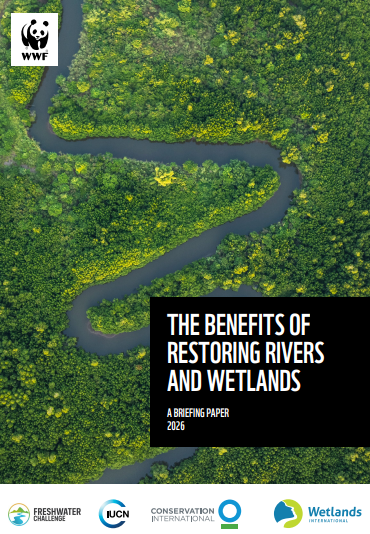
The recent publication of the WWF-commissioned report in March 2026 serves as a critical inflection point, consolidating years of scientific evidence and practical experience into a clear call for intensified action. The report’s release is timely, coinciding with a growing global recognition of the interconnectedness of environmental and economic health. The subsequent push for governments and businesses to support the Freshwater Challenge by 2030 represents a concrete target for reversing these trends.
Dave Tickner, Chief Advisor for Freshwater at WWF-UK, articulated the urgency and the opportunity: "Most of the world’s population lives near rivers or wetlands. And to benefit people, nature and economies, those rivers and wetlands must be healthy. While we have seen a steady rise in global freshwater restoration, what is needed now is for governments and businesses to accelerate these efforts. The Freshwater Challenge provides a perfect opportunity for this, and this opportunity must be taken."
The Way Forward: Investing in Nature’s Life Support Systems
The report’s overarching message is one of optimism tempered with a stark warning. While the scale of the challenge is immense, the solutions are available and their benefits are undeniable. The experts are not merely advocating for awareness; they are demanding a substantial increase in financial investment dedicated to river and wetland restoration. This includes a robust commitment from both public and private sectors to champion the Freshwater Challenge.
The initiative’s goals are ambitious: to revive vital freshwater arteries and vast wetland landscapes that have been pushed to the brink. By committing to these targets, nations and corporations are not just investing in environmental recovery; they are investing in their own long-term resilience, prosperity, and security. The success of the Freshwater Challenge will hinge on translating the compelling evidence presented in the new report into tangible policy changes, increased funding streams, and widespread implementation of effective restoration practices. The health of our planet’s freshwater life support systems, and by extension, our own, depends on it.
