
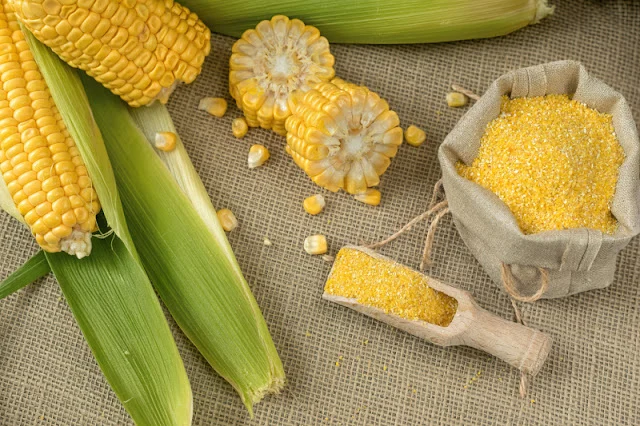
Corn has long served as a foundational element in the global agricultural landscape, particularly within the poultry industry where it remains a primary ingredient in commercial feed formulations. However, for the burgeoning community of backyard chicken keepers, the use of corn as a supplemental treat has sparked a complex debate regarding its impact on avian physiology and seasonal health. While traditionally viewed as a versatile and energy-dense food source, corn’s role in a chicken’s diet is subject to specific environmental conditions and biological requirements. Understanding the nuances of how various forms of corn—ranging from dried kernels to fresh silks—affect the metabolic processes of poultry is essential for maintaining flock health throughout the changing seasons.
The Nutritional Profile and Metabolic Impact of Corn
At its core, corn is a complex carbohydrate, primarily valued for its high caloric density. From a nutritional standpoint, corn provides a significant amount of energy, which is vital for the daily activities of a chicken, including foraging, egg production, and temperature regulation. Beyond simple energy, corn contains a spectrum of essential micronutrients. It is a source of antioxidants, such as lutein and zeaxanthin, which contribute to the vibrant yellow pigment often found in the yolks of eggs produced by corn-fed hens. Furthermore, corn contains Vitamin B6, Vitamin C, and folate, alongside minerals including magnesium, niacin, phosphorus, and potassium.

Despite these benefits, corn is often criticized for its relatively low protein content when compared to other grains or specialized poultry feeds. Standard yellow dent corn typically contains between 7% and 9% protein, whereas a laying hen requires a diet consisting of 16% to 18% protein to sustain optimal egg production and feather health. This discrepancy necessitates that corn be treated as a supplemental snack rather than a primary food source. When corn is over-consumed, it can lead to nutritional imbalances, specifically a deficiency in essential amino acids like lysine and methionine, which are critical for avian development.
The Thermogenic Properties of Dried Corn in Winter
One of the most persistent discussions in the poultry community involves the "heating" effect of corn. This phenomenon is rooted in the biological process of thermogenesis. When chickens ingest whole or cracked dried grains, particularly in the evening, their digestive systems—specifically the gizzard and the crop—begin the labor-intensive process of breaking down these complex starches. This metabolic activity generates internal body heat as a byproduct of digestion.
For this reason, dried corn is often categorized as a "winter fuel." During the colder months, the caloric demand for a chicken increases significantly as it struggles to maintain a core body temperature of approximately 105 to 107 degrees Fahrenheit. Feeding a small amount of cracked corn or "scratch grains" (a mixture often dominated by corn) shortly before dusk provides the bird with a slow-burning energy source that keeps its internal furnace running throughout the night. This practice is a traditional cornerstone of cold-climate animal husbandry, helping to prevent frostbite and cold-induced stress in northern flocks.

Seasonal Feeding Chronology and Heat Management
As the seasons transition from winter to summer, the metabolic requirements of poultry shift dramatically. The same thermogenic properties that make dried corn beneficial in January can become a liability in July. During periods of high ambient temperatures, chickens are at significant risk of heat exhaustion and heatstroke, as they lack sweat glands and must rely on panting and wing-spreading to dissipate heat.
The ingestion of calorie-dense dried grains during a heatwave can exacerbate a bird’s thermal load. While a handful of corn is unlikely to be fatal under normal circumstances, experts advise against heavy supplementation of dried corn when temperatures exceed 85 degrees Fahrenheit. Instead, the nutritional focus during summer months should pivot toward hydration and moisture-rich treats.
Fresh corn presents a different nutritional profile than its dried counterpart. Fresh corn on the cob, whether harvested directly from a garden or purchased from a market, has a higher water content and is generally more palatable during warm weather. Many poultry owners utilize frozen corn as a cooling mechanism, allowing the birds to peck at the cold kernels to lower their internal temperature. This transition from dried "winter" corn to fresh or frozen "summer" corn illustrates the necessity of a dynamic feeding strategy that responds to environmental stressors.

Utilizing the Whole Plant: Husks, Silks, and Cobs
A frequently overlooked aspect of corn in avian diets is the nutritional value of the plant’s secondary components. While the kernels are the most sought-after part, the husks, silks, and cobs offer unique benefits, particularly for multi-species flocks that include ducks and geese.
Corn silk, the long, thread-like fibers found under the husk, is remarkably nutrient-dense. It contains Vitamin K, which is essential for blood clotting and bone health. Furthermore, corn silk is recognized in some veterinary circles for its antioxidant and anti-inflammatory properties, potentially aiding in the management of blood pressure and cholesterol levels within the flock. Ducks, in particular, exhibit a strong preference for corn silk, often consuming it with more enthusiasm than the kernels themselves.
The corn cob and husks also serve as a source of insoluble fiber. While chickens cannot digest the cellulose in the cob itself, they will meticulously pick every remaining bit of kernel and pith from the surface, providing them with environmental enrichment and physical activity. In a backyard setting, this behavior helps reduce boredom, which can lead to pecking issues or aggression within the coop.

Risk Factors: Obesity and Fatty Liver Hemorrhagic Syndrome
While corn is a natural food source, its high sugar and carbohydrate content pose long-term health risks if not managed with discipline. Poultry, particularly certain heavy breeds such as Orpingtons or Brahmas, and meat-oriented duck breeds like Pekins, are highly susceptible to obesity.
Excessive caloric intake from corn can lead to the accumulation of abdominal fat pads. This is not merely an aesthetic concern; it is a significant precursor to Fatty Liver Hemorrhagic Syndrome (FLHS). FLHS is a condition where the liver becomes soft and laden with fat, eventually leading to internal hemorrhaging and sudden death. It is most common in high-producing laying hens that are fed a diet too high in energy and too low in exercise.
To mitigate these risks, veterinary experts recommend the "10% Rule," which dictates that treats and supplements—including corn—should make up no more than 10% of a bird’s total daily caloric intake. The remaining 90% must come from a nutritionally balanced commercial feed designed for the bird’s specific life stage.

Industry Context and Economic Implications
The use of corn in backyard flocks also mirrors larger trends in global agriculture. Corn is the most widely produced grain in the United States, and its price fluctuations directly impact the cost of poultry feed. In recent years, the push for non-GMO and organic corn options has grown among backyard keepers who prioritize natural rearing methods.
Furthermore, the "yellow corn" standard in the poultry industry has historical roots. Consumers have traditionally associated a deep yellow or orange yolk with healthy, pasture-raised chickens. Because corn is a primary source of the xanthophyll pigments that color the yolk, it remains a staple in the industry to meet consumer expectations for egg quality. This aesthetic preference reinforces the continued use of corn in both commercial and private poultry operations.
Expert Analysis of Broader Impacts
The debate over feeding corn to chickens is emblematic of a broader shift in how backyard livestock are managed. Modern poultry keeping has evolved from a utilitarian farm practice into a hobby that blends agricultural science with pet ownership. As a result, the scrutiny of dietary ingredients has intensified.

Fact-based analysis suggests that corn is neither the "superfood" nor the "poison" it is sometimes portrayed to be in online forums. Rather, it is a tool for energy management. Its role as a thermogenic aid in the winter is scientifically supported by the mechanics of avian digestion, while the warnings against its use in summer heatwaves are grounded in the principles of thermal biology.
For the modern homesteader, the responsible use of corn involves a deep understanding of seasonal changes. By providing dried, cracked corn during the freezing winter months to fuel nighttime warmth and switching to fresh, moisture-rich corn components during the summer, keepers can leverage the grain’s benefits without compromising the health of their birds.
In conclusion, corn remains a valuable, versatile, and cost-effective treat for chickens and ducks when used in moderation. It supports eye health, provides essential antioxidants, and offers a critical energy boost when temperatures drop. However, the potential for weight gain and metabolic heat production requires a balanced approach. A well-managed flock is one where the diet is adjusted to the environment, ensuring that corn remains a delicious supplement rather than a dietary detriment. By adhering to professional feeding guidelines and observing the specific needs of their birds, poultry owners can ensure their flocks remain healthy, productive, and comfortable throughout the entire year.
