
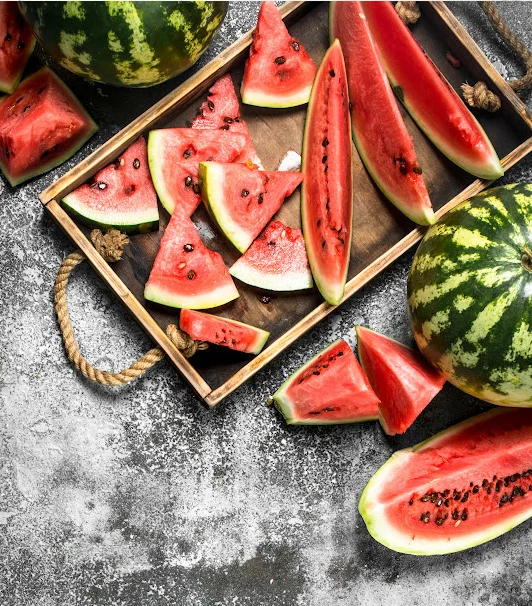
As global temperatures continue to fluctuate and summer heatwaves become more frequent and intense, backyard poultry keepers and commercial farmers alike are seeking innovative, natural methods to safeguard the health and productivity of their flocks. Among the various supplemental dietary options available, watermelon (Citrullus lanatus) has emerged as a premier seasonal resource for avian hydration and nutritional fortification. While often viewed as a simple refreshment, the fruit offers a complex profile of vitamins, minerals, and bioactive compounds that address the physiological challenges faced by chickens during periods of high ambient temperature. Expert analysis suggests that the strategic integration of watermelon into a poultry diet can mitigate heat stress, improve egg quality, and support the long-term immune health of the birds.
The Physiological Context: Heat Stress and Avian Hydration
Chickens are particularly susceptible to heat stress because they lack sweat glands. To regulate their internal body temperature, which naturally sits between 105°F and 107°F (40.5°C to 41.7°C), poultry rely on evaporative cooling through panting. This process, while necessary, leads to a rapid loss of internal moisture and can result in respiratory alkalosis—a condition where the bird’s blood pH levels are disrupted due to the excessive expulsion of carbon dioxide.
During these periods of thermal distress, maintaining a high level of hydration is critical. Watermelon, comprised of approximately 92% water, serves as an efficient delivery system for moisture. Unlike standard water troughs, which can quickly reach ambient temperatures and become unappealing to birds, the cellular structure of watermelon retains moisture in a way that remains cooler and more palatable. Agricultural data indicates that a bird’s water consumption can double or even triple as temperatures rise from 70°F to 95°F. Providing water-dense fruits like watermelon acts as a secondary reservoir, ensuring that even birds at the bottom of the pecking order—who may be bullied away from central watering stations—have access to life-saving hydration.
.jpg)
Nutritional Composition and Egg Quality Enhancement
Beyond its hydrative properties, watermelon provides a dense array of micronutrients essential for avian vitality. According to nutritional profiles, the fruit is a significant source of Vitamins A, B6, and C. Vitamin A is crucial for the maintenance of epithelial tissues and respiratory health, while Vitamin B6 plays a vital role in protein metabolism and the development of the nervous system. Vitamin C, although synthesized naturally by chickens, is often depleted during times of stress; supplemental Vitamin C has been shown in various poultry science studies to improve the survival rates of birds during extreme heat.
Furthermore, watermelon is rich in magnesium and potassium. These electrolytes are frequently lost during the panting process. Replenishing these minerals helps maintain the osmotic balance within the bird’s cells, preventing dehydration at a systemic level.
For many backyard keepers, the most visible benefit of watermelon consumption is the impact on egg quality. The fruit contains high levels of carotenoids, specifically beta-carotene. When ingested, these pigments are deposited into the egg yolks, resulting in the deep, vibrant orange color that is often associated with high-quality, pasture-raised eggs. This aesthetic improvement is also indicative of a higher nutrient density in the egg itself, as carotenoids are powerful antioxidants.
Bioactive Compounds: Lycopene and Cucurbitacin
One of the most significant advantages of watermelon is its high concentration of lycopene. Scientific research confirms that watermelon contains higher levels of this specific antioxidant than even raw tomatoes. Lycopene is instrumental in neutralizing free radicals, which can cause cellular damage and lead to chronic conditions such as heart disease and various forms of cancer in older birds. In the context of a working flock, antioxidants help support the liver and vascular system, potentially extending the productive lifespan of laying hens.
.jpg)
Additionally, watermelon, like other members of the Cucurbitaceae family (including cucumbers and squash), contains a compound known as cucurbitacin. While further large-scale clinical trials are required to establish it as a primary medical intervention, traditional agricultural practices and preliminary observations suggest that cucurbitacin acts as a natural anthelmintic, or "wormer." By creating an environment in the digestive tract that is inhospitable to certain internal parasites, watermelon may serve as a preventative measure in a holistic integrated pest management (IPM) strategy. This reduces the reliance on chemical dewormers, which is a priority for keepers pursuing organic or natural husbandry methods.
Safety Protocols and Consumption Guidelines
A common inquiry among poultry owners concerns which parts of the watermelon are safe for consumption. Unlike some fruits that contain toxic pits or skins (such as avocados), every part of the watermelon is non-toxic to chickens.
- The Flesh: The soft, red interior is the most easily digested part and provides the highest concentration of sugars and water.
- The Seeds: Watermelon seeds are safe for chickens and provide a small amount of supplemental protein and healthy fats. Unlike the seeds of apples or cherries, they do not contain cyanide-inducing compounds.
- The Rind: The tough outer skin is edible and rich in citrulline, an amino acid that supports heart health and blood flow. Chickens will often peck the rind until it is paper-thin, utilizing it as both a food source and a form of environmental enrichment.
Despite these benefits, experts emphasize the "90/10 rule" of poultry nutrition. Treats and supplements, including watermelon, should comprise no more than 10% of a chicken’s total daily caloric intake. The primary diet must remain a balanced commercial or custom-blended poultry feed to ensure the birds receive adequate calcium and protein for egg production and feather growth.
Strategic Serving Methods for Flock Management
To maximize the benefits of watermelon while minimizing waste and maintaining coop hygiene, several serving methods are recommended by experienced agriculturalists.

- The Halved Melon: Slicing a watermelon in half and placing it skin-side down on the ground is the most common method. This allows multiple birds to congregate around the fruit, encouraging social behavior and ensuring that the flock remains occupied, which can reduce instances of feather pecking.
- Frozen Slices or "Slushies": For extreme heatwaves, keepers may freeze watermelon slices or blend the flesh into a "slushy" consistency. Providing frozen treats forces the birds to consume the fruit more slowly and provides an immediate internal cooling effect.
- Scooped Balls or Cubes: For smaller flocks or those kept in confined runs, cubing the melon can help prevent the fruit from becoming soiled by bedding or manure.
From a management perspective, it is advised to remove any uneaten rind or flesh after a few hours, especially in summer. Sugary fruit residue can attract flies, ants, and rodents, and can ferment quickly in the heat, potentially leading to digestive upset if consumed after it has spoiled.
Industry Implications and Expert Perspectives
The trend toward utilizing fresh produce in poultry management reflects a broader shift in the agricultural sector. As consumers increasingly demand transparency and "natural" origins for their food, the techniques used in backyard settings are beginning to inform small-scale commercial practices.
Lisa Steele, a prominent author and expert in natural poultry keeping, has long advocated for the use of seasonal produce to bolster flock health. Her research and experience suggest that a diet varied with fresh fruits and vegetables not only improves the physical health of the birds but also provides necessary mental stimulation. "Watermelon is more than just a treat; it is a functional food," Steele has noted in her analysis of summer flock care.
Agricultural economists also point out that utilizing "seconds" or bruised watermelons—fruits that are not aesthetically suitable for grocery store shelves—can reduce food waste and provide a cost-effective supplemental feed source for farmers. This creates a symbiotic relationship between fruit growers and poultry producers.

Conclusion: A Holistic Approach to Avian Wellness
The integration of watermelon into the summer care regimen of poultry represents a fusion of traditional wisdom and modern nutritional science. By providing essential hydration, vital antioxidants like lycopene, and the potential parasite-fighting properties of cucurbitacin, watermelon serves as a comprehensive tool for managing flock health during the most challenging months of the year.
As the poultry industry continues to evolve, the emphasis on preventative health and natural supplements is likely to grow. While watermelon is not a substitute for professional veterinary care or a balanced base diet, its role as a high-value supplemental resource is indisputable. For the backyard keeper, it remains one of the simplest and most effective ways to ensure that their birds remain hydrated, productive, and resilient in the face of rising seasonal temperatures. Through careful application and an understanding of the fruit’s complex nutritional profile, poultry owners can significantly enhance the welfare of their flocks, ensuring both the longevity of the birds and the quality of the eggs they produce.
