
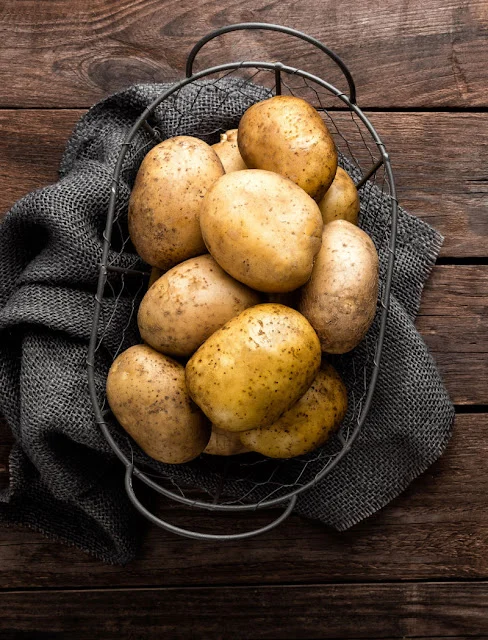
The dietary management of backyard poultry has evolved significantly as keepers transition from traditional "scraps-based" feeding to more scientifically informed nutritional regimens. Among the most common inquiries from poultry owners is the safety and efficacy of feeding potatoes to chickens. While chickens are opportunistic omnivores capable of digesting a wide array of vegetation, seeds, and animal proteins, the term "potato" encompasses several distinct plant families with vastly different chemical compositions. Understanding the botanical distinctions between white potatoes, sweet potatoes, and yams is critical for preventing accidental poisoning and optimizing the health of a flock.

Taxonomic Distinctions and the Nightshade Risk
To address the safety of potatoes in poultry diets, one must first distinguish between the three primary vegetables often conflated under the name. White potatoes (Solanum tuberosum) belong to the Solanaceae, or nightshade, family. This family also includes tomatoes, eggplants, and peppers. Conversely, sweet potatoes (Ipomoea batatas) are members of the Convolvulaceae, or morning glory, family. True yams (Dioscorea) belong to the Dioscoreaceae family.
The primary concern regarding white potatoes is the presence of glycoalkaloids, specifically solanine and chaconine. These are natural pesticides produced by the plant as a defense mechanism against herbivores and pathogens. In chickens, solanine acts as a potent neurotoxin and gastrointestinal irritant. While the flesh of a ripe white potato contains lower concentrations of these toxins, the highest levels are found in the skin—particularly if it has turned green due to light exposure—as well as the eyes, sprouts, leaves, and stems of the plant.

The Biochemical Impact of Solanine Toxicity
Solanine poisoning in poultry is a serious condition that can manifest in various ways depending on the dosage and the health of the individual bird. As a neurotoxin, solanine interferes with the body’s ability to regulate acetylcholine, a neurotransmitter essential for nerve impulse transmission. When a chicken ingests toxic levels of solanine, the chemical inhibits cholinesterase, leading to a buildup of acetylcholine and subsequent nervous system failure.
Clinical symptoms of solanine toxicity in chickens include:

- Severe gastrointestinal distress, including diarrhea and loss of appetite.
- Lethargy and depression.
- Neurological impairment, such as paralysis or lack of coordination.
- Respiratory distress and labored breathing.
- In extreme cases, sudden death due to cardiac or respiratory failure.
Agricultural experts note that while a single instance of consuming a small amount of white potato flesh may not result in immediate mortality, glycoalkaloids can accumulate in the system. Furthermore, the vulnerability of a bird is often dictated by its age and immune status; pullets and senior hens are significantly more susceptible to the adverse effects of these toxins than healthy adults.
Debunking the Cooking Myth
A common misconception among poultry keepers is that cooking white potatoes renders them entirely safe for chickens. Scientific analysis of glycoalkaloids reveals that solanine is a heat-stable compound with a high melting point. While deep-frying at temperatures exceeding 400 degrees Fahrenheit (200 degrees Celsius) can reduce solanine levels, standard domestic cooking methods such as boiling have a negligible effect.

Boiling potatoes may cause some solanine to leach into the cooking water, but the toxin remains present in the tuber itself. Consequently, feeding boiled white potato scraps or peels to chickens remains a high-risk practice. If a keeper insists on providing white potatoes as a rare treat, the tubers must be fully ripe (with no green tint), thoroughly peeled, and baked at high temperatures to minimize the risk, though most avian nutritionists recommend total avoidance to ensure flock safety.
Sweet Potatoes: The Nutritional Superfood Alternative
In contrast to the risks associated with the nightshade family, sweet potatoes are widely regarded by veterinarians and poultry experts as an excellent supplemental food source. Because they belong to the morning glory family, they do not contain solanine. Every part of the sweet potato plant—including the tubers, skins, vines, and leaves—is non-toxic to chickens.

Sweet potatoes offer a robust nutritional profile that supports various aspects of avian physiology. They are particularly rich in:
- Beta-carotene: A precursor to Vitamin A, which is essential for respiratory health, bone development, and the maintenance of epithelial tissues.
- Vitamin C: An antioxidant that supports the immune system, particularly during periods of heat stress.
- Vitamin B6: Critical for amino acid metabolism and neurological function.
- Potassium: An essential electrolyte for heart health and fluid balance.
- Fiber: Aids in digestive regularity.
Beyond their vitamin content, sweet potatoes provide a complex carbohydrate source that is lower in calories and sugars than white potatoes, making them a more stable energy source for laying hens.

True Yams and the Importance of Thermal Processing
While often confused with sweet potatoes in North American markets, true yams require a different management approach. Yams are generally safe for chickens but carry two specific caveats: the presence of raw-plant proteins (saponins) and oxalic acid.
Raw yams contain various anti-nutritional factors that can interfere with protein digestion. Therefore, yams must be peeled and thoroughly cooked before being offered to a flock. Additionally, yams—much like spinach and beet greens—contain oxalic acid. In high quantities, oxalic acid binds with calcium in the chicken’s digestive tract, forming calcium oxalate. This prevents the bird from absorbing the calcium necessary for skeletal health and eggshell formation. Excessive consumption of high-oxalate foods can lead to "rubber eggs" or soft-shelled eggs, as well as osteoporosis in high-production layers.

The 10 Percent Rule: Integrating Treats into a Balanced Diet
Regardless of the nutritional value of a supplemental food like sweet potatoes, agricultural guidelines emphasize that treats should never exceed 10 percent of a chicken’s total daily intake. A standard laying hen requires a precisely balanced ratio of protein, calcium, and phosphorus to maintain egg production and body condition. Overfeeding supplemental vegetables, even healthy ones, can dilute the essential nutrients found in commercial poultry feed.
Experts recommend a limit of approximately one tablespoon of supplemental food per bird per day. This ensures that the birds receive the benefits of dietary variety without compromising their primary nutritional requirements.

Chronology of Food Safety Standards in Poultry Keeping
The understanding of potato toxicity has shifted over the last century. In the early 20th century, farm flocks were often fed "slop" or kitchen refuse, which frequently included raw potato peels. Historical agricultural records from the 1920s and 30s occasionally noted "mysterious" die-offs in farmyard flocks, which modern retrospective analysis suggests were likely linked to solanine poisoning or botulism from fermented scraps.
By the 1950s, the rise of commercial poultry science led to the development of formulated mashes and pellets, reducing the reliance on kitchen waste. In the modern era, the "backyard chicken movement" has brought these questions back to the forefront. Current veterinary consensus, supported by organizations such as the USDA and various university extension programs, now prioritizes the exclusion of nightshade toxins from avian diets to prevent sub-clinical health issues that can affect egg quality and bird longevity.

Implications for Small-Scale Farmers and Sustainability
For keepers focused on sustainable homesteading and reducing food waste, the distinction between potato types is vital for effective composting and feed supplementation. While sweet potato scraps can be diverted directly to the coop, white potato scraps—especially green skins—are better suited for a hot compost pile where microbial action can eventually break down the alkaloids over a long period, rather than being fed to livestock.
The shift toward feeding sweet potatoes over white potatoes also aligns with broader human health trends. As more households adopt sweet potatoes as a nutritional staple, the availability of safe "scraps" for poultry increases. This creates a synergistic relationship where the flock can benefit from the high-nutrient leftovers of a health-conscious household.

Final Safety Protocols and Storage Guidelines
To ensure the safety of the flock, poultry owners should adhere to the following management practices:
- Strict Identification: Ensure that any "potato" being fed is a sweet potato (Ipomoea batatas) and not a white, red, or yellow potato variety.
- Avoid Greening: Never feed any potato that shows signs of greening or sprouting, as these areas contain the highest concentrations of toxins.
- Mold Prevention: Regardless of the variety, never feed moldy or decaying potatoes to chickens. Mycotoxins produced by mold can be fatal to birds even in minute quantities.
- Controlled Portions: Maintain the 10 percent treat threshold to prevent nutritional imbalances.
- Observation: Monitor the flock for any changes in behavior or droppings after introducing any new supplemental food.
By maintaining a rigorous standard for dietary supplements and prioritizing the use of nutrient-dense, non-toxic alternatives like sweet potatoes, poultry keepers can ensure the long-term vitality and productivity of their birds while navigating the complexities of avian nutrition.
