
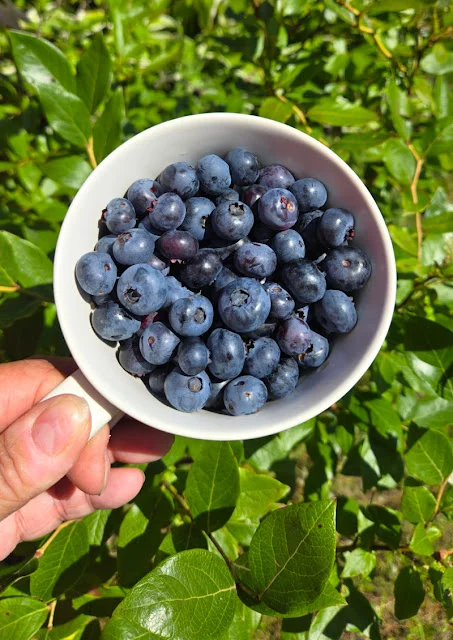
The integration of high-nutrient "superfoods" into the diets of backyard poultry has transitioned from a niche hobbyist practice to a standard recommendation among avian nutritional experts. Among the various supplemental treats available to poultry keepers, blueberries (Vaccinium corymbosum and Vaccinium angustifolium) have emerged as one of the most beneficial options for enhancing the physiological well-being of chickens and ducks. Recent agricultural assessments and nutritional studies highlight that these small fruits are not merely a flavorful snack but a powerhouse of essential vitamins, minerals, and phytochemicals that support a wide range of biological functions, from cardiovascular health to cognitive maintenance.
The Nutritional Architecture of Blueberries
To understand why blueberries are classified as a premier supplement for poultry, one must examine their dense nutritional profile. Analysis confirms that blueberries are a primary source of Vitamin K, which plays a critical role in bone metabolism and blood coagulation. For laying hens, maintaining skeletal integrity is paramount, as the production of eggshells requires a constant mobilization of calcium. Vitamin K works in tandem with other nutrients to ensure that bone density is maintained throughout the bird’s productive life.
Furthermore, blueberries provide a significant concentration of Vitamin C. While chickens are capable of synthesizing their own Vitamin C, supplemental intake is particularly beneficial during periods of environmental stress, such as extreme heat or during the molting process. The presence of Vitamin C helps bolster the immune response, making the flock more resilient against common respiratory ailments and pathogens.

Beyond vitamins, blueberries are rich in manganese and potassium. Manganese is essential for the development of healthy connective tissue and the prevention of perosis (a leg deformity) in growing chicks, while potassium is vital for maintaining electrolyte balance and proper muscle function. The fiber content in blueberries also aids in regulating the avian digestive tract, ensuring that nutrient absorption remains efficient.
Anthocyanins and the Impact of Antioxidants
Perhaps the most significant component of the blueberry is its high concentration of anthocyanins. These are the pigments responsible for the deep blue and purple hues of the fruit, but their function extends far beyond aesthetics. Anthocyanins are powerful antioxidants that combat oxidative stress within the avian body. Oxidative stress occurs when there is an imbalance between free radicals and antioxidants, often leading to cellular damage and inflammation.
In a journalistic analysis of poultry health, the reduction of systemic inflammation is linked to a decreased risk of chronic diseases. Research suggests that the anthocyanins in blueberries protect the heart and vascular system of the bird, aiding in the regulation of blood pressure. Furthermore, these compounds have been studied for their potential to inhibit the growth of certain types of cancer cells, providing a layer of long-term preventative care for heritage breeds and long-lived backyard pets.
Cognitive Function and Sensory Health
The benefits of blueberries extend to the neurological and sensory systems of the flock. Avian cognitive abilities, which include social navigation within the pecking order and the ability to forage effectively, are supported by the phytonutrients found in these berries. Studies in various species have indicated that regular consumption of blueberry-derived antioxidants can slow the degradation of mental faculties associated with aging.

Visual acuity is another area where blueberries provide measurable support. Chickens rely heavily on their eyesight for survival, using it to detect predators, identify food sources, and interact with their environment. The compounds in blueberries help protect the retinal cells from damage caused by ultraviolet light and oxidative stress, potentially extending the functional vision of the birds as they age.
Digestive Health: The Prebiotic Advantage
Modern poultry science places a heavy emphasis on gut health, often referred to as the "microbiome." Blueberries contribute to this delicate ecosystem by providing prebiotics. Prebiotics are non-digestible fibers that serve as a food source for beneficial bacteria, or probiotics, within the digestive tract.
When chickens consume blueberries, the prebiotic fibers encourage the growth of healthy gut flora such as Lactobacillus. A robust gut microbiome is the first line of defense against intestinal parasites and bacterial infections like Coccidiosis. By fostering an environment where beneficial bacteria thrive, poultry keepers can reduce the need for medicinal interventions and improve the overall feed conversion ratio of their flock.
Practical Implementation and Safety Protocols
While the benefits of blueberries are extensive, agricultural experts emphasize the importance of moderation and proper delivery. The "10% Rule" is a standard guideline in the industry, stating that treats and supplements should never exceed 10% of a bird’s total daily caloric intake. For an average adult chicken, this equates to approximately one to two tablespoons of supplemental food per day. Over-supplementation can lead to a dilution of the essential proteins and minerals found in balanced commercial feeds, potentially resulting in nutritional deficiencies or obesity.

Safety considerations also include the physical size of the fruit. While most adult chickens can easily manage a whole blueberry, smaller breeds or younger pullets may face a choking hazard. In these instances, slicing the berries in half or mashing them is recommended to ensure safe ingestion.
In regions such as Maine, where both native low-bush (wild) blueberries and cultivated high-bush varieties are prevalent, poultry owners have the opportunity to provide diverse types of the fruit. Native varieties are often noted for having a higher concentration of antioxidants per gram due to their smaller size and higher skin-to-pulp ratio.
Chronology of Supplemental Feeding Trends
The trend toward feeding high-quality fruits like blueberries to poultry has evolved over several decades:
- The Traditional Era (Pre-1990s): Backyard chickens were primarily fed kitchen scraps and low-quality grains. The focus was on waste reduction rather than targeted nutrition.
- The Rise of the "Pet Chicken" (2000s): As chickens moved from the farmyard to the suburban backyard, owners began to treat them as companion animals, seeking out higher-quality feeds and supplements.
- The Superfood Movement (2010s): Nutritional breakthroughs in human health regarding antioxidants and "superfoods" began to be applied to veterinary medicine and poultry care.
- The Scientific Integration (Present): Current practices involve a data-driven approach, where specific fruits like blueberries are recommended by avian experts for their documented physiological benefits.
Broader Implications for the Poultry Industry
The shift toward incorporating nutrient-dense supplements like blueberries reflects a broader change in the poultry industry and the consumer market. There is an increasing demand for "natural" and "organic" methods of raising poultry, driven by concerns over antibiotic use and the desire for higher-quality eggs and meat.

Eggs from hens that consume a diet rich in antioxidants often show subtle differences in nutrient profile, including higher levels of certain vitamins. Furthermore, healthy, low-stress birds are more productive and have longer lifespans, which is economically beneficial for small-scale farmers and emotionally rewarding for backyard enthusiasts.
The use of blueberries also highlights the importance of seasonal and local feeding. By utilizing native crops, poultry keepers can provide fresh, high-potency nutrients while supporting local agriculture. This holistic approach to flock management reinforces the link between environmental health, animal welfare, and the quality of food production.
Comparative Analysis: Blueberries vs. Other Treats
When compared to other common poultry treats, blueberries consistently rank higher in nutritional value. For example, while cracked corn is a popular treat, it is high in starch and low in vitamins, often leading to weight gain without providing significant health benefits. Watermelon provides hydration but lacks the dense antioxidant profile of berries.
Blueberries occupy a unique space where they provide both hydration and a concentrated dose of medicinal compounds. While other fruits like apples (without seeds) and grapes are also safe, the specific presence of anthocyanins and prebiotics in blueberries gives them a competitive edge in a "superfood" hierarchy for avian species.

Expert Recommendations and Future Outlook
Veterinary professionals specializing in avian medicine suggest that the best way to offer blueberries is as part of a varied "salad" of leafy greens and other safe fruits. This prevents the birds from becoming "selective eaters" and ensures a broad spectrum of nutrient intake.
Looking forward, the continued study of phytonutrients in poultry diets is expected to yield more specific guidelines for using fruit as a preventative health measure. As the backyard chicken population continues to grow globally, the emphasis on proactive, nutrition-based care will likely lead to a further decrease in common flock ailments.
In conclusion, the evidence supporting the inclusion of blueberries in a chicken’s diet is robust and multifaceted. By providing essential vitamins, protecting cardiovascular and cognitive health, and supporting a healthy gut microbiome, blueberries serve as a vital tool for any poultry keeper dedicated to the longevity and vitality of their flock. As long as the 10% rule is observed and safety protocols are followed, these berries represent a gold standard in supplemental avian nutrition.
