
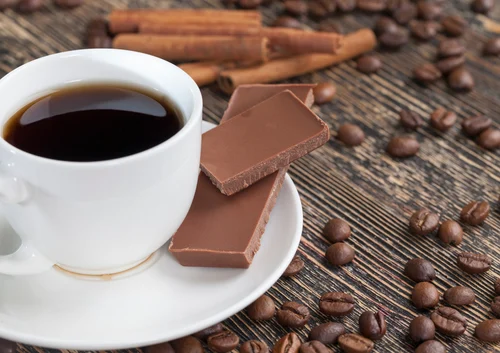
The growing trend of backyard poultry farming has transformed millions of suburban gardens into small-scale egg production hubs. However, as chickens transition from utility livestock to beloved family pets, they are increasingly exposed to human dietary habits that can prove fatal. Among the most significant yet often overlooked hazards in the poultry world are chocolate and various sources of caffeine. While these substances are staples of the human diet, they contain chemical compounds that act as potent toxins to avian physiology. Veterinary experts and poultry specialists warn that even small quantities of these substances can lead to rapid physiological decline, cardiac distress, and sudden death in chickens. Understanding the biochemical interaction between these stimulants and the avian system is essential for any poultry keeper committed to the long-term health and productivity of their flock.
The Biochemical Profile of Toxicity: Methylxanthines and Theobromine
The primary danger in chocolate and caffeine-laden products lies in a class of alkaloids known as methylxanthines. In the context of poultry health, the two most concerning compounds are caffeine and theobromine. While humans have evolved efficient metabolic pathways to process and excrete these stimulants, chickens possess a highly sensitive cardiovascular and central nervous system that reacts violently to their presence.
Caffeine acts as a powerful stimulant that targets the heart and the brain. When ingested by a chicken, it triggers an immediate increase in heart rate and blood pressure. Because chickens already have naturally high metabolic rates and heartbeats—ranging from 220 to 360 beats per minute depending on the breed and activity level—the introduction of a stimulant like caffeine can push the heart beyond its physical limits. This often results in arrhythmias or total cardiac arrest.

Theobromine, found predominantly in chocolate, is perhaps even more dangerous due to its half-life in the avian body. Chickens lack the specific enzymes required to break down theobromine effectively. As the compound accumulates in the bloodstream, it acts as a vasodilator, a diuretic, and a heart stimulant. The inability to process this compound means that even a "one-time" snack of a chocolate-covered treat can lead to toxic buildup, resulting in symptoms ranging from severe gastrointestinal distress to fatal seizures.
Chronology of Ingestion: From Consumption to Critical Failure
The reaction to caffeine or chocolate poisoning in chickens follows a predictable and often rapid timeline. Because birds have a high rate of digestion, the onset of symptoms can occur within 30 to 60 minutes of ingestion.
- Initial Phase (0–1 Hour): Shortly after consuming coffee grounds, tea leaves, or chocolate, the chicken may exhibit signs of hyperactivity. Owners might notice the bird pacing, flapping wings excessively, or acting uncharacteristically restless. This is the result of the central nervous system reacting to the initial spike in methylxanthines.
- Intermediate Phase (1–3 Hours): As the toxins enter the circulatory system, the respiratory rate increases. The bird may begin to pant (open-beak breathing) as it attempts to regulate its rising body temperature and heart rate. Digestive upset begins during this phase, often manifesting as projectile vomiting or watery diarrhea.
- Critical Phase (3–6 Hours): If the dosage was significant, the bird will enter a state of neurological distress. This includes tremors, loss of muscular coordination (ataxia), and eventually seizures. The heart rate becomes erratic, and the bird may collapse.
- Terminal Phase: Without immediate intervention—which is often difficult in avian medicine—the bird will slip into a coma. Death typically occurs due to respiratory failure or cardiac arrest.
Identifying Common Sources of Exposure
Many poultry keepers unintentionally expose their flocks to these toxins through household waste and composting. It is a common misconception that chickens can act as "living garbage disposals" for all organic kitchen scraps.
Coffee Grounds and Tea Bags
Many gardeners use spent coffee grounds as a nitrogen-rich additive for soil or compost. However, if chickens are allowed to free-range in areas where fresh grounds have been spread, they may ingest them while foraging for grit or insects. Similarly, tea bags—both used and unused—contain concentrated levels of caffeine and tannins that can be harmful.

Sports Drinks and Sodas
While it may seem unlikely for a chicken to consume soda, many "homesteading hacks" suggest adding electrolytes to water during heatwaves. If a keeper mistakenly uses human sports drinks containing caffeine or "energy" blends, they are inadvertently poisoning their birds.
Baked Goods and Junk Food
Chocolate donuts, cocoa-dusted pastries, and chocolate chip cookies are double-threats. Beyond the theobromine in the chocolate, these items contain high levels of processed sugars and trans fats. Chickens are not equipped to handle high caloric density from refined sugars, which can lead to fatty liver hemorrhagic syndrome (FLHS) over time, even if the caffeine levels are not immediately lethal.
Comparative Sensitivity and Data Analysis
To understand the severity of the risk, it is helpful to compare avian sensitivity to that of more common household pets. While it is well-documented that chocolate is toxic to dogs and cats, chickens have a much lower body mass and a faster metabolism, which exacerbates the effects of the toxin.
Research into avian toxicology suggests that the LD50 (the dose required to be lethal to 50% of a test population) for caffeine in birds is significantly lower than in mammals. For a standard-sized Rhode Island Red hen weighing approximately 6 pounds, the ingestion of just a few grams of dark chocolate or a tablespoon of concentrated coffee grounds can reach toxic thresholds.

Furthermore, the type of chocolate matters. White chocolate contains negligible amounts of theobromine, but milk chocolate and especially dark chocolate or baker’s cocoa contain high concentrations. Dark chocolate can contain up to ten times more theobromine than milk chocolate, making it an extreme "red zone" substance for poultry.
Expert Perspectives and Official Recommendations
Poultry experts, including renowned author and fifth-generation chicken keeper Lisa Steele, emphasize a "nature-first" approach to feeding. The consensus among veterinary professionals is that a chicken’s diet should consist of 90% high-quality balanced layer feed, with the remaining 10% coming from safe, natural treats such as leafy greens, non-citrus fruits, and protein sources like mealworms.
In response to the rise in accidental poisonings, many avian veterinarians have issued standing warnings against feeding any "table scraps" that have not been strictly vetted. "The avian heart is a high-performance engine," says one veterinary consultant. "Introducing a chemical stimulant like caffeine is like putting the wrong fuel in a jet engine—it might run fast for a moment, but the internal damage is catastrophic and often irreversible."
The official stance from agricultural extensions is clear: if a food item contains any derivative of the cacao bean or any form of synthetic or natural caffeine, it must be kept strictly out of reach of the flock.

Broader Implications for the Backyard Flock
The danger of chocolate and caffeine is symptomatic of a larger issue in modern poultry keeping: the "humanization" of livestock. As chickens move from the barnyard to the backyard, owners are tempted to share their snacks with their birds. This trend has led to an increase in dietary-related illnesses, including obesity, egg binding due to poor nutrition, and acute toxicity.
The economic impact of losing a hen to preventable poisoning should also be considered. A productive laying hen represents a significant investment in time, feed, and care. Beyond the emotional loss, the sudden death of a bird due to a chocolate snack represents a loss of future egg production and potential flock stability, as the "pecking order" is disrupted by the sudden absence of a member.
Preventative Strategies and Safe Alternatives
To ensure the safety of a backyard flock, keepers should implement a strict dietary protocol. This includes:
- Secure Composting: Ensure that compost bins containing coffee grounds or tea bags are fully enclosed and inaccessible to foraging birds.
- Neighbor Education: Inform neighbors—especially those with children—that feeding "treats" over the fence can be dangerous.
- Vetting Scraps: Before emptying a kitchen scrap bucket into the run, double-check for any remnants of brownies, chocolate cake, or caffeinated beverages.
- Focus on Healthy Treats: Instead of processed human foods, provide chickens with "flock blocks," watermelon (for hydration), pumpkin seeds (a natural dewormer), and kale. These provide enrichment without the risk of cardiac failure.
Conclusion: A Commitment to Avian Welfare
While a single chocolate chip might not kill a large rooster instantly, the cumulative effect of methylxanthines and the inherent risk of cardiac distress make these substances entirely unsuitable for poultry. The professional journalistic consensus and veterinary data point to a singular conclusion: there is no safe amount of chocolate or caffeine for a chicken. By adhering to a diet that mirrors their natural nutritional needs and avoiding the pitfalls of human "junk food," poultry keepers can ensure their flocks remain healthy, productive, and vibrant. In the world of avian husbandry, prevention is the only effective cure for toxicity. Maintaining a "caffeine-free" coop is a fundamental step in responsible and ethical bird management.
