
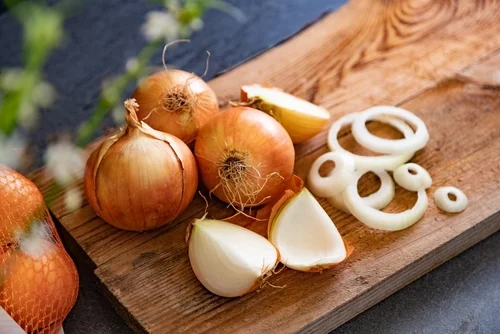
The rising popularity of backyard poultry keeping has led to an increased interest in sustainable waste management, specifically the practice of feeding kitchen scraps to chickens. While chickens are often celebrated as the "ultimate recyclers" of the homestead, veterinary experts and experienced poultry advocates are sounding the alarm regarding certain common household vegetables. Chief among these concerns is the onion, a staple of human diets that poses a significant biological threat to avian health. The primary culprit is a chemical compound known as thiosulphate, a toxin that can induce a cascade of physiological failures in chickens, ranging from hemolytic anemia to systemic organ distress.
The Biochemical Mechanism of Thiosulphate Toxicity
To understand why onions are hazardous to chickens, one must examine the specific interaction between allium compounds and avian blood chemistry. Onions, along with other members of the Allium genus, contain organosulfur compounds. When these plants are damaged—through slicing, chewing, or digestion—enzymes convert these compounds into a variety of sulfur-containing oxidants, including thiosulphate.

In the avian body, thiosulphate acts as a potent oxidizing agent. Its primary target is the red blood cell (erythrocyte). Unlike mammals, birds have nucleated red blood cells, but they remain highly susceptible to oxidative stress. Thiosulphate interferes with the function of glucose-6-phosphate dehydrogenase, an enzyme crucial for maintaining the integrity of the red blood cell membrane. When this enzyme is compromised, the hemoglobin within the cell begins to denature and precipitate, forming small, dark inclusions known as Heinz bodies.
The presence of Heinz bodies signals the chicken’s spleen to identify the red blood cell as damaged or foreign. The immune system subsequently destroys these cells at a rate far exceeding the bone marrow’s ability to produce replacements. This process leads to Heinz body anemia, a condition characterized by a drastic reduction in the blood’s oxygen-carrying capacity. Because oxygen is vital for every metabolic process, from egg production to thermoregulation, the impact of this anemia is profound and potentially lethal.
Clinical Symptoms and the Progression of Allium Poisoning
The onset of symptoms following onion ingestion can be deceptive. Depending on the quantity consumed and the size of the bird, clinical signs may not appear immediately. However, as the destruction of red blood cells progresses, owners may observe a distinct timeline of decline.

The initial stage of toxicity often manifests as lethargy. A chicken that was previously active and foraging may become sedentary, standing with ruffled feathers and tucked heads. As the oxygen levels in the bloodstream drop, the bird’s respiratory system attempts to compensate, leading to tachypnea (rapid breathing) or panting, even in the absence of heat stress.
As the condition worsens, the lack of oxygen leads to muscular weakness. Chickens may struggle to roost or move toward food and water sources. Digestive upset is also common, with diarrhea frequently reported in cases of acute poisoning. In severe or chronic cases, the breakdown of red blood cells releases excessive amounts of bilirubin into the system, which can result in jaundice. While jaundice is more difficult to detect in birds than in humans, it may manifest as a yellowish tint to the skin or the whites of the eyes (sclera) in certain breeds.
If the dose of thiosulphate is high enough, or if the bird is fed small amounts of onions consistently over a long period, the cumulative damage can lead to heart failure or multi-organ collapse. Experts note that there is no specific "safe" threshold for onions in a chicken’s diet, as sensitivity can vary based on the age, breed, and overall health of the individual bird.

Categorizing the Allium Family: From Onions to Scallions
The risk to poultry is not limited to the common yellow or red onion. The Allium genus is vast, and many of its members are common fixtures in vegetable gardens and kitchens. Each of these contains varying concentrations of thiosulphate and related sulfur compounds.
- Onions (Red, White, and Yellow): These contain the highest concentrations of toxic compounds and are considered the most dangerous. Both the bulb and the green stalks carry the toxin.
- Shallots: Often considered a gourmet alternative to onions, shallots are closely related and carry a similar toxic profile.
- Leeks: While milder in flavor to humans, leeks contain sufficient thiosulphate to cause red blood cell damage in poultry if consumed in significant quantities.
- Chives and Scallions: These are frequently found in herb gardens. While a single blade of chive may not kill a chicken, their inclusion in "salad bars" or garden grazing can lead to cumulative toxicity.
The persistent nature of the toxin is also a factor. Thiosulphate is not deactivated by cooking, drying, or processing. Whether raw, sautéed, or powdered, the chemical structure remains stable enough to cause harm upon ingestion. This makes leftover dishes—such as soups, stews, or stir-fries—particularly risky if they contain hidden onion components.
The Garlic Paradox: Benefits Versus Risks
One of the most debated topics in poultry nutrition is the use of garlic (Allium sativum). While garlic belongs to the same family as onions, its chemical composition differs in one crucial aspect: it contains significantly lower levels of thiosulphate. Conversely, it is rich in allicin, a compound known for its antimicrobial, antifungal, and immune-boosting properties.

Lisa Steele, a prominent expert in backyard poultry and the founder of Fresh Eggs Daily, has long advocated for the controlled use of garlic in chicken care. Steele and other practitioners note that the health benefits of garlic often outweigh the negligible risks, provided it is administered correctly. Garlic is frequently used to support the respiratory systems of birds and to act as a natural deterrent for internal parasites.
Research suggests that for garlic to cause hemolytic anemia in chickens, a bird would have to consume an unnaturally large volume of fresh cloves. In contrast, the use of garlic powder or garlic-infused water provides the medicinal benefits of allicin with a minimal thiosulphate load. Many keepers integrate garlic powder into daily feed rations at a ratio of approximately 1-2% of the total feed volume. However, even with garlic, moderation is key, and it is generally recommended to avoid feeding whole, raw cloves in excess.
Expert Analysis and Industry Recommendations
The consensus among avian veterinarians and poultry scientists is one of "precautionary avoidance." Because chickens are relatively small animals, their metabolic systems can be easily overwhelmed by toxins that a human or a larger livestock animal might tolerate.

"The potential health benefits of onions—which are minimal for a bird—are far outweighed by the catastrophic risk of blood disorders," states the prevailing veterinary guidance. This sentiment is echoed by poultry advocacy groups who emphasize that the primary diet of a chicken should consist of high-quality, balanced commercial feed designed to meet their specific protein and calcium requirements.
From a broader perspective, the "onion issue" highlights a gap in education for the modern homesteading movement. As more urban and suburban residents take up chicken keeping, there is a tendency to anthropomorphize the birds’ nutritional needs. While humans benefit from the flavonoids and antioxidants in onions, the avian digestive tract is fundamentally different. The industry’s response has been to increase the availability of "toxic food lists" and to encourage keepers to view treats as a small supplement (no more than 10%) of the total diet.
Broader Implications for Flock Management
The death or illness of a flock due to preventable poisoning has economic and emotional implications for the keeper. In a backyard setting, the loss of a laying hen represents the loss of a food source and the investment of months of care. In a larger-scale organic or free-range operation, the accidental introduction of toxic scraps could lead to a significant drop in egg production and increased veterinary costs.

To mitigate these risks, experts suggest a three-tiered approach to flock nutrition:
- Source Control: Clearly separating kitchen scraps. A "chicken-safe" bucket should be established in the kitchen where onions, avocado skins, chocolate, and salty foods are strictly prohibited.
- Foraging Management: Ensuring that garden spaces where chickens roam are free of ornamental alliums or escaped onion plants.
- Education: Ensuring that all members of the household or farm staff understand why certain "healthy" vegetables are off-limits for the birds.
In conclusion, while the image of a chicken happily pecking at kitchen leftovers is a hallmark of the sustainable farm, it requires a foundation of scientific understanding. The onion, despite its culinary utility for humans, remains a biological hazard for poultry. By prioritizing avian-safe alternatives—such as leafy greens, cucumbers, and berries—keepers can ensure the longevity and productivity of their flocks while avoiding the hidden dangers of the allium family. The use of garlic remains a viable holistic tool, but it must be distinguished from its more toxic relatives through careful dosage and informed application.
