
On April 17, 2026, a landmark joint proposal was officially released by the Seal River Watershed Alliance, the Manitoba government, and the government of Canada, outlining plans to designate a vast 12-million-acre ecosystem in northern Manitoba as an Indigenous Protected and Conserved Area (IPCA). This monumental initiative aims to safeguard one of the world’s largest intact watersheds, integrating both a provincial and a national park within its boundaries. The announcement marks a pivotal moment for conservation in Canada, representing a significant stride towards protecting critical biodiversity, advancing reconciliation with Indigenous peoples, and bolstering national climate action efforts. Audubon, a key partner in this endeavor, has expressed profound celebration for this historic milestone, extending congratulations to the four First Nations — the Sayisi Dene First Nation, Northlands Dene First Nation, Barren Lands First Nation, and O-Pipon-Na-Piwin Cree Nation — whose collective leadership through the Seal River Watershed Alliance has driven this initiative forward. The current phase invites public commentary, offering citizens a crucial opportunity to contribute to the permanent protection of this invaluable natural and cultural landscape.
A Vision for Multi-Layered Protection and Co-Management
The proposed agreement outlines a sophisticated, multi-layered approach to conservation that marries Indigenous governance with established provincial and federal protected area frameworks. Under the proposal, the entire 12-million-acre area will be designated as an IPCA, recognizing and empowering the inherent rights and responsibilities of the First Nations as traditional stewards of their ancestral territories. Complementing this, the eastern third of the watershed is slated to become a national park, bringing the robust protection and management expertise of Parks Canada. Simultaneously, the western two-thirds will be designated a provincial park, managed under Manitoba’s legislative framework for protected areas. This innovative structure ensures a comprehensive and adaptive management strategy that respects diverse legal and cultural perspectives. Crucially, the proposal mandates a co-management model, ensuring shared decision-making and operational responsibilities among the four First Nations, the Manitoba government, and Parks Canada. This collaborative governance framework is central to the IPCA concept, reflecting a commitment to reconciliation and self-determination by placing Indigenous knowledge and practices at the heart of conservation efforts.
The Ecological Heartbeat of a Continent: The Seal River Watershed
The Seal River Watershed, located in the remote expanse of northern Manitoba, represents an ecological marvel of global significance. Spanning an area equivalent to 8% of Manitoba’s landmass and 0.5% of Canada’s total territory, this enormous ecosystem remains remarkably pristine and largely untouched by industrial development. Its intactness is a rare and precious attribute in a world grappling with habitat fragmentation and degradation.
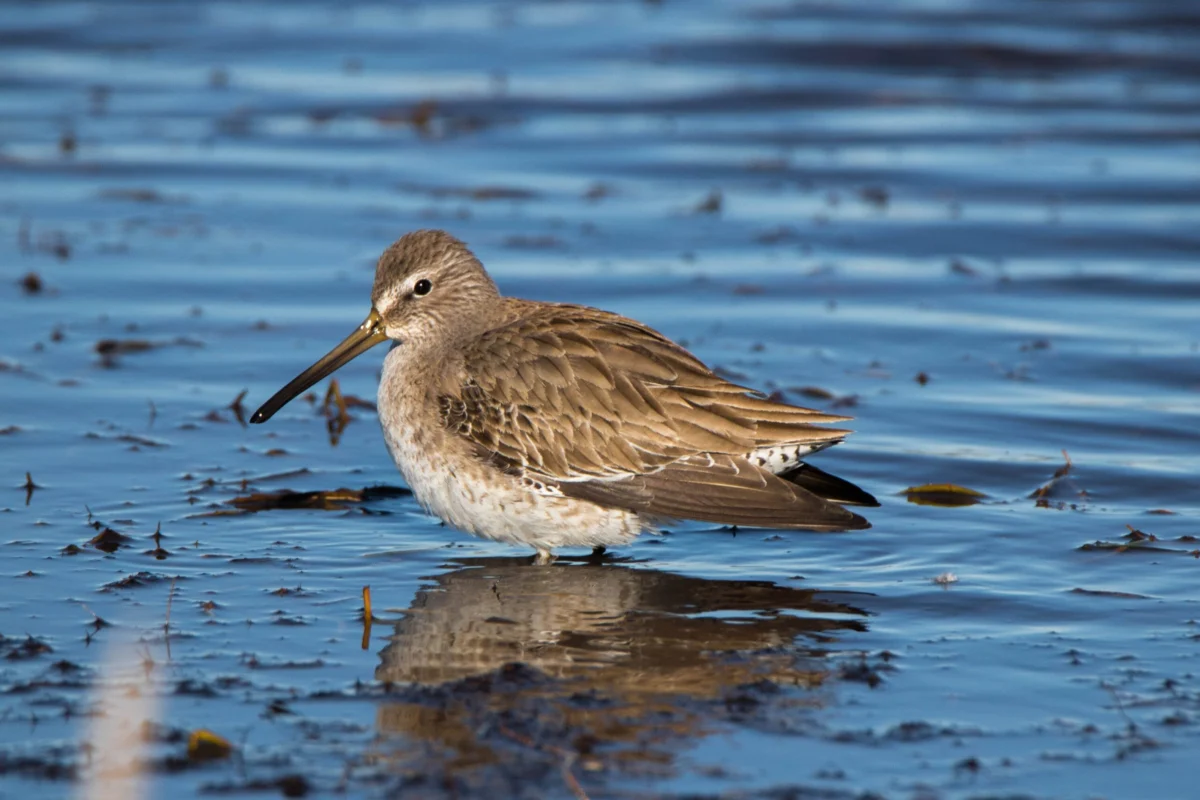
This vast wilderness is a veritable haven for an astonishing array of wildlife, underpinning the health of numerous species across the hemisphere. Annually, an estimated 10 million birds converge here to breed, transforming the landscape into a vibrant nursery for avian life. Millions more migratory birds utilize these vital habitats as critical refueling and resting points during their epic journeys across the Americas, highlighting the watershed’s indispensable role in continental flyways.
The Seal River Watershed is also a crucial wintering ground for nearly 200,000 caribou, specifically the Qamanirjuaq herd, whose survival depends on the undisturbed lichen-rich tundra and boreal forests found within its boundaries. The health of this caribou population is a vital indicator of ecosystem integrity and holds profound cultural significance for Indigenous communities. Furthermore, the estuaries of the Seal River are an essential summer migration destination for beluga whales, hosting approximately one-third of the world’s beluga population. Their annual congregating in the river’s warmer, shallower waters for calving and feeding underscores the watershed’s unique marine-freshwater interface and its importance to Arctic biodiversity.
Beyond these iconic species, the watershed teems with a rich tapestry of life, including apex predators such as wolverines, polar bears, and wolves, which thrive in its expansive wilderness. Its freshwater systems support 26 species of fish, providing a foundation for aquatic food webs. The landscape itself is a mosaic of boreal forest, vast peatlands, tundra, and countless lakes and rivers, supporting a myriad of insects, plants, trees, and fungi, all interconnected in a complex and resilient ecosystem. These peatlands and boreal forests also function as immense carbon sinks, storing billions of tons of carbon and playing a critical role in global climate regulation, making their protection a significant contribution to climate change mitigation efforts.
A Decadal Journey: The Chronology of Protection
The journey towards this historic proposal has been a testament to sustained Indigenous leadership and collaborative effort, spanning several years of dedicated work:
- 2019: The Seal River Watershed Alliance was formally established by the Sayisi Dene First Nation, Northlands Dene First Nation, Barren Lands First Nation, and O-Pipon-Na-Piwin Cree Nation. This alliance was forged out of a shared vision to permanently conserve their ancestral lands and waters, drawing upon generations of traditional ecological knowledge and stewardship practices. Around this time, Audubon began its crucial partnership with the Alliance, providing scientific and communications support.
- Early 2024: A significant step forward was taken with the signing of a Memorandum of Understanding (MOU) between the governments of Manitoba and Canada, and the Seal River Watershed Alliance. This MOU formalized their commitment to collaborate on a feasibility study, which would rigorously assess the practicality, benefits, and potential challenges of establishing a large-scale protected area in the region.
- March 2025: The findings of the comprehensive feasibility report were released. This report delivered a resounding affirmation that conserving northern Manitoba’s Seal River Watershed was not only achievable but also enjoyed widespread public support. Crucially, it underscored how the initiative would significantly contribute to Canada’s national conservation targets and advance reconciliation goals, providing a robust evidence base for the subsequent negotiations.
- Post-March 2025: Following the positive feasibility report, the Seal River Watershed Alliance, the Manitoba Government, and the Government of Canada engaged in intensive negotiations. These discussions focused on the intricate details of developing a concrete protected area proposal, meticulously defining the boundaries, management structures, and legal frameworks for the IPCA, national park, and provincial park components.
- April 17, 2026: The culmination of these efforts arrived with the public release of the joint proposed agreement. This document initiates the public comment period, inviting stakeholders and the broader public to review the proposal and provide feedback, ensuring transparency and inclusivity in the final stages of the designation process.
Scientific Foundations and Strategic Partnerships
The robust scientific understanding of the Seal River Watershed’s ecological value has been a cornerstone of the conservation initiative, significantly bolstered by the long-standing partnership between Audubon and the Seal River Watershed Alliance. Since 2019, this collaboration has spanned critical areas including scientific research, strategic communications, government relations, and public engagement, all aimed at supporting the establishment of the IPCA.
A particularly impactful joint project involved a comprehensive research effort to survey the remote avian habitats across the watershed. Utilizing autonomous recording units (ARUs), sound-monitoring devices were strategically placed in bird-rich areas by Indigenous Land Guardians. These guardians, with their intimate knowledge of the territory, ensured optimal placement and maintenance of the devices. The collected acoustic data was subsequently analyzed by Audubon staff, allowing for the identification of a diverse array of bird species present in these pristine environments.
In 2024, the Seal River Watershed Alliance and Audubon published a crucial three-year summary report detailing the results of this extensive avian monitoring project. The report meticulously documented the incredible biodiversity of the region’s birdlife, providing concrete scientific evidence of its global importance as a breeding ground and migratory stopover. This data served as a powerful tool in advocating for the region’s protection, underscoring the ecological urgency and significance of the initiative to policymakers and the public alike.
Further cementing their commitment and recognizing the Alliance’s pioneering work, Audubon honored the Seal River Watershed Alliance in 2025 with the inaugural Hemispheric Conservation Award. This prestigious award acknowledged the Alliance’s outstanding dedication and leadership in conserving this globally important watershed, spotlighting their efforts as a model for Indigenous-led conservation worldwide.
Official Responses and Broader Implications
The release of the joint proposal has been met with widespread acclaim, reflecting the collaborative spirit and shared objectives of all parties involved.
A spokesperson for the Seal River Watershed Alliance emphasized the profound significance of the proposal for Indigenous communities: "This is a monumental step towards protecting our ancestral lands and waters, not just for the benefit of the ecosystem, but for the health and well-being of our Dene and Cree peoples for generations to come. It affirms our inherent rights and responsibilities as traditional stewards, ensuring that our cultural heritage and traditional practices can continue to thrive alongside the pristine environment. This IPCA is reconciliation in action, a testament to the power of self-determination and partnership."
The Manitoba government highlighted the dual benefits of the initiative. A representative stated, "This partnership demonstrates Manitoba’s unwavering commitment to reconciliation and to safeguarding our province’s unparalleled natural heritage. The Seal River Watershed’s protection will secure vital ecosystems and biodiversity, while also opening doors for sustainable economic opportunities, such as Indigenous-led ecotourism and research, which will benefit local communities and the entire province."
From the Government of Canada, officials from Parks Canada and Environment and Climate Change Canada underscored the national and international implications. "This initiative is a shining example of how Indigenous leadership is absolutely crucial to achieving Canada’s ambitious conservation targets, including protecting 25% of our lands and waters by 2025 and working towards 30% by 2030," commented a federal representative. "It represents a world-class conservation effort that not only protects a globally significant ecosystem but also meaningfully advances reconciliation by recognizing and empowering Indigenous governance and traditional knowledge. It sets a powerful precedent for future conservation efforts across the country and globally."
Conservation organizations, including Audubon, echoed these sentiments. "We applaud the collaborative efforts and Indigenous leadership demonstrated in this historic proposal," stated a representative from Audubon. "The Seal River Watershed is unequivocally critical for countless migratory birds and global biodiversity, serving as an irreplaceable ecological engine. Its protection, spearheaded by First Nations, sets a powerful and inspiring precedent for how effective, equitable conservation can be achieved."
The establishment of the Seal River Watershed IPCA carries profound broader implications, extending far beyond its geographical boundaries:
- Advancing Reconciliation: This initiative serves as a tangible and transformative step towards reconciliation with Indigenous peoples in Canada. By formally recognizing Indigenous governance and traditional knowledge in conservation, it addresses historical injustices and empowers First Nations in decisions concerning their ancestral territories, aligning with the principles of the United Nations Declaration on the Rights of Indigenous Peoples (UNDRIP).
- A New Paradigm for Conservation: The IPCA model, particularly when integrated with national and provincial park designations and co-management, positions Canada as a global leader in Indigenous-led conservation. It offers a powerful framework for other nations seeking to achieve biodiversity targets through respectful and equitable partnerships with Indigenous communities.
- Critical Climate Action: The vast, intact boreal forests and extensive peatlands of the Seal River Watershed are massive carbon sinks, playing an indispensable role in mitigating climate change. Their permanent protection ensures the continued sequestration of atmospheric carbon, directly contributing to Canada’s national and international climate targets and enhancing ecosystem resilience against a changing climate.
- Sustainable Economic Development: Beyond environmental benefits, the IPCA has the potential to foster sustainable economic opportunities for local Indigenous communities. This includes Indigenous-led ecotourism ventures, research partnerships, and employment opportunities in stewardship and monitoring, providing long-term benefits that are harmonized with conservation goals.
- Empowering Indigenous Governance: The co-management framework signifies a paradigm shift from mere consultation to genuine power-sharing and shared decision-making. It validates and integrates Indigenous legal orders and governance structures into mainstream conservation, creating a more holistic and effective approach to land stewardship.
The Path Forward: Public Engagement and Enduring Stewardship
As the proposal enters the public comment period, it is crucial for individuals, organizations, and communities to engage with the details and provide their perspectives. This phase is vital for refining the agreement and ensuring that the final designation is robust, inclusive, and reflective of broad public support. The permanent protection of the Seal River Watershed is not merely about safeguarding landscapes; it is about preserving an entire way of life, ensuring the continued existence of countless species—from the White-throated Sparrows and Common Loons to Hudsonian Whimbrels, Tennessee Warblers, Lesser Yellowlegs, polar bears, belugas, and caribou—and upholding the cultural vitality of the Dene and Cree Peoples who have lived on, used, and stewarded these lands since time immemorial. The successful establishment of this IPCA will stand as a monumental achievement, a beacon of hope for conservation and reconciliation in the 21st century.
