
A comprehensive biological survey across the diverse landscapes of Southern Mexico has successfully recorded 407 species of birds, supplemented by 21 additional species identified through distinct vocalizations. The expedition, which traversed the states of Oaxaca, Chiapas, and Tabasco, with a strategic foray into Campeche, provides a critical snapshot of the region’s avian health and ecological diversity. Southern Mexico serves as a vital biological corridor, connecting the Nearctic and Neotropical realms, and this recent survey underscores the area’s significance for both resident endemics and migratory species.

The fourteen-day journey documented a remarkable range of families, including 28 species of hummingbirds, six species of trogons, 14 species of woodpeckers, 18 species of wrens, 18 species of sparrows, 36 species of warblers, and nine species of orioles. These findings highlight the complex stratification of habitats in the region, ranging from high-altitude cloud forests and pine-oak woodlands to xeric scrub and lowland tropical marshes.

The Highlands of Oaxaca: A Center of Endemism
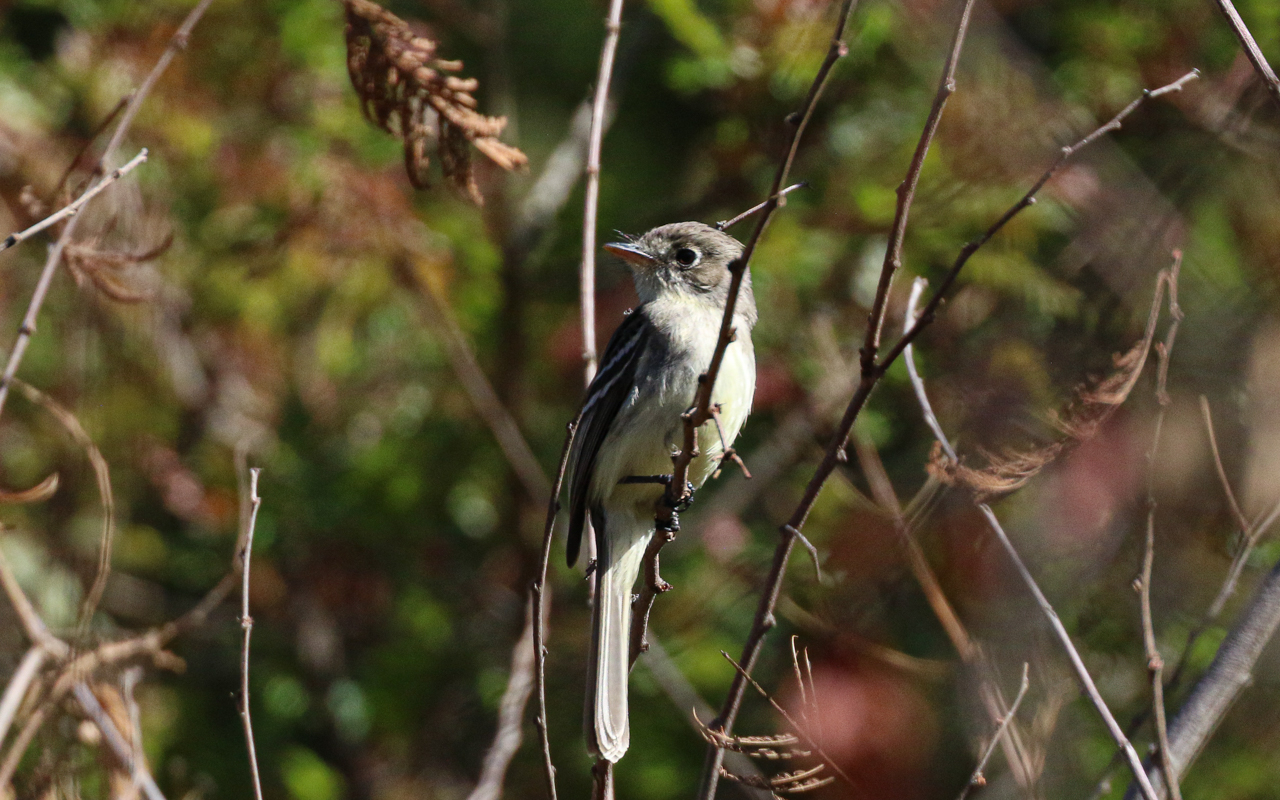
The expedition commenced in the city of Oaxaca, a region globally recognized for its high levels of avian endemism. The initial phase of the survey focused on the Central Valley and the Sierra Madre de Oaxaca. The local environment, characterized by xeric scrub at the base of the mountains, yielded sightings of the West Mexican Chachalaca, Pileated Flycatcher, and the Oaxaca Sparrow. These species are highly adapted to the arid, brush-filled landscapes that define the rain shadow of the Sierra Madre.
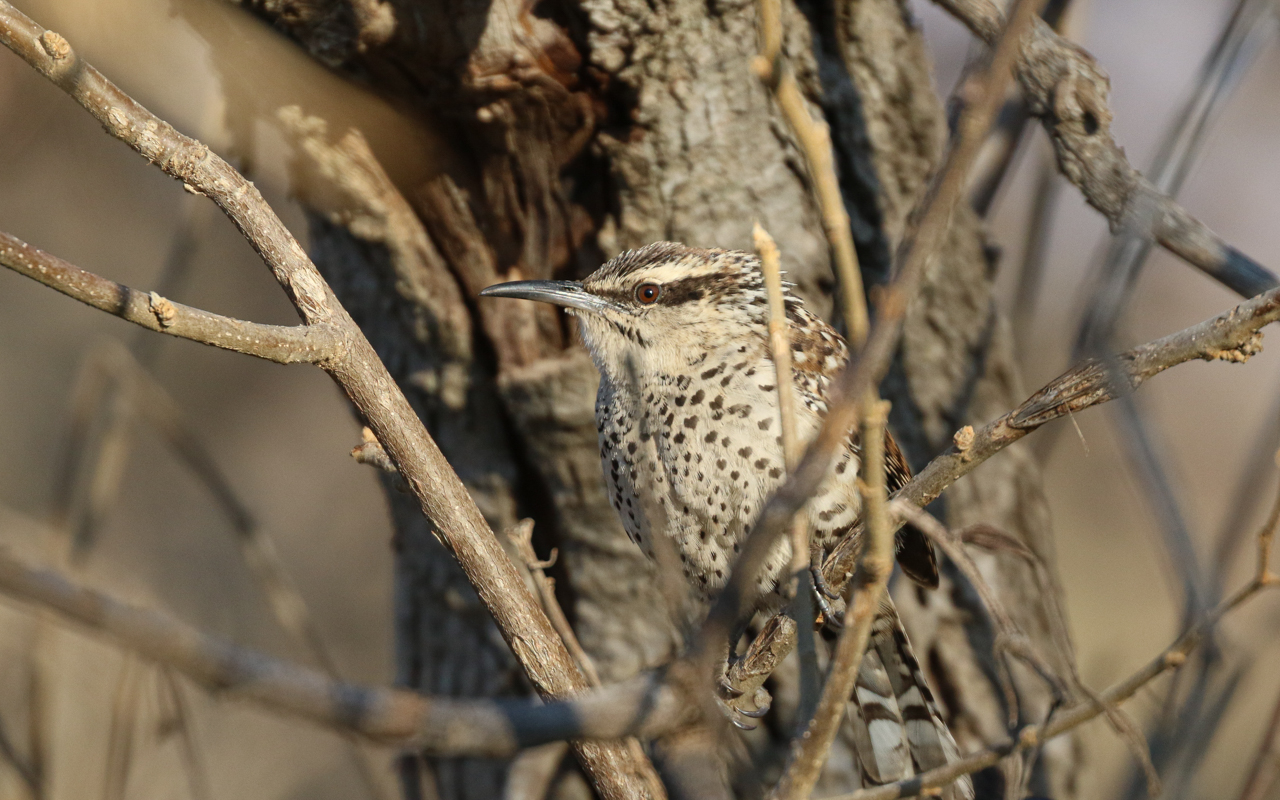
As the survey moved higher into the mountains toward Benito Juarez, the vegetation transitioned from scrub to oak and pine forests. This altitudinal shift was mirrored by a change in bird communities. Significant observations included the Painted Redstart, White-eared Hummingbird, and the Coppery-tailed Trogon. A highlight of the high-altitude survey occurred at Cumbre Ixtepeji, where the team documented the Gray-barred Wren and the Dwarf Jay. These two species often travel in mixed-species foraging flocks, an ecological strategy that increases predator detection and foraging efficiency in the dense moss-covered oak forests.
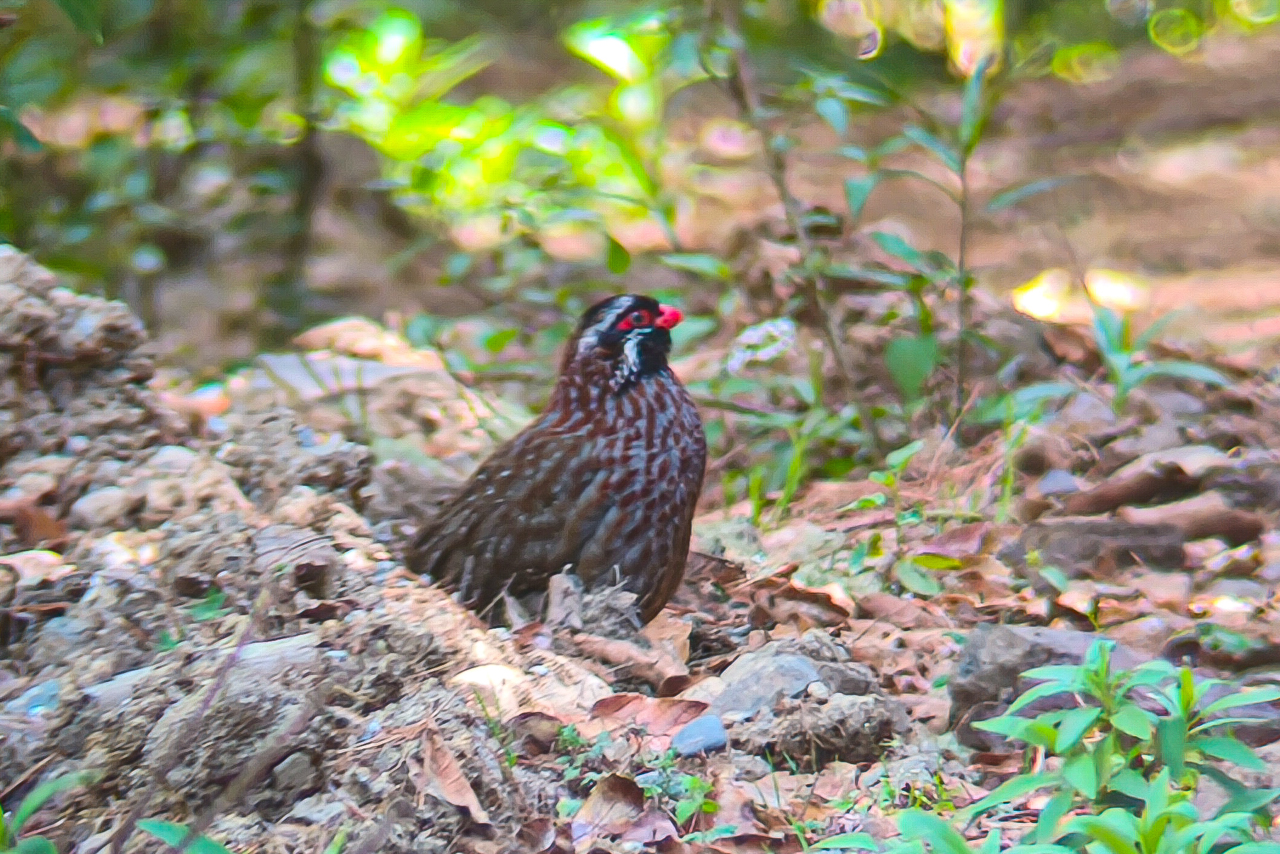
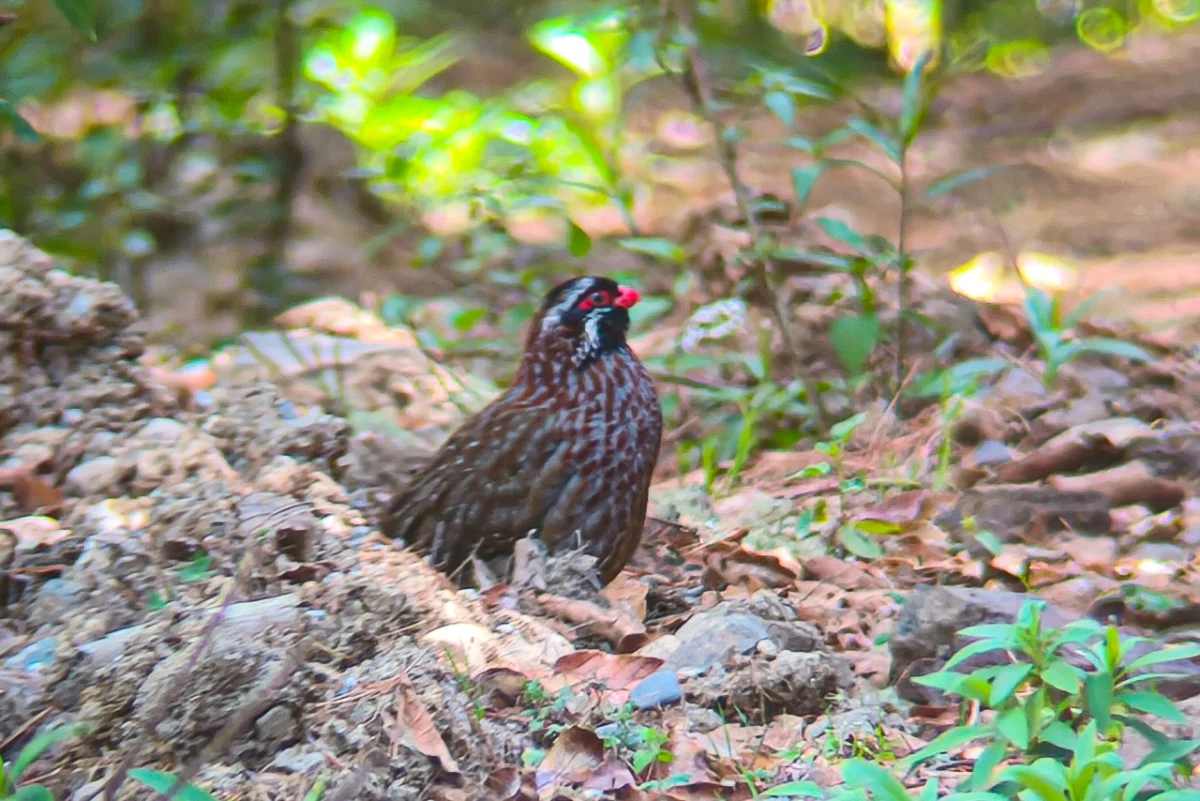
The presence of the Long-tailed Wood-Partridge, a species often difficult to observe due to its secretive nature, was particularly noteworthy. The individual recorded showed unusual habituation to human presence, providing a rare opportunity for detailed documentation.

Archaeological Sites as Biodiversity Refuges
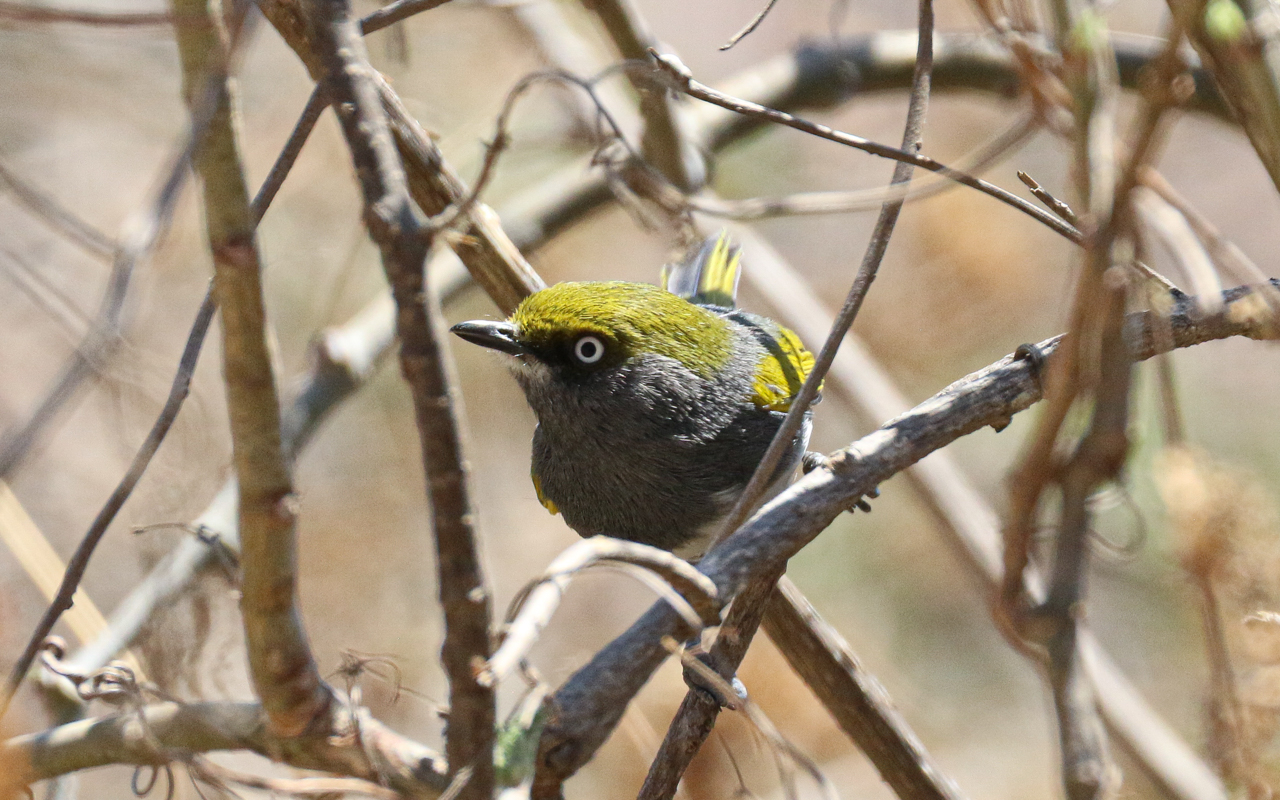
The survey also highlighted the role of archaeological zones as significant refuges for local wildlife. At Monte Albán, a major Zapotec site, researchers observed the Ocellated Thrasher and the Slaty Vireo. These sites, often protected from agricultural expansion and urban development, maintain patches of original vegetation that serve as critical habitats for species that have been displaced elsewhere.
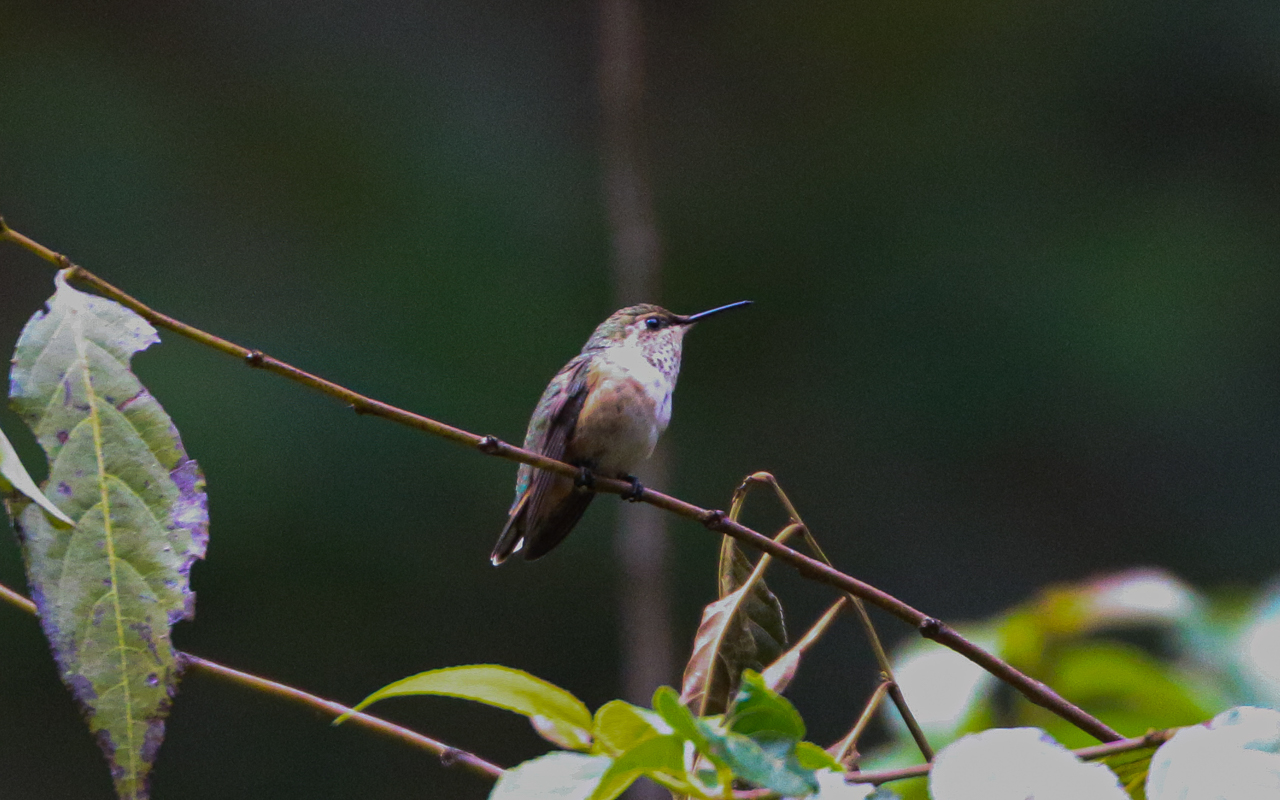
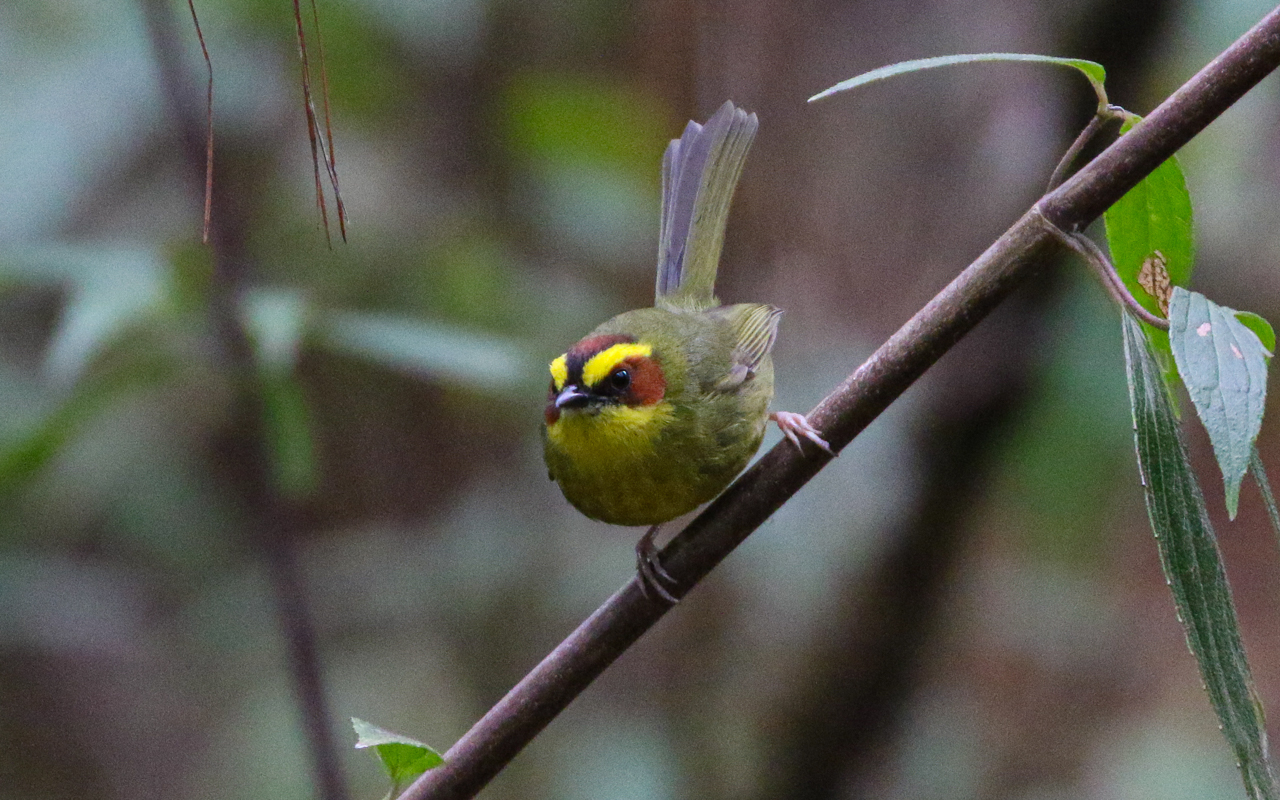
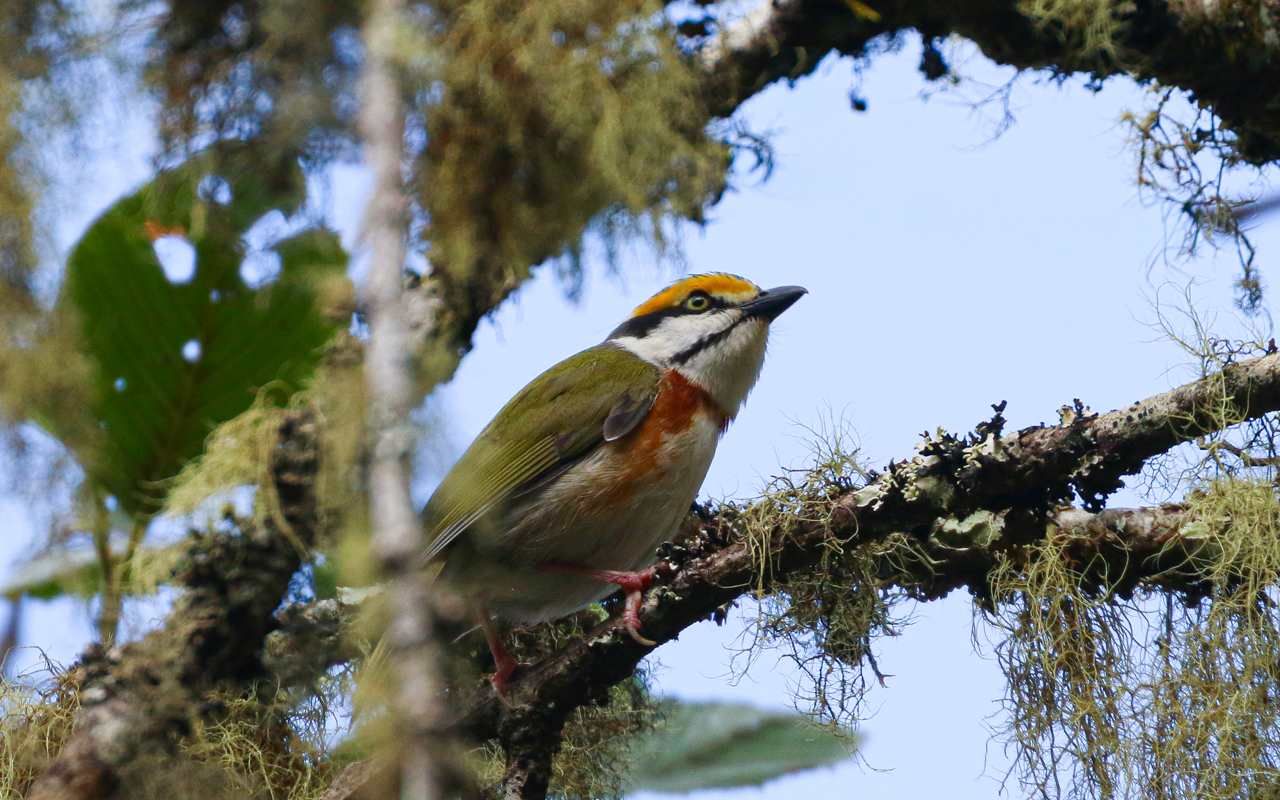
The transition toward the Sierra Madre del Sur involved moving through diverse microclimates. In the humid pine-oak forests, the team recorded the Golden-browed Warbler and the Chestnut-sided Shrike-Vireo. The latter is known for its loud, persistent vocalizations, which are essential for territory maintenance in the thick canopy. The survey also documented the Bumblebee Hummingbird, one of the smallest avian species in the world, emphasizing the need for specialized floral resources within these montane ecosystems.
The Pacific Slope and the Isthmus of Tehuantepec
Descending toward the Pacific coast, the expedition entered the dry tropical forests of Huatulco National Park. This ecosystem is distinct for its deciduous trees that shed leaves during the dry season to conserve water. Here, the survey added several Western Mexico endemics to the record, including the Citreoline Trogon, Russet-crowned Motmot, and the Orange-breasted Bunting.
The Pacific coast also provided an opportunity to observe pelagic and coastal species. Highlights included the Blue-footed Booby and a surprise encounter with the Lesser Ground Cuckoo in the coastal dune vegetation. The presence of humpback whales offshore further illustrated the biological richness of the Oaxacan coast.
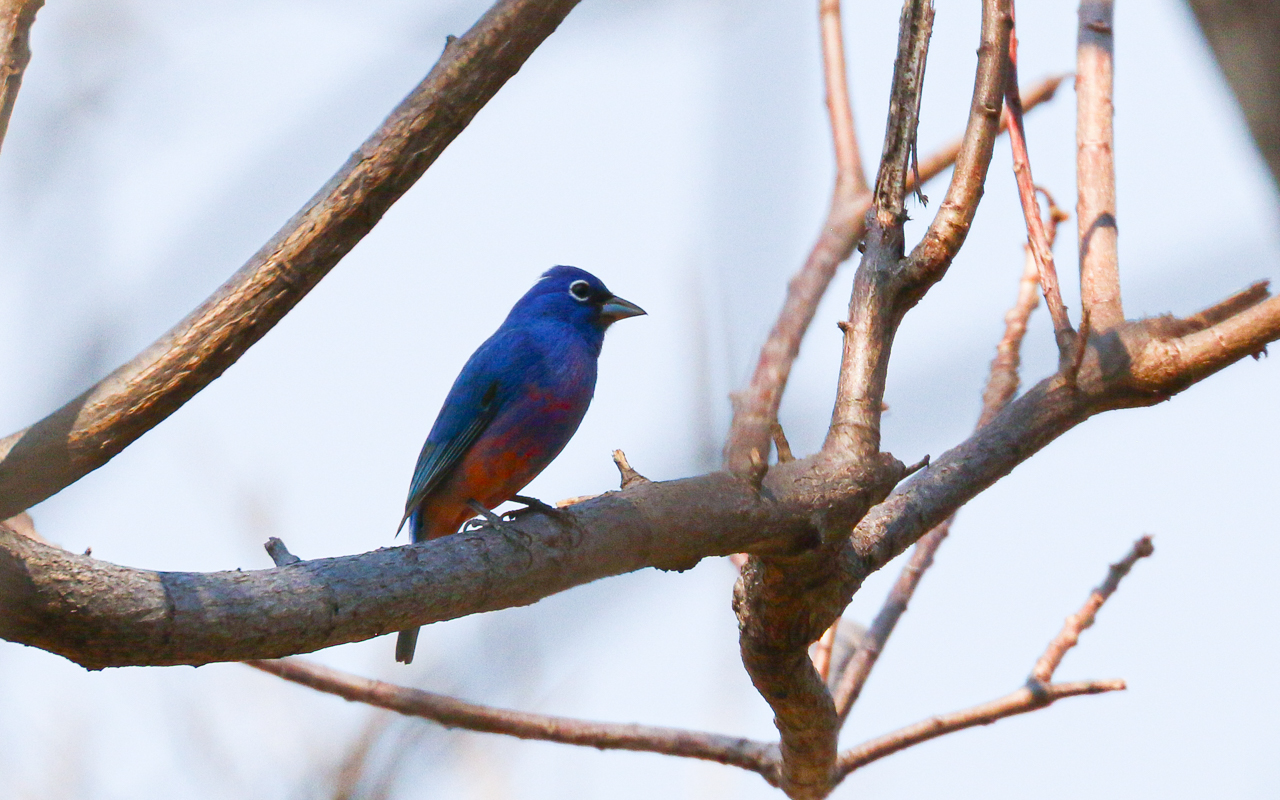
In the Isthmus of Tehuantepec, the narrowest point between the Gulf of Mexico and the Pacific Ocean, the team focused on the Rose-bellied Bunting. This species is a micro-endemic, restricted to a small geographic range within the Isthmus. Six individuals were recorded foraging in Torchwood trees (Bursera sp.), confirming the continued presence of this vulnerable species in its specialized habitat. The Isthmus is characterized by low-stature trees, a physical adaptation to the intense "Tehuantepecer" winds that scour the region.
The Chiapas Highlands and Central American Influence
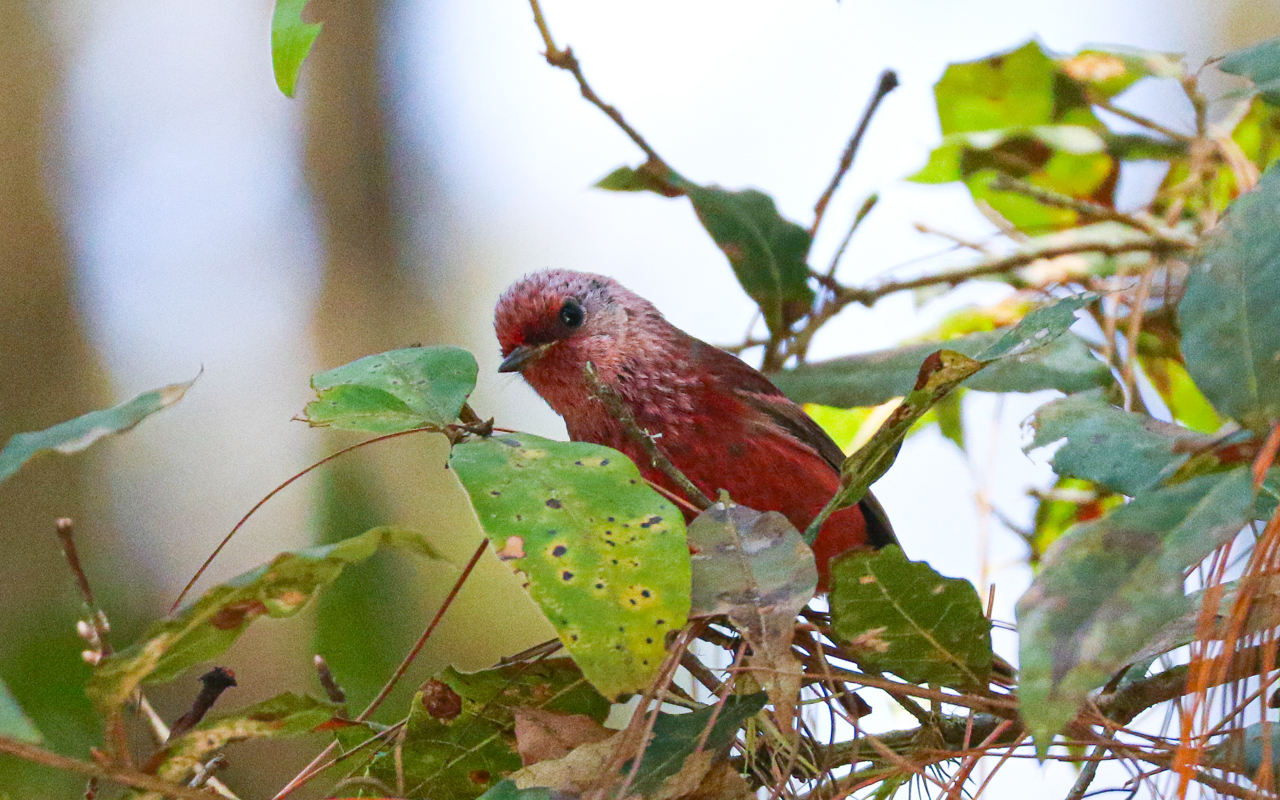
As the survey moved into Chiapas, the influence of Central American avifauna became more pronounced. In the Montetik Reserve and the cloud forests of Tzontehuitz, the team recorded species such as the Unicolored Jay and the Pink-headed Warbler. The Pink-headed Warbler, with its striking plumage, is a flagship species for the high-altitude forests of Chiapas and Guatemala. Its presence is a key indicator of the health of these bromeliad-rich pine-oak forests.
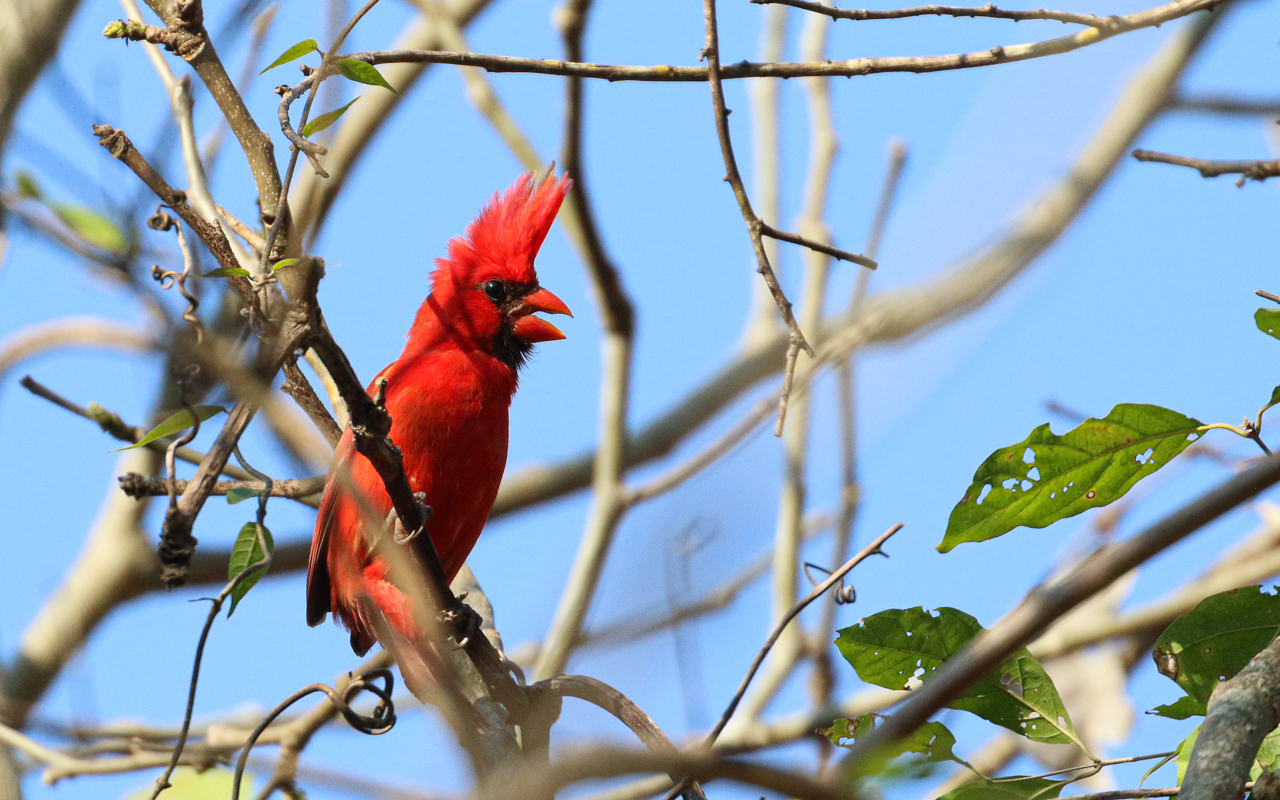
The survey also included a detailed study of the Sumidero Canyon, a deep natural gorge carved by the Grijalva River. The canyon’s vertical walls create a range of altitudinal niches within a very small horizontal distance. Researchers witnessed a spectacular mixed-species flock feeding on a swarm of ants, a phenomenon known as "army ant following." This flock included the Fan-tailed Warbler, Red-throated Ant-Tanager, and several species of woodcreepers. The observation of both male and female Blue Seedeaters feeding on bamboo shoots provided important data on the dietary habits of this elusive species.
The Tropical Lowlands and the Chimalapas
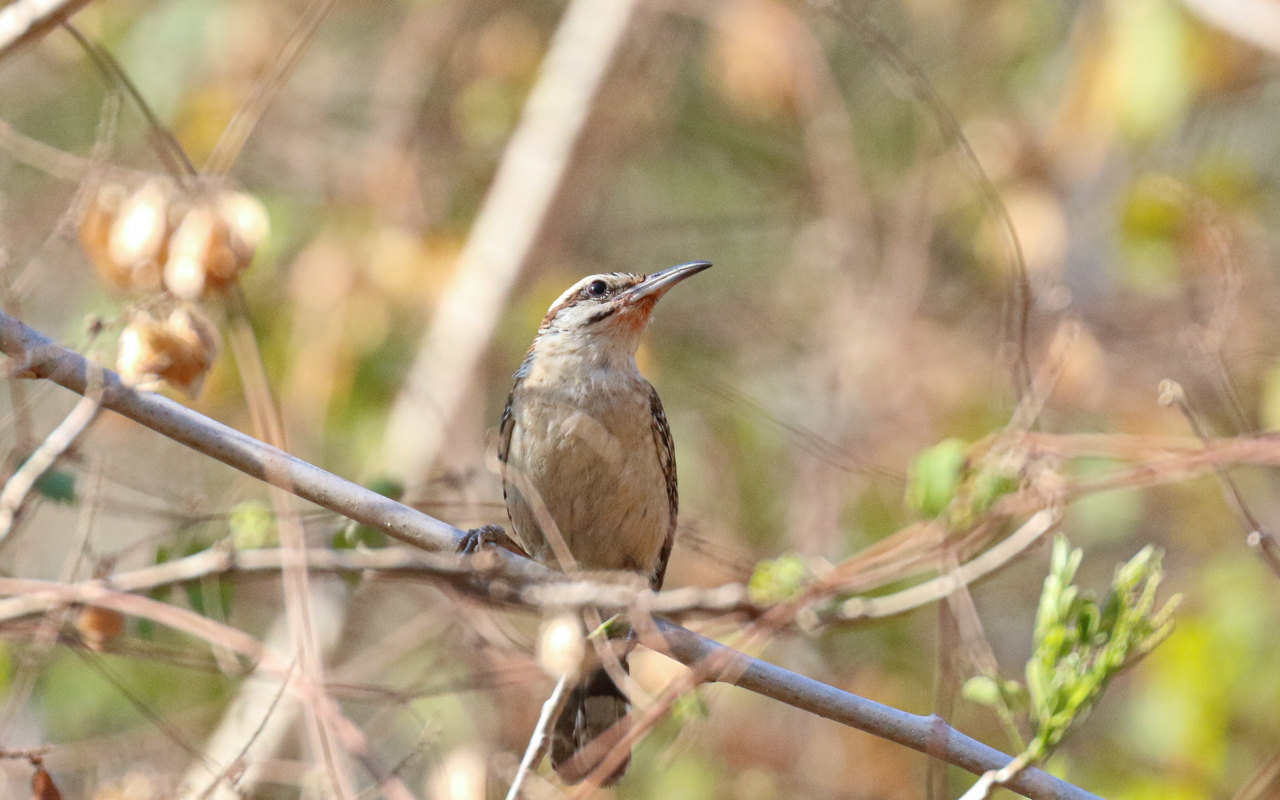
The final stages of the expedition focused on the humid tropical forests of the El Ocote Biosphere Reserve and the ruins of Palenque. In El Ocote, the team successfully located the Nava’s Wren, a micro-endemic species that lives exclusively in the karst (limestone) outcrops of the Chimalapas region. The species is highly specialized, and its survival is inextricably linked to the preservation of these unique geological formations.

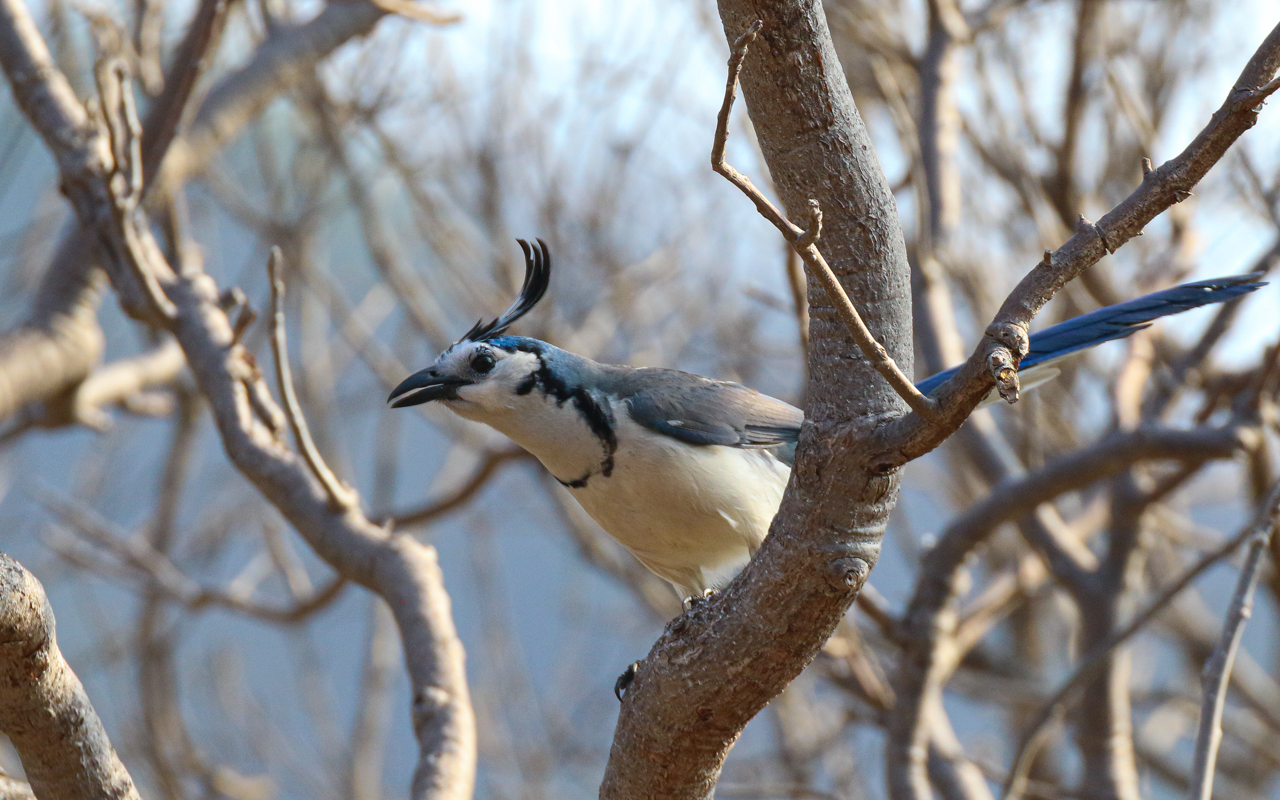
At the Palenque Archaeological Zone, the survey documented the intersection of Mayan history and tropical biodiversity. The surrounding rainforest, though fragmented, still supports apex predators and large frugivores. Sightings included the Keel-billed Toucan, Scarlet Macaw, and the Black-collared Hawk. The presence of Scarlet Macaws is particularly significant, as reintroduction programs in the region have sought to restore this iconic species to its historical range in the Palenque valley.
The Centla Marshes: Mexico’s "Little Pantanal"
The expedition concluded in Tabasco at the Centla Marshes (Pantanos de Centla), a UNESCO Biosphere Reserve and RAMSAR site. As one of the largest wetland systems in North America, Centla serves as a massive filtration system and a critical nursery for aquatic life.
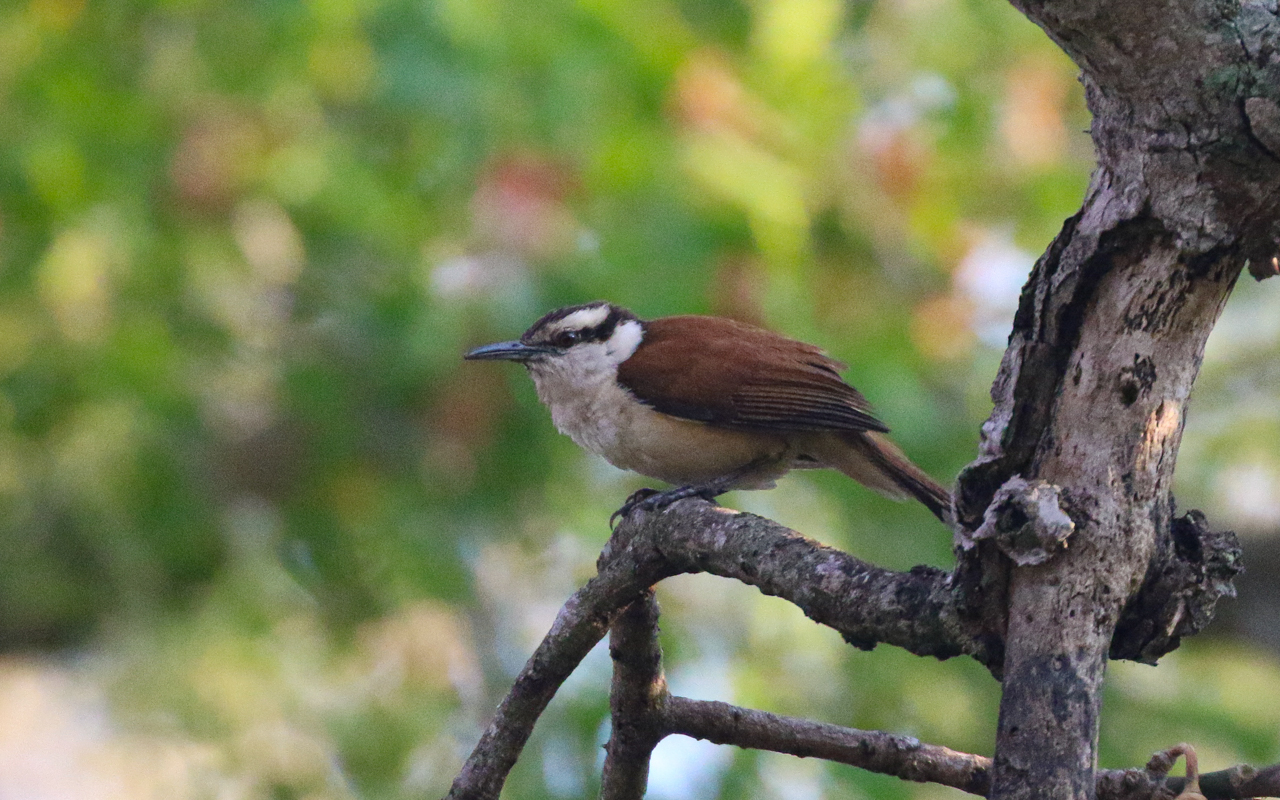
The survey recorded an impressive density of waterfowl and wading birds. Most notably, 31 individuals of the Jabiru—the largest stork in the Americas—were documented. The Jabiru is a species of high conservation concern in Mexico, with its population largely restricted to the wetlands of the southeast. Additionally, ten Pinnated Bitterns were observed, along with a variety of migratory shorebirds including Pectoral Sandpipers and Greater Yellowlegs. These wetlands are essential stopover points for birds traveling along the Mississippi and Central flyways.
Analysis of Implications and Conservation Status
The recording of 407 species over 14 days serves as a testament to the immense biological value of Southern Mexico. However, the data also highlights the vulnerabilities of these ecosystems. Many of the species recorded, such as the Nava’s Wren, the Pink-headed Warbler, and the Rose-bellied Bunting, are habitat specialists with very limited ranges.
Environmental experts suggest that the primary threats to this biodiversity remain habitat fragmentation due to agricultural expansion and the impacts of climate change on high-altitude cloud forests. The "cloud line" is rising, which reduces the available habitat for species that require the cool, moist conditions of the upper montane forests.
Furthermore, the expedition’s success underscores the importance of ecotourism as a viable economic alternative for local communities. In Teotitlán del Valle, for example, the integration of traditional weaving workshops with birding tourism provides a sustainable model that values both cultural heritage and natural capital.

The data gathered during this tour will contribute to broader avian databases used by ornithologists to track population trends and distribution shifts. As Southern Mexico continues to face developmental pressures, such comprehensive surveys are vital for informing conservation strategies and ensuring that the region remains a sanctuary for one of the world’s most diverse avian populations.
