
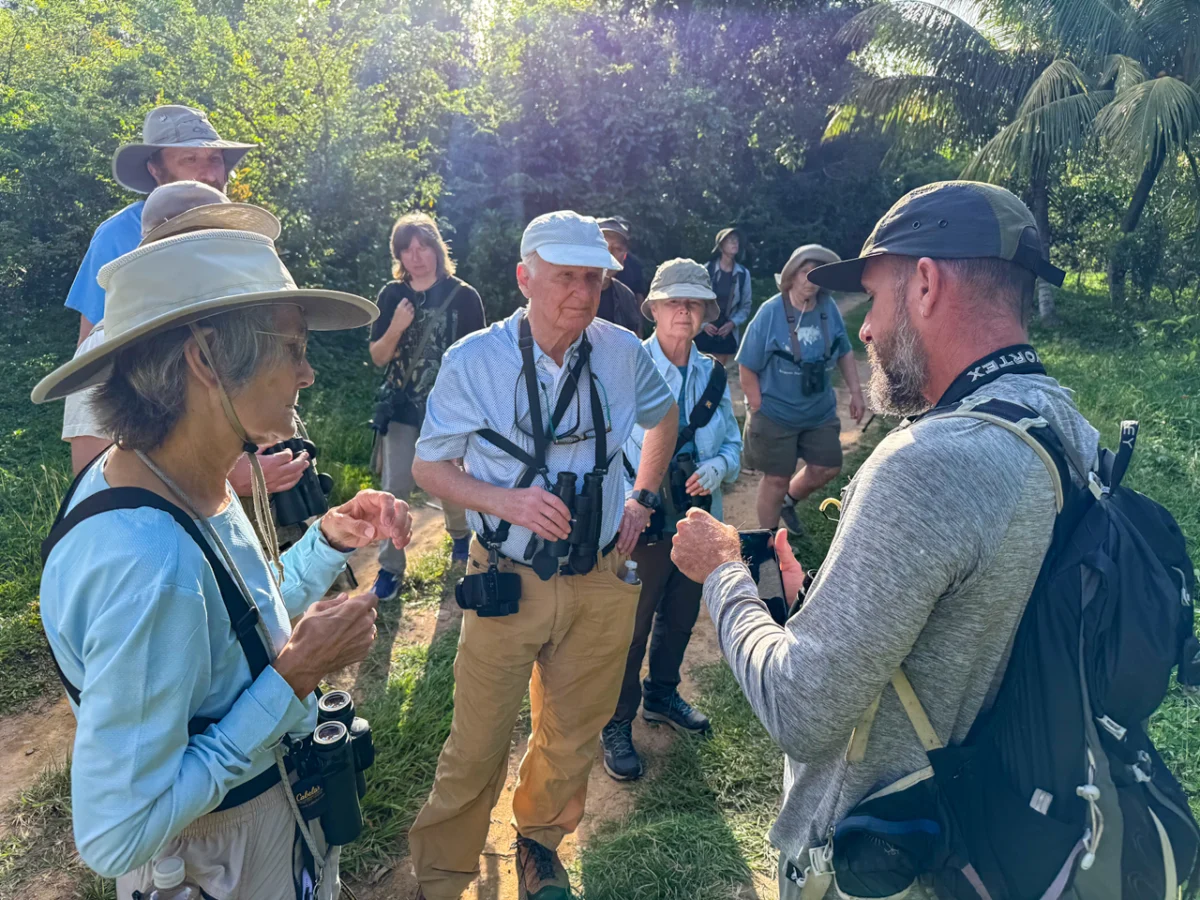
A comprehensive seven-day ornithological survey across the diverse ecosystems of Puerto Rico has concluded with a record-breaking documentation of 126 avian species, the highest total ever recorded for this specific expedition series. Conducted from March 3 to March 9, the tour traversed the island’s varied topographical regions, including the northern karst forests, the high-altitude Maricao Mountains, the arid southern scrublands, and the eastern tropical rainforests. The expedition provided critical observations of several endangered and endemic species, underscoring the success of local conservation initiatives and the island’s pivotal role as a sanctuary for both resident and migratory birds.
Scientific Significance and Expedition Objectives
The primary objective of the expedition was the observation and documentation of Puerto Rico’s 18 endemic bird species, alongside a survey of wintering North American migrants and Caribbean specialties. Puerto Rico, the smallest of the Greater Antilles, serves as a vital biological corridor. The expedition’s findings contribute to a broader understanding of avian population health following recent environmental challenges, including the long-term recovery of habitats after major hurricanes. By recording 126 species, the group provided a valuable data set that reflects the current state of biodiversity in the region’s most critical "Important Bird Areas" (IBAs).
Chronology of Observations: Northern Karst and Wetland Survey
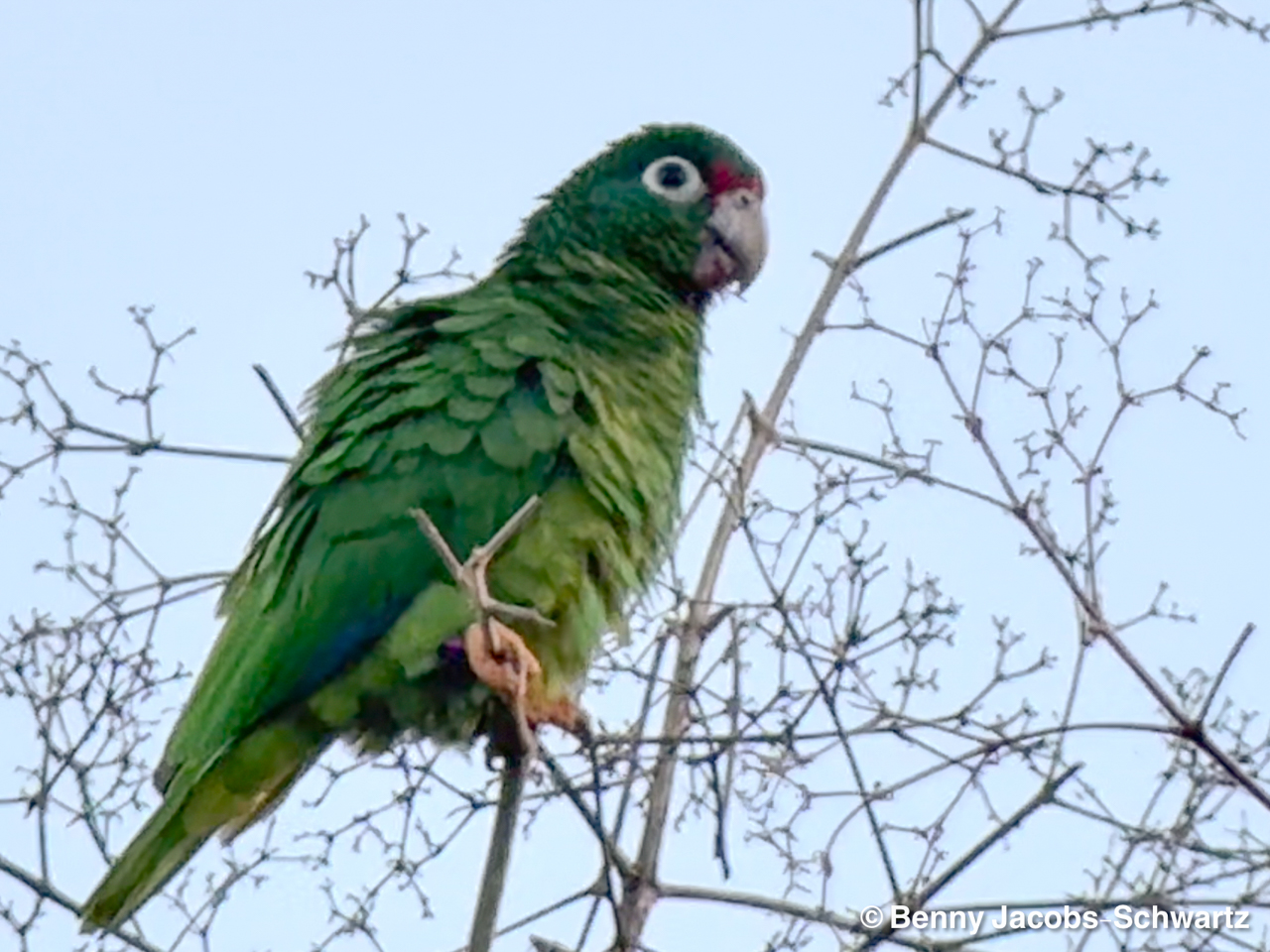
The expedition commenced on March 4, moving from San Juan to the northern karst region, a geological formation characterized by limestone ridges and sinkholes that provide a unique microclimate for specialized flora and fauna. The focus was the Río Abajo State Forest, a primary site for the Puerto Rican Amazon (Amazona vittata) recovery program. This parrot is one of the most endangered birds in the world; once reduced to only 13 individuals in the 1970s, intensive captive breeding and reintroduction efforts have established a resilient population in Río Abajo. Participants observed a pair of Amazons at the canopy level, followed by several foraging individuals.
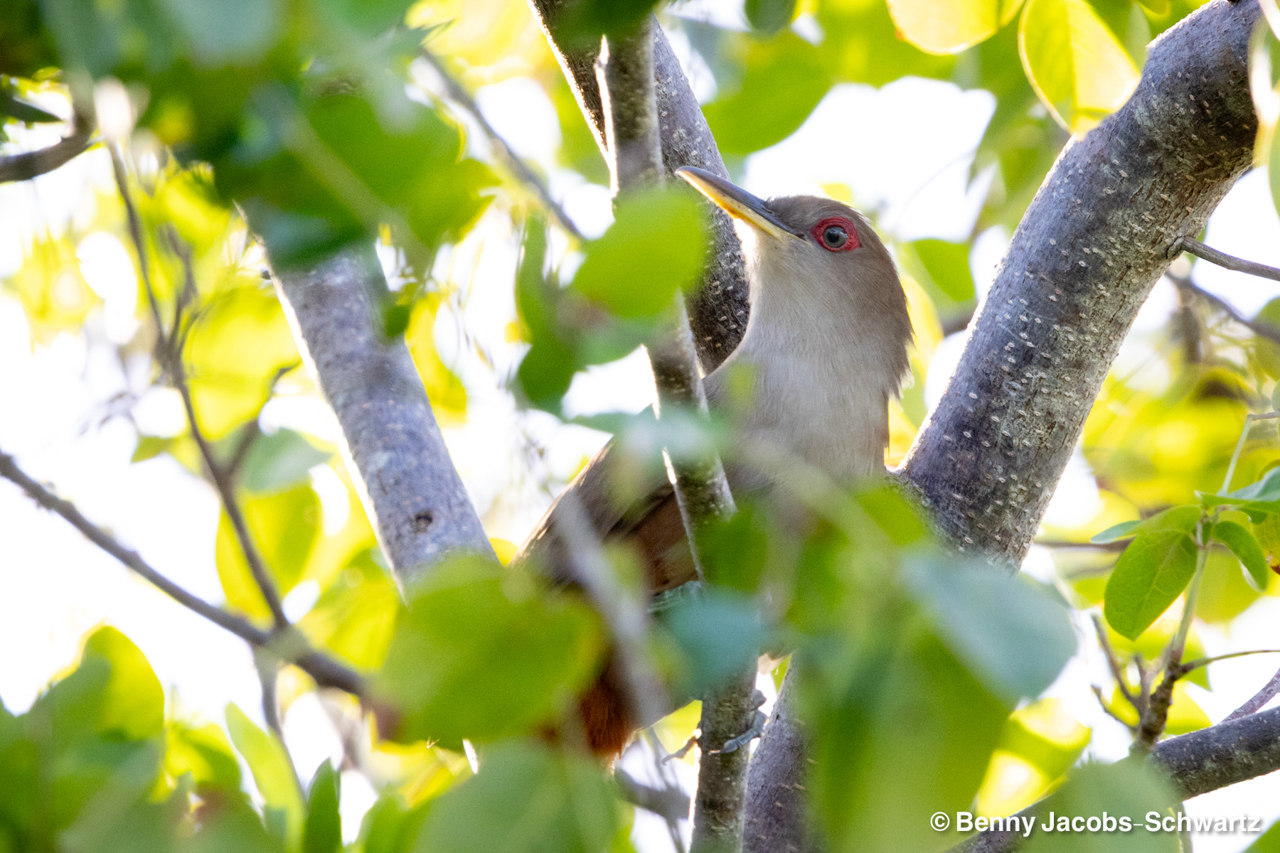
In addition to the parrots, the forest yielded sightings of the Puerto Rican Emerald (Riccordia maugaeus) and the elusive Puerto Rican Bullfinch (Loxigilla portoricensis). The observation of the endemic Puerto Rican Lizard-Cuckoo (Coccyzus vieilloti) and the endangered resident subspecies of the Broad-winged Hawk (Buteo platypterus brunnescens) highlighted the ecological health of the karst understory.
Following the forest survey, the group moved to the Arecibo River basin to inspect Charca Arizona. This ox-bow lake serves as a critical freshwater habitat. The sighting of a flock of West Indian Whistling-Ducks (Dendrocygna arborea), a species listed as "Vulnerable" by the IUCN, was a significant highlight. The presence of migratory waterfowl, including Blue-winged Teal and Ring-necked Ducks, confirmed the site’s importance as a wintering ground.
Northwestern Cliffs and the Southwestern Migratory Corridor
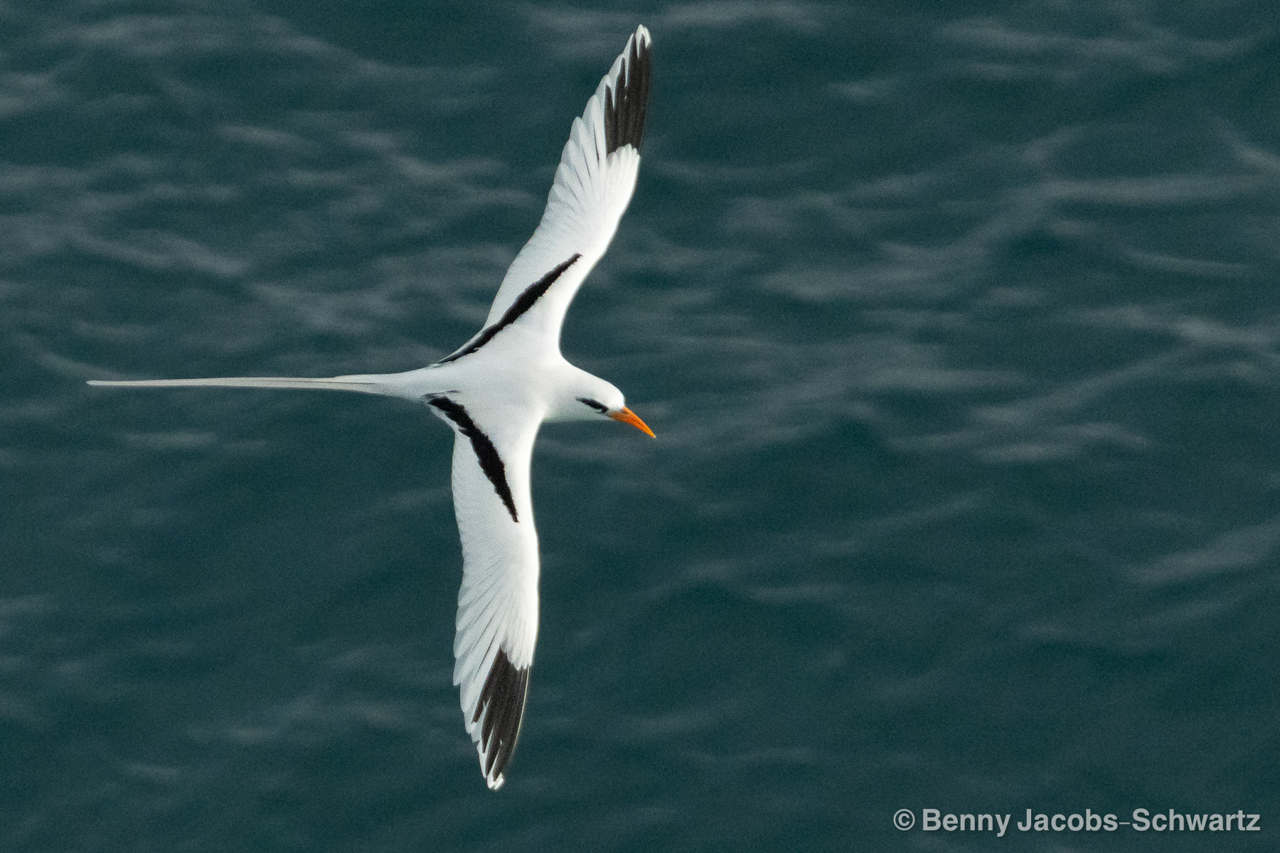
On March 5, the expedition transitioned to the northwestern coast, visiting Los Merenderos de Guajataca. This site offers a unique vantage point for observing pelagic and coastal species. The group documented White-tailed Tropicbirds (Phaethon lepturus) navigating nesting sites along the sheer limestone cliffs. The subsequent stop at Punta Boca Morena provided a census of mixed-species tern flocks, including Roseate Terns (Sterna dougallii), which are federally listed as endangered in the Caribbean.
The afternoon was dedicated to the Lajas Valley and the Cabo Rojo salt flats. The Lajas Valley is an agricultural region that has become a refuge for various introduced and native species. The expedition recorded an unusual variety of introduced finches, such as the Northern Red Bishop and Scaly-breasted Munia, which have established self-sustaining populations. However, the most scientifically significant sighting occurred at the Cartagena Lagoon, where four Masked Ducks (Nomonyx dominicus) were identified. The Masked Duck is a secretive species with nomadic tendencies, and its presence is often an indicator of high-quality wetland habitat.
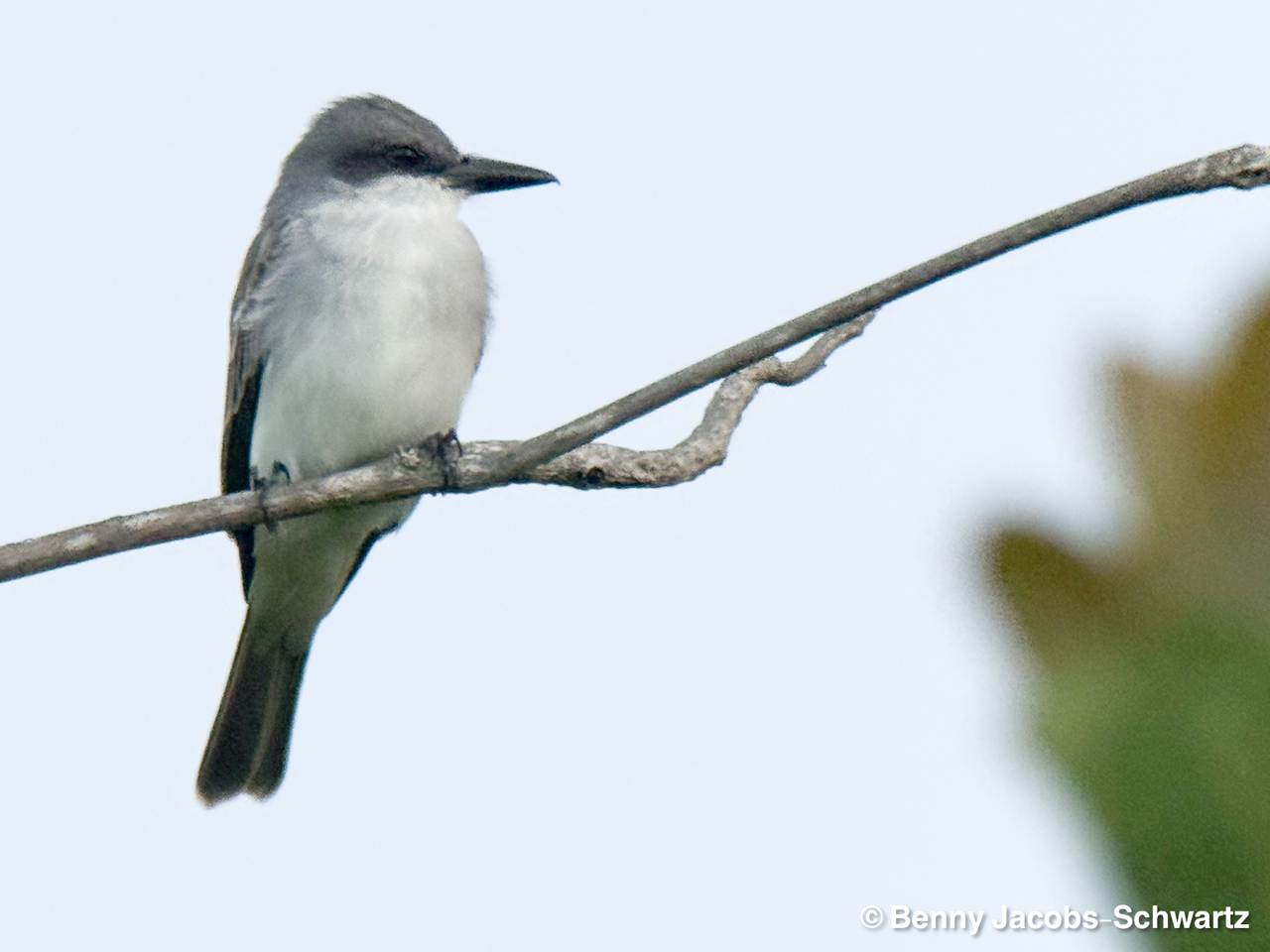
The day concluded in the mangroves of La Parguera. As dusk fell, the group successfully located the Puerto Rican Nightjar (Antrostomus noctitherus). Once thought to be extinct until its rediscovery in 1961, this nocturnal insectivore is restricted to the dry coastal forests of the southwest, making it one of the most localized endemics on the island.
Montane Ecosystems and the Elfin Woods Warbler
On March 6, the expedition ascended the Maricao Mountains, a region of high elevation and serpentine soils that host a distinct suite of "cloud forest" specialists. The primary target was the Elfin Woods Warbler (Setophaga angelae), a species only discovered by science in 1971. This warbler is an extreme habitat specialist, found primarily in the dense, stunted vegetation of high-altitude ridges. The group recorded four individuals, a high count that suggests a stable population within the Maricao State Forest.
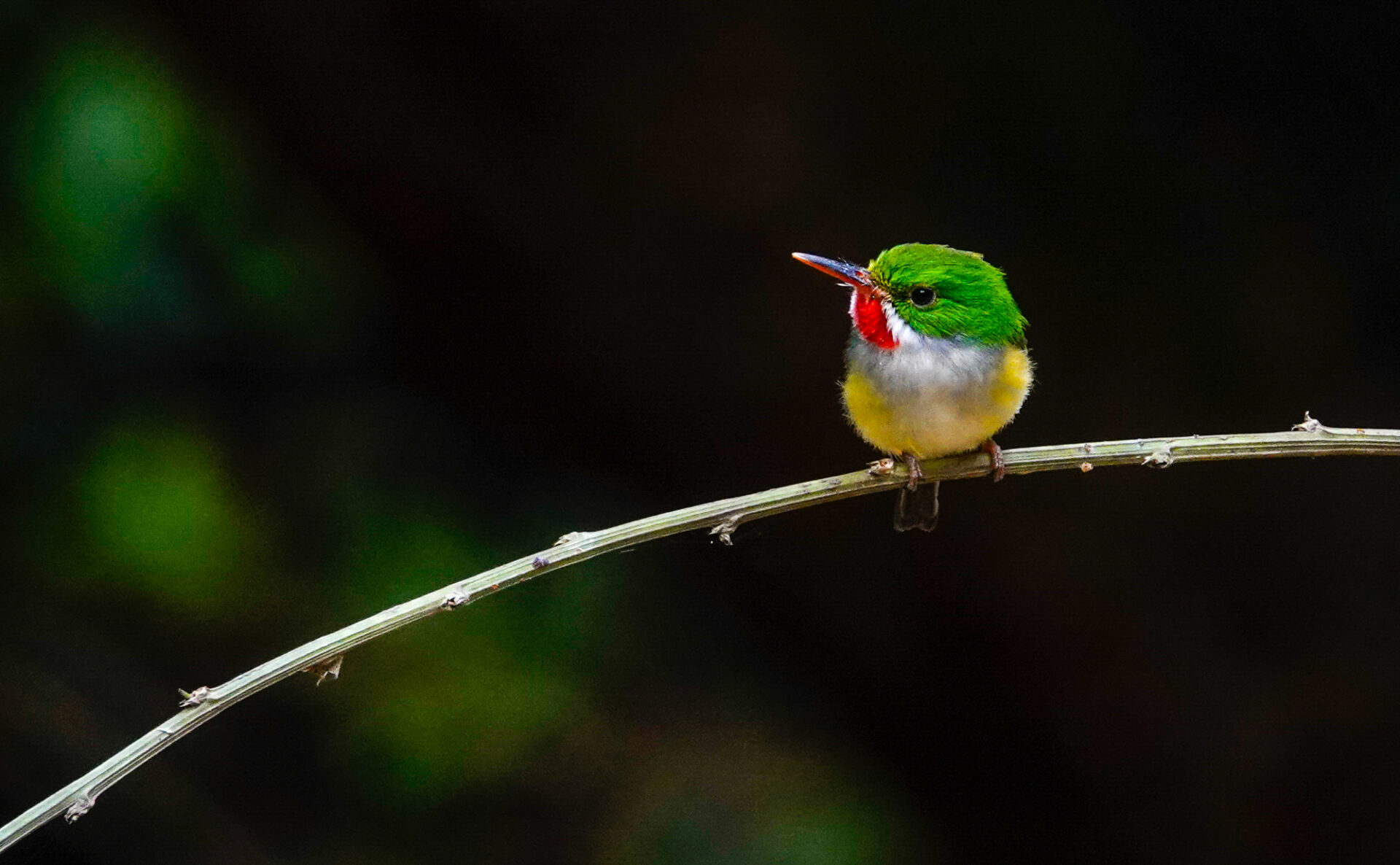
Other montane highlights included the Puerto Rican Tanager (Nesospingus speculiferus)—which genetic testing has recently revealed is not a true tanager but belongs to its own monotypic family—and the Puerto Rican Tody (Todus mexicanus). The Tody, a tiny, vibrant green bird, is a member of a family endemic to the Greater Antilles and is often used as a flagship species for Puerto Rican conservation.
The Guánica Biosphere and Coastal Restoration
The fifth day focused on the Guánica State Forest, a United Nations International Biosphere Reserve. This dry forest is one of the best-preserved examples of xerophytic vegetation in the Caribbean. Despite the arid conditions, the forest supports a high density of endemics. The group documented the Key West Quail-Dove and the Lesser Antillean Pewee (subspecies blancoi), the latter of which is a candidate for future taxonomic split as a full endemic.
The expedition then moved to the Boquerón Wildlife Refuge, where the focus shifted to the interaction between mangroves and open water lagoons. The arrival of Caribbean Martins (Progne dominicensis) was noted, signaling the start of the spring breeding season for these long-distance migrants.
Historical Landscapes and the Eastern Rainforest
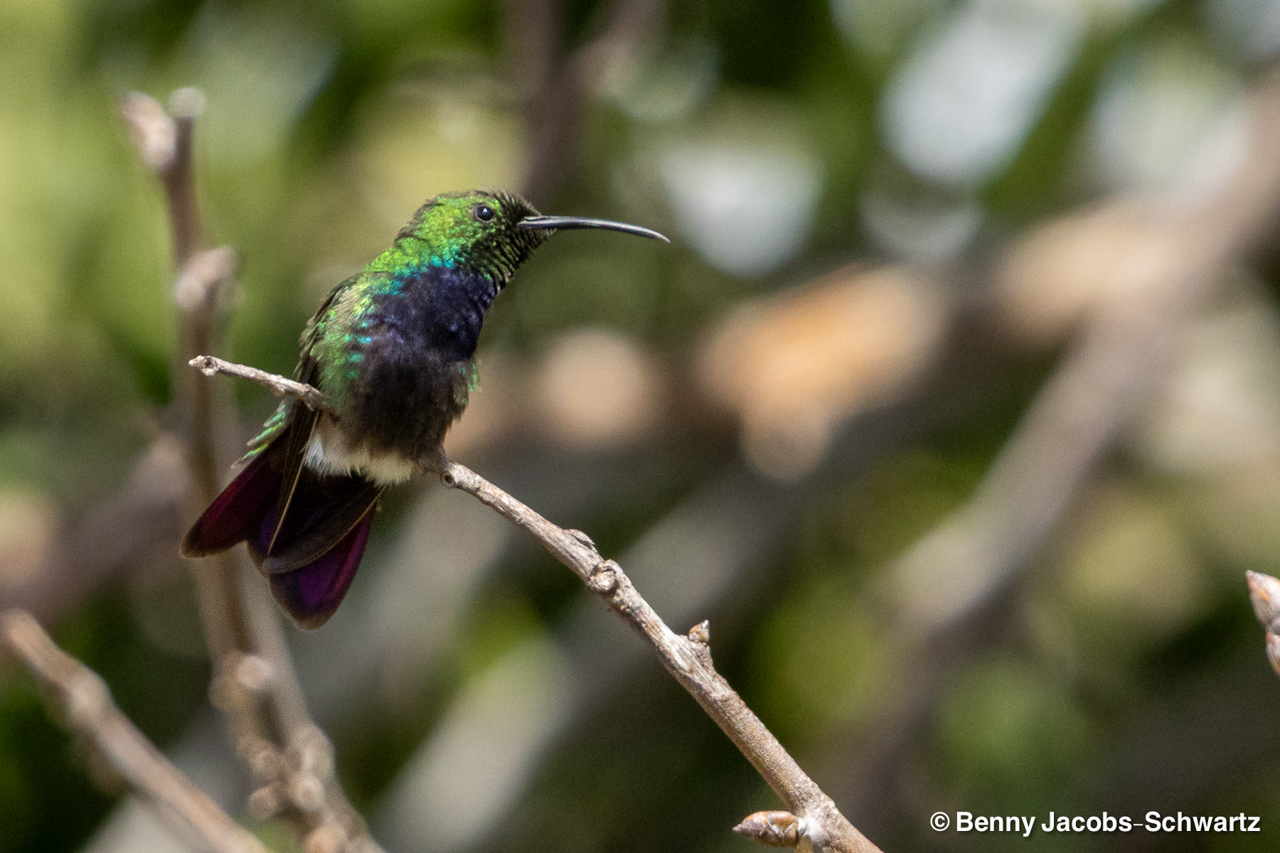
On March 8 and 9, the survey moved toward the eastern end of the island. A stop at the historical Central Aguirre—a former sugar plantation—revealed how avian species adapt to post-industrial landscapes. The presence of Green-throated Caribs and Antillean Crested Hummingbirds in the roadside flora demonstrated the resilience of nectarivorous species.

The final major habitat surveyed was El Yunque National Forest, the only tropical rainforest under the jurisdiction of the United States Forest Service. Receiving upwards of 200 inches of rain annually, El Yunque provides a stark contrast to the Guánica dry forest. The group observed the Puerto Rican Spindalis and the Louisiana Waterthrush, the latter a migrant that relies on the forest’s pristine streams.
The expedition concluded at the Medio Mundo y Daguao Nature Reserve, where six American Flamingos (Phoenicopterus ruber) were observed. While once common, flamingos are now rare visitors to the main island of Puerto Rico, and this sighting represents a noteworthy occurrence for the eastern wetlands.
Data Analysis and Conservation Implications
The recording of 126 species during this seven-day window provides a robust snapshot of Puerto Rican avian health in the early spring of 2024. Several key takeaways emerged from the data:
- Success of Specialist Recovery: The sightings of the Puerto Rican Amazon and the Puerto Rican Nightjar indicate that habitat management and protection in Río Abajo and the southwestern dry forests are yielding positive results for critically endangered species.
- Migratory Connectivity: The high diversity of wood-warblers (Parulidae) and shorebirds (Charadriiformes) underscores Puerto Rico’s role as a vital "stopover" and wintering site. The health of these populations is intrinsically linked to the preservation of both mangroves and highland forests.
- Taxonomic Diversity: The expedition successfully identified all primary endemics, including those in recently reclassified families. This highlights the importance of the island for evolutionary biology and the study of island biogeography.
- Impact of Eco-Tourism: The logistical success of the tour demonstrates the growing role of birding tourism in Puerto Rico’s economy. High-value eco-tourism provides a financial incentive for the preservation of "unproductive" lands like swamps and scrub forests, which are essential for biodiversity.
Conclusion
The March 2024 expedition served as more than a mere sighting tour; it was a verification of the ecological integrity of Puerto Rico’s diverse habitats. From the recovery of the Puerto Rican Amazon to the rare appearance of American Flamingos, the 126 species recorded represent a triumph of conservation and a testament to the island’s natural resilience. As climate change and habitat fragmentation continue to pose threats to Caribbean birdlife, the data gathered during such expeditions remain crucial for scientists and policymakers dedicated to protecting the unique avian heritage of the Antilles. The participants left with a profound appreciation for the cultural and biological richness of the "Island of Enchantment," having witnessed a record-breaking display of its feathered inhabitants.
