
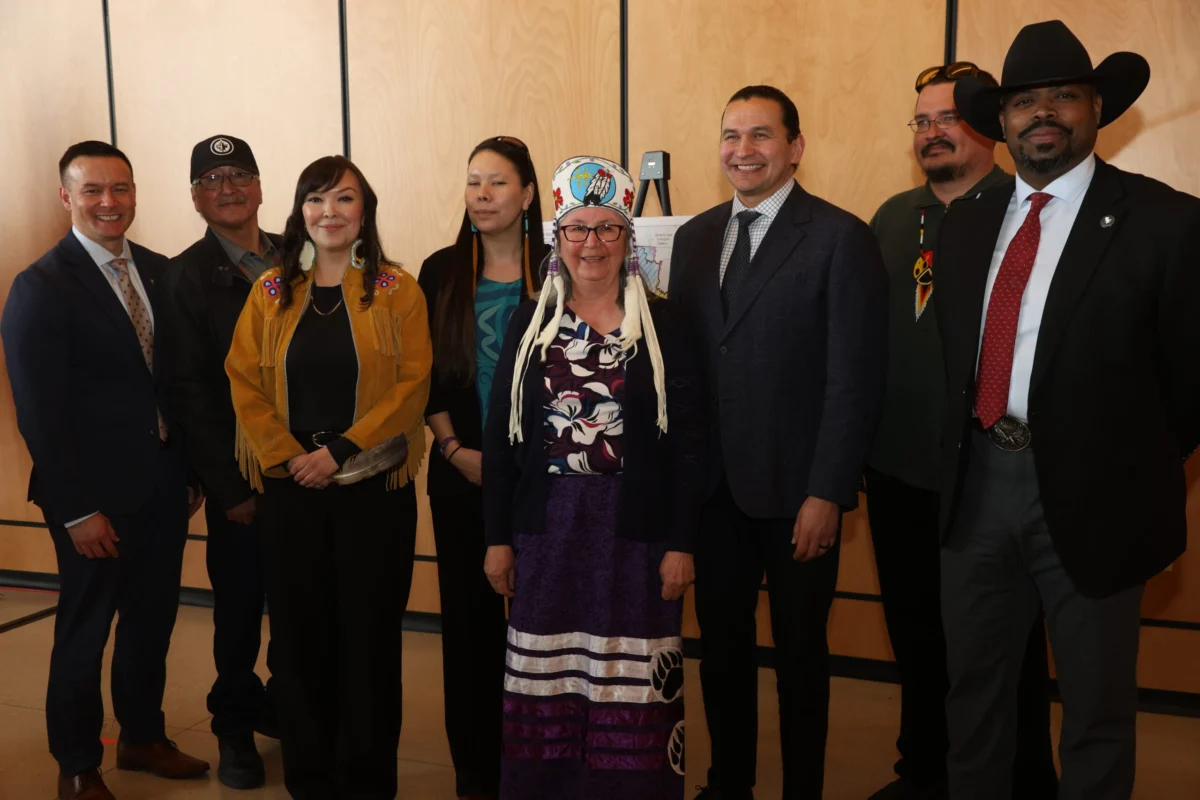
On April 17, 2026, a landmark joint proposal was officially released by the Seal River Watershed Alliance, the Government of Manitoba, and the Government of Canada, outlining plans to designate one of the planet’s largest remaining intact watersheds as an Indigenous Protected and Conserved Area (IPCA). This pivotal announcement marks a significant step towards the permanent protection of a vast, biodiversity-rich expanse covering approximately 12 million acres in northern Manitoba, Canada. The initiative, led by the four First Nations comprising the Seal River Watershed Alliance, has garnered widespread support from conservation organizations globally, including the National Audubon Society, which lauded the move as a historic milestone for environmental stewardship and Indigenous reconciliation.
Understanding Indigenous Protected and Conserved Areas (IPCAs)
Indigenous Protected and Conserved Areas (IPCAs) represent a fundamental shift in conservation paradigms, recognizing and empowering Indigenous communities as primary stewards of their traditional territories. Rooted in Indigenous laws, governance, and knowledge systems, IPCAs are defined by Indigenous peoples and are managed primarily by them, often with support from governments and conservation organizations. These areas are crucial not only for biodiversity conservation but also for cultural preservation, the exercise of Indigenous rights, and the advancement of reconciliation efforts between Indigenous peoples and the Crown.
The concept of IPCAs aligns with Canada’s commitment to protecting 30% of its land and waters by 2030, a target set under the Kunming-Montreal Global Biodiversity Framework. The establishment of the Seal River Watershed IPCA would significantly contribute to this national goal, demonstrating a practical and impactful pathway for collaborative conservation that respects Indigenous sovereignty and traditional ecological knowledge. Unlike conventional protected areas, IPCAs integrate cultural practices, spiritual connections, and sustainable resource use, fostering a holistic approach to land management that has sustained ecosystems for millennia.
The Seal River Watershed: A Global Ecological Treasure
The Seal River Watershed is an extraordinary natural landscape, recognized globally for its pristine ecological integrity and immense biodiversity. Spanning approximately 48,562 square kilometers (12 million acres), this remote northern Manitoba region encompasses a vibrant mosaic of boreal forests, expansive wetlands, countless lakes, and intricate networks of streams and rivers. The Seal River itself is a defining feature, flowing unimpeded for over 200 miles (approximately 320 kilometers) from its headwaters to its eventual confluence with Hudson Bay. The river’s pristine, undammed status allows for unique ecological processes, most notably enabling harbor seals—from which the river derives its name—to travel far inland in pursuit of fish, a phenomenon rarely observed elsewhere.
This vast wilderness provides critical habitat for at least 32 species classified as at-risk, according to Canadian conservation assessments. Among these are iconic Arctic and sub-Arctic species such as polar bears, wolverines, and beluga whales, which depend on the watershed’s interconnected ecosystems for survival. The region is also an indispensable breeding ground and migratory stop-over point for millions of birds representing hundreds of species. Many of these avian migrants undertake epic journeys, traveling from various locations across the United States and throughout the Western Hemisphere to utilize the rich resources of the Seal River Watershed for nesting, feeding, and resting. The undisturbed nature of the watershed makes it a vital avian refuge, contributing significantly to hemispheric bird populations and ecological resilience.
Beyond its biodiversity, the Seal River Watershed plays a crucial role in global climate regulation. Its extensive wetlands and boreal forests act as significant carbon sinks, storing vast amounts of carbon and helping to mitigate climate change. Protecting this area thus offers dual benefits: safeguarding invaluable ecosystems and contributing to global climate action.
The Seal River Watershed Alliance: Indigenous Leadership and Vision
The driving force behind this monumental conservation effort is the Seal River Watershed Alliance, a collective representing four First Nations: the Sayisi Dene Denesuline, Northlands Denesuline, O-Pipon-Na-Piwin Cree Nation, and Barren Lands First Nation. These communities have inhabited and stewarded the lands and waters of the Seal River Watershed since time immemorial, possessing an unparalleled depth of traditional ecological knowledge passed down through generations. Their proposal is not merely a conservation initiative but a profound expression of self-determination, cultural revitalization, and intergenerational responsibility.
For these First Nations, the watershed is more than just a geographic area; it is the heart of their culture, their spiritual connection to the land, and the source of their livelihoods. The Alliance’s vision for an IPCA is rooted in their inherent rights to govern their traditional territories and protect the natural heritage that sustains them. Their leadership ensures that conservation strategies are culturally appropriate, ecologically sound, and responsive to the needs and aspirations of local communities. This Indigenous-led approach is crucial for the long-term success and legitimacy of the protected area, fostering a sense of ownership and accountability that is often absent in top-down conservation models.
A Collaborative Conservation Model: Layers of Protection
The joint proposal outlines a innovative and comprehensive approach to protection, establishing multiple layers of designation that underscore a collaborative co-management framework. This common-sense strategy involves integrating the IPCA with existing or new provincial and national park designations, creating a robust protective shield for the watershed. Specifically, the proposal envisions:
- Indigenous Protected and Conserved Area (IPCA): The overarching designation, guided by the Seal River Watershed Alliance’s Indigenous laws and governance structures, ensuring that cultural values and traditional knowledge are central to all management decisions.
- Provincial Park: A complementary designation by the Manitoba government, providing provincial legislative protection and enabling coordinated management with the IPCA. This layer facilitates broader public access and recreational opportunities where appropriate, under the guidance of the co-management plan.
- National Park: A designation by the Government of Canada, offering the highest level of federal protection and integrating the area into Canada’s national park system. This ensures a long-term commitment to conservation and provides access to federal resources and expertise.
This multi-layered approach necessitates a collaborative co-management structure involving the four First Nations, the Manitoba government, and Parks Canada. This framework is designed to ensure equitable decision-making, shared responsibilities, and mutual respect among all partners. It explicitly aims to ensure access for all, balancing conservation objectives with the rights of Indigenous communities and the public to experience this natural wonder responsibly. The establishment of such a model could serve as a blueprint for future large-scale conservation initiatives across Canada, demonstrating the power of partnership in achieving complex environmental and social goals.
Endorsements and Reactions: A Pervasive Sense of Urgency and Hope
The announcement has been met with significant acclaim from the conservation community and various levels of government. Marshall Johnson, Chief Conservation Officer at the National Audubon Society, articulated the global significance of the proposal, stating, "The Seal River Watershed is one of the largest ecologically intact watersheds in the world, sustaining extraordinary biodiversity and providing critical habitat for roughly 22 million birds. We are proud to support this Indigenous-led effort and recognize this as a pivotal moment for Canadians to protect a globally significant landscape—one that will deliver lasting benefits for wildlife, communities, and the planet."
While specific inferred statements from other parties would likely follow similar themes, the general sentiment would reflect a strong commitment to reconciliation and environmental stewardship. Representatives from the Seal River Watershed Alliance would undoubtedly emphasize the profound significance of this proposal for their communities, highlighting its role in safeguarding their cultural heritage, ensuring food security, and empowering their traditional governance systems for future generations. They would stress that this initiative represents a path forward where Indigenous rights and environmental protection are mutually reinforcing.
The Manitoba government would likely commend the collaborative spirit of the proposal, recognizing its potential to boost sustainable tourism, create economic opportunities for northern communities, and enhance the province’s reputation as a leader in conservation. They would emphasize the government’s dedication to working alongside First Nations to implement the co-management framework effectively.
The Government of Canada would likely frame the proposal as a tangible step towards advancing reconciliation with Indigenous peoples, fulfilling its commitments to the United Nations Declaration on the Rights of Indigenous Peoples (UNDRIP), and achieving national and international biodiversity targets. Federal officials would underscore the ecological importance of the Seal River Watershed for climate action and the protection of iconic Canadian wildlife.
Timeline and Next Steps
The April 17, 2026, release of the joint proposal represents a culmination of years of advocacy, research, and negotiation. The genesis of this initiative can be traced back to the early 2010s, when the four First Nations formally united to protect their traditional territories from industrial development, particularly mining and hydroelectric projects, which posed significant threats to the pristine watershed. Over the past decade, the Seal River Watershed Alliance has engaged in extensive community consultations, scientific studies, and dialogues with provincial and federal governments, building a robust case for comprehensive protection.
Key milestones leading to this proposal would have included:
- Early 2010s: Formation of the Seal River Watershed Alliance and initial advocacy for protection.
- Mid-2010s: Commencement of detailed ecological and cultural studies, mapping traditional land use, and identifying critical habitat areas.
- Late 2010s: Formal engagement with the Manitoba and Canadian governments, initiating preliminary discussions on protected area designations.
- Early 2020s: Intensive negotiations and collaborative planning among all parties to develop the multi-layered protection model and co-management framework.
- April 17, 2026: Official public release of the joint proposal.
Following the release of the joint proposal, the next steps will involve a period of public review and engagement, allowing stakeholders, communities, and the broader public to provide feedback. This will likely be followed by the formal legislative processes required for the provincial and national park designations, as well as the establishment of the legal and governance structures for the IPCA. The full implementation of the co-management agreement, including the development of detailed management plans, will then be a continuous process, guided by the principles of shared decision-making and adaptive management.
Broader Implications and Precedent
The designation of the Seal River Watershed as an IPCA with integrated provincial and national park status carries profound implications on multiple fronts:
- Environmental Conservation: It secures the future of a globally significant intact ecosystem, providing a vital refuge for at-risk species, a critical migratory corridor for birds, and a substantial carbon sink. Its protection contributes directly to global biodiversity targets and climate change mitigation efforts.
- Indigenous Rights and Reconciliation: This initiative serves as a powerful model for advancing reconciliation, recognizing and empowering Indigenous self-determination in land stewardship. It affirms the inherent rights of First Nations to manage their traditional territories according to their laws and knowledge systems, moving beyond colonial conservation approaches.
- Economic Development: While primarily a conservation initiative, the IPCA is expected to foster sustainable economic opportunities for local Indigenous communities through eco-tourism, cultural tourism, research, and Indigenous-led businesses that align with conservation values. These opportunities can provide stable, long-term benefits that do not compromise the ecological integrity of the watershed.
- Policy Innovation: The multi-layered protection and co-management model sets a precedent for future large-scale conservation efforts in Canada and potentially worldwide. It demonstrates how federal, provincial, and Indigenous governments can collaboratively achieve ambitious conservation goals while respecting diverse jurisdictions and knowledge systems.
- Scientific Research: The pristine nature of the watershed offers unparalleled opportunities for scientific research into climate change impacts, biodiversity dynamics, and traditional ecological knowledge, contributing valuable insights to global conservation science.
Challenges and Opportunities
While the proposal marks an extraordinary achievement, the path to full implementation will not be without its challenges. Establishing robust governance structures, securing long-term funding for management and enforcement, and navigating potential resource development pressures will require sustained commitment and collaboration from all parties. Education and public awareness campaigns will also be crucial to ensure broad understanding and support for the IPCA’s objectives.
However, the opportunities presented by this initiative far outweigh the challenges. The Seal River Watershed IPCA has the potential to become a beacon of successful Indigenous-led conservation, demonstrating that protecting vast natural landscapes can go hand-in-hand with advancing Indigenous rights, fostering economic well-being, and addressing global environmental crises. Its success will serve as an inspiring example of what can be achieved when governments and Indigenous communities work together, guided by respect, shared vision, and a deep commitment to the land. This joint proposal represents not just a plan for a protected area, but a bold statement about Canada’s future and its relationship with its First Peoples and the natural world.
