
MERRILL, Wis. (May 4, 2026) – In a significant development for both environmental conservation and the burgeoning maple syrup industry, Nature’ly Sweet, an operation based in Merrill, Wisconsin, has become the first producer in the state to earn recognition through the National Audubon Society’s Bird-Friendly Maple program. This pioneering achievement, spearheaded by proprietor Christopher Petron, underscores a deep commitment to integrating robust forest management practices that not only yield sustainable maple syrup but also actively foster critical habitats for declining forest bird populations and enhance overall biodiversity. The certification marks a crucial step in expanding Audubon’s impactful conservation initiative into the Midwest, offering a tangible model for how working forests can serve as vital ecological assets.
The recognition comes at a critical juncture, as scientific data continues to highlight alarming declines in avian populations across North America. The 2025 State of the Birds report, a comprehensive assessment of bird populations, revealed a stark 27% decrease in eastern forest bird populations since 1970. This staggering figure translates to billions of individual birds lost, signaling a pervasive ecological crisis driven largely by habitat loss, fragmentation, and climate change. Against this backdrop, Nature’ly Sweet’s certification offers a beacon of hope, demonstrating that economic activity and ecological stewardship are not mutually exclusive but can, in fact, be mutually reinforcing. By managing its 220-acre sugarbush—a term referring to a forest primarily composed of maple trees cultivated for syrup production—with an explicit focus on bird-friendly guidelines, Petron’s operation is now a living laboratory for sustainable forestry.
The Conservation Imperative: Protecting North America’s Forest Birds
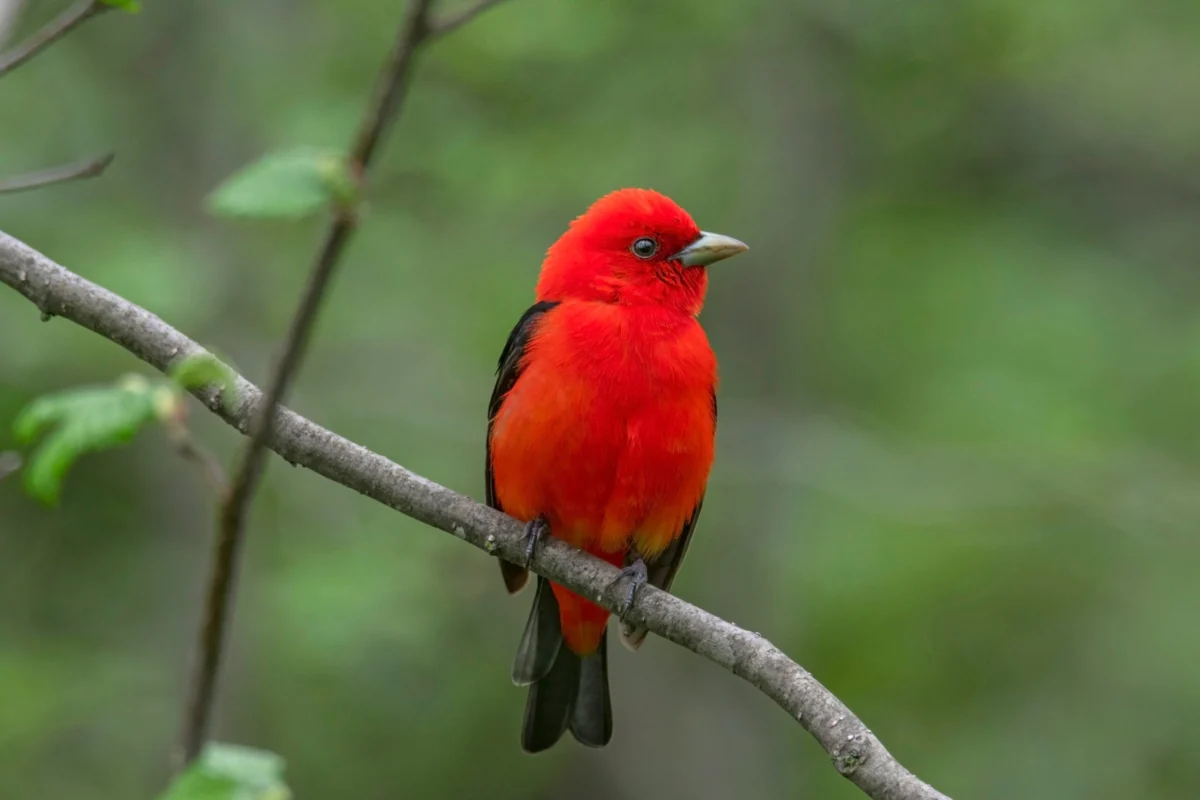
The precipitous decline of forest bird species is a multi-faceted challenge, impacting iconic birds that play crucial roles in ecosystem health. Species such as the Wood Thrush, with its ethereal, flute-like song, and the Scarlet Tanager, a vibrant splash of crimson against green foliage, are facing unprecedented pressures. These birds, along with many others like the Veery and various woodpecker species, rely on intact, diverse forest ecosystems for nesting, foraging, and migratory stopovers. Habitat degradation, often resulting from intensive logging practices, conversion to agriculture, and development, diminishes the structural complexity these birds require. For instance, ground-nesting birds like the Veery depend on dense understory vegetation for concealment, while cavity-nesting species, including various woodpeckers, nuthatches, and owls, require standing dead trees (snags) for shelter and nesting sites. The absence of these elements fundamentally compromises a forest’s ability to support a rich array of avian life.
The National Audubon Society’s Bird-Friendly Maple program emerged as a direct response to this crisis, recognizing the unique potential of sugarbushes as conservation landscapes. Maple syrup production, when managed traditionally, already relies on healthy, mature trees. The program expands upon this foundation by partnering with producers to implement specific, scientifically-backed forestry practices designed to optimize habitat conditions. These practices move beyond simply preserving trees for sap; they aim to restore and maintain the ecological integrity of the entire forest ecosystem. The program’s philosophy is rooted in the understanding that a biodiverse forest is a resilient forest, capable of supporting both a thriving economy and a flourishing natural world.
Nature’ly Sweet: A Model for Sustainable Production
Christopher Petron’s Nature’ly Sweet operation exemplifies the practical application of these principles. Situated in Merrill, Wisconsin, the business has cultivated a reputation for producing high-quality maple syrup, sold through various channels including online platforms, local farmers’ markets, and regional trade shows. Now, each bottle of syrup carries an additional layer of meaning, connecting consumers directly to a tangible conservation story. The upcoming integration of Bird-Friendly Maple branding into Nature’ly Sweet’s product labeling and marketing materials is a strategic move to educate consumers and empower them to make choices that directly support bird conservation. This eco-labeling serves as a powerful market signal, rewarding producers who commit to environmental stewardship and enabling consumers to align their purchasing power with their values.
"Sugarbushes are more than places where maple syrup is made—they are important ecosystems that provide nesting and foraging habitat for forest birds such as Wood Thrush and Scarlet Tanager," stated Jacob Crawford, Audubon Forest Ecologist, emphasizing the dual role of these landscapes. "Producers like Christopher Petron are demonstrating how thoughtful forest management can support both sustainable businesses and thriving bird populations." This statement underscores the core tenet of the program: that economic activity, when guided by ecological principles, can become a force for good in conservation.
Implementing Bird-Friendly Practices: A Deeper Dive
The journey to Bird-Friendly certification for Nature’ly Sweet involved a comprehensive overhaul of its forest stewardship plan, developed in close collaboration with forestry professionals. This process integrated the specific Bird-Friendly Maple guidelines directly into the management protocols for the 220-acre sugarbush. Key practices adopted include:
- Maintaining a Diverse Mix of Tree Ages and Species: Unlike traditional forestry that might favor monocultures or even-aged stands for efficiency, bird-friendly management promotes a mosaic of tree ages and species. This structural diversity—both vertical (canopy, mid-story, understory) and horizontal (patches of different tree types)—creates varied microhabitats essential for different bird species. For example, some birds prefer the dense canopy for nesting, while others thrive in the shrub layer or among saplings. A mix of species also enhances forest resilience against pests and diseases.
- Preserving Standing Dead Trees (Snags): Snags are not just remnants; they are ecological powerhouses. They provide critical nesting cavities for woodpeckers (such as Downy, Hairy, and Pileated Woodpeckers), chickadees, and nuthatches, which in turn create cavities used by secondary cavity nesters like owls and flying squirrels. Snags also serve as perches for raptors and provide a rich source of insects for many bird species. Nature’ly Sweet’s commitment to retaining these vital structures ensures a continuous supply of habitat.
- Retaining Downed Woody Material: Logs, branches, and other organic debris on the forest floor are often cleared in conventional forestry, but they are crucial for a healthy forest ecosystem. This downed woody material provides cover for ground-nesting birds, shelters small mammals and amphibians, and serves as a nutrient bank, slowly decomposing and enriching the soil. It also supports a diverse invertebrate community, a primary food source for many forest birds, especially during nesting season.
These deliberate management choices create a more complex, resilient, and ultimately healthier forest. For instance, the varied understory vegetation at Nature’ly Sweet now provides ideal nesting sites for species like the Veery, known for its preference for dense, shrubby layers. Meanwhile, the preserved snags offer indispensable homes for a variety of cavity-nesting birds, contributing significantly to local avian biodiversity.
Expanding the Reach: A Midwest Movement
The recognition of Nature’ly Sweet marks a pivotal moment for the Bird-Friendly Maple program, signifying its successful expansion into the crucial Midwestern region. This strategic growth has been made possible through the vital support of a grant from the U.S. Department of Agriculture Forest Service, an agency committed to sustainable forest management across the nation. This federal backing highlights the broader recognition of the program’s potential to scale conservation efforts beyond individual properties.
Interest in the program among Wisconsin maple producers is steadily growing, indicating a widespread desire within the industry for more sustainable and ecologically responsible practices. Several additional assessments and partnerships are already underway statewide, suggesting a snowball effect that could transform the regional maple syrup landscape. Crucial to this expansion are the collaborative efforts with key local and state organizations. The Wisconsin Maple Syrup Producers Association (WMSPA) plays an indispensable role in disseminating information, fostering peer-to-peer learning, and encouraging widespread adoption of bird-friendly guidelines. Similarly, the University of Wisconsin–Madison Division of Extension Maple Syrup Program provides invaluable technical expertise, research-based best practices, and educational resources, equipping producers with the knowledge and tools necessary to implement these advanced forestry techniques effectively.
"The Wisconsin maple syrup industry has a proud tradition, and we are increasingly aware of our responsibility to the forests that sustain us," commented a representative from the WMSPA, speaking to the broader sentiment within the producer community. "Nature’ly Sweet’s achievement provides a fantastic example, and we are actively working with Audubon and the UW Extension to bring these beneficial practices to more producers across the state."
This collaborative model—involving conservation organizations, government agencies, industry associations, and academic institutions—is essential for scaling conservation across working landscapes. It ensures that maple syrup production remains not only economically viable for producers but also profoundly ecologically beneficial for the forests and the diverse wildlife that call them home.
Broader Implications and Future Outlook
Nature’ly Sweet joins a burgeoning network of over 145 maple syrup producers across the northeastern U.S. and Canada who are committed to managing their sugarbushes for the benefit of birds. This growing movement is meticulously mapped on Audubon’s Bird-Friendly Maple Producer Map, an invaluable resource for consumers seeking to support conservation-minded businesses. The map not only serves as a directory but also as a testament to the collective impact of individual producers adopting these practices.
The implications of this program extend far beyond the immediate ecological benefits to birds. It represents a shift in consumer consciousness, where environmental impact increasingly influences purchasing decisions. As consumers become more aware of the links between sustainable agriculture and biodiversity, demand for eco-labeled products is likely to grow, providing a market incentive for more producers to adopt bird-friendly practices. This creates a virtuous cycle: consumer demand drives producer adoption, which in turn leads to more extensive habitat conservation.
Furthermore, the Bird-Friendly Maple program offers a blueprint for how other working landscapes—from timber forests to agricultural lands—can integrate conservation into their operational models. It demonstrates that economic productivity and ecological health do not have to be in opposition but can thrive symbiotically. For rural economies, this initiative can also foster a unique brand identity, attracting eco-tourism and a specialized consumer base willing to pay a premium for sustainably produced goods.
Looking ahead, the success of Nature’ly Sweet and the expansion of the Bird-Friendly Maple program in Wisconsin signal a promising future for forest conservation in the Midwest. It highlights the power of collaboration, the importance of scientific guidance, and the profound impact that dedicated individuals like Christopher Petron can have. As climate change and habitat loss continue to challenge ecosystems globally, such initiatives provide critical pathways toward a more sustainable and biodiverse future, ensuring that the sweet taste of maple syrup is forever intertwined with the health of our planet’s invaluable forest birds.
