
The 2026 Texas spring migration season has concluded with record-setting observations, highlighting the critical role of the Lone Star State as a primary corridor for neotropical migratory birds. Over the course of a seven-day intensive survey traversing from the arid Edwards Plateau to the humid Upper Texas Coast, a specialized ornithological expedition documented 229 bird species, alongside a diverse array of reptiles, amphibians, and mammals. This annual movement, part of the larger Central Flyway, serves as a vital barometer for the health of North American avian populations, many of which face mounting pressures from habitat fragmentation and climate-driven shifts in nesting cycles. The findings from the 2026 survey underscore the ecological significance of Texas’s varied landscapes, which act as both a breeding ground for endangered endemic species and a life-saving "stopover" for millions of birds traveling from Central and South America to the northern United States and Canada.
The Geography of the Texas Avian Crossroads
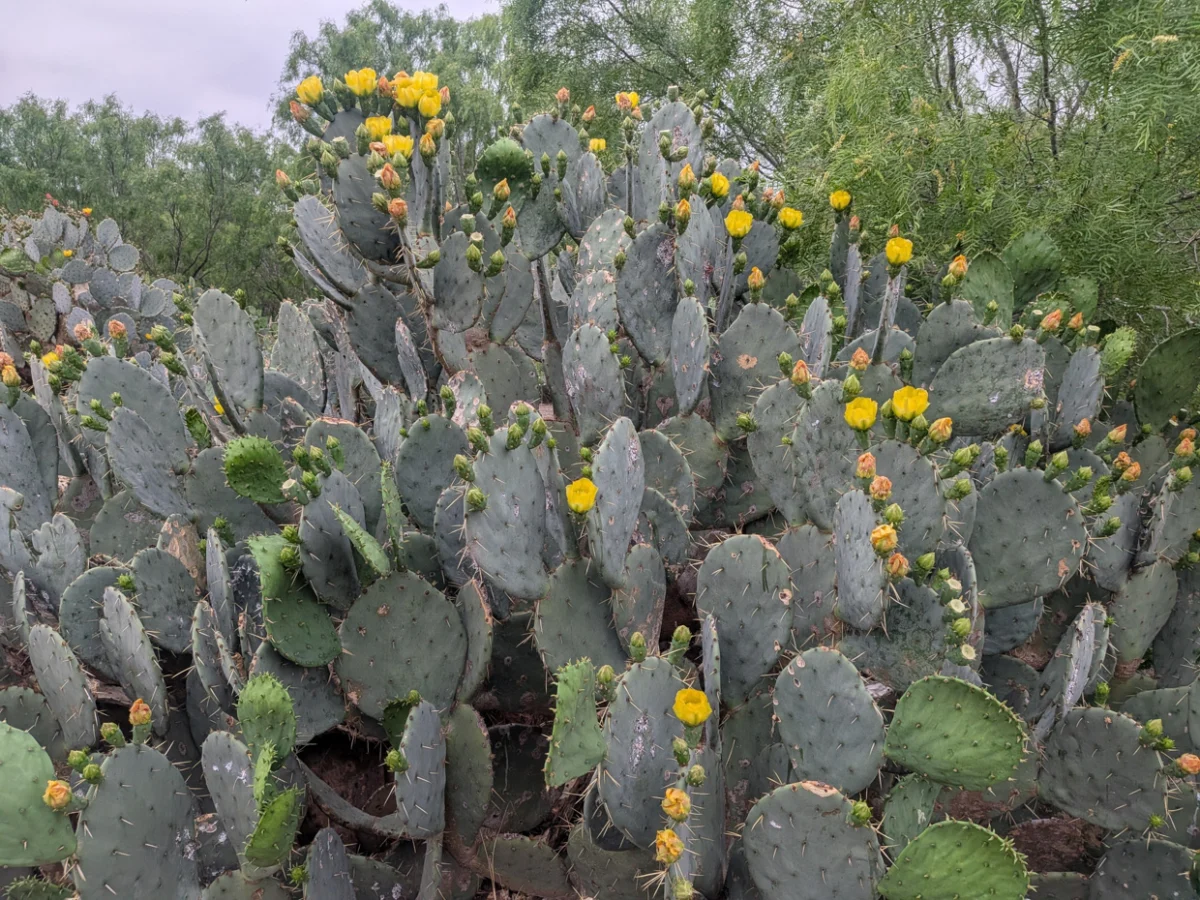
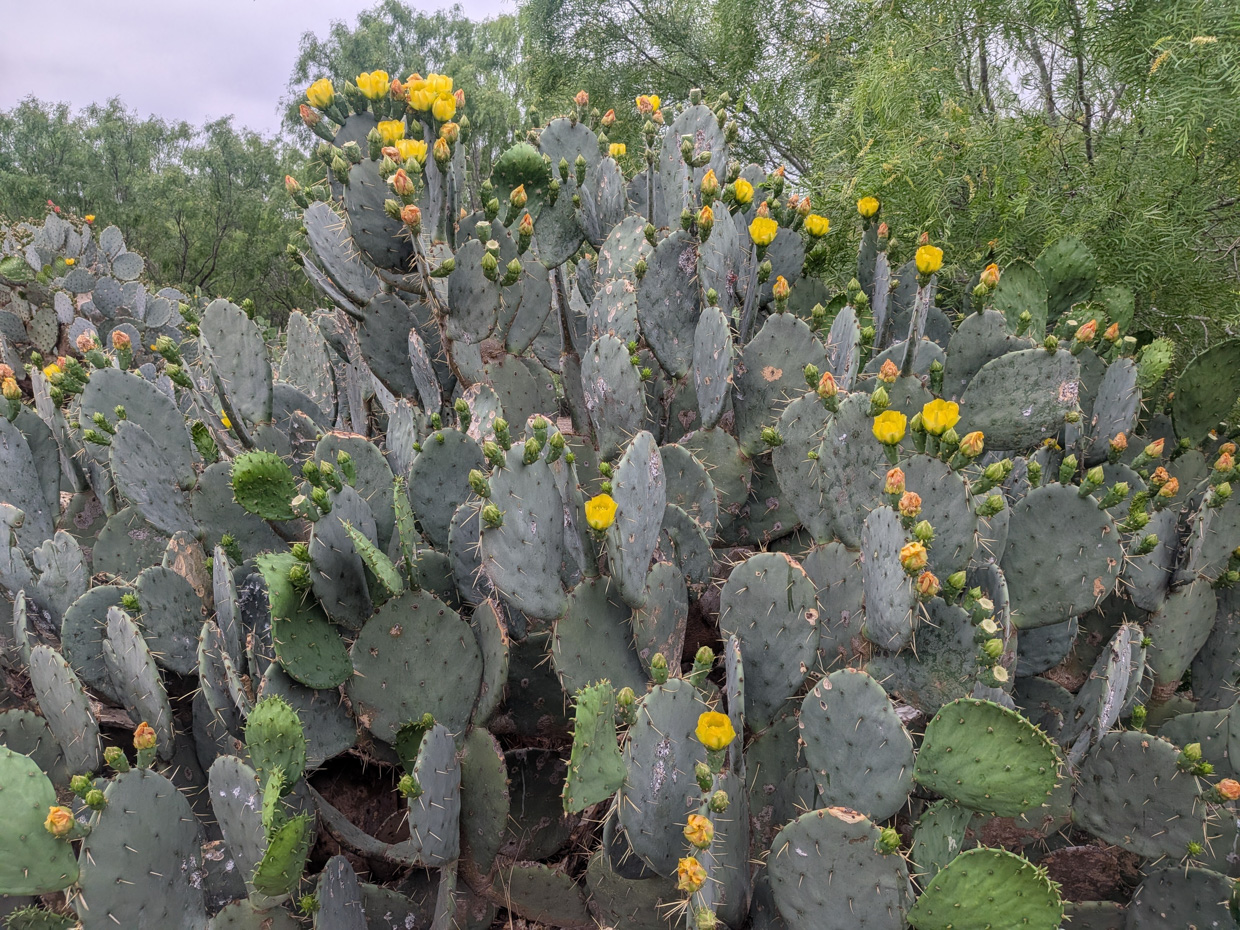
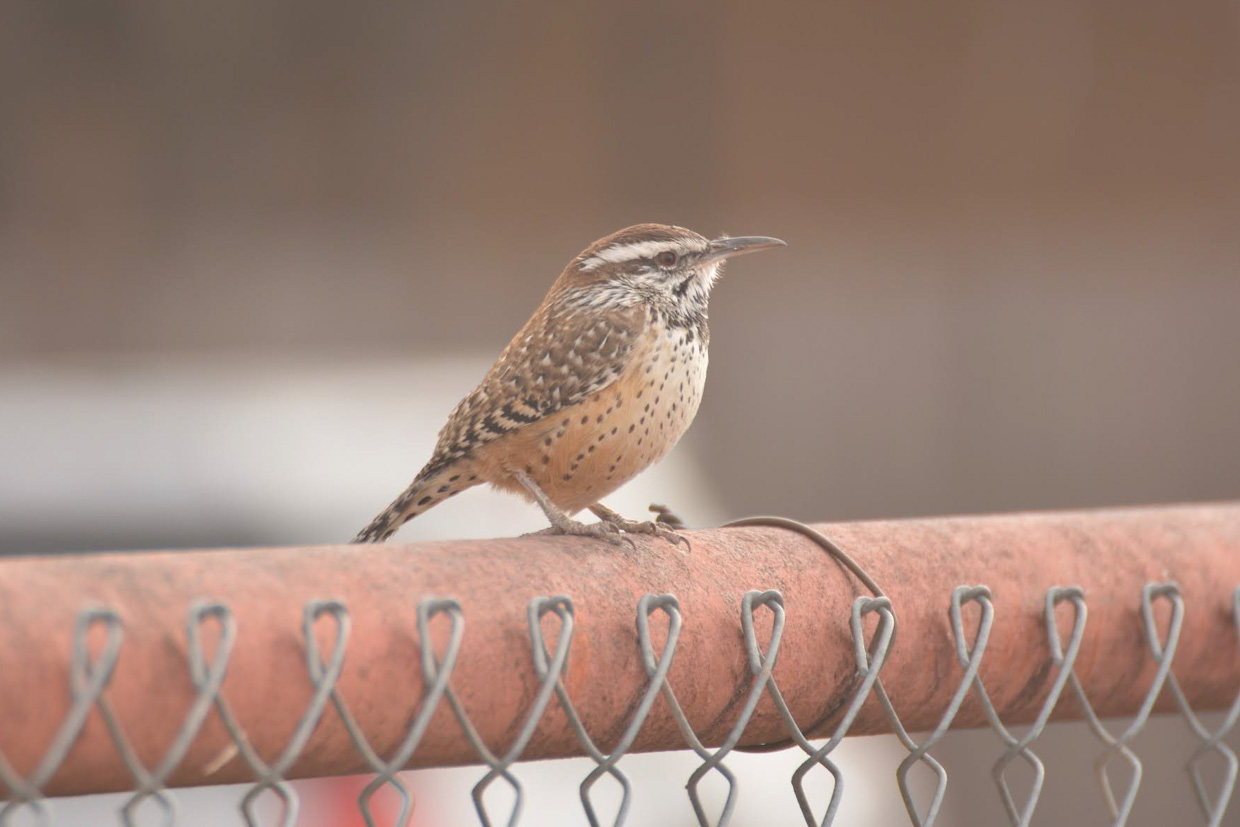
The survey began in the Texas Hill Country, a region defined by the Edwards Plateau’s unique karst topography and oak-juniper forests. This area represents a biological "tension zone" where eastern and western North American species overlap. Moving eastward, the expedition transitioned into the Upper Texas Coast, encompassing the region east of Houston. This coastal belt is characterized by a mosaic of lowland deciduous forests, cypress swamps, brackish and freshwater marshes, and flooded rice fields. The ecological diversity of these sites is a primary driver of the high species richness recorded during the tour. Of the 229 bird species identified, the most speciose taxonomic groups included 27 warblers, 25 shorebirds, 16 raptors, 15 waders, 15 sparrows, 13 flycatchers, 8 terns, 8 vireos, 8 cardinalids, and 7 wrens. In addition to the avian tally, the survey recorded 9 mammal species, 9 reptile species, and 5 amphibian species, illustrating a robust multi-taxa ecosystem.
Chronology of the 2026 Migration Survey
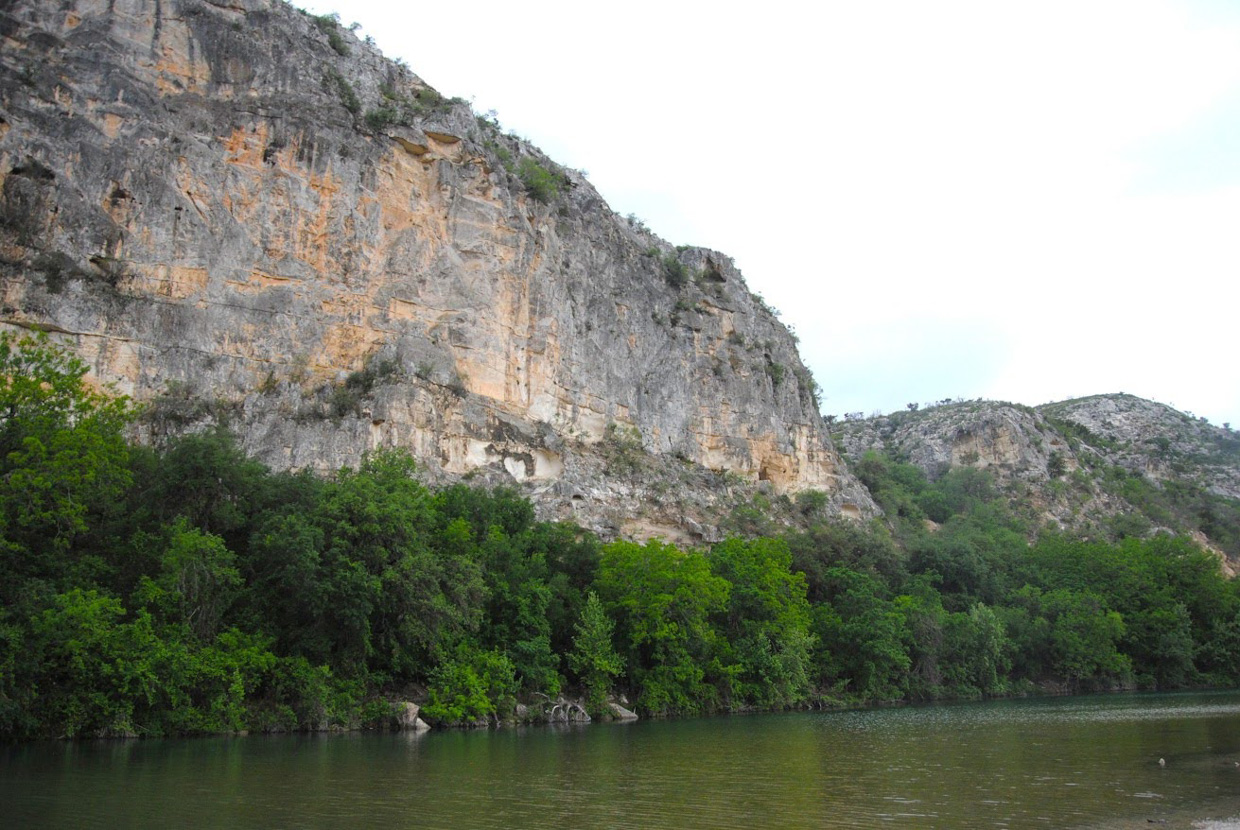
The expedition commenced in San Antonio, moving west toward Concan to access the specialized habitats of the Edwards Plateau. Early observations at Cook’s Slough Sanctuary near Uvalde revealed a high density of resident and arriving species, including the Bell’s Vireo, Black-crested Titmouse, and Olive Sparrow. The presence of the Great Kiskadee and Couch’s Kingbird provided essential data on the northward expansion of tropical-origin flycatchers. Further exploration of Chalk Bluff River Park along the Nueces River documented the coexistence of Belted and Green Kingfishers, while the adjacent cliffs supported Canyon Wrens and nesting Common Ravens.
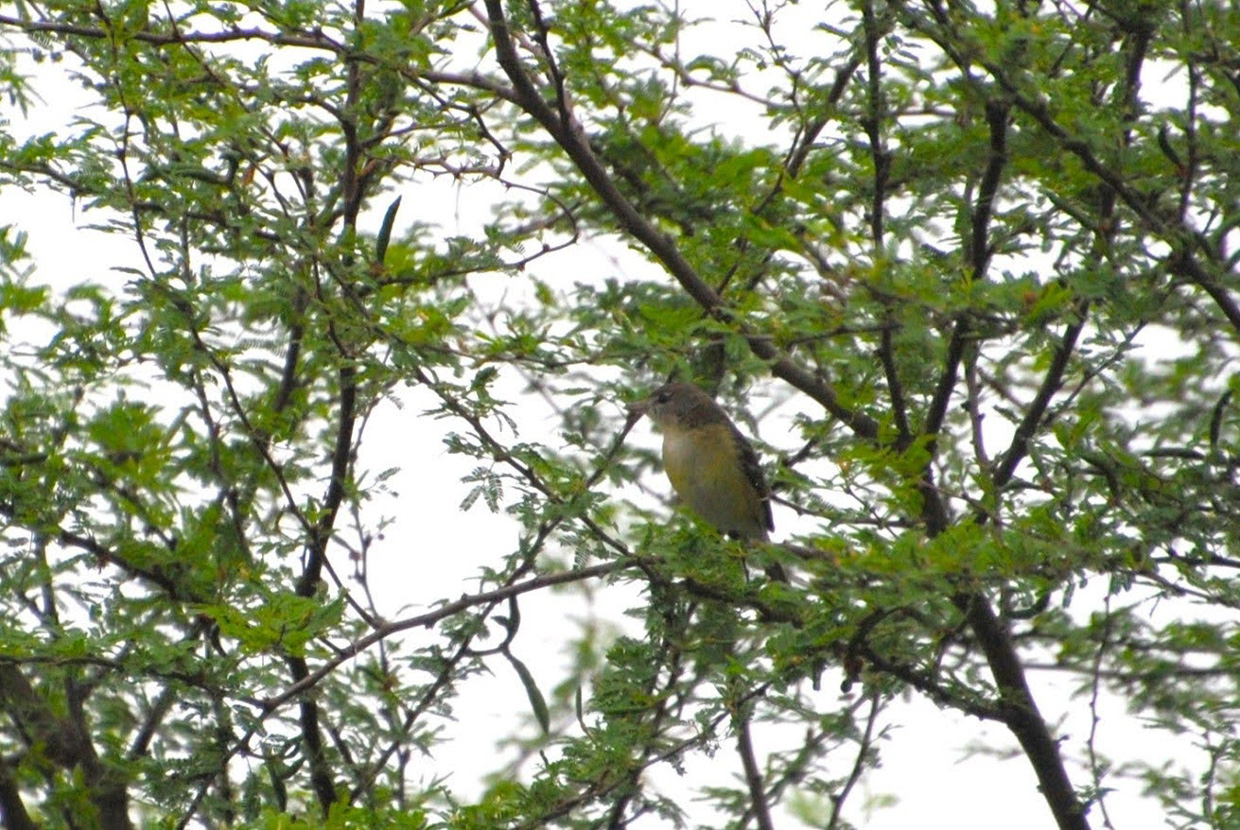
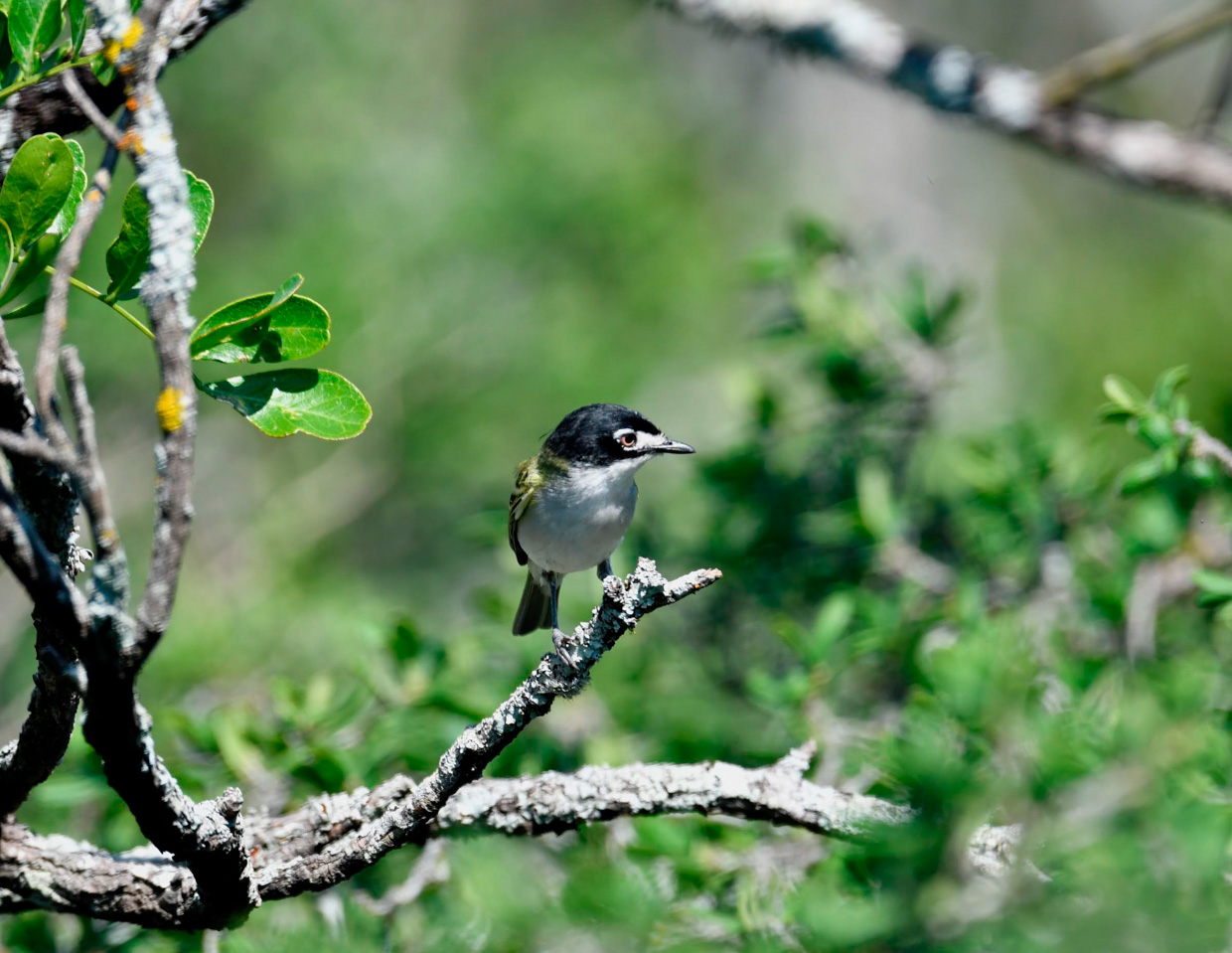
On the second day, the focus shifted to the Lost Maples State Natural Area, a critical site for two of North America’s most range-restricted and endangered songbirds: the Black-capped Vireo and the Golden-cheeked Warbler. The Golden-cheeked Warbler is notably the only bird species that nests exclusively in the mixed oak-juniper woodlands of Central Texas. The survey successfully identified multiple singing males and a nest-building pair of Black-capped Vireos, indicating a stable breeding season for these high-priority conservation targets.
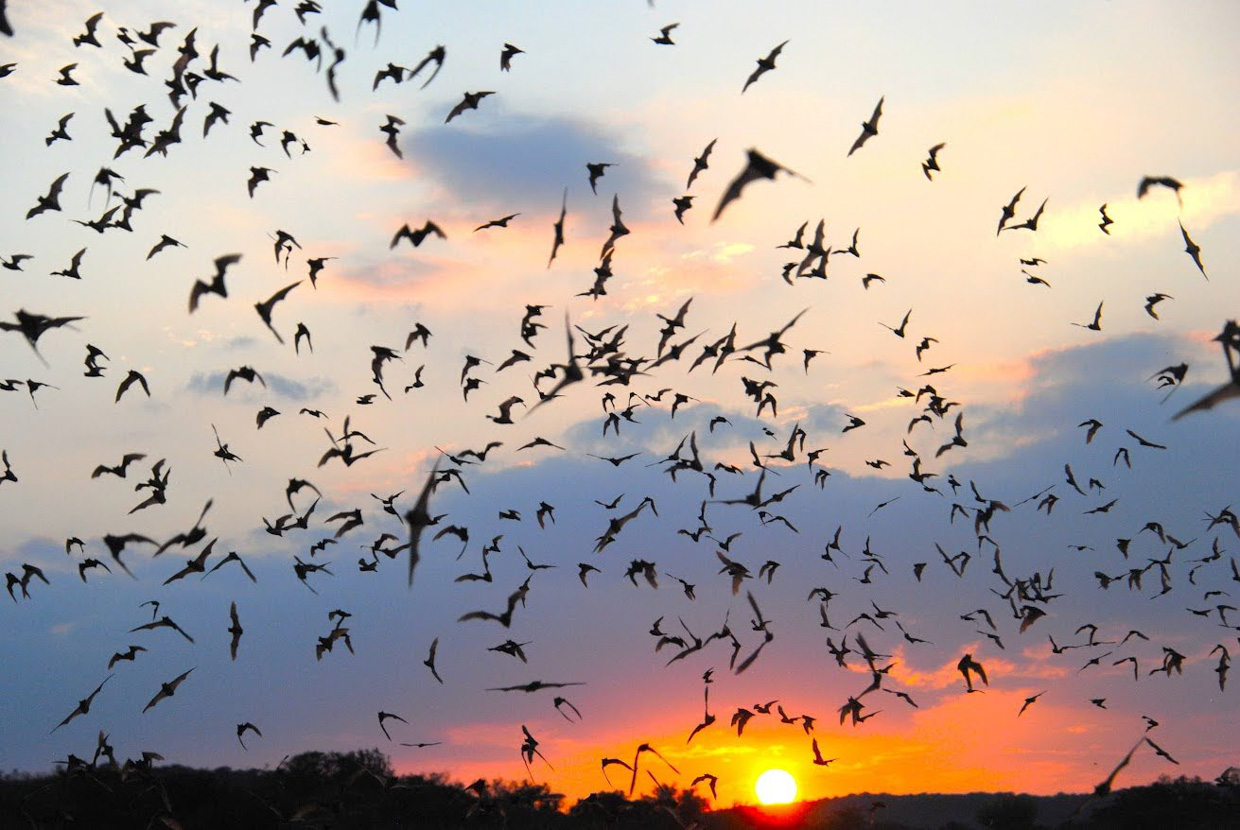
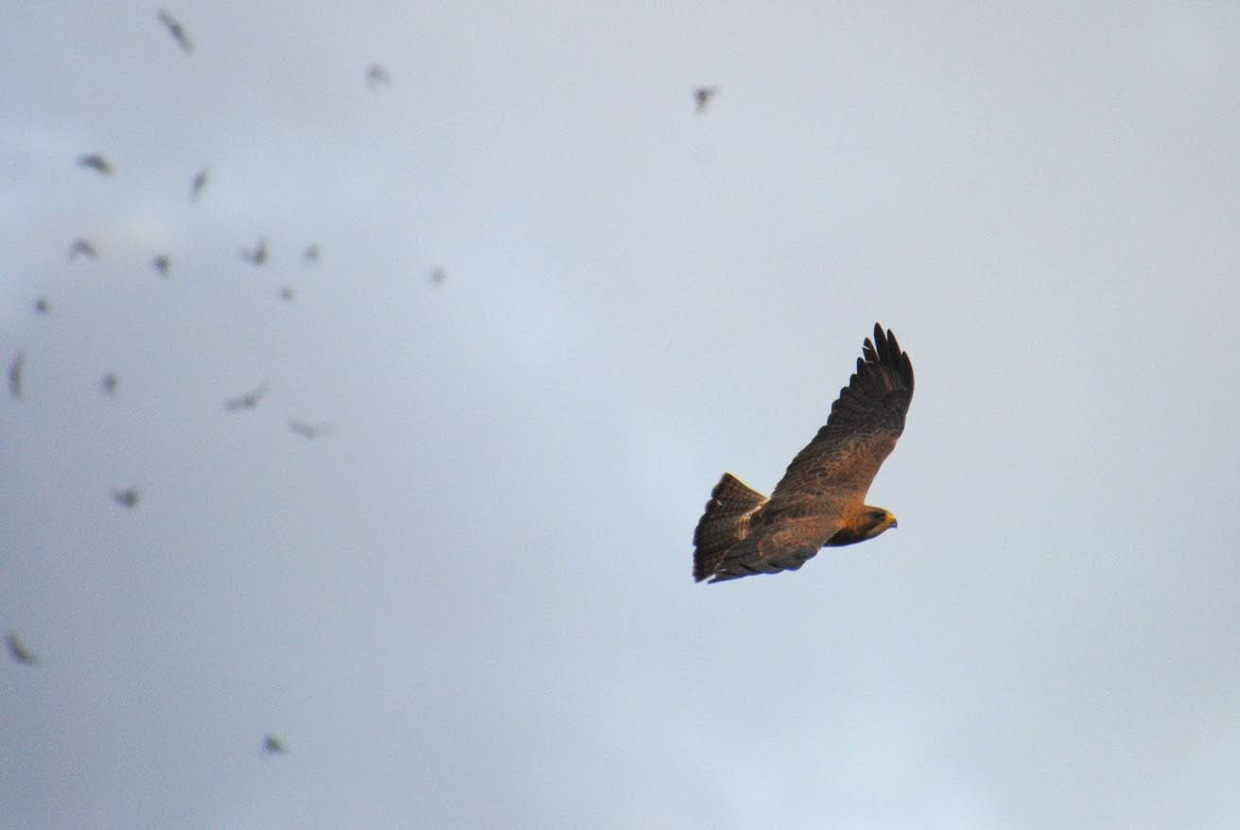
The evening of the second day featured a visit to the Frio Bat Cave, home to one of the world’s largest concentrations of Mexican Free-tailed Bats. The exodus of millions of bats provided a unique look at predator-prey dynamics, as Harris’s, Red-tailed, and Swainson’s Hawks were observed hunting the emerging mammals. This phenomenon highlights the importance of the cave not only as a mammalian nursery but as a high-calorie foraging site for migratory raptors.
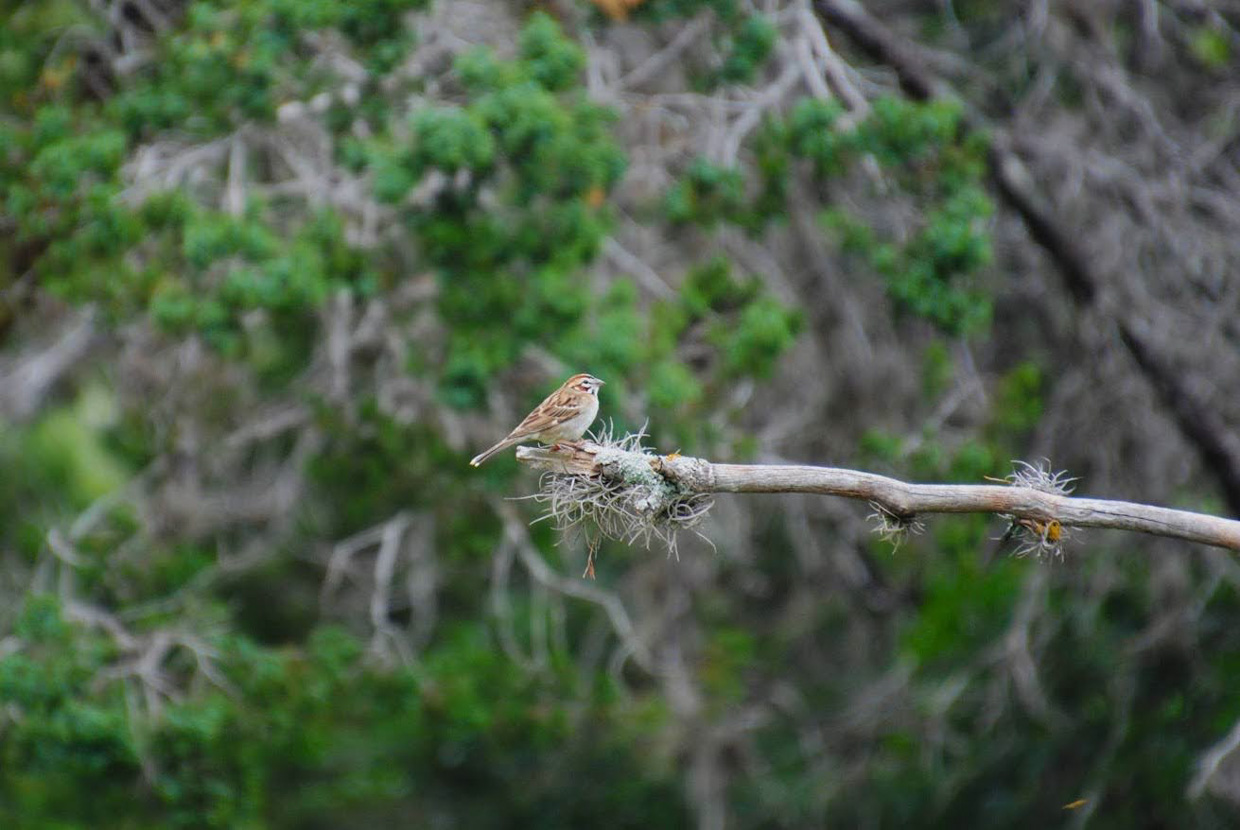
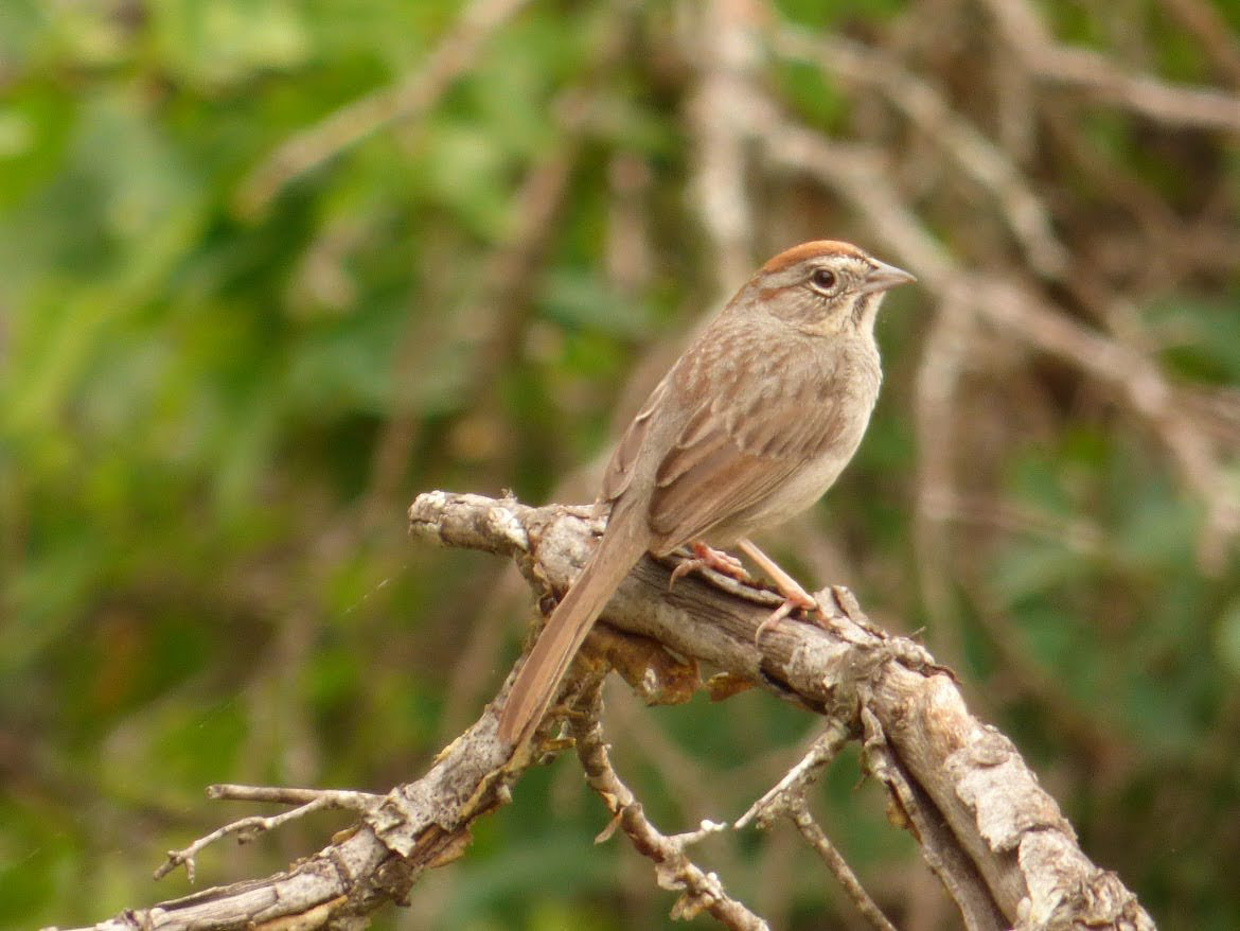
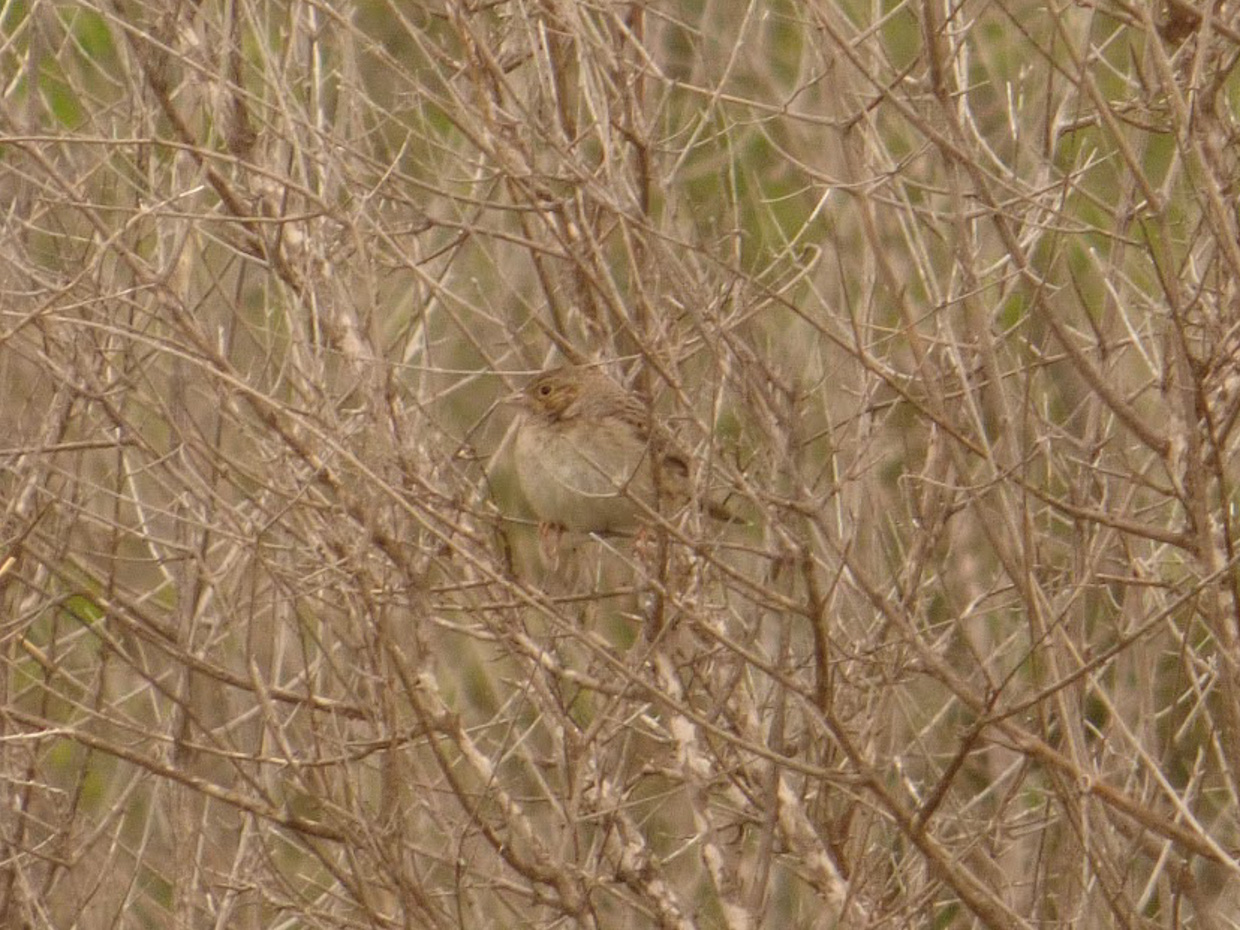
The mid-point of the survey involved a long-distance transit to the coastal town of Winnie, marking the transition from the Hill Country to the Gulf Coast ecology. En route, the group documented the Cassin’s Sparrow in the shrubby grasslands along Farm to Market Road 2690, a species whose global range is heavily concentrated within the Texas-Mexico borderlands.
Coastal Dynamics and the "Fallout" Phenomenon
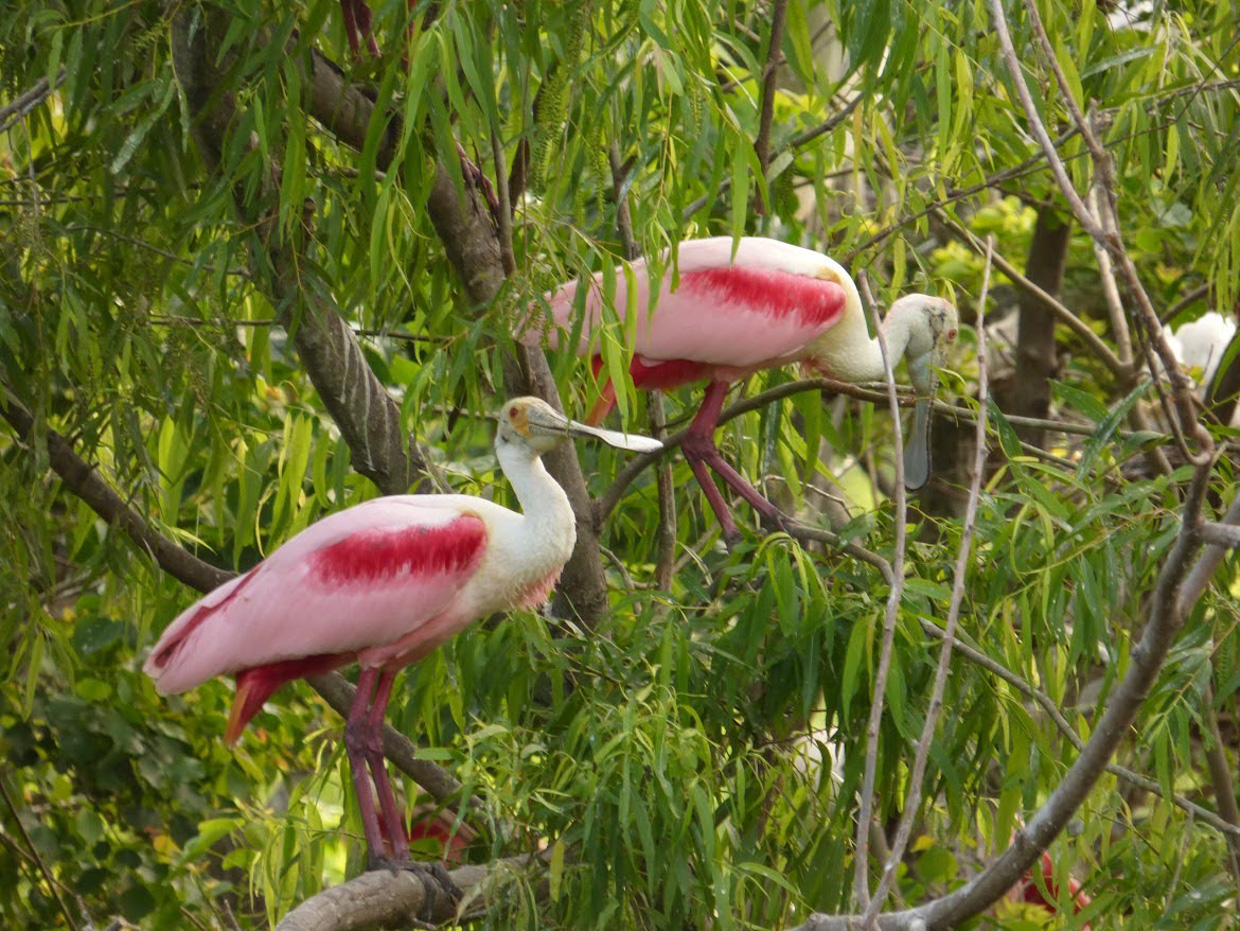
The final phase of the survey centered on the Upper Texas Coast, specifically High Island and the Jocelyn Nungaray National Wildlife Refuge. These sites are world-renowned for "fallouts"—events where migrating birds, exhausted from crossing the Gulf of Mexico, descend in massive numbers into the first available coastal woodlots. At the Smith Oaks Sanctuary, the expedition monitored a massive waterbird rookery. Observations included Roseate Spoonbills, Tricolored Herons, and Snowy Egrets in peak breeding plumage.
In the afternoon of the fourth day, the survey pivoted to shorebird monitoring in the flooded rice fields and wetlands of the Winnie region. A staggering count of over 800 Long-billed Dowitchers was recorded, alongside American Avocets, Wilson’s Phalaropes, and American Golden-Plovers. A significant highlight was the discovery of a nest containing five American Barn Owls, providing evidence of successful local recruitment for the species.
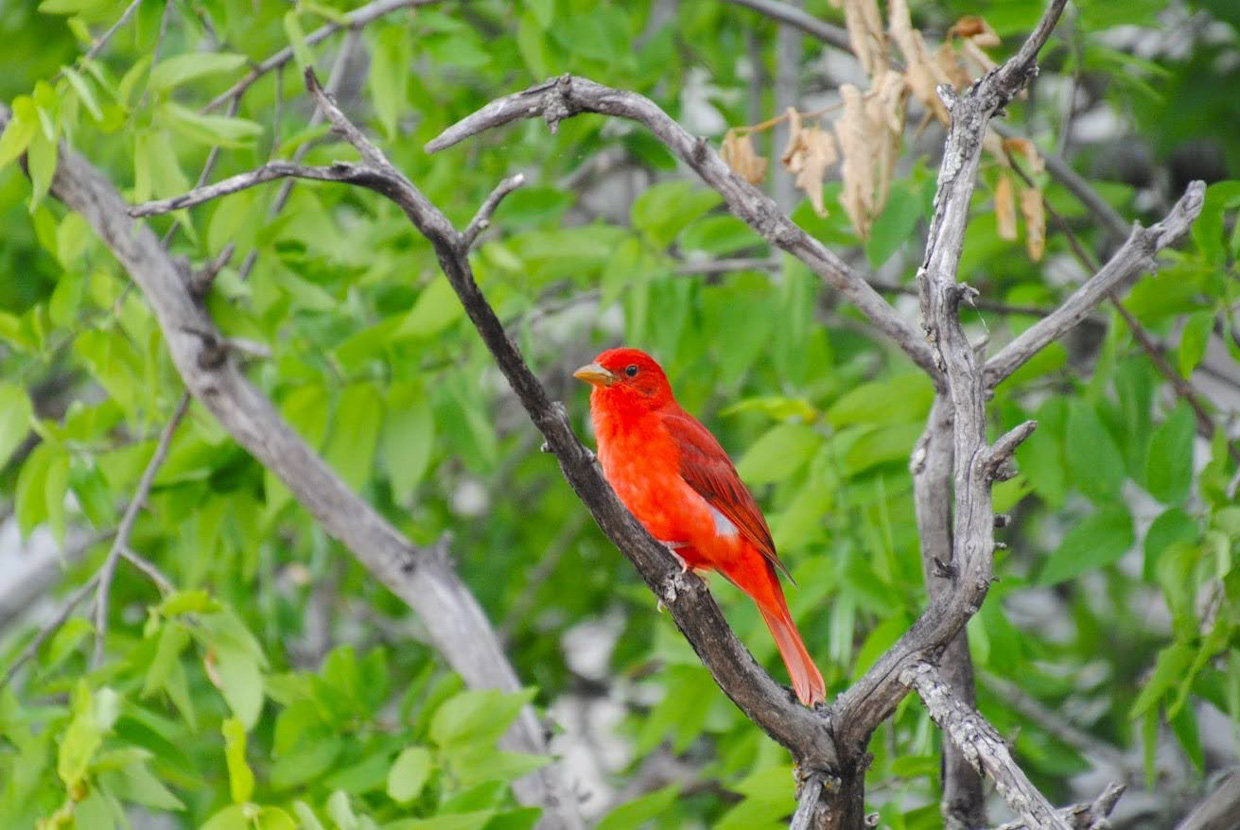
The fifth and sixth days were dedicated to the Big Thicket National Preserve and Sabine Woods. The Big Thicket, often called the "Biological Crossroads of North America," yielded sightings of the furtive Swainson’s Warbler and Kentucky Warbler. At Sabine Woods, the survey recorded its highest daily migration volume, including 14 warbler species. The Hooded Warbler was the most abundant, with 35 individuals counted, followed by the Tennessee Warbler. Of particular conservation interest was the Cerulean Warbler; once common, this species has seen a 68% population decline since the 1960s. Observing a singing male at eye level provided a rare opportunity to document the health of a species currently under intense monitoring by the North American Breeding Bird Survey.
The survey concluded at the Jocelyn Nungaray National Wildlife Refuge and the W.G. Jones State Forest. In the refuge’s Shoveler Pond, the group observed the elusive and endangered King Rail, a chicken-sized marsh bird that has become a symbol of wetland loss in the southern United States. The final counts in the pine forests north of Houston included the Brown-headed Nuthatch and Eastern Bluebird, rounding out a comprehensive look at the state’s avian wealth.
Supporting Data and Statistical Analysis
The 2026 data reflects a healthy diversity of species, though observers noted that unseasonably chilly weather and varying wind patterns influenced the timing of arrivals. The record of 27 warbler species—representing nearly half of all warbler species found in North America—highlights the "funnel effect" of the Texas coast during spring.
Key Species Count by Taxonomic Group:
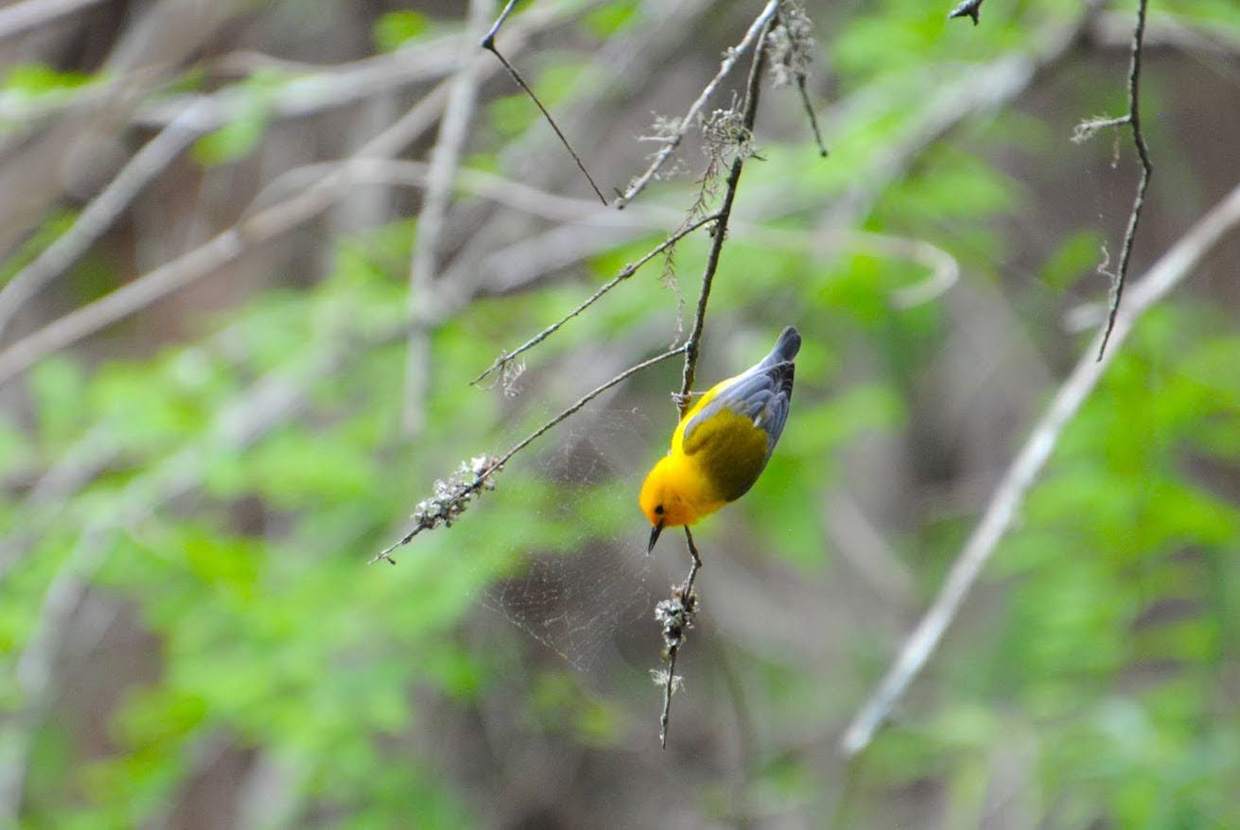
- Warblers: 27 species (High counts: Hooded, Tennessee, Prothonotary)
- Shorebirds: 25 species (High counts: Long-billed Dowitcher, Stilt Sandpiper)
- Raptors: 16 species (Notable: White-tailed Hawk, Swainson’s Hawk)
- Waders/Herons: 15 species (Notable: Least Bittern, Roseate Spoonbill)
The documentation of nine mammal species, including the Mexican Free-tailed Bat and the American Raccoon, alongside five amphibian and nine reptile species, suggests that the habitats surveyed are maintaining the complex food webs necessary to support large-scale avian migration.
Conservation Implications and Official Outlook
Ornithologists and conservationists involved in the survey emphasized that the continued presence of endangered species like the Golden-cheeked Warbler and King Rail is dependent on aggressive habitat preservation. Texas has seen rapid urban expansion, particularly in the I-35 corridor near the Hill Country and the greater Houston area.
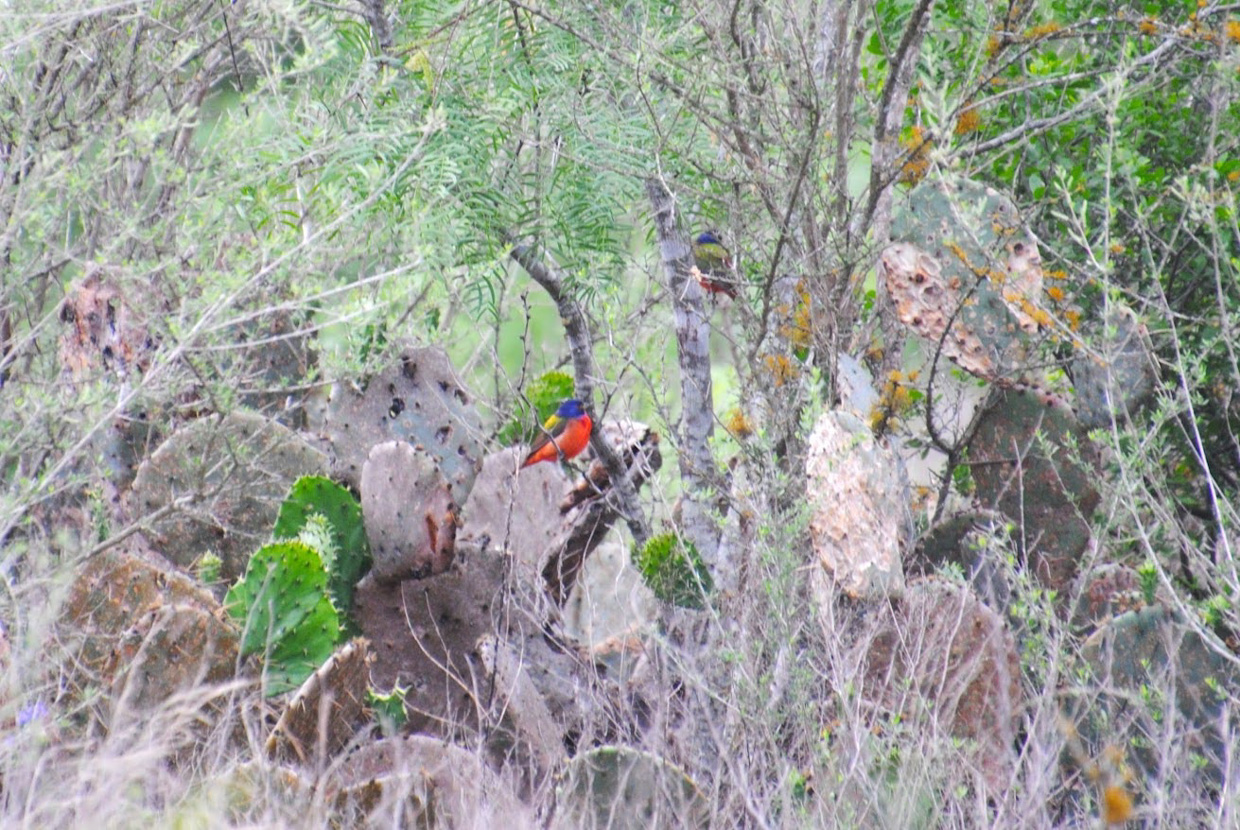
"The 2026 spring migration serves as a reminder that these birds do not exist in a vacuum," stated a lead field researcher during the final tally in Houston. "A Prothonotary Warbler singing in a Texas cypress swamp may have spent its winter in a mangrove forest in Colombia. The connectivity of these habitats is the thread that holds the Western Hemisphere’s biodiversity together."
The success of the 2026 survey also highlights the economic impact of ecotourism in Texas. Birdwatching is a multi-million dollar industry in the state, with sites like High Island and the Edwards Plateau drawing international visitors. This economic incentive has become a powerful tool for local governments to justify the creation of wildlife refuges and the restoration of wetlands.
Future Projections
As the 2026 season ends, the data collected will be uploaded to global databases such as eBird and the Cornell Lab of Ornithology. These records help scientists track long-term population trends and shifts in migration timing. Early analysis suggests that while many species remain stable, the continued decline of canopy-dwelling warblers like the Cerulean remains a point of concern. Looking forward to 2027, researchers aim to expand monitoring in the Big Thicket and the coastal marshlands to further investigate the impacts of rising sea levels on nesting sites for the Seaside and Nelson’s Sparrows.
The 2026 Texas Spring Migration Survey stands as a testament to the resilience of nature and the dedicated efforts of those who track its movements. By documenting the rare, the endangered, and the abundant, the expedition has provided a vital snapshot of the natural world at a time of significant environmental change.
