

An extensive ornithological expedition across the Himalayan Kingdom of Bhutan has concluded with the recording of 351 bird species and 19 mammal species, underscoring the region’s status as one of the world’s premier biodiversity hotspots. The journey, which spanned the entirety of the country from the southeastern border with India to the high-altitude passes of the west, provided a comprehensive survey of the diverse ecosystems within "Druk Yul"—the Land of the Thunder Dragon. By traversing a dramatic altitudinal gradient, the expedition was able to document a vast array of species, many of which are globally threatened or restricted to the Eastern Himalayan range.
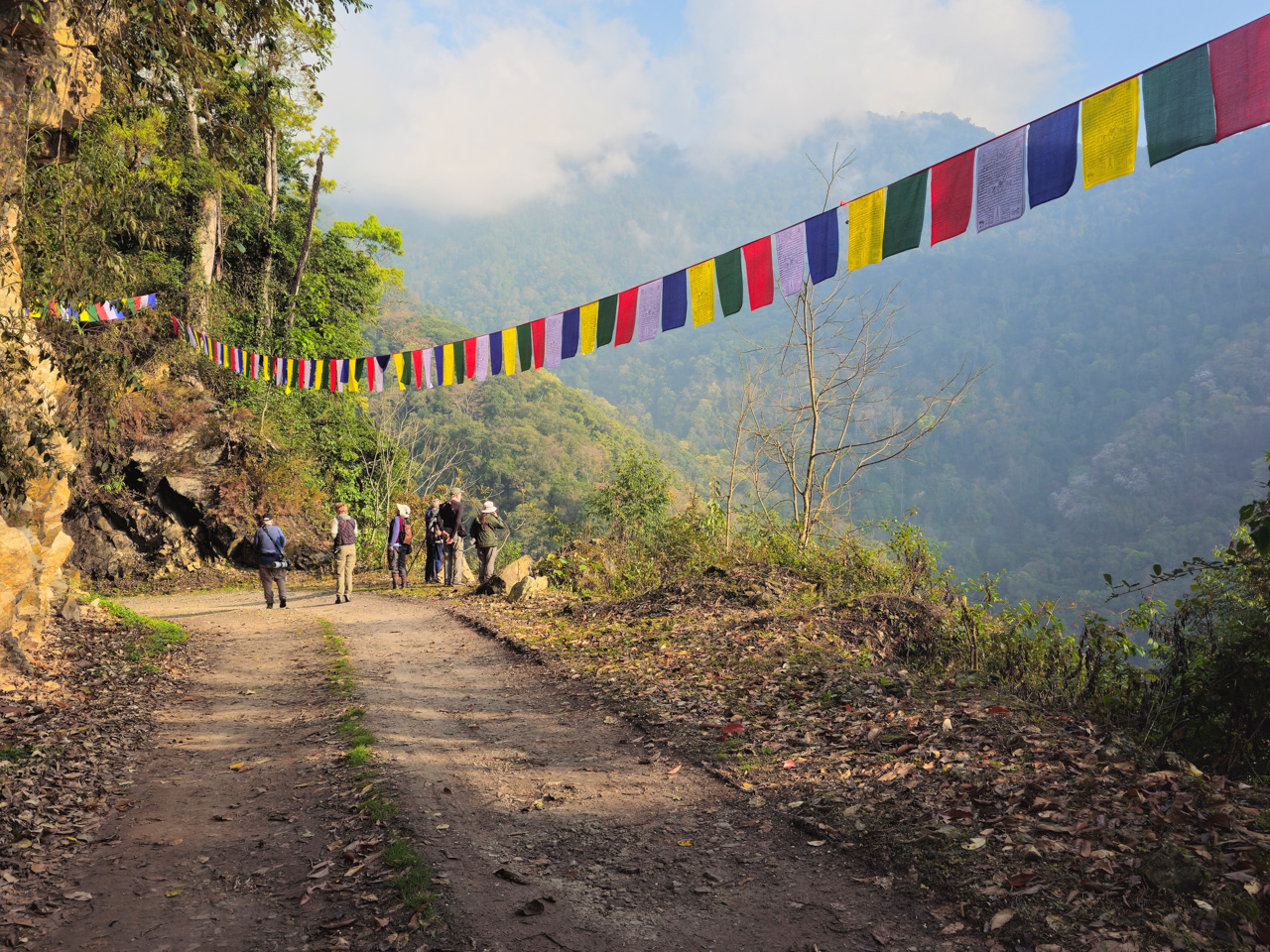
Bhutan remains a global anomaly in conservation; with over 70% of its land covered by forest and a constitutional mandate to maintain at least 60% forest cover for all time, it serves as a critical refuge for species that have been displaced elsewhere in South Asia. This recent expedition highlighted the success of these environmental policies, encountering nearly two-thirds of the country’s intact ecosystems.
The Trans-Border Transition: From the Assamese Plains to the Foothills
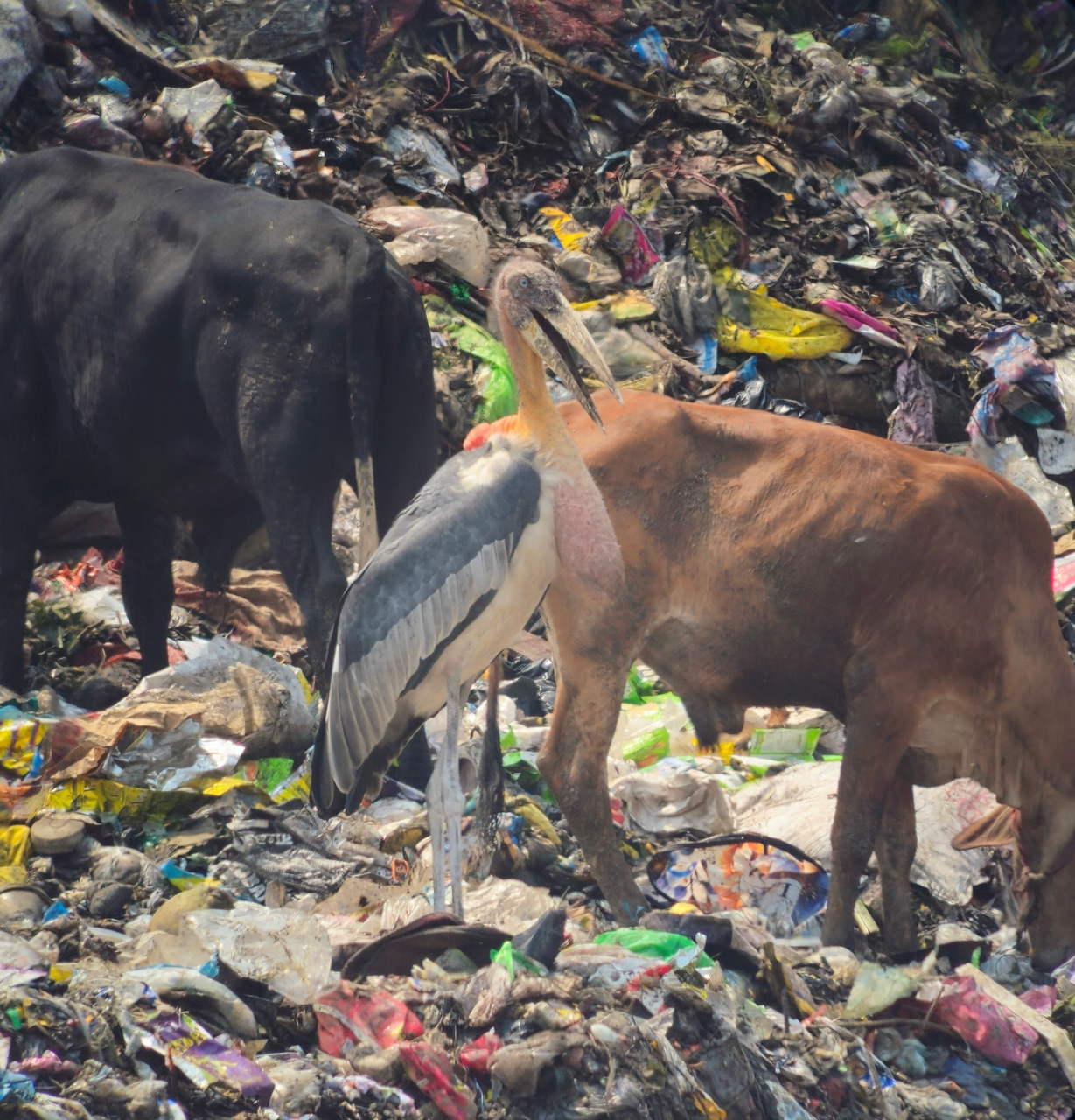
The expedition commenced not in the mountains, but in the low-lying plains of northeastern India. Starting in Delhi and transitioning to Guwahati in the state of Assam, the team observed the stark contrast between urbanized landscapes and specialized habitats. In Guwahati, the group documented the critically endangered Greater Adjutant, a massive stork that has adapted to scavenging at localized waste disposal sites. This served as a poignant reminder of the pressures facing avian life in the Anthropocene before the team crossed the border into the protected confines of Bhutan.
Upon entering Bhutan through the lowland border town of Samdrup Jongkhar, the shift in ecological management became immediately apparent. The subtropical forests of the south provided sightings of range-restricted species such as the Blyth’s Kingfisher and the Dark-rumped Swift. These early stages of the journey established a baseline for the expedition, recording widespread Asian species alongside regional specialists like the Long-tailed Broadbill and the Crested Kingfisher.

The Lingmethang Road: A Vertical Corridor of Biodiversity
A focal point of the expedition was the traverse of the Lingmethang Road, a 55-kilometer stretch of highway that is widely regarded by ornithologists as one of the most productive birding routes in Asia. Passing through the Phrumsengla National Park, the road climbs from 600 meters to over 3,000 meters above sea level, offering a transect of unbroken broadleaved and coniferous forests.
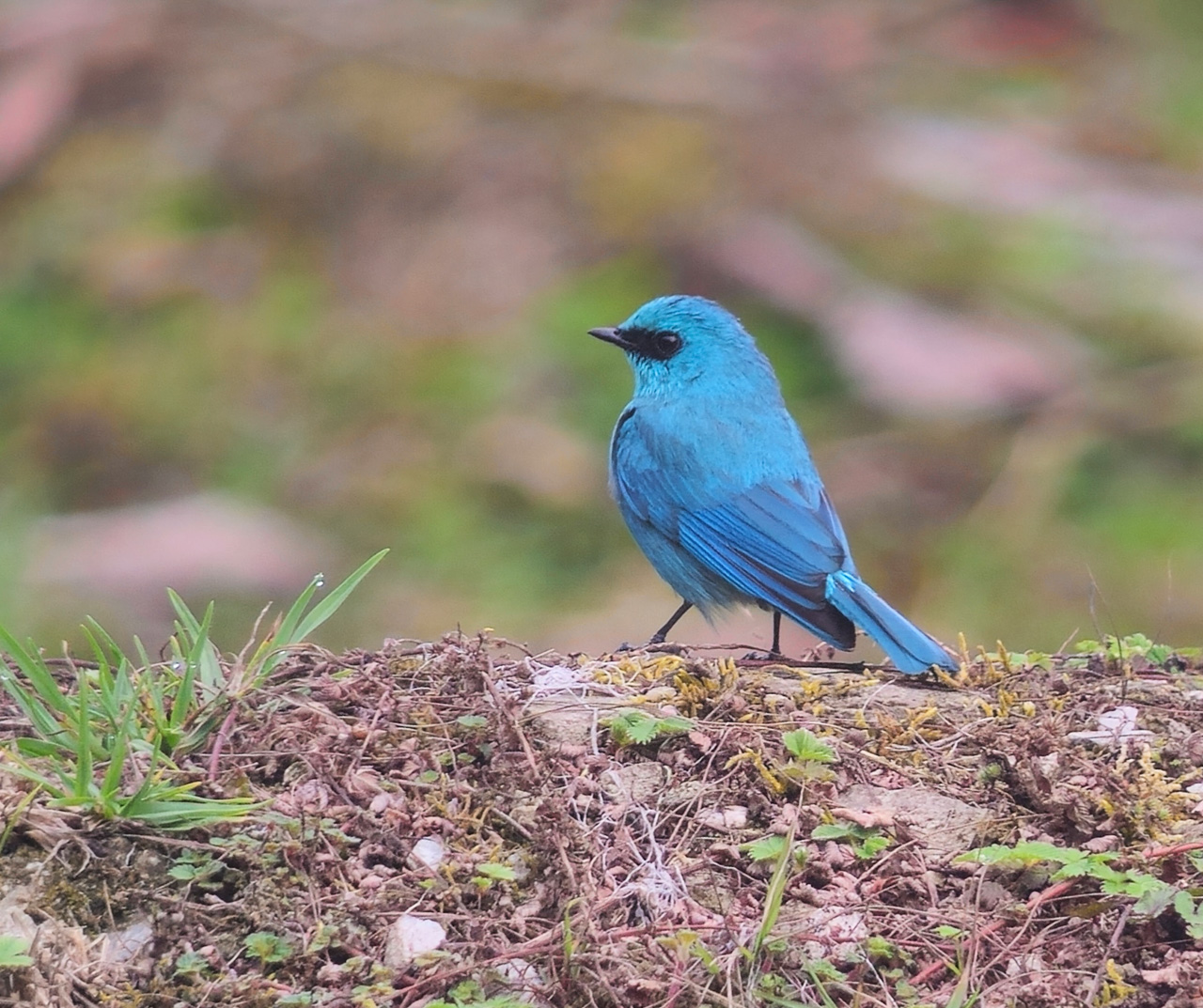
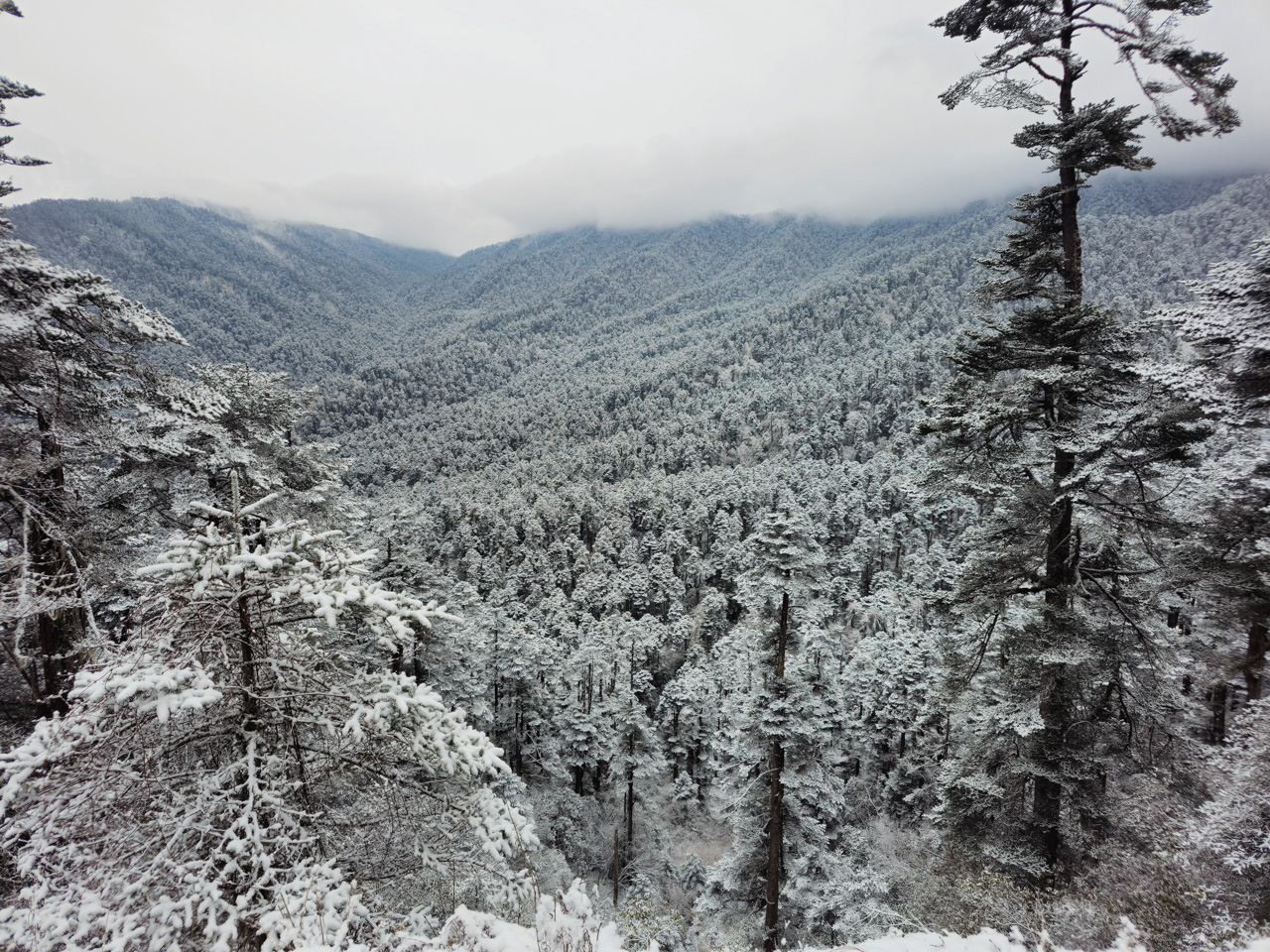
Despite unseasonably cold weather and late-winter snow, the team recorded several "Eastern Himalayan specials." Among the most significant finds was the Beautiful Nuthatch (Sitta formosa), a species classified as Vulnerable by the IUCN due to habitat loss and a naturally low population density. The expedition documented two separate pairs, providing valuable data on their presence in the mid-elevation mixed forests.
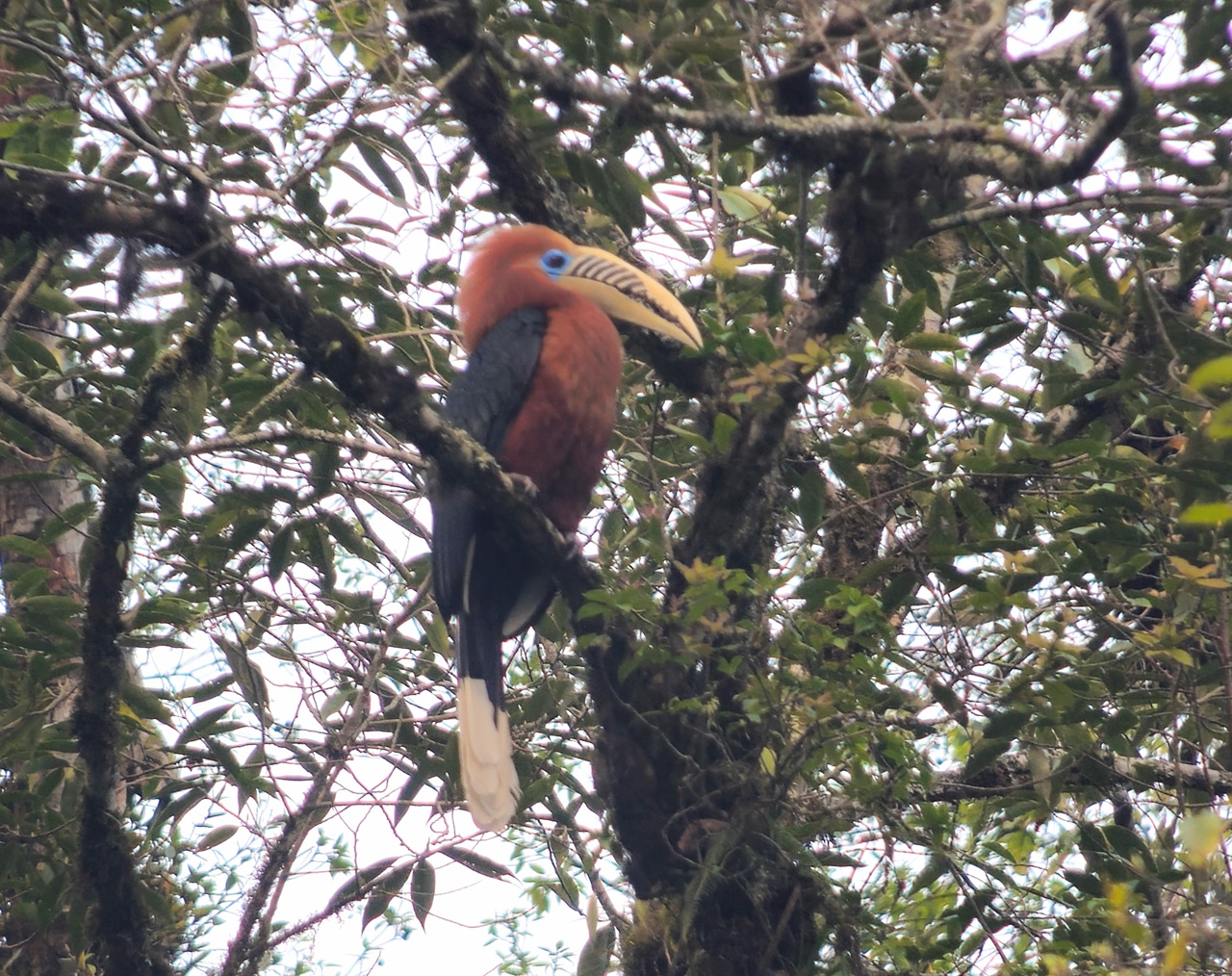
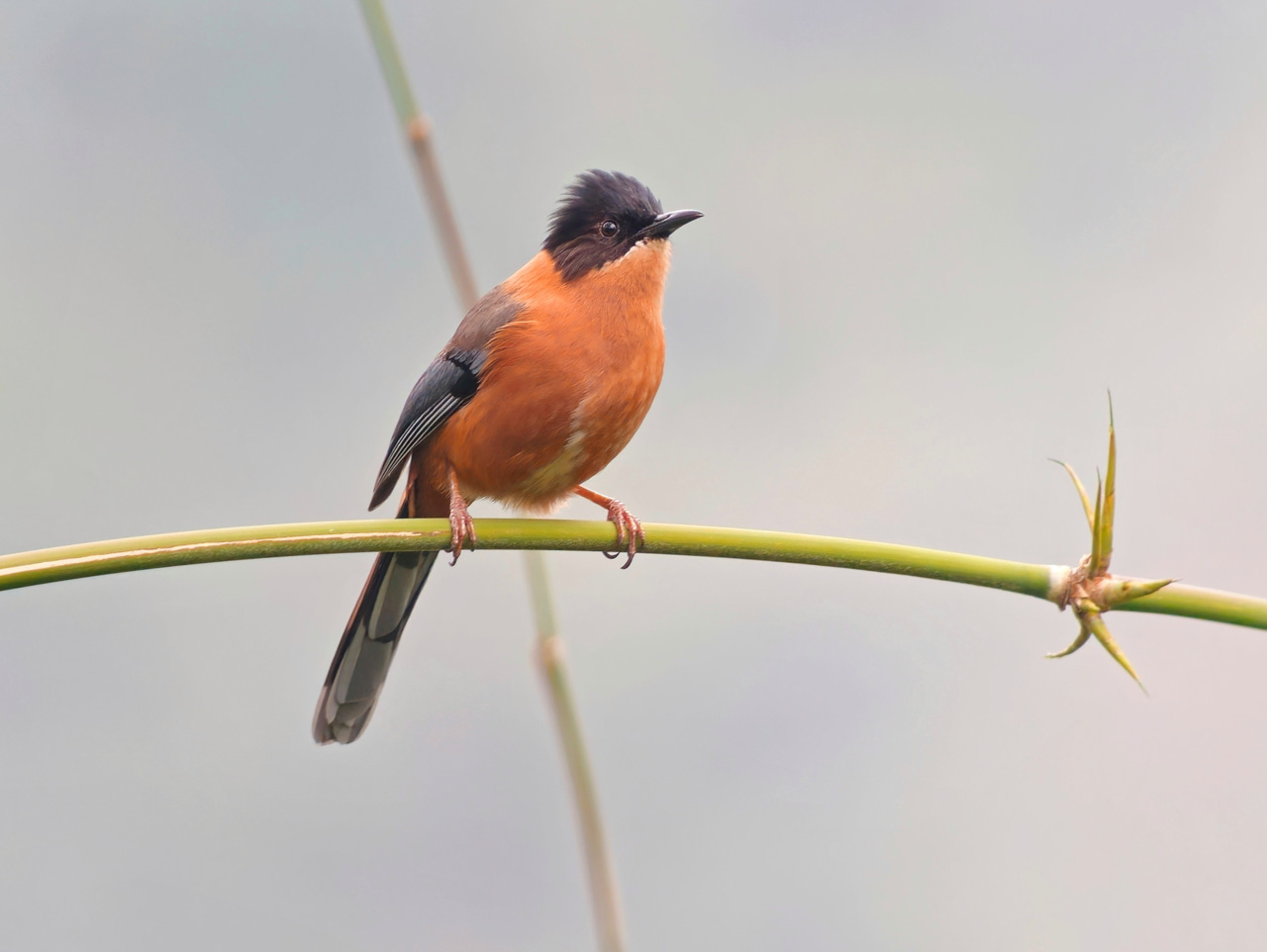
Other notable sightings along this corridor included the Rufous-necked Hornbill, a species that serves as an indicator of forest health, and the Ward’s Trogon, a bird famed for its striking plumage and elusive nature. The presence of the Himalayan Cutia, a characterful dweller of epiphyte-clad trees, further confirmed the high quality of the primary forest in the region.
High-Altitude Challenges and Rare Encounters
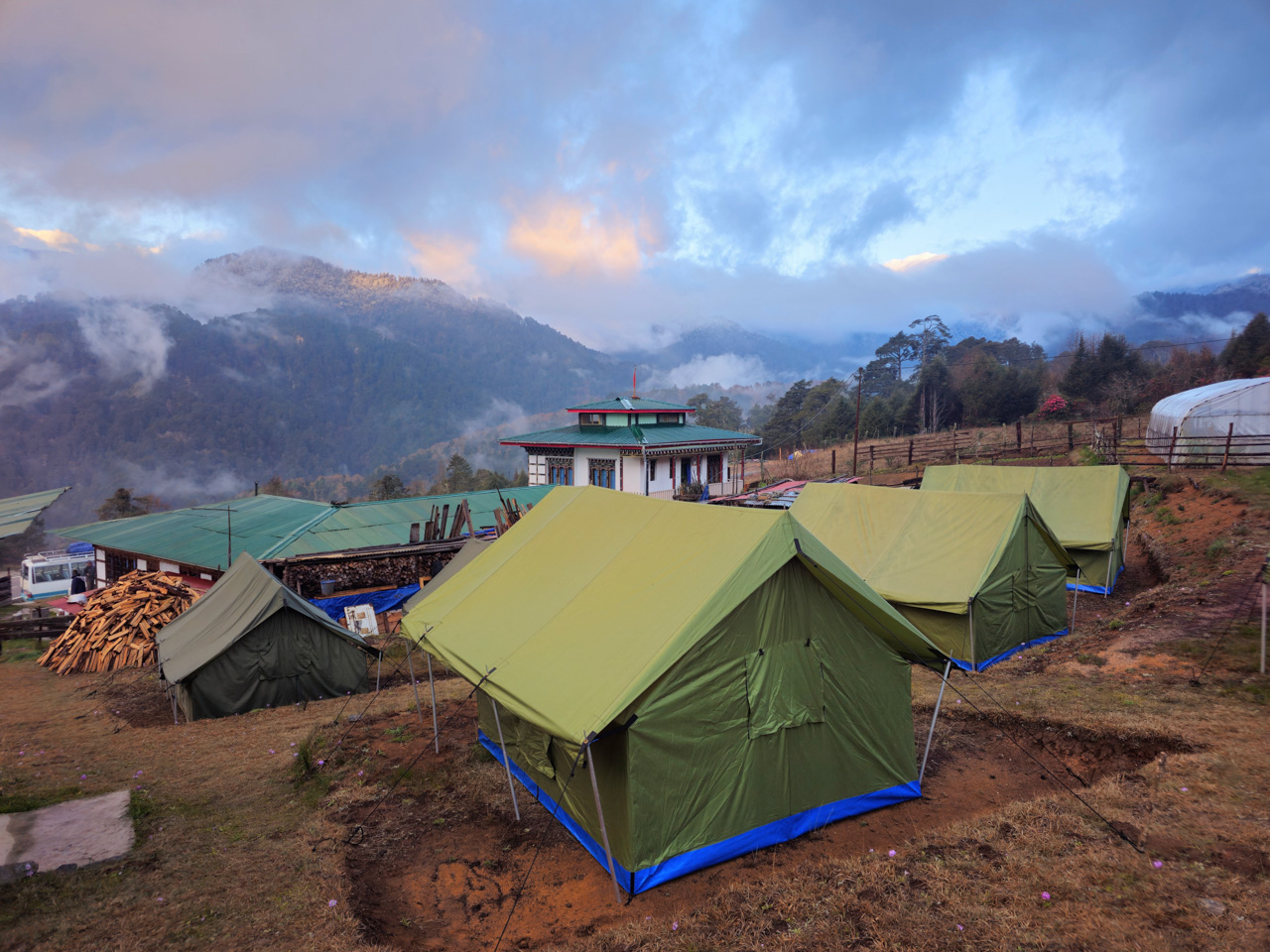
As the expedition moved into the higher reaches of the Sengor and Thrumshing La regions, the environment shifted toward subalpine and alpine habitats. The team faced logistical challenges posed by snow and freezing temperatures, which are typical of the volatile spring weather in the high Himalayas. However, these conditions pushed certain species to lower, more visible altitudes.
One of the expedition’s most significant successes was the sighting of a male Satyr Tragopan, a brightly colored pheasant that is often difficult to observe in the dense undergrowth. The high-altitude passes also yielded sightings of Blood Pheasants and Himalayan Monals, the latter being the national bird of Nepal and a symbol of Himalayan avian splendor.
A near-miss with the elusive Red Panda was recorded near the Thrumshing La pass. Although the animals themselves remained hidden in the dense hemlock and bamboo thickets, the team tracked fresh prints through the snow, confirming the continued presence of this endangered mammal in the park’s high-altitude corridors.
Conservation Spotlight: The White-bellied Heron and Black-necked Crane
The expedition provided a critical look at two of Bhutan’s most iconic and threatened species: the White-bellied Heron (Ardea insignis) and the Black-necked Crane (Grus nigricollis).
The White-bellied Heron is currently categorized as Critically Endangered, with a global population estimated at fewer than 60 individuals. The sighting of a single individual along the Mangde Chhu river was a highlight of the journey, emphasizing the importance of Bhutan’s river valleys as the last remaining strongholds for this species. Conservationists in Bhutan have been working tirelessly to protect nesting sites from the impacts of hydropower development and habitat disturbance, and this sighting confirms that the species continues to persist in the Royal Manas National Park buffer zones.
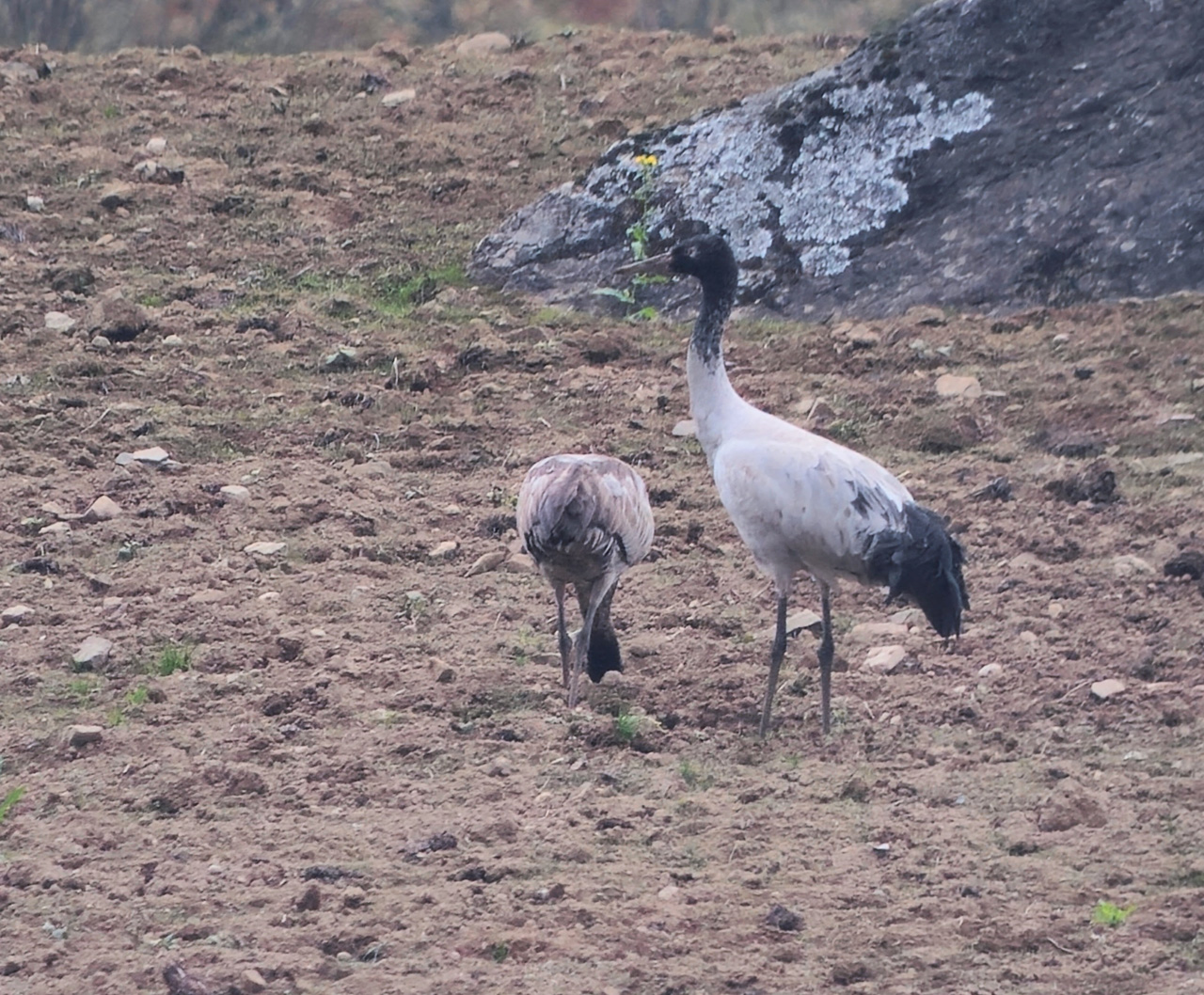
In the Phobjikha Valley, a high-altitude glacial wetland, the team observed a pair of Black-necked Cranes—an adult and its offspring—that had lingered far past their usual migration date. These birds are revered in Bhutanese culture and are the subject of an annual festival. Their presence late into the spring suggested that recent weather patterns may be influencing the migratory timing of these "heavenly birds."
Mammalian Diversity and Floral Symbiosis
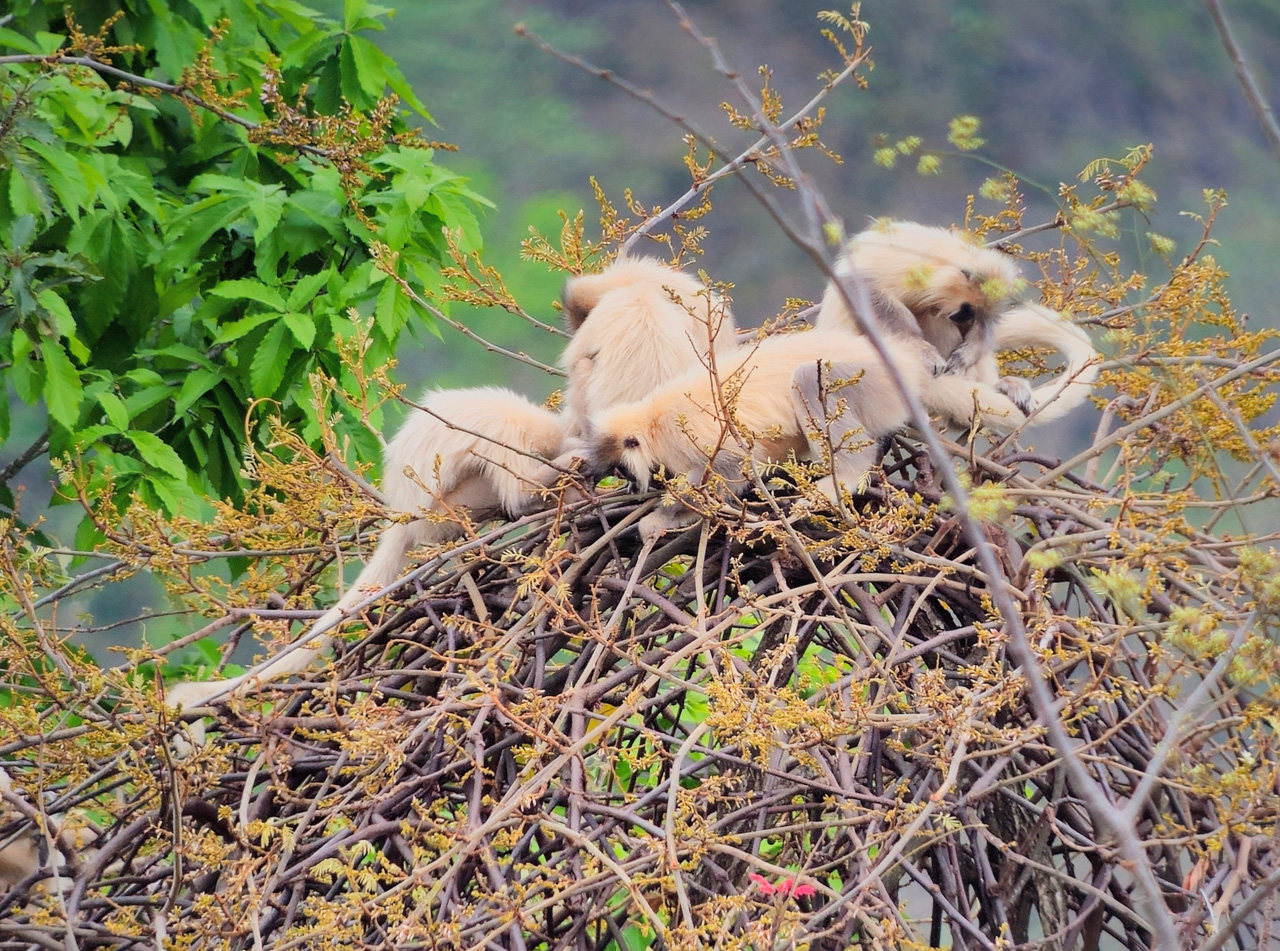
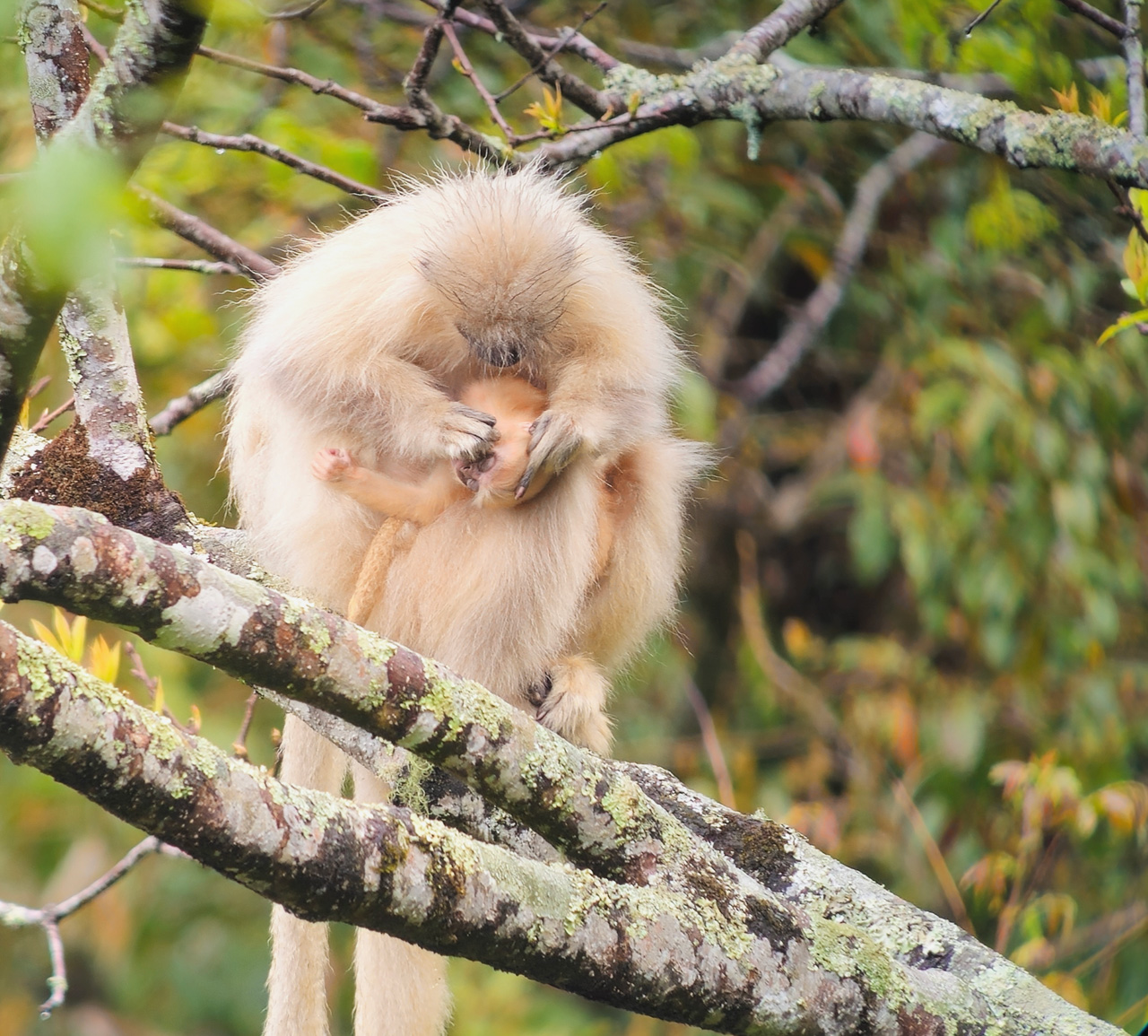
While the primary focus was ornithological, the expedition recorded 19 mammal species, many of which are endemic or range-restricted. The Golden Langur (Trachypithecus geei), one of the world’s most beautiful and endangered primates, was observed in the forests of central Bhutan. Found only in a small region of Bhutan and Assam, the Golden Langur’s survival is inextricably linked to the preservation of the country’s biological corridors.
Other mammalian highlights included the Bhutan Giant Flying Squirrel and the Himalayan Brown Goral, a goat-antelope adapted to the steep cliffs of the Cheri Valley. The expedition noted that the wildlife was frequently encountered against a backdrop of blooming magnolias and various species of rhododendron, which were in peak flower during the tour. The symbiotic relationship between the flora and fauna—particularly the nectar-feeding Fire-tailed Sunbirds and the flowering rhododendrons—highlights the complex ecological webs of the Eastern Himalayas.
Cultural Integration and Sustainable Tourism
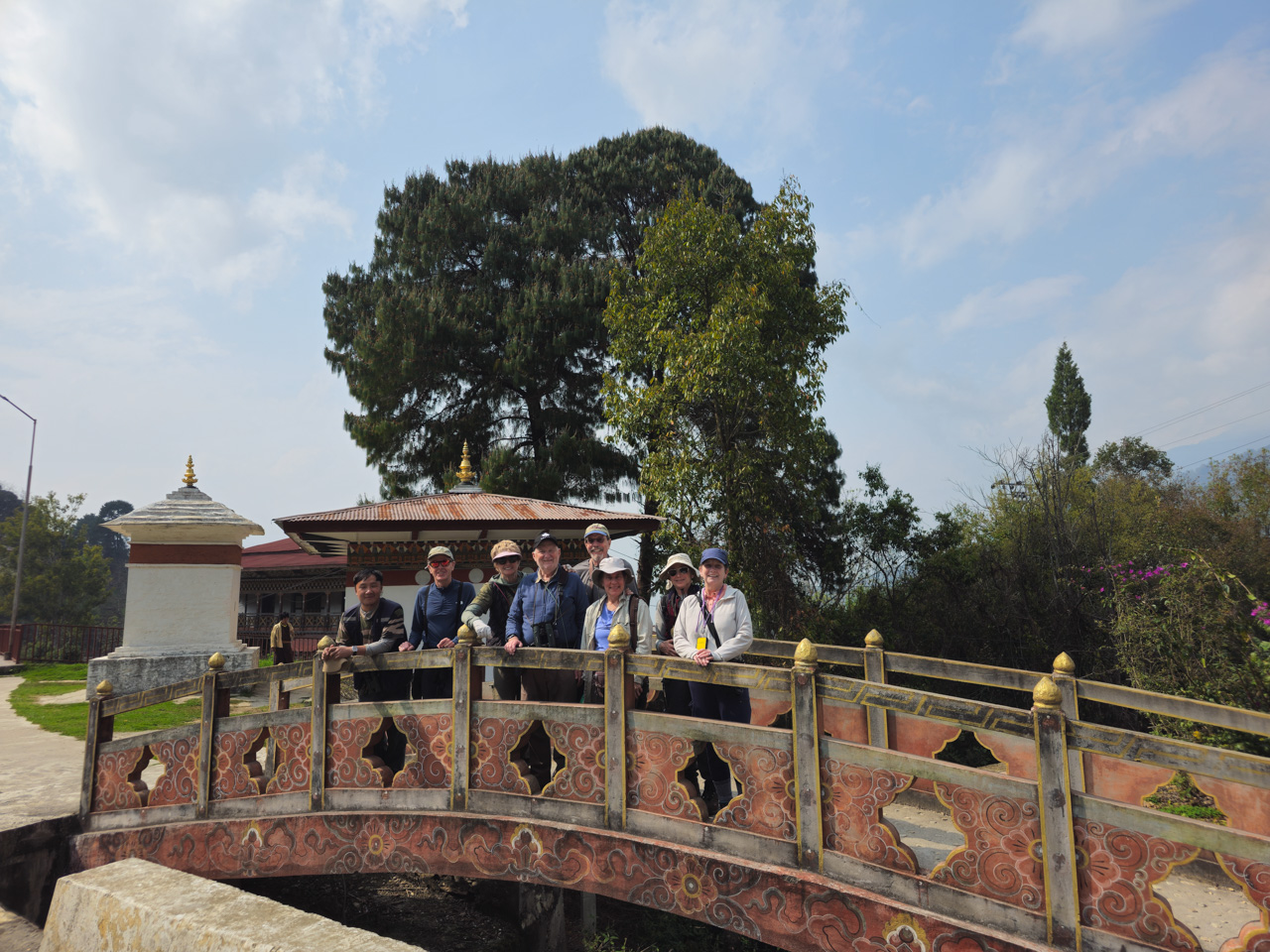
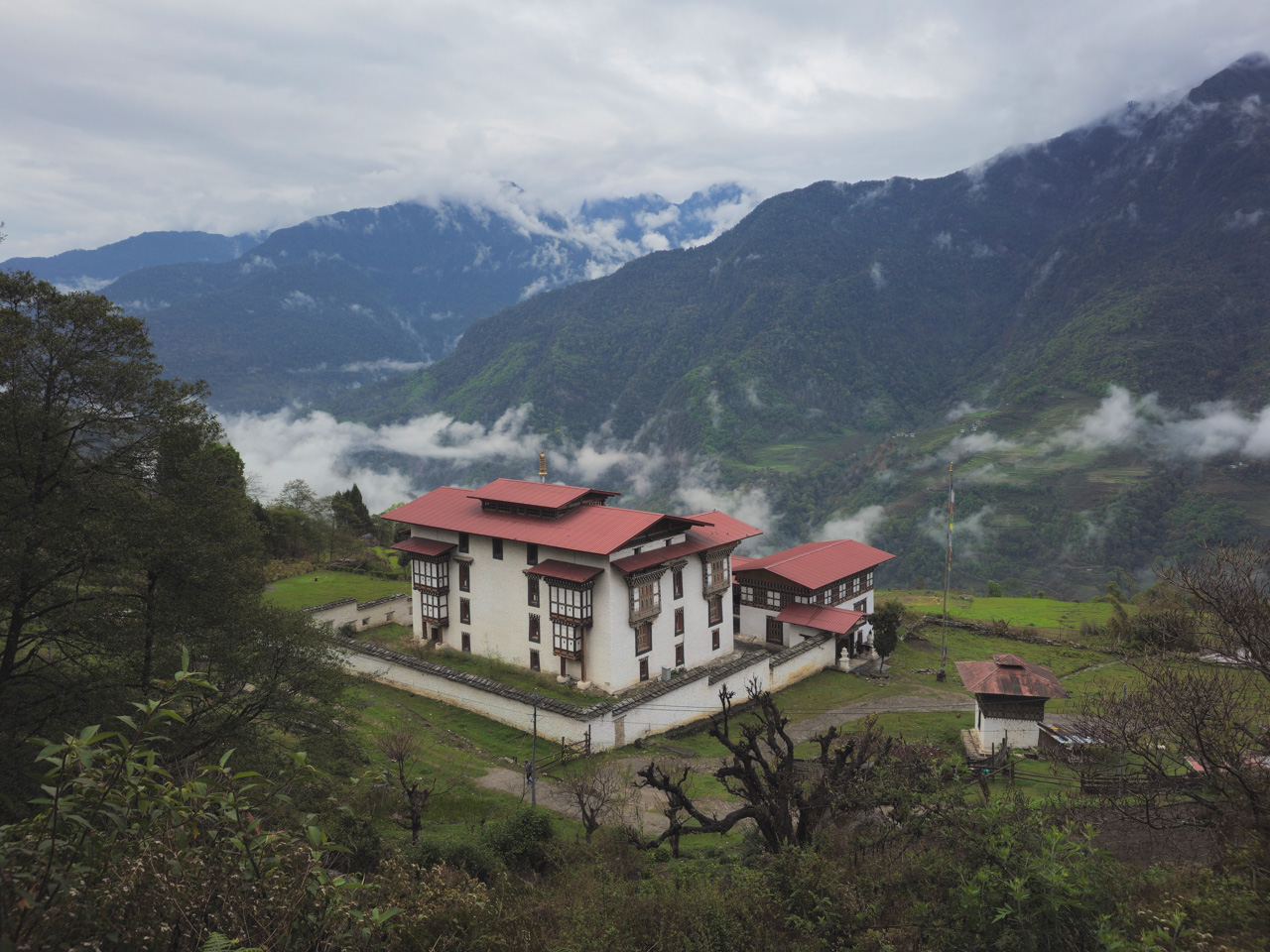
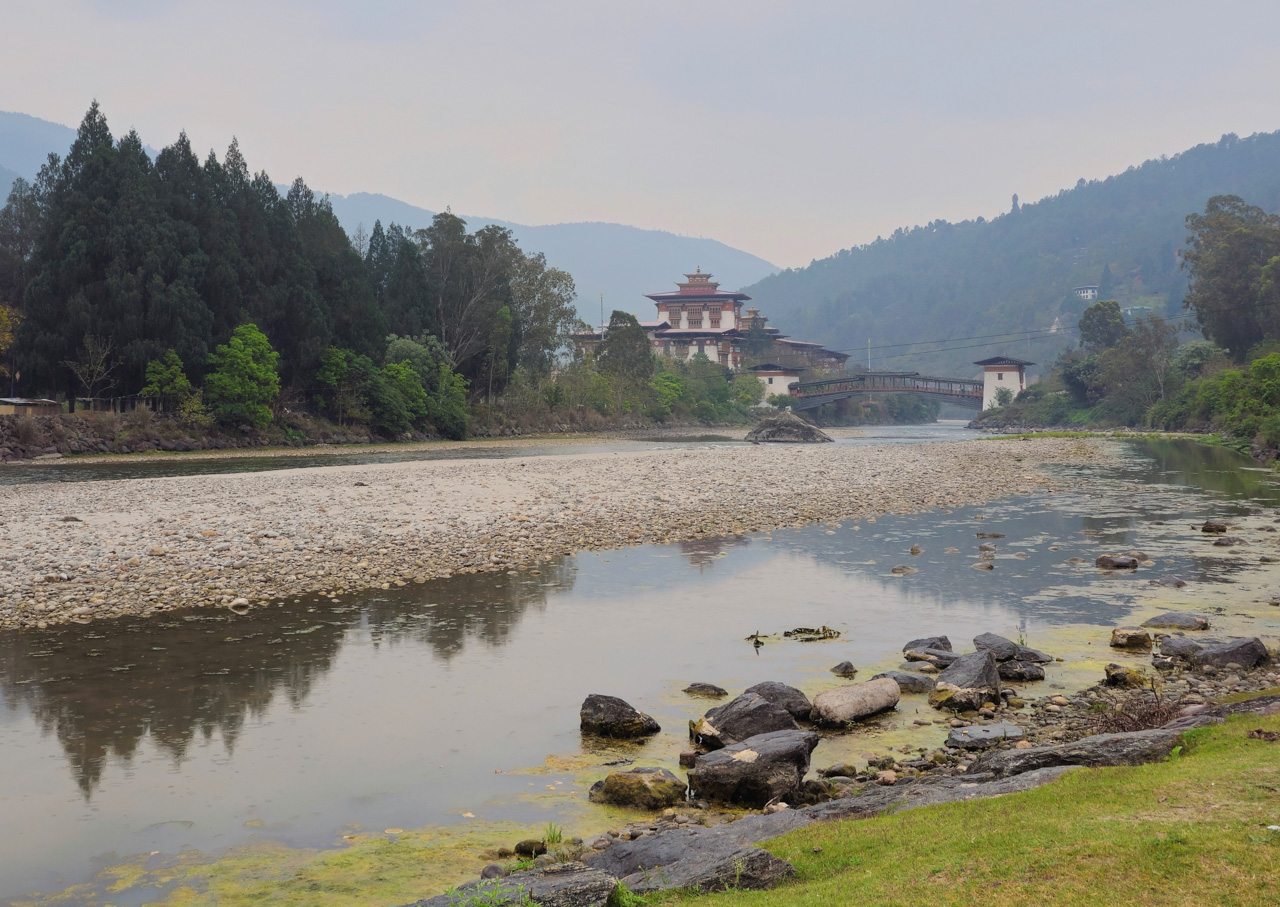
A distinguishing feature of this expedition was the integration of cultural heritage with wildlife observation. In Bhutan, the philosophy of Gross National Happiness (GNH) places environmental conservation on equal footing with economic development and cultural preservation. The team visited several "Dzongs" (fortress-monasteries), including the Punakha Dzong and the Chagri Dorjeden Monastery.

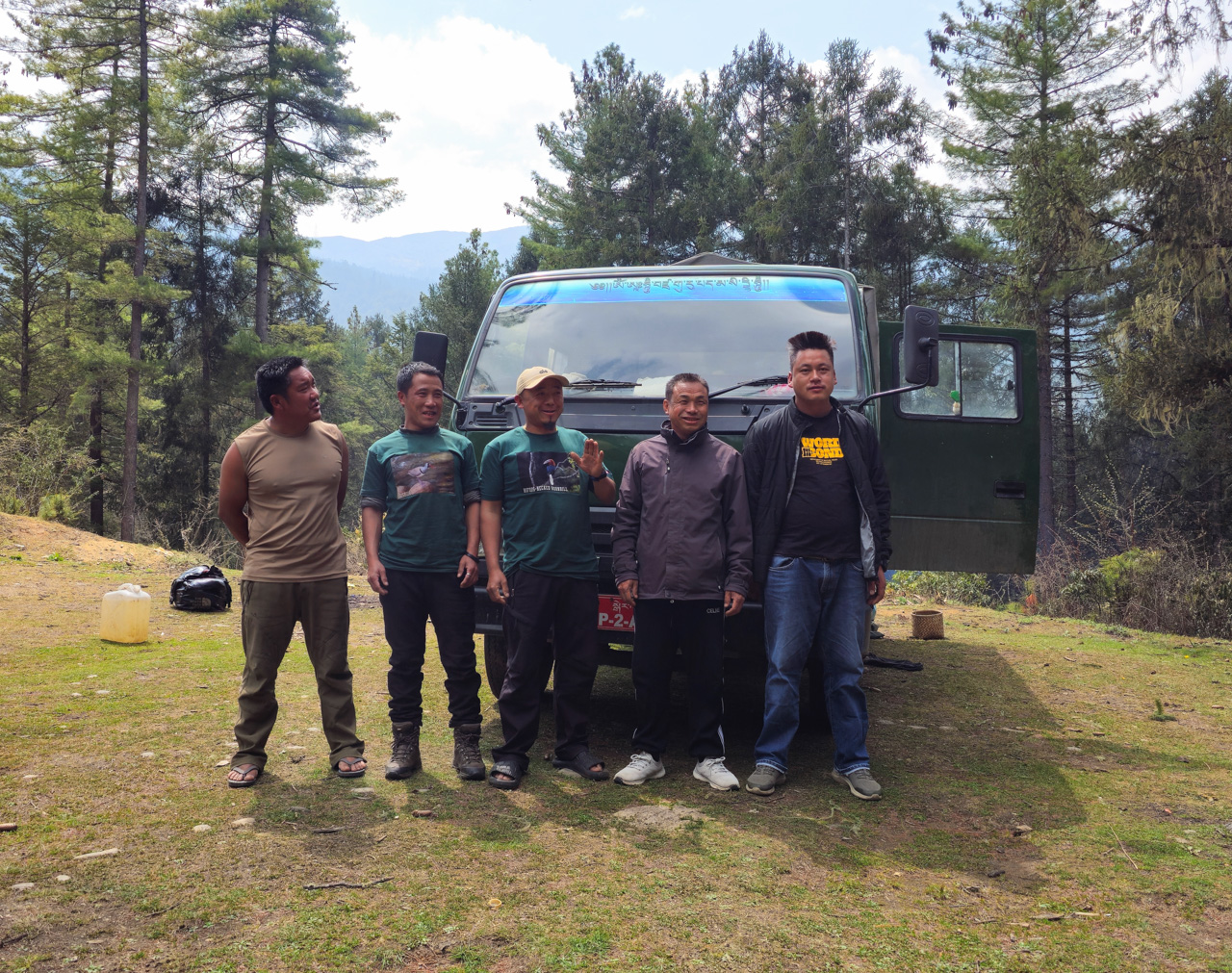
The interaction between the local population and the environment was evident at the Tiger’s Nest Monastery (Paro Taktsang), where the cliffs around the sacred site support nesting Blyth’s Swifts and Peregrine Falcons. The expedition’s report noted that the "human element"—the expertise of Bhutanese guides like Tshering and the tireless support of the local camp crew—was essential to the success of the journey. This model of high-value, low-impact tourism is central to Bhutan’s strategy for funding conservation through sustainable travel.
Chronology of the Expedition
- Day 1-2: Arrival in Delhi and flight to Guwahati, Assam. Initial sightings of urban and wetland species. Crossing into Bhutan at Samdrup Jongkhar.
- Day 3-5: Ascent into the eastern foothills. Exploration of Morong and Trashigang. Sightings of Rufous-necked Hornbill and Ward’s Trogon.
- Day 6-8: Intensive survey of the Lingmethang Road and Phrumsengla National Park. Documentation of the Beautiful Nuthatch and Fire-tailed Myzornis.
- Day 9-11: High-altitude crossing at Thrumshing La. Move to the lower-altitude forests of Tingtibi and Royal Manas National Park. Sighting of the Critically Endangered White-bellied Heron.
- Day 12-14: Observation of Black-necked Cranes in the Phobjikha Valley. Traverse of the Pele La pass. Cultural tour of Punakha Dzong and documentation of Tawny Fish Owls.
- Day 15-17: Exploration of the Paro Valley and the high-altitude Chele La pass. Final sightings of Himalayan Monal and Ibisbill. Ascent to Tiger’s Nest Monastery.
- Day 18: Conclusion of the tour and return flight to Delhi.
Conclusion and Environmental Implications
The recording of 351 bird species over an 18-day period is a testament to the biological richness of Bhutan. However, the expedition also noted potential threats, including ongoing road expansion and infrastructure projects that occasionally disrupt sensitive habitats. The balance between modernization and the preservation of "Druk Yul’s" natural heritage remains a delicate one.
As the global climate continues to shift, Bhutan’s role as a biological "ark" becomes increasingly vital. The data collected during this journey contributes to the broader understanding of avian distribution in the Himalayas and reinforces the need for continued international support of Bhutan’s unique conservation model. For birders and scientists alike, the Land of the Thunder Dragon remains a singular frontier where the "human element" and the wild world exist in a rare, albeit fragile, harmony.
