
Every April 22 since 1970, people across every continent come together to honor an essential part of our shared lives — planet Earth. Earth Day, a global movement initiated by Senator Gaylord Nelson, was born out of a growing concern for the deteriorating environment in the United States. The inaugural Earth Day in 1970 saw an unprecedented 20 million Americans take to the streets, parks, and auditoriums to protest environmental degradation and advocate for change. This massive public demonstration led to the creation of the Environmental Protection Agency (EPA) and the passage of landmark environmental laws such as the Clean Air Act, Clean Water Act, and the Endangered Species Act. Today, Earth Day is a globally recognized event, celebrated by over a billion people in more than 190 countries, serving as a critical reminder of our collective responsibility to protect the planet.
Fortunately, we’re not alone in this endeavor; countless fascinating and beautiful animals play vital roles in keeping the planet healthy. These creatures, often overlooked, are crucial to the intricate web of life that sustains us all. In honor of Earth Day, this article delves into the remarkable contributions of several avian species, highlighting their roles as unsung environmental heroes and the profound impact they have on the world around us. Their presence and vitality are often barometers of the health of their respective ecosystems, making their conservation a paramount concern for environmental stewardship.
Hummingbirds: Tiny Wings, Big Impact
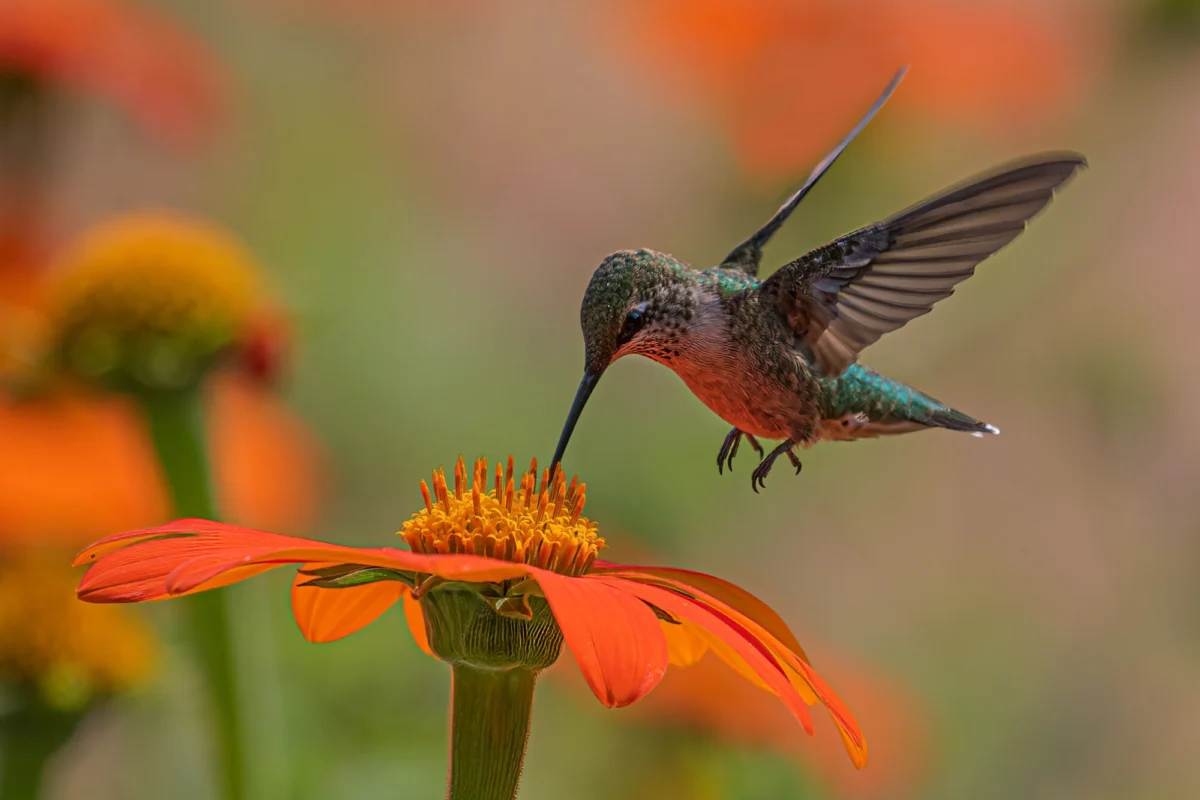
Hummingbirds, with their iridescent plumage and astonishing aerial agility, are far more than just a beautiful spectacle. These diminutive birds, belonging to the family Trochilidae, are specialized nectar feeders, and their feeding habits place them at the forefront of pollination processes. As they flit from one blossom to another, drawn by the sweet nectar, they inadvertently transfer pollen, a critical act that facilitates plant reproduction. This role is particularly vital in ecosystems where other pollinators, such as bees and butterflies, may face challenges due to habitat loss, pesticide use, or climate change.
The intricate, co-evolved relationships between hummingbirds and specific plant species are a testament to the delicate balance of nature. These relationships foster biodiversity and underpin the stability of entire ecosystems. For instance, certain species of fuchsias and salvias are almost entirely dependent on hummingbirds for pollination. Beyond their direct ecological services, hummingbirds serve as sensitive indicators of environmental health. Their small size and high metabolism make them particularly susceptible to changes in temperature, food availability, and habitat quality. Therefore, a decline in hummingbird populations can signal broader environmental distress, acting as an early warning system for climate disruption and ecosystem imbalance. Research published by organizations like One Earth highlights that the distribution and migratory patterns of hummingbirds are already showing signs of disruption due to shifting climate conditions, impacting their ability to find food sources and suitable breeding grounds. This sensitivity underscores the urgent need to protect their habitats and mitigate the effects of climate change.
Vultures: Nature’s Indispensable Cleanup Crew
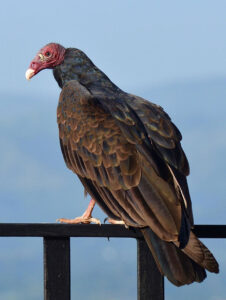
In the realm of environmental sanitation, vultures stand out as nature’s dedicated cleanup crew. These often-misunderstood birds, characterized by their distinctive bald heads and impressive wingspans, perform an essential service by consuming carcasses. This diligent scavenging prevents the accumulation of dead animals, a process that could otherwise lead to the rapid spread of diseases. Vultures possess a remarkably acidic digestive system, a biological adaptation that allows them to neutralize a wide array of dangerous pathogens, including those that would be harmful or even lethal to humans.
The ecological significance of vultures cannot be overstated. Their role in controlling the spread of disease is critical for maintaining public health and the health of wildlife populations. Studies by organizations like the World Wildlife Fund (WWF) have documented the cascading negative effects when vulture populations decline. In regions where vulture numbers have plummeted due to poisoning (often from livestock treated with certain veterinary drugs like diclofenac), carcasses remain unconsumed for longer periods, leading to an increase in populations of other scavengers like rats and feral dogs, which can act as vectors for diseases like rabies. This disruption can have significant economic and social consequences, including increased healthcare costs and threats to livestock. The bald heads, a characteristic that might seem off-putting to some, are a brilliant evolutionary adaptation. This lack of feathers around the head and neck prevents blood and bacteria from adhering to their plumage while they feed deep within carcasses, ensuring they do not carry pathogens back to their nests or elsewhere. Their presence is a crucial component of a healthy ecosystem, maintaining a natural balance and preventing outbreaks that could destabilize entire environments.
Seabirds: Connecting the Vital Links Between Land and Sea
The remarkable ability of birds to traverse vast distances makes them natural connectors of disparate ecosystems. Seabirds, in particular, play an underappreciated role in transferring essential nutrients between marine and terrestrial environments. Through their droppings, often deposited in large quantities on coastal areas and islands, seabirds enrich the soil with nitrogen and phosphorus. This nutrient enrichment is vital for supporting robust plant growth, particularly in nutrient-poor island ecosystems.
The implications of this nutrient transfer are far-reaching. Healthier vegetation, fueled by seabird guano, provides stable habitats for a wider array of terrestrial wildlife, including insects, reptiles, and other bird species. This increased biodiversity contributes to the overall resilience of island ecosystems, making them better equipped to withstand environmental stressors. Research published by organizations like the American Bird Conservancy has provided compelling evidence of this land-sea connection, demonstrating how seabird colonies can significantly influence the productivity and biodiversity of nearby terrestrial environments. By acting as conduits for nutrient flow, seabirds help maintain the ecological integrity of both oceanic and coastal habitats, illustrating a powerful example of how different parts of the biosphere are interconnected and interdependent. Their migrations and feeding patterns thus contribute to the health and vitality of a vast network of life.
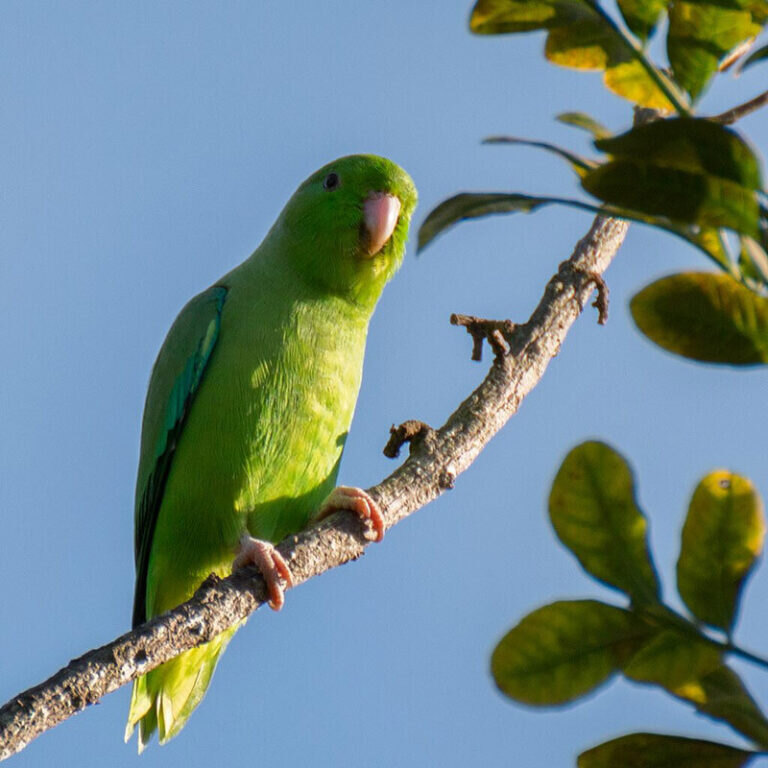
Parrots: The Dynamic Forest Gardeners
Parrots, renowned for their intelligence and vibrant colors, are far more than just charismatic avian species; they are integral to the health and regeneration of forest ecosystems. Scientific research has identified parrots as "multilinkers" within their environments, contributing to a variety of ecological processes. One of their most significant roles is seed dispersal. As parrots consume fruits, they ingest seeds and later excrete them, often over considerable distances, effectively sowing the seeds for new plant growth. This ability to move seeds across landscapes is crucial for maintaining genetic diversity and facilitating forest regeneration, especially in fragmented or degraded habitats.
Beyond seed dispersal, parrots contribute to plant reproduction through pollination, albeit to a lesser extent than specialized pollinators like hummingbirds. Furthermore, many parrot species engage in insectivory, feeding on insects that can be detrimental to plant health. By keeping insect populations in check, parrots help protect vegetation from excessive damage, thus supporting the overall vitality of the forest. Their movements across varied terrains facilitate the transfer of energy and nutrients between different ecological zones, further enriching the ecosystem. In some instances, the long-distance seed dispersal by parrots can be instrumental in recolonizing areas affected by disturbances, playing a direct role in forest recovery. A comprehensive study published in PMC highlights how the complex foraging behaviors and movements of parrots contribute to the intricate functioning of healthy ecosystems, underscoring their importance as active participants in forest dynamics. Their role as "forest gardeners" is a vital, yet often overlooked, aspect of their ecological significance.
The Broader Implications for Earth Day and Beyond
As we commemorate Earth Day, the spotlight on these avian environmental heroes serves as a powerful reminder of the interconnectedness of all life on our planet. The contributions of hummingbirds, vultures, seabirds, and parrots highlight the intricate ecological services that nature provides, often at no cost to humanity. Their well-being is intrinsically linked to the health of the environments they inhabit, and by extension, to our own well-being.
The data consistently shows that declines in these bird populations are not isolated incidents but rather indicators of larger environmental problems, including habitat destruction, climate change, and pollution. The implications of these declines are profound, potentially leading to reduced pollination, increased disease transmission, diminished nutrient cycling, and hindered forest regeneration. Addressing these challenges requires a concerted global effort. Governments, organizations, and individuals must work collaboratively to protect critical habitats, reduce greenhouse gas emissions, promote sustainable land management practices, and combat the illegal wildlife trade.
Official responses to these ecological concerns are gradually increasing, with international agreements and conservation initiatives aimed at protecting biodiversity. However, the scale of the problem demands more robust and immediate action. The analysis of environmental trends suggests that without significant intervention, many of these vital avian populations will continue to face severe threats, jeopardizing the ecological services they provide.
Ultimately, Earth Day provides an annual opportunity to reflect on our relationship with the natural world and to recommit to its protection. By understanding and appreciating the vital roles played by creatures like our featured avian heroes, we can foster a deeper sense of stewardship and inspire the actions necessary to ensure a healthy and sustainable future for all life on Earth. The continued research and public awareness campaigns surrounding these species are crucial for galvanizing support for conservation efforts and for ensuring that future generations can continue to benefit from the invaluable services provided by these remarkable birds.
