
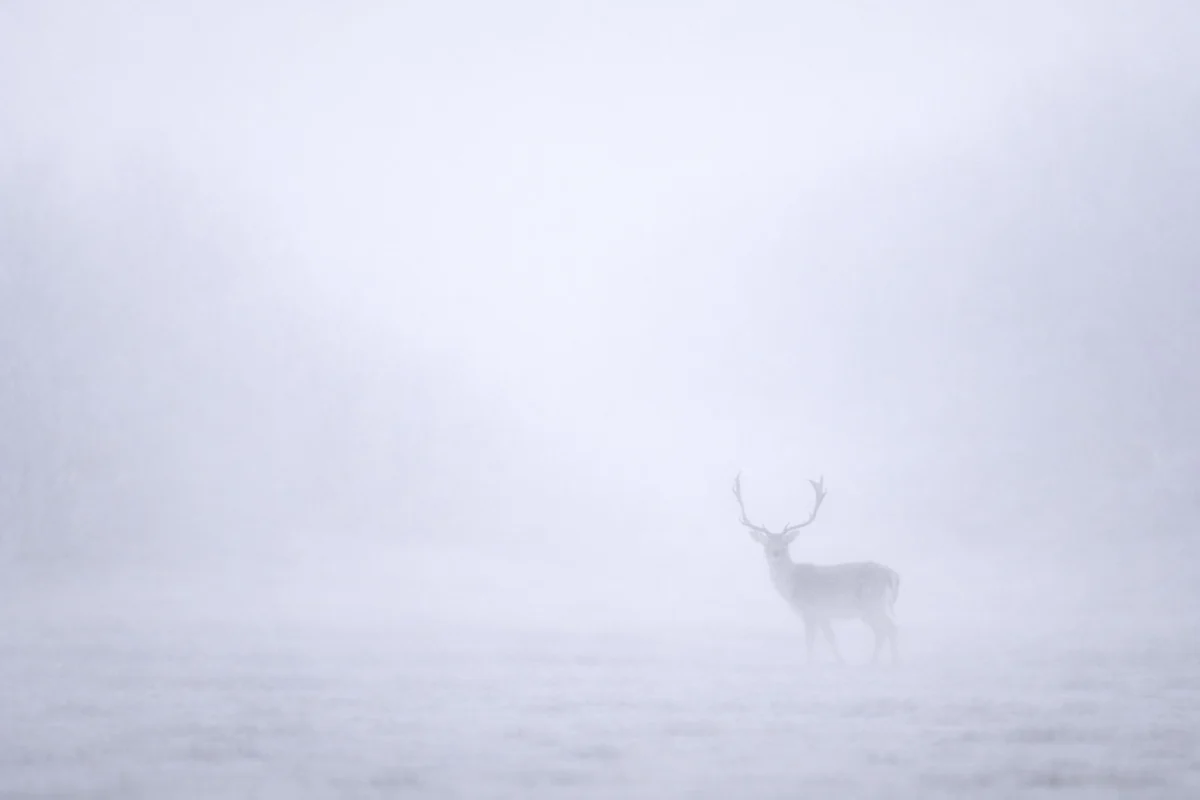
A distinctive approach to nature photography, characterized by deliberate simplification and an emphasis on negative space, has emerged as a compelling artistic statement. This style, which eschews conventional grand vistas and intricate detail in favor of quiet contemplation, reflects a deeper philosophical engagement with the natural world and the act of seeing. It is a methodology that often develops organically within photographers, rather than being a conscious, initial decision, evolving from an innate sensitivity to visual clutter and a nascent desire for tranquility in their work.
The Evolution of a Distinctive Vision
The journey into minimalist nature photography frequently begins subtly, without a predetermined artistic manifesto. Early in their photographic development, practitioners often find themselves intuitively stepping back, allowing subjects to occupy less of the frame, and embracing the expansive presence of surrounding space. This inclination towards a broader perspective is not merely a compositional choice but an unconscious quest for visual and emotional quietude. The early attraction to simplicity, characterized by calm backgrounds and a pervasive sense of ‘air’ within the frame, stems not from a desire to strip down subjects, but from an inherent aversion to overwhelming visual complexity. The discovery of techniques such as high-key and low-key photography often resonates deeply, feeling less like a learned skill and more like a profound recognition of an already existing inner aesthetic. This recognition marks a pivotal moment, solidifying a direction that will define their artistic voice.
Atmosphere and Emotional Resonance
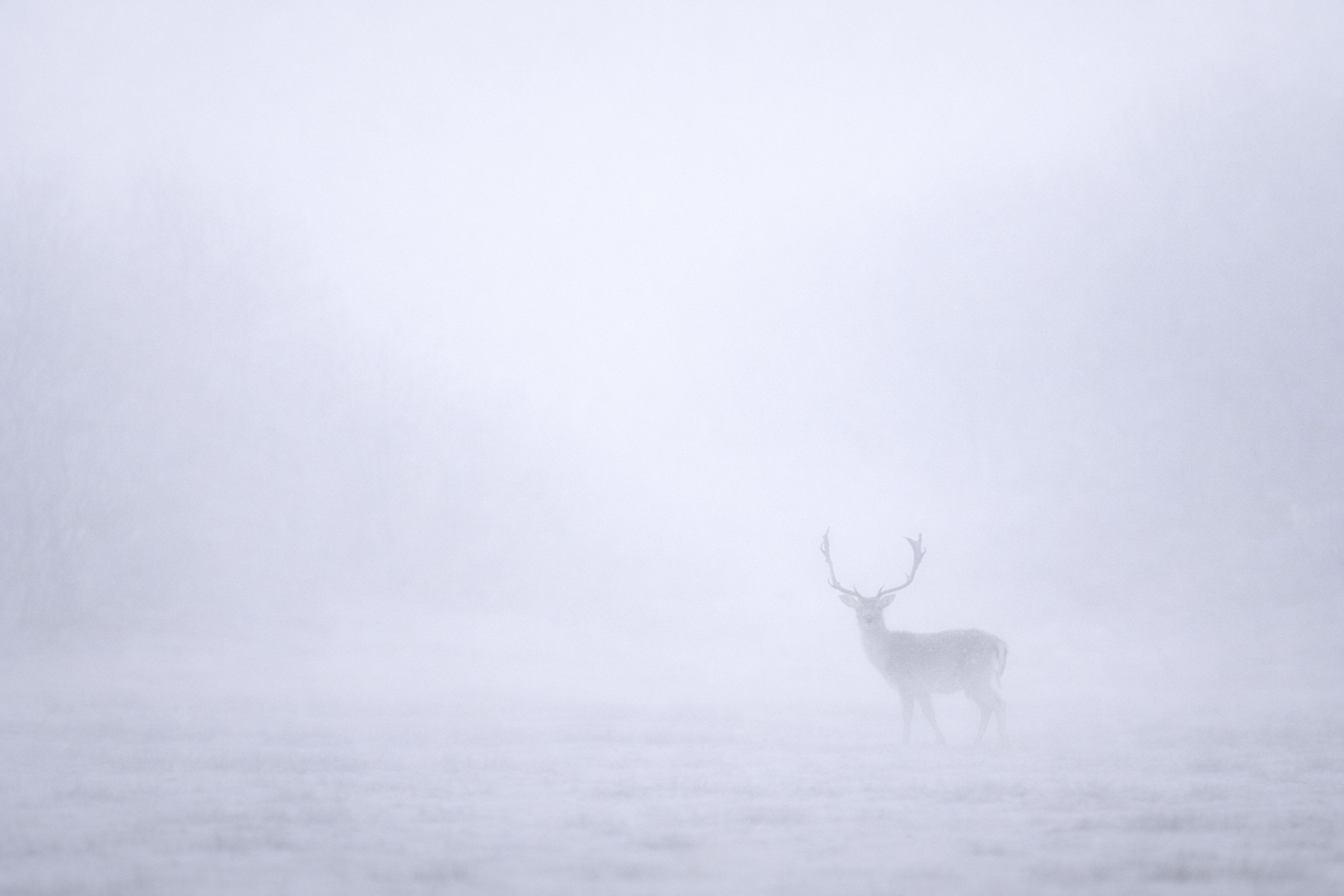
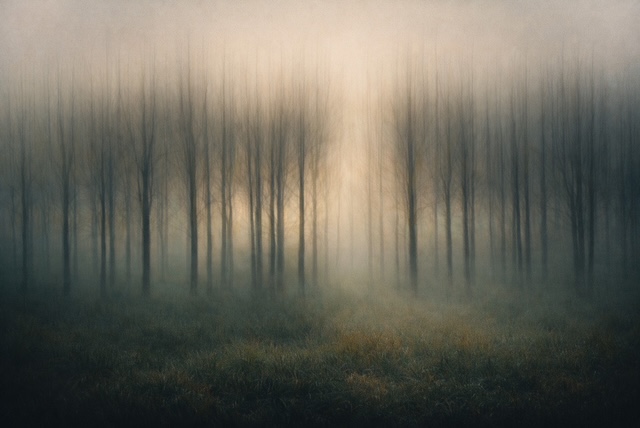
Environmental conditions play a crucial role in shaping this minimalist aesthetic. Photographers often report that standing amidst fog or snowfall profoundly alters their internal state, slowing their thoughts and softening their perception of the world. These atmospheric conditions transform the landscape into a canvas of muted tones and simplified forms, fostering moments of profound, quiet contentment. Such experiences are frequently described not as overtly expressive, but as deeply fulfilling, sometimes evoking unexpected waves of gratitude and a powerful sense of belonging. In these moments of solitude, the practitioner feels connected, unburdened by external expectations or the need to conform. Nature, in its unfiltered presence, offers a space of acceptance where inner complexities find balance.
The Psychology of Perception and Presence
Human interaction with the world is often characterized by rapid movement and constant transition. This accelerated pace extends even to experiences in nature, where individuals frequently pass through environments without pausing to fully engage. However, a fundamental tenet of minimalist photography, and indeed of deeper engagement with nature, is the principle of stillness. By remaining in one place without urgency or expectation, a profound shift in perception can occur. Subtle changes in light, previously unnoticed movements at the periphery of vision, and elements that were initially invisible gradually reveal themselves. This unhurried observation fosters a heightened state of attention and presence, fundamentally altering the experience of seeing. Once this deeper mode of perception is cultivated, a return to superficial, hurried observation becomes challenging.
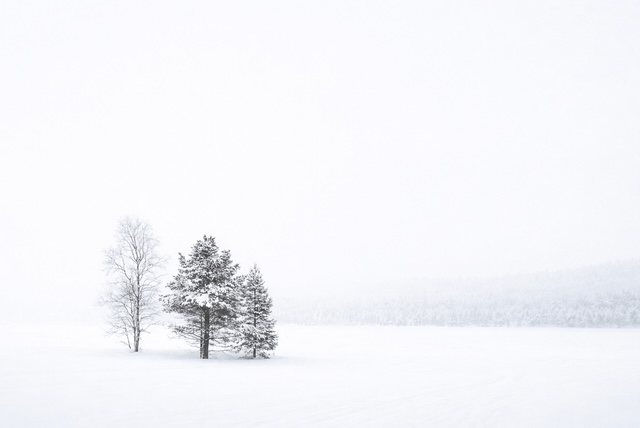
This deliberate slowing down elevates minimalism beyond a mere aesthetic choice; it becomes a necessity. The expansive emptiness frequently depicted in minimalist images is not a void but a deliberate reflection of a need for calm and mental space. What appears minimal on the surface often conceals significant depth, with silence itself imbued with meaning. Minimalism, in this context, provides room for emotional experience. White spaces become metaphorical breathing room, while darkness offers a sense of rest. The judicious application of high-key and low-key lighting softens the perceived world, isolating and highlighting what is deemed truly essential, not to diminish meaning but to create the necessary space for it to emerge and resonate.
A Foundational Artistic Direction
For practitioners of this style, the choice to embrace minimalism transcends fleeting preference or a temporary phase; it solidifies into a fundamental artistic direction. This commitment is rooted in several core principles:
- Simplicity: Chosen to maintain an authentic connection to the emotions experienced during the moment of capture.
- Distance: Employed to provide both the subject and the photographer with necessary space, enhancing the feeling of expanse.
- Restraint: Utilized to ensure the image remains open to interpretation, inviting the viewer’s personal engagement.
This minimalist approach is not an afterthought applied during post-production but originates directly from the initial interaction with the scene. It is inherent in the duration spent observing, the patient waiting, and the conscious decision of how much to leave untouched within the frame.
Authenticity Over External Validation
A hallmark of this photographic philosophy is a profound dedication to internal authenticity over external validation. Images are not created to appease an audience, chase trends, or meet external expectations. Instead, they are shared only if they evoke a palpable emotional response within the artist. If an image fails to resonate deeply, it remains private, regardless of its technical perfection or potential popularity. This commitment extends to the photographic process itself; adherence to conventional rules is secondary to intuitive feeling. Technical knowledge remains a quiet, underlying presence, never dictating the creative impulse. The moment itself guides the composition and capture, often yielding an immediate, visceral understanding of an image’s potential. If an image does not feel "true," it is discarded; if it does, it is trusted, even if it deviates from established photographic norms.
Photography, in this deeply personal framework, becomes a sanctuary—a space where the artist can dissolve into the moment without losing themselves. It is an arena free from the pressures of performance or explanation, where feeling alone is sufficient. When questioned about the subject matter of their photographs, practitioners often struggle to provide a concise answer. The work is rarely "about" animals, landscapes, or minimalism as a conceptual framework. Instead, it is fundamentally "about" presence—the profound experience of being fully immersed in a moment that demands nothing in return.
The Fragility of Encounters and the Power of Implication
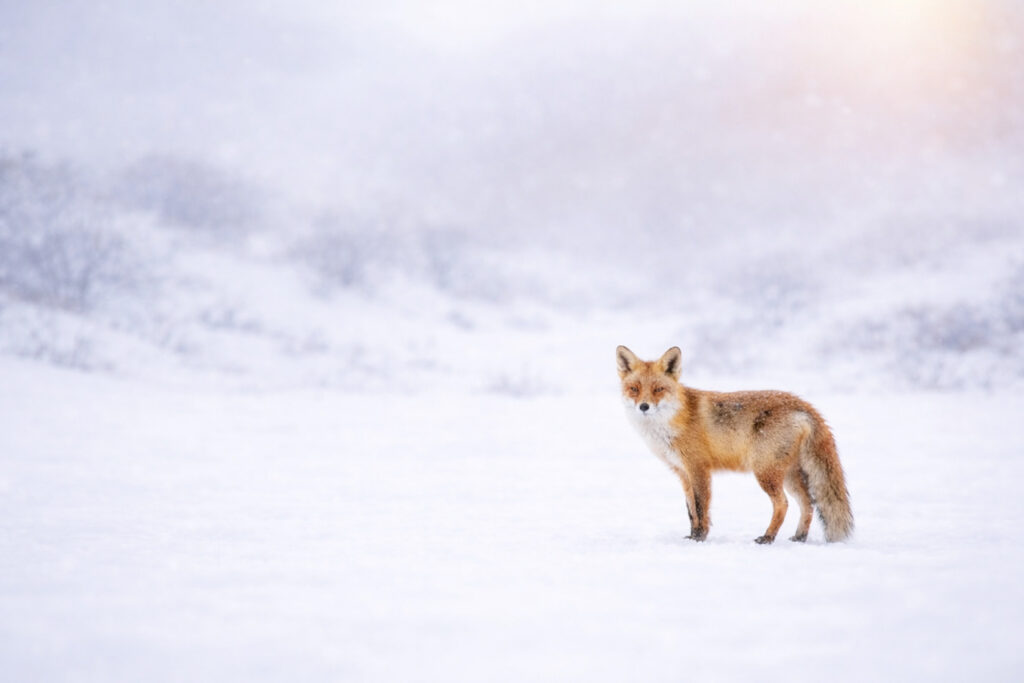
Encounters captured in conditions like snow or mist are frequently ephemeral. A fox pausing briefly, a deer materializing and then receding—these moments are characterized by their fragility and weightlessness. The photographer’s approach is to avoid disturbance, maintaining distance and allowing space to become an integral element of the narrative. The true draw is not merely the encounter itself, but the lingering emotional impression it leaves behind.
This artistic philosophy posits that stillness possesses its own voice, that softness can embody strength, and that there is inherent value in restraint—in choosing less rather than more. Minimalism, often misinterpreted as emptiness, is presented here as an invitation. It is an open space designed to allow viewers to pause, bringing their own experiences and interpretations to the image. There is no explicit message to be explained, no problem to be solved within the frame.
The ultimate aspiration of this minimalist work is to evoke a moment of pause in the viewer. If an image succeeds in achieving even a brief moment of quiet contemplation, it has fulfilled its purpose. The intention is not to impress but to invite—into quietude, into expansive space, and into a moment where the pressure to solve or explain is entirely absent. This is the profound motivation behind this style of photography: not to merely depict the appearance of nature, but to convey the profound feeling that arises when silence, in its simplest form, is recognized as enough.
Broader Implications and Societal Context
The rise of minimalist nature photography aligns with broader societal trends reflecting a growing desire for mindfulness and a counter-narrative to the pervasive digital noise and information overload of contemporary life. In an era where visual culture often prioritizes spectacle and immediate gratification, this photographic movement offers an antidote, encouraging deeper engagement and sustained attention.
- Psychological Benefits: Studies in environmental psychology and visual perception have consistently highlighted the positive impact of minimalist aesthetics on cognitive well-being. Reduced visual clutter is associated with lower cognitive load, potentially leading to decreased stress and enhanced focus. For both the artist and the viewer, engaging with these images can serve as a meditative practice, fostering calm and introspection. This aligns with the photographer’s personal experience of finding balance and internal space within expansive natural settings.
- Artistic Movement: Minimalism has deep roots in 20th-century art, from the "less is more" philosophy of architects like Mies van der Rohe to the conceptual art movements that stripped away non-essential forms. In photography, this translates to a deliberate reduction of elements, emphasizing composition, light, and texture over narrative complexity. This particular genre of nature photography extends this tradition, demonstrating that profound emotion and meaning can be conveyed through suggestion and absence rather than overt depiction.
- Environmental Connection: By focusing on the subtle, often overlooked aspects of nature and promoting stillness, this photographic approach indirectly advocates for a more mindful relationship with the environment. It shifts the focus from grand, exploitable landscapes to the fragile, transient beauty of individual moments and atmospheric conditions, fostering a sense of reverence and humility towards the natural world. This subtle advocacy may resonate with growing concerns about environmental preservation and the need for deeper ecological consciousness.
- Market Trends and Reception: While not driven by commercial intent, minimalist nature photography has found an appreciative audience in the art market and among collectors seeking contemplative and emotionally resonant works. Galleries and online platforms increasingly feature such artists, recognizing the unique blend of technical skill and profound philosophical depth. Art critics often laud this style for its ability to strip away the superficial and reveal universal truths about presence, solitude, and the intrinsic beauty of simplicity.
This photographic practice, therefore, transcends individual artistic expression, positioning itself as a significant cultural commentary. It challenges viewers to slow down, to look beyond the obvious, and to find profound meaning in the quietest of moments. It stands as a testament to the enduring power of restraint and the deep resonance found when silence is not merely an absence of sound, but a rich, inviting presence.
