
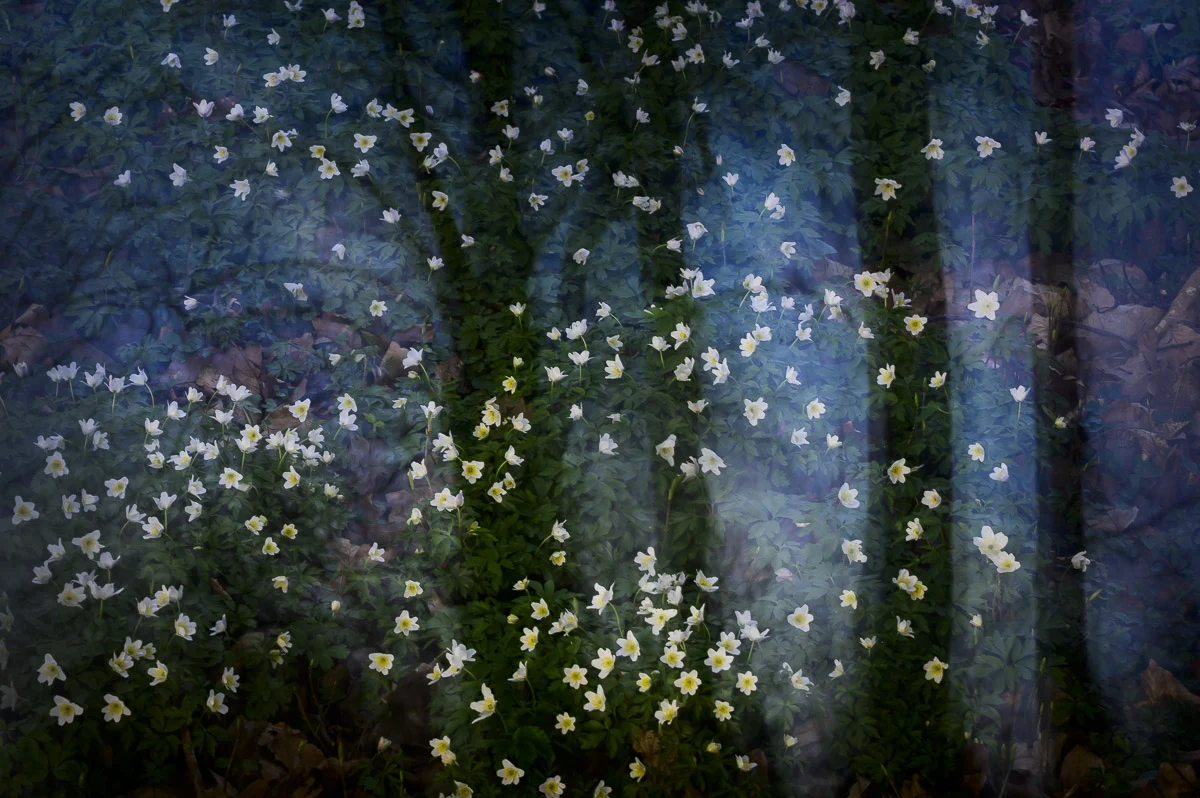
A recent insightful discourse published on the Nature Photographers Network challenges conventional wisdom on achieving compelling imagery, advocating for a profound shift from outcome-focused planning to an immersive, responsive photographic process. This perspective, articulated by an experienced practitioner, posits that the true essence of capturing a powerful photograph lies not in adhering to predefined compositional rules or technical checklists, but in a dynamic engagement with the environment, guided by acute perception and adaptable design. It introduces a "triad" of nature, perception, and design as the fundamental framework for creating authentic and impactful images, particularly within the unpredictable realm of nature photography.
The Philosophy Unveiled: Process Over Pre-conception
Many aspiring photographers often seek definitive answers to the question, "How do you take a good photo?" The immediate inclination is to cite tangible qualities of the finished product: strong composition, impeccable technique, and pleasing color palettes. While these attributes are undeniably important and contribute significantly to a photograph’s aesthetic appeal, the article argues that the pivotal moments in image creation occur much earlier. The emphasis shifts to the "before" – the photographer’s presence on location, their method of approaching a scene, and their attentiveness to prevailing conditions. This approach deliberately moves away from the pursuit of a "target photo" conceived in advance, instead fostering an environment where the image is allowed to emerge organically.

This philosophy posits that rigid pre-visualization can be a significant impediment to creativity and responsiveness. Nature, by its very essence, is dynamic and often defies expectations. Light conditions rarely match predictions, wildlife may not appear as imagined, distracting elements can enter the frame, and weather can shift without warning. In such scenarios, an unwavering commitment to a pre-conceived idea can lead to frustration or missed opportunities. Instead, the photographer’s role transforms into one of receptiveness and adaptation, allowing the scene to dictate its own priorities. Accumulated experience, knowledge of photographic principles, and technical proficiency are not dismissed; rather, they are repositioned as a toolkit, readily available to be deployed as the unfolding situation demands, rather than dictating the outcome from the outset. This fluid interaction ensures that the discovery of the final image becomes an integral part of the photographic journey itself. This contrasts with traditional photographic education that often prioritizes mastering rules before encouraging deviation, a method that can sometimes stifle intuitive responses to dynamic environments.
The Foundational Triad: Nature, Perception, and Design
Central to this adaptive methodology is an interactive framework termed the "triad," comprising nature, perception, and design. Each element plays a distinct yet interconnected role in the photographic act:
- Nature: This represents the raw, unadulterated reality of the situation. It encompasses the environmental conditions, the subjects present, the light, the weather, and all the inherent complexities and unpredictability of the natural world. Nature provides the canvas and the initial prompts, offering infinite possibilities that are constantly in flux.
- Perception: This is the photographer’s active engagement with nature. It involves discerning what stands out, where the gaze naturally falls, what details are consciously or subconsciously ignored, and what elements begin to acquire significance. Perception is an active process of reducing complexity, condensing visual information, and continually recalibrating the "center of gravity" within the scene. It’s about seeing, truly seeing, without immediate judgment or forced categorization, often influenced by the photographer’s unique perspective and emotional connection to the subject.
- Design: This is the photographer’s informed response to the interplay of nature and perception. It encompasses all the creative and technical decisions made – framing, exposure, focus, the use of light modifiers, and compositional choices. Crucially, design in this context is not about imposing a pre-determined aesthetic but about serving the image that is actively forming through the perceptual process. This open-ended approach deliberately creates space for chance to intervene, often shaping the final work in ways that no initial plan could have achieved. The photographic act becomes a feedback loop: the initial capture informs subsequent perception, which in turn influences further design decisions, creating an iterative and organic evolution of the image. This continuous dialogue between the photographer and the scene is what differentiates this approach from more rigid, outcome-oriented practices.
This triad framework aligns with broader discussions in creative fields that emphasize process-oriented learning and improvisation. For instance, in jazz music, improvisation relies on deep technical mastery combined with an acute responsiveness to fellow musicians and the evolving melodic landscape. Similarly, in nature photography, technical fluency allows the photographer to transcend mechanical concerns and focus entirely on the nuanced dialogue between their perception and the environment, fostering a deeper, more intuitive connection to their craft.

Case Study 1: Frost Leaf – Illuminating the Unseen Through Iteration and Serendipity
The principles of the triad are vividly illustrated through practical examples. One instance involved a spontaneous excursion to a park pond after a severe overnight temperature drop. The scene was rich with detail: frozen water, bald cypress branches, intricate ice patterns, and scattered snow. Amidst this visual tapestry, a single leaf, encased in the ice, captured the photographer’s attention.
The initial photograph, while capturing the delicate crystal structure of the ice, failed to establish a compelling relationship between the leaf and its frozen surroundings. The leaf felt isolated, lacking integration. This initial feedback from the camera immediately redirected the photographer’s perception and subsequent design choices. The decision was made to enhance this relationship using artificial light. A flash, equipped with a wireless trigger, was positioned directly on the ice, providing low, side lighting. The process became highly iterative: minor adjustments to the flash position were made, followed by immediate review on the camera’s display, allowing the image to progressively evolve. This real-time feedback loop is a hallmark of the process-driven approach, allowing for continuous refinement.
Further refinement involved introducing an LED light to subtly open up shadows. This, too, was a process of continuous testing, rejection of unsatisfactory results, and further adjustment. The breakthrough, however, arrived serendipitously. The flash accidentally slipped, directing its light more intensely into the ice rather than just across its surface. This unintentional shift dramatically altered the visual dynamics. The leaf distinctively separated from the surface, and, unexpectedly, previously unseen structures beneath the ice became visible. This moment of chance transformed the image from a mere depiction of "a leaf on ice" into a complex exploration of the interconnected system of leaf, ice, and light, revealing hidden depths and textures that no pre-planned setup could have anticipated. This exemplifies how an open-ended approach allows for fortunate accidents to redefine artistic direction, turning potential mishaps into creative revelations.

Case Study 2: Dragonfly in Backlight – The Dance of Anticipation and Technical Precision
Another compelling example involved photographing dragonflies at a local lake. The photographer initially arrived with a memory of previous successful captures, harboring an implicit expectation of replicating a similar outcome. However, the prevailing conditions had changed, demanding a complete re-evaluation. The dominant visual element was the reed grass, backlit by the low sun, creating a captivating glow along the stems. This immediately shifted the photographer’s focus. The initial design challenge was to find an angle where the background would recede into darkness, allowing the glowing reeds to command the frame.
As the photographer worked with the reeds, dragonflies continually darted through the scene, their ephemeral movements captivating attention. This dynamic interplay of light, motion, and natural structure pulled the photographer into a state of "focused waiting." The design response involved framing the shot with ample space for the insects to enter and setting an exceptionally fast shutter speed – a crucial technical decision given the rapid, non-hovering flight patterns of dragonflies. Wildlife photography, in particular, often necessitates such rapid adaptive responses, as subjects rarely conform to human expectations or schedules.
Initial attempts, however, were inconclusive. Dragonflies, despite being framed, frequently fell outside the plane of focus. This immediate feedback from the captured images prompted further adjustments in both perception and design. The photographer switched to manual focus and, critically, stopped down the aperture. This technical compromise, sacrificing some background blur, was a deliberate choice to achieve a deeper depth of field, encompassing both the reeds and the anticipated flight corridor of the dragonflies. The shooting technique also evolved; instead of staring intently through the viewfinder, the photographer softened their gaze, allowing peripheral vision to detect movement more readily, triggering bursts of continuous shooting. Out of hundreds of frames, only one perfectly harmonized focus, position, and the fleeting presence of the dragonfly, a testament to persistent adaptation and the sheer volume of iterative attempts. This scenario highlights the blend of technical acumen, patient observation, and rapid response essential for capturing elusive subjects, underscoring that success often comes from a multitude of small, informed adjustments rather than a single, perfect plan.

Case Study 3: Slime Moulds – Discovering the Microcosm Through the Camera’s Eye
The third illustration takes the concept of emergent imagery to a micro-level within autumn woods. Initially, the scene offered no singular compelling subject. The photographer captured general images – trees, leaves, mushrooms – relying on the camera’s display as a feedback mechanism. These initial captures, lacking "weight," served as perceptual probes rather than final images. This iterative process of shooting and reviewing is common among contemporary photographers, who leverage digital technology for immediate feedback.
It was in reviewing one of these frames that a detail invisible to the naked eye suddenly became apparent: fine, threadlike structures on a fungus, identified as slime moulds. The camera, in this instance, acted as an extension of perception, revealing a hidden world. This discovery triggered an immediate shift in focus and design. The photographer moved closer, adopting a low vantage point on the forest floor, now deliberately attempting to compose this tiny microcosm. The sensory experience deepened, with the distinct scent of earth enhancing the immersion, illustrating how a heightened sensory awareness can enrich the photographic process.
As more time was spent observing, small swellings at the ends of the threads began to reappear, providing a crucial focal point and giving the otherwise diffuse scene a center of gravity. The final design phase involved introducing an LED light. This external light source dramatically transformed the scene, creating dynamic shadows that shifted and returned, intensifying the interaction between light, blur, and intricate structures. The iterative process of checking the display, adjusting the light, and continuing to shoot, frame by frame, pulled the photographer deeper into this previously unnoticed miniature world. This case underscores how the photographic process can not only capture but also reveal reality, guiding perception to discover beauty in the most unexpected places and transforming an ordinary walk in the woods into a profound exploration of biodiversity.

Synthesis and Broader Implications for Photographic Practice
These three distinct situations, ranging from macro to environmental, collectively underscore a unifying logic: the photographic process is fundamentally driven by shifting attention and decisions that emerge directly from that evolving perception. The article profoundly argues that the efficacy of a photograph is not derived from the rigid application of rules but from the synergistic moment when "seeing and choosing start to work together." This perspective encourages photographers to cultivate a keen sense of observation and an open mind, rather than solely relying on established guidelines.
Technical competence, often viewed as an end in itself, is recontextualized as a facilitator. The more fluent a photographer becomes in composition, exposure, and other technical aspects, the less conscious effort is required to execute them on location. This technical mastery liberates mental space, allowing the photographer to fully engage with and respond to the unfolding realities of the scene. Rules, past experience, and technical knowledge are valuable tools, but their utility is conditional. They are to be employed when they genuinely serve the evolving image and discarded when they become prescriptive constraints. This flexible approach to technique is gaining traction in creative arts, where mastery is seen as a foundation for innovation, not a barrier.
This process-driven approach carries significant implications for photographic education and the broader understanding of creative expression. It moves beyond rote learning of compositional guidelines like the "rule of thirds" or "leading lines," advocating for a more intuitive and responsive engagement. While foundational knowledge is essential, the ultimate goal is to cultivate a state of flow where the photographer’s interaction with the subject becomes almost seamless. This perspective resonates with contemporary pedagogical shifts in arts and sciences that prioritize critical thinking, problem-solving, and adaptability over rigid adherence to protocols.

Furthermore, this philosophy challenges the notion of a "perfect shot" as a singular, pre-determined outcome. Instead, it frames photographic success as a series of informed, iterative responses to a dynamic environment, where the unexpected – a sudden shift in light, an accidental camera movement, or the emergence of a previously unseen detail – can often become the catalyst for the most compelling imagery. It champions an active, explorative stance, encouraging photographers to see the camera not just as a recording device, but as an interactive tool for discovery and co-creation with nature. The emphasis on chance and serendipity introduces an element of humility and wonder, acknowledging that some of the most profound photographic moments arise from a willingness to relinquish absolute control and embrace the inherent unpredictability of the natural world. In essence, the triad of nature setting the scene, perception directing the gaze, and design responding, with the occasional, transformative intervention of chance, forms the bedrock of a deeply engaged and perpetually evolving photographic practice, inspiring a new generation of visual storytellers to look beyond the obvious and embrace the journey of discovery.
