
Every spring and fall, an astonishing spectacle unfolds across the American continent as billions of migratory birds embark on epic journeys along ancient natural corridors known as flyways. These invisible highways, stretching from the Arctic to Patagonia, connect diverse ecosystems, economies, and cultures, guiding entire flocks over mountains, rivers, and coastlines. While some species achieve extraordinary nonstop flights, many others undertake their migrations in stages, making successive stops to rest and refuel. The cumulative time spent at these crucial stopover sites can often exceed the total time in flight. However, when these vital resting points occur within increasingly urbanized landscapes, birds encounter a myriad of unprecedented obstacles and threats. In cities strategically located along these migratory corridors, the risk of mortality for these avian travelers escalates dramatically, with collisions with human-made structures emerging as a primary and devastating cause.
The Silent Scourge of Glass
Collisions with buildings have tragically become one of the leading causes of bird mortality, largely attributable to the pervasive and extensive use of glass surfaces in modern architecture. These transparent or reflective facades pose an existential threat because they mirror the sky, trees, or surrounding vegetation, creating a deceptive illusion of continuous habitat. Birds, unable to perceive glass as a solid physical barrier, fly directly into these surfaces, resulting in impacts that frequently cause serious injuries or immediate fatalities. This widespread phenomenon jeopardizes not only the lives of individual birds but also the delicate balance of entire ecosystems and the invaluable environmental services—such as pest control, pollination, and seed dispersal—that birds meticulously help maintain.
The scale of this problem is staggering. According to a comprehensive study published by ABC Birds, an alarming figure of more than one billion birds perish annually from collisions with glass surfaces in the United States alone. This grim statistic strongly suggests that the global magnitude of this issue is considerably greater, with untold millions dying across other continents. The National Audubon Society has also consistently sounded the alarm regarding the severity of this crisis, advocating forcefully for the urgent incorporation of bird-friendly design principles into urban planning and architectural practice. Such innovative approaches are critical not only to prevent collisions and drastically reduce bird mortality but also to fundamentally transform urban environments into safer, more hospitable spaces for biodiversity.
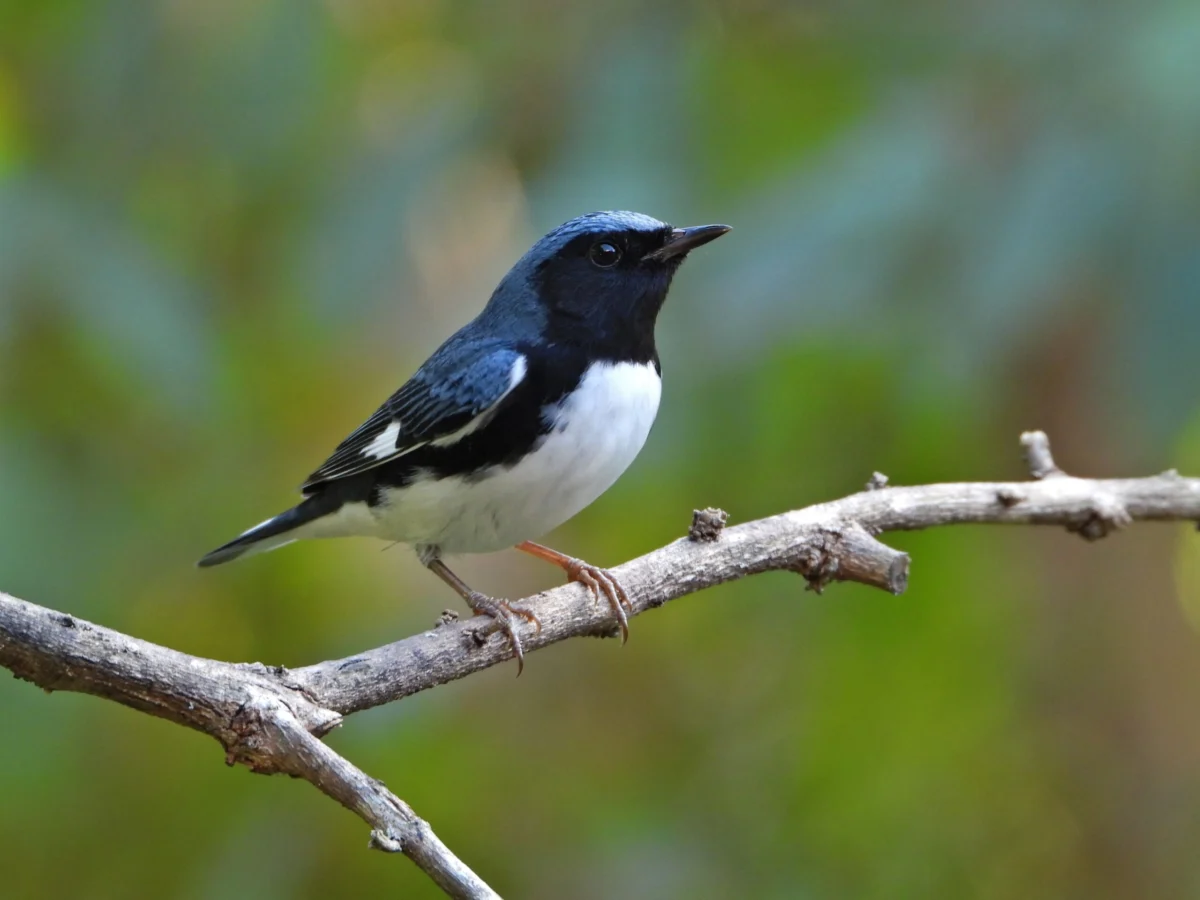
The physics behind these collisions is deceptively simple yet deadly. Birds navigate their world primarily through visual cues. When glass reflects the environment, it creates a seamless visual extension of the natural world, convincing birds that a clear path lies ahead. Alternatively, transparent glass can create a "fly-through" illusion, where birds perceive an escape route on the other side. This perceptual trap is exacerbated by factors such as building height, the amount of glass used, and the presence of interior lighting, particularly during nocturnal migrations. Species identified as particularly vulnerable to this type of collision include the vibrant Black-throthroated blue warbler (Setophaga caerulescens), the agile Ruby-throated hummingbird (Archilochus colubris), and the distinctive Yellow-bellied sapsucker (Sphyrapicus varius), among countless others.
The Americas Flyways: A Vital Lifeline Under Threat
The Americas boast an extraordinary level of biodiversity, housing nearly 50% of the world’s bird species, with over 3,700 species recorded across the continent. This makes the region a global epicenter for avian life. In this context, the way cities are planned, designed, and constructed assumes a decisive role in maintaining ecological connectivity and mitigating the escalating risks faced by birdlife in a territory that is paramount to global biodiversity conservation.
The concept of "flyways" is deeply rooted in ornithological research, dating back to the early 20th century when scientists began meticulously tracking bird movements. These corridors are not merely arbitrary paths but are shaped by millennia of evolutionary adaptation, climate patterns, food availability, and geographic features. The Americas Flyways system, recognized as the most diverse flyway system in the world, is particularly crucial. Panama’s unique geographic location renders it one of the most relevant and vital sections of this continental network. For millions of birds, it is far more than just a transit area; it is a critical place to rest, feed, and regain vital energy before continuing their arduous journey across the continent. This strategic condition positions Panama as a key node for ecological connectivity, bridging North, Central, and South America within a system that supports over 2,000 bird species. The continued health and functionality of these flyways are indispensable for the survival of countless avian populations and the ecological integrity of the entire hemisphere.
A Paradigm Shift: Bird-Friendly Architecture Emerges
The recognition of this crisis has spurred a growing movement within the architectural and conservation communities to develop and implement bird-friendly design principles. The evolution of these principles reflects a deeper understanding of avian behavior and perception. Early attempts focused on simply reducing glass, but modern approaches are far more sophisticated, integrating scientific insights into material selection, façade treatment, and landscape design.
Key innovations in bird-friendly design include the use of patterned or fritted glass, which incorporates subtle ceramic patterns, dots, or lines on the glass surface. These patterns break up reflections and make the glass visible to birds, without significantly obstructing human views. Another breakthrough is UV-reflective glass, which incorporates patterns that are visible to birds (who can see in the ultraviolet spectrum) but remain largely transparent to the human eye. Angled glass, exterior screens, and strategically placed shading devices can also disrupt reflections. Beyond glass, consideration is given to lighting strategies, particularly the use of downward-facing, shielded lights and the dimming or turning off of non-essential lights during peak migration periods, to prevent disorientation. Landscaping choices, such as avoiding plants that produce berries close to windows or create fly-through conditions, also play a role. These measures represent a conscious effort to integrate architecture with the natural world, acknowledging the urban environment as part of a larger ecological network.
CAF’s Northern Hub: A Beacon of Sustainable Design in Panama
Against this backdrop of urgent conservation needs and innovative architectural solutions, the Development Bank of Latin America and the Caribbean (CAF) is setting a pioneering example with its Northern Hub, a new building currently under development in Panama City. Representing an investment of USD 88 million, this project embodies a concrete opportunity to integrate cutting-edge bird-friendly design directly into critical urban infrastructure. From its earliest conceptual stages, the project was meticulously planned under rigorous sustainability and environmental efficiency criteria, with the explicit goal of achieving highly coveted LEED (Leadership in Energy and Environmental Design) certification standards. This commitment encompasses measures for superior energy efficiency, responsible water use, and a comprehensive reduction of overall environmental impacts.
The journey to integrate bird-friendly design into the Northern Hub was a testament to interdisciplinary collaboration. Coordinated work between dedicated conservation specialists and experienced architecture professionals made it possible to incorporate scientifically grounded bird-friendly design criteria into the project’s technical specifications. As a direct result of this collaborative effort, the technical specifications for the building’s façade were thoroughly updated. The specialized glass, precisely designed under these stringent criteria, is currently undergoing manufacturing at a state-of-the-art factory in Europe, highlighting the global expertise and commitment involved.
Luisa Plaza, an executive at CAF’s Directorate of Physical Infrastructure Development and Maintenance, underscored the significance of this approach: “Integrating engineering with conservation science allows us to make informed decisions that reduce impacts and lead to truly sustainable infrastructure. In the construction of the Northern Hub in Panama, we incorporated bird-friendly criteria, based on scientific evidence, to protect a key section of the Americas flyways.” This statement encapsulates the project’s philosophy: a harmonious blend of technical excellence and ecological responsibility.
The construction timeline for the CAF Northern Hub has been carefully planned, starting with the initial design and sustainability framework. The decision to integrate bird-friendly glass was made early in the design phase, allowing for specialized manufacturing and ensuring that these critical components are incorporated seamlessly into the building’s structure. The project is expected to be completed within the next few years, establishing a tangible model for future developments.
Beyond Collisions: Creating Ecological Urban Infrastructure
Bird-friendly architecture extends far beyond merely reducing collisions; it represents a profound understanding of urban spaces as potential ecological infrastructure. A prime example of this holistic approach is Google’s St. John’s Terminal building in New York City. Its comprehensive biodiversity component was developed in close collaboration with the NYC Bird Alliance. The redesign thoughtfully incorporated native vegetation, advanced stormwater management systems, and strategically designed green spaces that are now actively utilized by migratory birds. In this single building alone, scientists from the NYC Bird Alliance have documented more than 60 bird species using the newly created habitat to feed, including 11 species never before observed on the city’s green roofs, such as the vibrant Yellow warbler (Setophaga aestiva).
The benefits of this type of design are not confined to wildlife alone. These innovative urban spaces also cultivate healthier, more attractive, and profoundly inspiring environments for people. By strengthening their everyday connection with nature, such designs enhance human well-being, reduce stress, and foster a greater appreciation for biodiversity within dense urban settings.
The commitment demonstrated by projects like CAF’s Northern Hub is an integral part of the broader approach promoted by the Americas Flyways Initiative (AFI). This powerful alliance, spearheaded by Audubon, BirdLife International, and CAF itself, champions a wide array of solutions aimed at mitigating the risks confronting birdlife. The AFI achieves this by strategically integrating bird conservation considerations across all stages of infrastructure planning, design, and financing processes throughout the Americas.
Policy and Advocacy: Driving Systemic Change
On a continent intricately connected by these vital flyways, the message is clear: every single building counts. The CAF Northern Hub vividly demonstrates that cities need not be insurmountable obstacles for migratory birds but can, in fact, become integral parts of the solution. This transformation is achievable when scientific evidence rigorously guides design decisions, such as the judicious use of bird-safe glass, the integration of functional native vegetation, and the implementation of intelligent lighting strategies that collectively reduce risks and foster a more harmonious coexistence between urban life and biodiversity.
Dustin Partridge, PhD, Director of Conservation and Science at the New York City Bird Alliance, eloquently articulates this vision: “Cities represent a unique opportunity for bird conservation. Buildings with vegetated façades and bird-safe glass not only create habitat and reduce collisions but also generate spaces that bring people closer to nature. Designing with both birds and people in mind helps build more sustainable urban environments, where local conservation actions contribute to hemispheric impact.”
This pioneering effort by CAF is not merely a symbolic gesture; it is, above all, a concrete and tangible commitment to embed biodiversity considerations deeply into investment and urban planning decisions across the Americas. It is a commitment rigorously guided by technical criteria, informed by robust scientific evidence, and underpinned by a clear, long-term vision for sustainable development. This proactive stance is also perfectly aligned with an increasingly visible international trend: bird-friendly design initiatives are gaining significant recognition for their profound environmental and architectural value. A notable precedent is Yale’s Bird-Friendly Building Initiative, which has garnered significant recognition, including an award of excellence from the International Sustainable Campus Network, highlighting the growing appreciation for these innovative approaches. This growing recognition underscores the importance of such initiatives not just for conservation, but as hallmarks of architectural and institutional leadership.
Panamanian officials, observing the development, have expressed optimism about the project’s potential. A hypothetical statement from Panama City’s Mayor could emphasize: "Our city is a crossroads for the world, and that includes the natural world. The CAF Northern Hub demonstrates that economic development and environmental stewardship can go hand-in-hand, setting a powerful example for all future urban growth in Panama and beyond." Such sentiments reflect a growing awareness among policymakers of the interconnectedness of urban development and ecological health.
A Blueprint for the Future
As the inaugural building of its kind to meticulously incorporate bird-friendly design criteria within CAF’s extensive infrastructure portfolio, the Northern Hub is poised to become an indispensable reference point for future projects throughout the region. It powerfully demonstrates that integrating biodiversity considerations from the earliest conceptual stages of design can effectively guide urban growth towards solutions that are more intimately aligned with pressing conservation needs and critical medium- to long-term environmental priorities.
The implications of such pioneering projects are far-reaching. Ecologically, they offer a tangible pathway to mitigate species decline and preserve the integrity of migratory flyways. Economically, proactive bird-friendly design can reduce long-term costs associated with bird mortality, such as clean-up and potential legal challenges, while enhancing property values through sustainable branding. Socially, these buildings foster a greater public appreciation for nature and inspire a sense of collective responsibility for the urban environment. Ultimately, the CAF Northern Hub stands as a compelling testament to the transformative power of intentional design, proving that human innovation can not only coexist with but actively support the thriving biodiversity of our planet.
