
A robust and enduring collaboration between the Bay County Audubon Society (BCAS) and the Bay County Conservancy (BCC) has successfully protected hundreds of acres of vital land in Florida’s Panhandle, ensuring a thriving habitat for myriad bird species and preserving natural spaces for community enjoyment for decades to come. This unique partnership, rooted in a shared vision for conservation, exemplifies a proactive, community-driven approach to environmental stewardship that has become a model for other conservation organizations across the state. Through a sophisticated system of land ownership and conservation easements, combined with dedicated volunteer efforts, these two organizations have woven a tapestry of protected preserves that stand as bulwarks against habitat loss and environmental degradation in a rapidly developing region.
The core of this impactful initiative lies in a strategic division of responsibilities that leverages the strengths of both entities. While Audubon chapters nationwide form the bedrock of avian conservation through advocacy, education, and direct action, the Bay County Audubon Society has taken an extraordinary step beyond typical chapter activities. Its members are not only engaged in crucial tasks such as trash cleanups, educating both visitors and local residents about vulnerable native species, and attending critical city council meetings to advocate for environmental protections, but they also actively steward important habitat through a rich network of protected preserves. This direct involvement in land management is significantly amplified by its partnership with the Bay County Conservancy.
The Genesis of a Collaborative Conservation Model
The unique partnership between BCAS and BCC stretches back to 1998, born from a practical understanding of the long-term commitments inherent in land preservation. Candis Harbison, President of the Bay County Conservancy, recounts the pivotal moment: "BCAS bought 30 acres of wetlands for preservation." This initial acquisition, while a significant achievement for the Audubon chapter, underscored the extensive responsibilities associated with land ownership and ongoing stewardship. Recognizing that specialized focus was needed for effective, perpetual land management, a partner organization, the Bay County Conservancy, was subsequently formed. This strategic move allowed the Conservancy to concentrate solely on the intricate details of land acquisition, management, and legal protection. In a foundational agreement, "The Conservancy gave a conservation easement to BCAS, giving them the right to enforce the agreed preservation of the property," Harbison explains. This established a pioneering framework where the Conservancy holds the property title, while BCAS, through the conservation easement, holds the development rights, thereby legally ensuring the habitat remains wild and protected in perpetuity.
Understanding the Power of Conservation Easements
A conservation easement is a powerful legal tool that allows landowners to voluntarily restrict the type and amount of development that may take place on their property while retaining ownership. In this specific Bay County model, the Conservancy, as the landowner, willingly places restrictions on its properties. These restrictions, held and enforced by BCAS, are designed to protect the ecological, scenic, or open-space values of the land. This means that while the Conservancy manages the land day-to-day, BCAS acts as the guardian of the conservation terms, ensuring that the land’s natural state is maintained indefinitely, regardless of future ownership changes. This "in perpetuity" clause is critical, providing a permanent layer of protection against future development pressures that might otherwise threaten sensitive ecosystems. The benefits extend beyond immediate preservation, often including potential tax incentives for the landowner and providing peace of mind that the land’s natural character will be safeguarded forever. For organizations like BCAS, holding easements is a significant responsibility, requiring regular monitoring and a readiness to legally defend the easement’s terms if violated.
Expanding the Reach: Growth of Protected Lands
Over the nearly three decades since its founding, the Bay County Conservancy has systematically expanded its portfolio of protected lands. This growth has been achieved through a diverse array of acquisition methods, demonstrating a comprehensive strategy for land conservation. These methods include lands acquired through mitigation efforts (often mandated as compensation for environmental impacts elsewhere), direct land donations from generous private landowners, successful grant applications from various conservation funds, bequests specified in wills, and monetary gifts from individuals and philanthropic organizations.
Today, the Conservancy’s footprint is substantial, encompassing 409 acres spread across 39 distinct preserves. Within this network, BCAS holds 10 crucial conservation easements, reinforcing the long-term protection of these specific sites. These preserves vary significantly in size and ecological character. Rose Horn, a member of the BCAS Conservation Committee, highlights one of the larger and more significant sites: "Some of these sites are quite large, such as the Tumble Creek Preserve (92 acres)." The sheer scale of these protected areas provides invaluable habitat connectivity, essential for the movement and survival of diverse wildlife populations in an increasingly fragmented landscape. Horn further elaborates on the responsibilities inherent in this model: "Part of our responsibility as the easement holder is to regularly survey the sites to see if there have been any changes in the land use that violate the terms of the easement." This vigilant oversight is paramount to the integrity of the conservation easement model, ensuring that the legal protections translate into tangible, on-the-ground preservation.
Dedicated Stewardship: The Backbone of Conservation
The ongoing success of the Bay County conservation efforts relies heavily on the tireless dedication of volunteers from both organizations. These individuals are the unsung heroes, performing the crucial, often labor-intensive tasks that maintain the ecological health and public accessibility of the preserves. A primary focus of their stewardship involves combating invasive species, a pervasive threat to Florida’s native ecosystems. "All lands must be monitored for non-native plants," emphasizes Candis Harbison. She lists several common culprits: "such as popcorn trees, Japanese climbing fern, air potatoes, cogon grass, and other invasives that take over (native plant habitat)."
Invasive species pose a significant threat because they outcompete native plants for resources, alter habitat structure, and often provide poor food sources or shelter for native wildlife. For instance, cogon grass forms dense monocultures that suppress native vegetation and increase wildfire intensity, while Japanese climbing fern can smother entire tree canopies. Volunteers regularly undertake arduous removal efforts, meticulously identifying and eradicating these ecological invaders. Through these sustained efforts, they ensure that native plants, which have evolved to support local wildlife, can survive and thrive, providing essential food sources, nesting sites, and protective cover for birds, insects, and other creatures. This proactive management is not merely about removing unwanted plants but about restoring the delicate balance of the natural ecosystem.
Public Engagement and Broader Impact
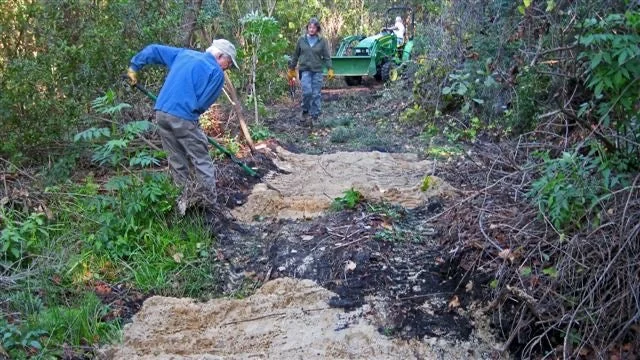
Beyond ecological restoration, public access and engagement are integral to the partnership’s overall mission. The organizations firmly believe that connecting people with nature fosters appreciation and inspires future conservationists. Volunteers are instrumental in maintaining this connection, dedicating countless hours to practical tasks such as repairing informational signs that guide visitors, clearing and maintaining trails to ensure safe and enjoyable access, and regularly picking up trash to keep the preserves pristine.
A cornerstone of their public engagement strategy is leading regular bird walks. These guided excursions serve multiple purposes: showcasing the fantastic local and migratory bird species that inhabit or pass through the Panhandle, educating participants about avian ecology, and, crucially, demonstrating how hands-on conservation efforts directly contribute to the long-term resilience and health of bird populations. These walks transform abstract conservation principles into tangible experiences, fostering a deeper understanding of the importance of protected habitats. For those interested in becoming involved, the Bay County Audubon Society’s website (baycountyaudubon.org) offers details on their conservation efforts and volunteer opportunities, while the Bay County Conservancy’s website (baycountyconservancy.org) provides information on their land management and support initiatives.
Florida’s Panhandle: A Critical Ecological Nexus
The ecological significance of these protected lands in Florida’s Panhandle cannot be overstated. This region is a mosaic of diverse habitats, including coastal dunes, maritime forests, pine flatwoods, cypress swamps, and vast expanses of wetlands, all of which support an incredible array of biodiversity. The Panhandle lies within critical migratory bird pathways, serving as an essential stopover point for species traversing the Gulf of Mexico during their arduous annual journeys. Protected areas like those managed by BCAS and BCC provide crucial refueling stations and safe havens for these travelers, many of whom are already facing threats from habitat loss and climate change across their ranges. Resident species, such as the endangered Red-cockaded Woodpecker (found in longleaf pine ecosystems) or various wading birds like herons and egrets that depend on healthy wetland systems, also rely heavily on these preserves for their survival. The preservation of these natural spaces helps maintain ecological integrity, supports local food webs, and contributes to the overall health of the larger Gulf Coast ecosystem, which faces ongoing pressures from development, pollution, and a changing climate.
A Model for Sustainable Conservation
The collaborative model pioneered by the Bay County Audubon Society and the Bay County Conservancy stands as an inspiring testament to the power of community-driven conservation. Kristen Kosik, Audubon Florida Chapters Conservation Manager, affirms this sentiment: "Bay County Audubon Society and Bay County Conservancy are an inspiration for chapters and other nonprofit groups who want to take a hands-on approach to protecting Florida’s special places." She further emphasizes the profound local impact: "Because of their efforts, Bay County is a better place for both birds and people."
This partnership offers valuable lessons in sustainable conservation:
- Strategic Collaboration: Dividing responsibilities based on organizational strengths (advocacy/easement enforcement by Audubon, land management by the Conservancy) maximizes effectiveness.
- Long-term Vision: The use of conservation easements ensures perpetual protection, safeguarding natural assets for future generations against immediate economic pressures.
- Community Engagement: Involving volunteers in stewardship, education, and public access fosters a sense of ownership and broadens support for conservation goals.
- Adaptive Management: Ongoing monitoring and active restoration, particularly against invasive species, ensure the ecological health of the preserves.
- Diverse Funding and Acquisition: Relying on multiple sources for land acquisition (donations, grants, mitigation) provides resilience and opportunities for growth.
In an era where natural habitats are continually threatened by urban sprawl, agricultural expansion, and the accelerating impacts of climate change, the success of the Bay County partnership offers a beacon of hope. It demonstrates that with foresight, dedication, and a commitment to collaborative action, local communities can make a tangible and lasting difference in protecting the irreplaceable natural heritage of their region, creating a richer, more resilient environment for all its inhabitants, avian and human alike. The legacy of these protected lands will continue to flourish, offering sanctuary and inspiration for generations to come.
