
OWENSVILLE, Missouri (April 29, 2026) — Horstmann Cattle Company, a family-operated ranch nestled in the scenic Ozark Highlands of Gasconade County, has officially earned the National Audubon Society’s coveted Bird-Friendly Land Certification. This significant achievement, obtained through Audubon’s rigorous Conservation Ranching program, recognizes land managed with exceptional dedication to supporting diverse bird populations and fostering broader biodiversity. The certification not only marks a pivotal moment for the Horstmann family but also sets a new benchmark for sustainable agriculture in Missouri, demonstrating that economically viable ranching and robust ecological health can coexist and thrive.
The Audubon Conservation Ranching initiative stands as a critical, science-based program designed to combat the alarming decline of grassland birds across North America while simultaneously bolstering the ecological and economic resilience of participating farm and ranch operations. Since 1970, grassland bird species have suffered the most precipitous population declines of any terrestrial biome, with some estimates indicating losses exceeding 50% across their ranges. This dramatic reduction, translating to billions of individual birds, is primarily attributed to pervasive habitat loss, widespread degradation of existing grasslands, the relentless encroachment of woody vegetation, and the intensive, often indiscriminate, use of chemical pesticides and herbicides in agricultural landscapes. The Audubon program directly addresses these multifaceted challenges by mandating and verifying active grassland management practices that restore and enhance vital bird habitats.
Horstmann Cattle Company, under the astute leadership of August Horstmann, embodies the spirit of this conservation ethos. Located in southeastern Gasconade County, the ranch spans a dynamic mosaic of ecosystems, including expansive pastures, mature woodlands, sun-drenched glades, and critical riparian habitats stretching along the banks of Red Oak Creek. The Horstmann family’s commitment to land stewardship deepened profoundly in 2012 when August Horstmann embarked on a transformative journey, systematically implementing regenerative grazing practices across their acreage. This shift was driven by a holistic vision: to significantly improve soil health, dramatically increase native plant diversity, and operate the ranch in closer, more harmonious alignment with the intricate natural systems that define the Ozark landscape.
“For us, this certification reflects years of learning how to let nature lead,” stated August Horstmann, owner of Horstmann Cattle Company, reflecting on the arduous yet rewarding path to certification. His words underscore a philosophy rooted in observation and adaptation, a departure from conventional agricultural models. “By moving cattle frequently and giving pastures the rest they need, we’re seeing native grasses and wildflowers return. It’s incredibly rewarding to know that the way we raise beef can also create meaningful habitat for birds and other wildlife.” This sentiment highlights a growing understanding within the agricultural community that sustainable practices are not merely an environmental obligation but also an investment in the long-term productivity and ecological integrity of the land.
Horstmann Cattle Company now proudly joins an expanding national network of over 150 ranches, collectively managing more than 4.5 million acres, all dedicated to the dual goals of supporting abundant birdlife and resilient human communities as Audubon Certified Bird-Friendly Land. To achieve this distinguished certification, Horstmann Cattle Company underwent a rigorous evaluation process, demonstrating adherence to stringent standards across three key pillars: habitat management, environmental sustainability, and animal welfare. All claims and practices were meticulously verified through comprehensive third-party audits, ensuring transparency and accountability. The ranch’s detailed Habitat Management Plan serves as a blueprint for ongoing conservation efforts, outlining ambitious goals that include enhancing existing grassland bird habitat, actively restoring degraded native prairie ecosystems, implementing strategic controls for pervasive invasive species like sericea lespedeza and bush honeysuckle, and reintroducing ecologically vital practices such as prescribed fire and targeted forest thinning to rejuvenate open woodland and savanna structures.
Central to the ranch’s innovative management strategy is a high-intensity, short-duration grazing approach, often referred to as adaptive multi-paddock grazing. This dynamic system involves moving cattle with remarkable frequency—often daily—across smaller paddocks. The strategic deployment of portable fencing and thoughtfully placed water infrastructure ensures precise grazing distribution, preventing overgrazing in any single area and crucially protecting sensitive ecological zones, particularly fragile riparian corridors. Furthermore, specific pastures are deliberately designated to provide optimal nesting cover during the critical peak breeding season for ground-nesting birds, with grazing deferred until mid-summer to allow these vulnerable species to successfully fledge their young. The cumulative effect of these meticulously planned grazing rotations and land use decisions is the creation of a vibrant habitat mosaic that unfurls across the landscape—a desirable patchwork of varying vegetation heights and densities that provides essential cover, foraging grounds, and nesting sites for a diverse array of bird species, from secretive sparrows to charismatic raptors.
Beyond grazing management, the Horstmann Cattle Company is actively engaged in a long-term ecological restoration project: the transition of fescue-dominated pastures, a common monoculture in many agricultural areas, to more biodiverse native plant communities. This ambitious undertaking involves a combination of interseeding and targeted replanting of warm-season grasses such as big bluestem, little bluestem, and Indiangrass, complemented by a robust and diverse mix of native forbs, including wildflowers and legumes. These efforts are expected to yield a multitude of ecological benefits: significantly improving forage resilience for livestock, creating expansive and crucial pollinator habitat for bees and butterflies, enhancing soil carbon storage capacity—a vital component in climate change mitigation—and providing the high-quality habitat structure that numerous bird species depend on for survival.
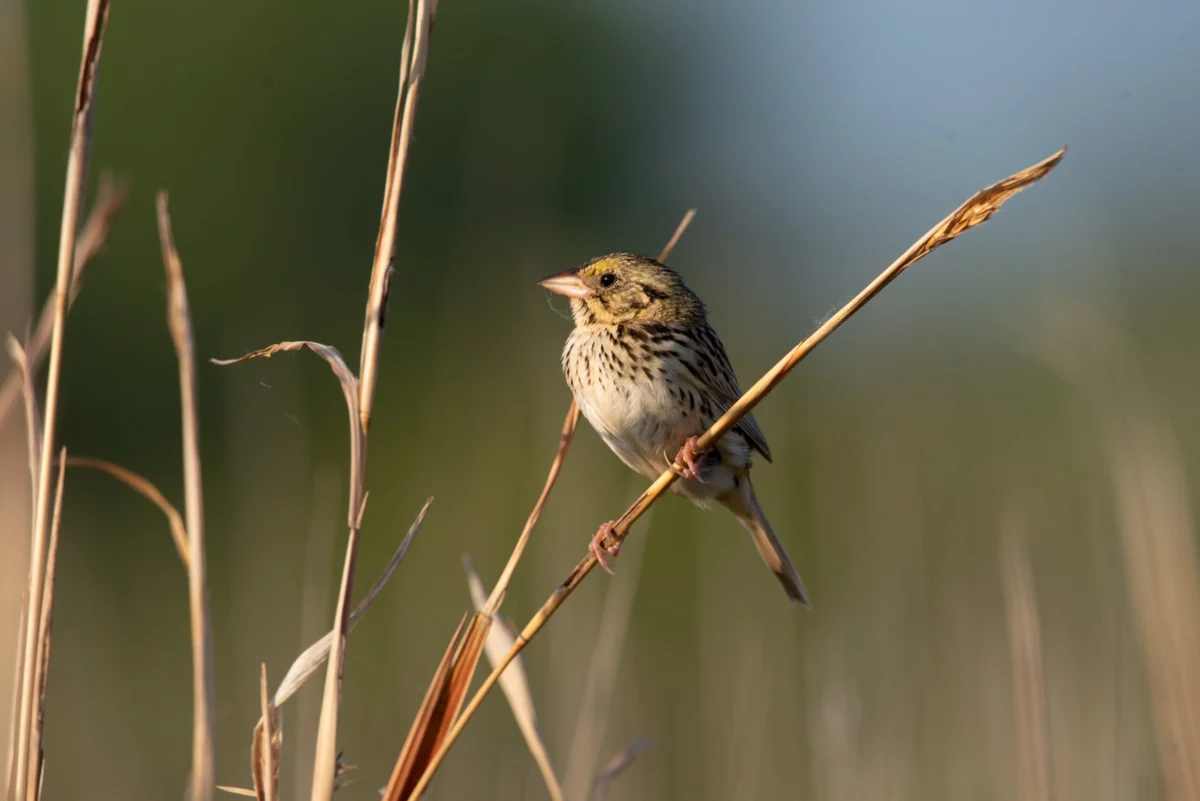
The culmination of these bird-friendly practices at Horstmann Cattle Company stands to offer critical support to a host of imperiled avian species. Among the beneficiaries are the iconic Eastern Meadowlark, the elusive Grasshopper Sparrow, the secretive Henslow’s Sparrow, the formidable Loggerhead Shrike, the beloved Northern Bobwhite, the vibrant Bobolink, the familiar Field Sparrow, the melodious Bell’s Vireo, and the striking Red-headed Woodpecker. Many of these species are formally designated as Birds of Conservation Concern by federal agencies or as Species of Greatest Conservation Need by the Missouri Department of Conservation, underscoring the urgent need for habitat restoration and protection efforts like those undertaken by the Horstmann family.
Tara Hohman, Senior Conservation Manager in Missouri for Audubon Upper Mississippi River, emphasized the profound importance of private land stewardship in the broader conservation landscape. “Private lands are absolutely essential to the future of Missouri’s grassland and savanna birds,” Hohman asserted. “The Horstmann family’s unwavering commitment to adaptive grazing, native plant restoration, and thoughtful woodland management epitomizes the term ‘working lands’ in that their ranch is truly working in a multitude of ways—for the health of the land, for the vitality of bird populations, and for the benefit of people.” This perspective highlights that conservation is not solely the domain of public parks or designated preserves but can be effectively integrated into productive agricultural operations, creating mutually beneficial outcomes.
The commitment to robust ecological outcomes at Horstmann Ranch extends beyond certification. In a forward-thinking partnership with the Missouri River Bird Observatory and EarthOptics, the ranch will actively participate in ongoing bird and soil health monitoring programs. Avian surveys will be systematically conducted every two to three years, providing crucial data on bird population trends and habitat use. Concurrently, baseline and repeat soil carbon sampling will quantify the impact of regenerative practices on soil health and carbon sequestration. This scientific monitoring component is vital, as it will inform adaptive management decisions, allowing the Horstmanns to fine-tune their practices for maximum ecological benefit, and provide quantifiable data to demonstrate the tangible ecological outcomes of the ranch’s conservation efforts, contributing to a broader understanding of regenerative agriculture’s efficacy.
The expansion and implementation of the Audubon Conservation Ranching program in Missouri, including the support for operations like Horstmann Cattle Company, are further bolstered by essential funding provided by the Love Foundation. This philanthropic support underscores the growing recognition among foundations and donors of the critical role that private landowners play in large-scale conservation efforts, particularly in regions like Missouri where a significant percentage of land is privately held.
The certification of Horstmann Cattle Company is more than just an accolade; it represents a significant step forward for conservation in Missouri. It demonstrates to other landowners and agricultural producers that sustainable, bird-friendly practices are not only achievable but can also lead to a more resilient and profitable operation. For consumers, the Audubon Certified Bird-Friendly Land label provides a clear, verifiable way to support agricultural products that directly contribute to wildlife conservation and ecological health. As awareness grows, the demand for such responsibly produced goods is expected to rise, creating a virtuous cycle where market forces align with environmental stewardship. This success story from Gasconade County serves as an inspiring model, illustrating how collaborative efforts between conservation organizations, dedicated ranchers, and supportive foundations can forge a path toward a future where agricultural productivity and thriving ecosystems are inextricably linked.
For more detailed information about the Audubon Conservation Ranching program in Missouri, interested parties are encouraged to contact Tara Hohman, Senior Conservation Manager, Audubon Upper Mississippi River, via email at [email protected]. For information regarding the national program and its broader initiatives, inquiries can be directed to [email protected].
About Audubon Conservation Ranching
Audubon Conservation Ranching is a transformative program that strategically partners with ranchers to foster healthy grasslands, sustain abundant birdlife, and build resilient rural communities across the United States. Through its distinguished bird-friendly land certification and robust science-based approach, the program empowers dedicated land stewards to significantly enhance critical wildlife habitat, demonstrably improve soil health and water quality, and fundamentally strengthen the vital connection between conservation principles and viable ranching operations. By consciously choosing to purchase products originating from Audubon Certified Bird-Friendly Land, consumers actively become integral conservationists, directly contributing to the crucial protection of America’s rapidly diminishing grasslands and safeguarding the myriad birds, diverse wildlife, and the human communities that depend on these invaluable ecosystems for their very existence. For comprehensive information and to learn more about this pioneering initiative, please visit www.audubon.org/ranching.
