
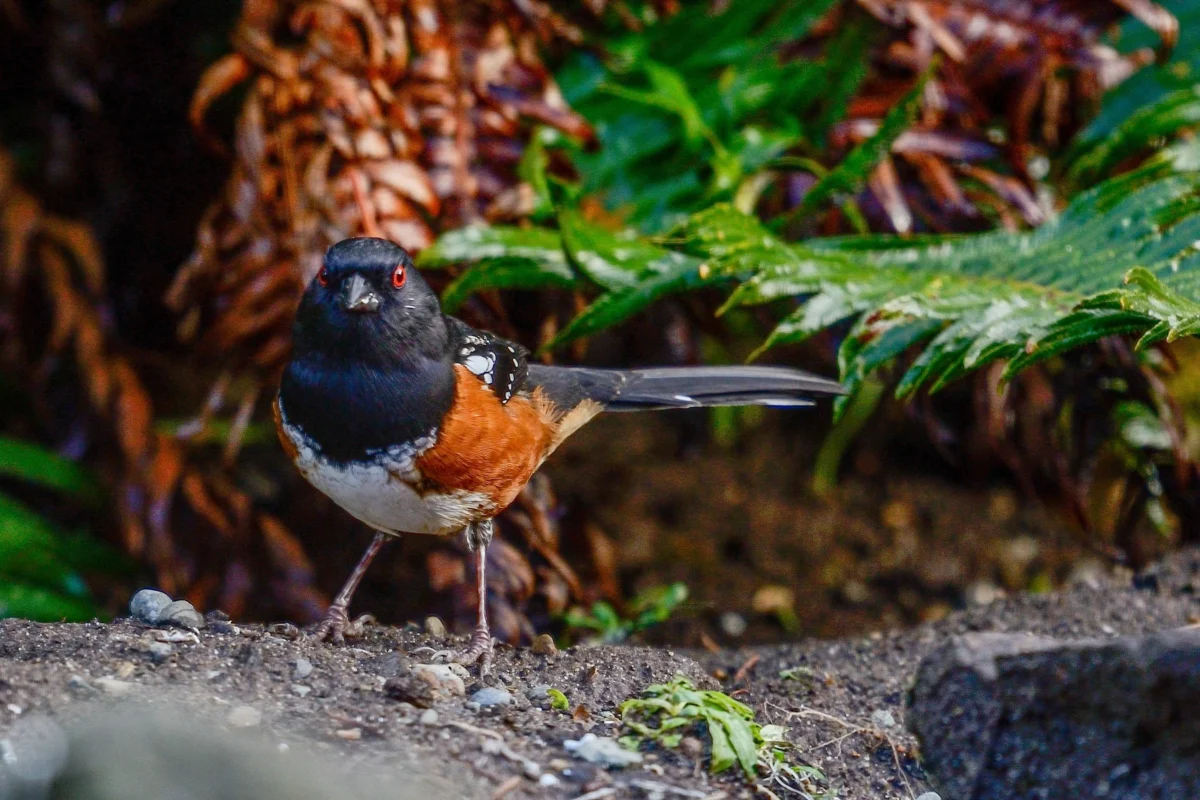
A pioneering initiative has taken root along the Flores Trail leading to Los Nogales Nursery, marked by a distinct patch of blue flags on a sun-dappled hillside. This newly designated area, christened Towhee Terrace, represents the latest addition to the Audubon Center at Debs Park’s growing portfolio of restoration sites. What sets this particular project apart is its independent conception, meticulous planning, and dedicated execution by the second-year interns of the Center’s flagship workforce development program, FLIGHT. From the initial assessment of soil quality to comprehensive research into native plant species best suited to bolster the local ecosystem, every facet of Towhee Terrace was a testament to the interns’ autonomous leadership and burgeoning expertise.
The Genesis of Towhee Terrace: An Independent Intern Initiative
The establishment of Towhee Terrace emerged as the capstone project for the Audubon Center at Debs Park’s inaugural cohort of second-year FLIGHT interns. FLIGHT, an acronym for a program designed to nurture future environmental leaders in community and conservation, typically offers a rigorous first-year curriculum. This year, the Center celebrated a significant milestone with the return of three interns for a second term, a development that presented a unique opportunity for advanced, independent work. Tasked with developing a project that would encapsulate their accumulated experience and commitment to conservation, the interns conceived of Towhee Terrace as a living laboratory and a tangible demonstration of their skills.
The project site, a previously underutilized patch of land, was identified as ripe for ecological intervention. The decision to grant the interns full autonomy over site selection, plant choice, and design underscored the Audubon Center’s confidence in their capabilities and its commitment to experiential learning. This hands-on approach, moving beyond structured tasks to independent project management, is a critical step in developing the next generation of environmental stewards, equipping them not only with ecological knowledge but also with crucial project management and leadership skills.
A Deeper Dive into the FLIGHT Program
The FLIGHT program, or "Fostering Leadership in Green Habitats and Tomorrow," is a cornerstone of the Audubon Center at Debs Park’s community engagement and conservation strategy. It addresses a critical need for trained professionals in the environmental sector, particularly those with a deep understanding of urban ecosystems and community-based conservation. Participants gain invaluable experience in habitat restoration, native plant propagation, wildlife monitoring, and environmental education. The program’s emphasis on leadership development aims to empower individuals from diverse backgrounds to become effective advocates for nature within their communities.
The introduction of a second-year track for FLIGHT interns signifies an evolution of the program, offering an advanced tier of engagement that allows for deeper specialization and independent initiative. This progressive structure mirrors professional development pathways in many scientific and technical fields, where foundational knowledge is followed by opportunities for research, innovation, and leadership. For these returning interns, the independent project was not merely an assignment but a real-world challenge that demanded comprehensive application of their two years of training, bridging theoretical understanding with practical ecological restoration.
Strategic Plant Selection: Restoring Ecological Balance
The interns’ rationale behind their plant choices was multifaceted, prioritizing ecological restoration, biodiversity enhancement, and educational value. Their primary objective was to breathe life back into an area that had historically struggled to support diverse vegetation, largely due to the pervasive influence of nearby Eucalyptus trees. Eucalyptus, an introduced species from Australia, is notoriously detrimental to native ecosystems in California. These trees are highly competitive, drawing significant amounts of water, altering soil chemistry through allelopathic compounds that inhibit the growth of other plants, and contributing to increased fire risk. Their dense canopy also creates deep shade, further suppressing native flora adapted to sunnier conditions.
Faced with these challenging conditions—partially shaded and elevated terrace landscape with poor drainage—the interns embarked on extensive research. They sought out resilient native species capable of thriving despite the Eucalyptus’s impact, while simultaneously adding color, structural diversity, and significant ecological value. A deliberate effort was made to highlight native plants that are often overlooked, even by those familiar with California’s indigenous flora. This strategic choice aimed to transform Towhee Terrace into both a functional habitat and an educational space, showcasing the beauty and importance of less common but ecologically vital native species. Resources such as CalScape, a comprehensive database for California native plants, proved invaluable in this selection process. With guidance from Audubon Center staff, the interns meticulously considered the mature size of each plant to envision the future structure of the terrace, planning for a balanced, layered habitat designed for long-term sustainability and growth.
Targeting Avian and Pollinator Diversity
A core objective for Towhee Terrace was the attraction and support of a wide array of native birds and pollinators. The selected plant species were chosen to provide a rich tapestry of resources, including seeds, berries, nectar, and host plants for insect populations, which in turn serve as a crucial food source for birds. Beyond sustenance, the plants were intended to offer vital shelter, nesting opportunities, and protective cover, thereby creating a more complete and functional habitat for wildlife.
Many of the chosen species were specifically selected to complement the wildlife supported by an adjacent restoration site known as Monarch Alley. This synergy aims to create a larger, more contiguous habitat corridor, enhancing ecological connectivity within the urban landscape. Key target species for Towhee Terrace include the Western Monarch butterfly, whose populations have faced severe decline, requiring critical milkweed host plants and nectar sources; Allen’s Hummingbirds, which rely on nectar-rich flowers; and various local bird species. The project’s namesake, the Spotted Towhee ( Pipilo maculatus ), a ground-foraging bird common in chaparral and scrub habitats, underscores the interns’ aspiration to create an environment conducive to its presence, providing dense understory cover and seed sources. By fostering these specific species, Towhee Terrace contributes to broader regional conservation efforts for declining pollinators and resident bird populations.
Methodical Planning and Execution: A Chronology of Restoration
The journey to establish Towhee Terrace was marked by a methodical, multi-stage planning and execution process, reflecting the interns’ adherence to sound ecological restoration principles. The initial phase involved a thorough study of the existing environmental conditions. This included a detailed assessment of the challenging soil composition and the persistent shade conditions exacerbated by the Eucalyptus trees. Understanding these limitations was critical for selecting appropriate plant species that could endure and thrive.
A significant structural development occurred with the assistance of Merrill, a dedicated Facility Volunteer at the Audubon Center at Debs Park, who helped establish the terrace divisions. This foundational work provided a clear, organized framework for the interns to plan and manage the space effectively. Following this, the interns undertook the arduous task of clearing the area of dense weeds, ensuring that only bare soil remained. This crucial step minimized competition for resources with the future native plantings.
With the site prepared, the focus shifted to intensive research. Leveraging native plant resources like CalScape and drawing upon the habitat restoration principles shared by Audubon Center staff, the interns identified species that could tolerate the specific site conditions while contributing the desired ecological value. Their prior experience as returning interns proved invaluable, as they applied lessons learned from previous restoration projects to the layout. Larger, more sun-tolerant plants were strategically positioned toward the upper rows of the terrace, while shade-tolerant species were allocated to the middle and lower sections. This thoughtful arrangement aimed to maximize biodiversity, optimize ecological function, and ensure the long-term sustainability of the plantings, creating a resilient, self-sustaining ecosystem.
Leveraging Experience: The Audubon Center’s Role in Intern Development
The interns’ extended tenure at the Audubon Center at Debs Park was instrumental in the successful realization of Towhee Terrace. Their cumulative experience, spanning hundreds of hours across multiple restoration sites over two years, provided them with an unparalleled practical foundation. This sustained engagement deepened their understanding of restoration work and underscored the critical importance of biodiversity within urban ecosystems. The Center’s immersive environment fostered a direct connection between theoretical knowledge and real-world ecological challenges.
Being able to observe the landscape directly and witness the intricate interactions between flora, fauna, and human visitors offered the interns a clearer perspective on the specific needs of the terrace and how people engage with the space. The Center consistently emphasized the importance of intentionality in restoring native habitats—a principle that guided every decision made for Towhee Terrace. This environment transformed classroom and research knowledge into actionable restoration strategies, demonstrating how even relatively small-scale projects can contribute meaningfully to larger conservation efforts and the broader goal of urban ecological resilience.
Navigating Environmental and Logistical Hurdles
The journey to establish Towhee Terrace was not without its challenges, which served as valuable learning experiences for the independent intern team. One of the most significant environmental hurdles was working within an area heavily impacted by the nearby Eucalyptus trees. Their pervasive influence created difficult growing conditions characterized by dense shade, intense competition for water and nutrients, and degraded soil quality. Selecting species capable of long-term survival with minimal maintenance under these constraints, while also maintaining visual appeal for educational purposes, required extensive research, careful planning, and collaborative decision-making. The interns had to balance these ecological and aesthetic values, a complex task that demanded innovative solutions.
Beyond the environmental complexities, the project marked the interns’ first fully independent endeavor. This shift necessitated a heightened sense of initiative and proactive problem-solving, moving beyond reliance on Audubon staff for direct instruction. The team faced various logistical challenges inherent in managing a restoration project, from material sourcing to scheduling and coordination. However, overcoming these obstacles collectively fostered a stronger sense of responsibility and ownership among the group, reinforcing their development as self-reliant environmental professionals.
A Microcosm of Conservation: Interns Reflect on Impact
Reflecting on their achievement, the interns collectively expressed profound gratitude to the Audubon Center at Debs Park team for entrusting them with the opportunity to transcend their usual duties. This project allowed them to delve deeper into the multifaceted roles of a community naturalist and conservationist. The interns articulated that the project held immense personal and professional meaning, transforming a previously neglected and barren space into one vibrant with purpose, diversity, and life. They described Towhee Terrace as a "microcosm of the larger work that we do," symbolizing the potential for ecological recovery and revitalization even in challenging urban settings.
The terrace, in their view, narrates a powerful story of restoration, demonstrating that ecosystems possess an inherent capacity for recovery when approached with diligent care, rigorous research, and deliberate intention. More broadly, it represents a profound narrative of connection: the intricate bonds between plants and wildlife, the vital link between education and active conservation, and the fundamental relationship between people and their natural environment. These interconnected principles, they affirmed, were central tenets learned and internalized during their impactful tenure at the Audubon Center at Debs Park.
Broader Implications: Empowering the Next Generation of Environmental Stewards
The successful creation of Towhee Terrace by the FLIGHT interns carries significant broader implications for urban conservation, youth empowerment, and the future of environmental stewardship. This project serves as a compelling model for how workforce development programs can evolve to provide advanced, hands-on leadership opportunities, effectively bridging the gap between academic learning and practical application in ecological restoration. By entrusting significant responsibility to young environmental professionals, the Audubon Center at Debs Park is not only cultivating specific restoration sites but also fostering a generation of leaders equipped to tackle complex environmental challenges.
The initiative contributes directly to the growing movement of urban greening and the establishment of ecological corridors within densely populated areas. As cities expand, creating and maintaining native habitats becomes crucial for supporting local biodiversity, mitigating the effects of climate change, and enhancing the quality of life for urban residents. Towhee Terrace, though modest in scale, adds a vital stepping stone to the regional network of restored habitats, promoting ecological resilience in Los Angeles. Furthermore, the project’s emphasis on showcasing "overlooked" native plants serves an important educational function, encouraging public appreciation for the full spectrum of indigenous flora and their ecological roles. This community-driven, youth-led restoration project exemplifies how intentional, well-supported initiatives can transform degraded spaces into thriving ecological assets, inspiring both current and future generations to engage actively in conservation.
The visible growth and ongoing success of Towhee Terrace will stand as a lasting testament to the dedication and vision of the FLIGHT interns, marking a significant milestone in their journey as emerging environmental leaders and a valuable addition to the ecological landscape of Debs Park.
