
News from local chapters in New Mexico and Arizona highlights a dynamic period for Audubon’s conservation efforts, spanning critical climate change research, technological advancements in migratory bird tracking, and strategic planning for future leadership. As the Audubon network mobilizes its vast community, initiatives like the Climate Watch Bird Surveys are calling on citizen scientists to contribute vital data, while local successes, such as the Desert Rivers Audubon Society’s new Motus tower, are being celebrated on a national stage. Concurrently, the organization is looking ahead to its biennial Audubon Leadership Conference in 2028, a pivotal event for coalescing conservation strategies across the hemisphere. These endeavors underscore Audubon’s multi-faceted approach to addressing the pressing challenges facing birds, people, and the planet, emphasizing the power of community engagement, scientific innovation, and collaborative leadership.
Climate Watch: A Call to Citizen Scientists for Environmental Monitoring
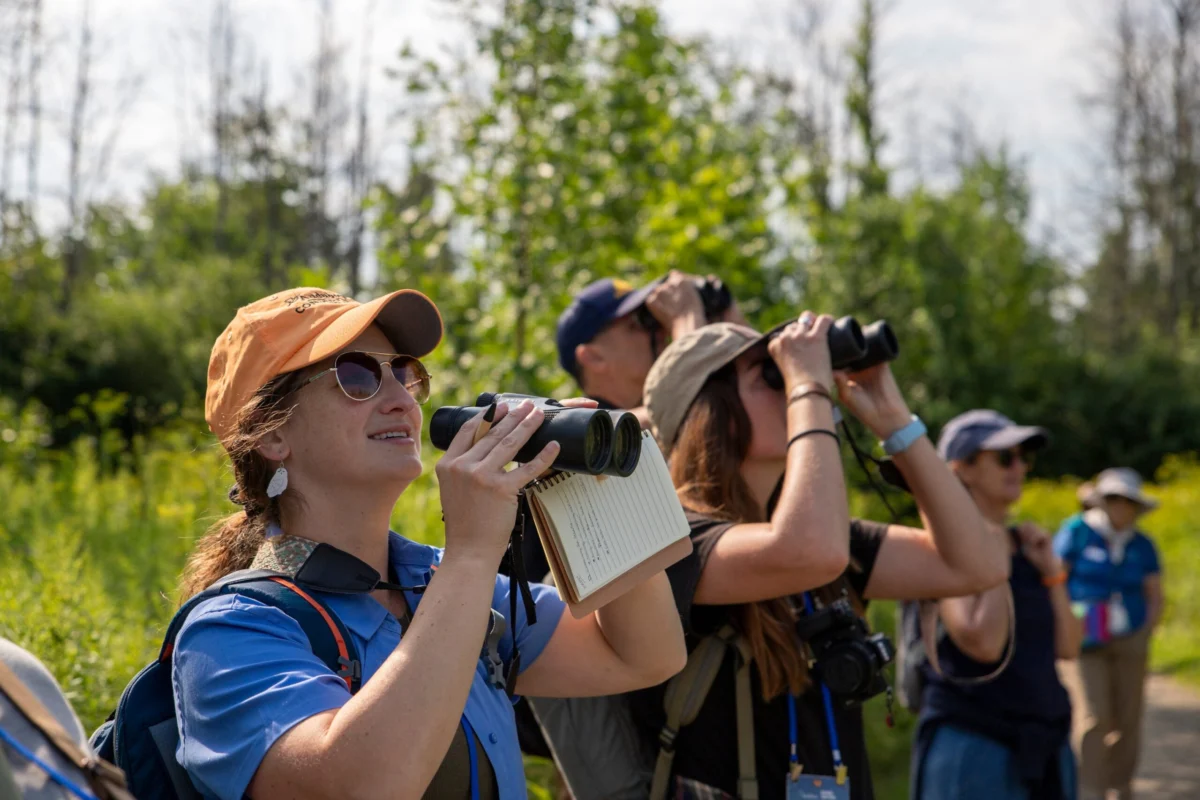
The Audubon Climate Watch program is set to launch its spring 2024 bird surveys on May 15, extending through June 15. This initiative represents a cornerstone of Audubon’s community science efforts, directly engaging volunteers in collecting data crucial for understanding and responding to the impacts of climate change on bird populations. Participants are invited to "adopt" a Climate Watch plot—a designated 10-square-kilometer area—and conduct a survey once within the month-long window, meticulously searching for specific target species identified as indicators of environmental shifts.
Understanding the Mission: Data-Driven Conservation
Climate Watch was established in response to Audubon’s groundbreaking 2014 "Birds and Climate Change Report," which projected significant range shifts for hundreds of North American bird species due to a warming climate. The program’s primary objective is to collect on-the-ground data to validate these climate models, monitor observed range shifts, and inform targeted conservation strategies. By tracking the presence or absence of specific "indicator" species, which are particularly sensitive to temperature and habitat changes, scientists can gain real-time insights into how avian populations are adapting—or struggling to adapt—to altering environmental conditions. These species are carefully selected based on their vulnerability and their predictive value for broader ecosystem health. The program conducts surveys twice a year, during the winter and spring migration periods, providing a comprehensive snapshot of avian distribution across seasons.
The methodology for Climate Watch surveys is intentionally straightforward to encourage broad participation. Volunteers follow a simple protocol: spending five minutes at 12 distinct points within their adopted plot, recording all visual and auditory detections of the target species. This standardized approach ensures data consistency and comparability across diverse geographies. Data submission is streamlined through modern technology, with observers utilizing either Audubon’s dedicated mobile application or the widely used eBird platform. Both tools allow for efficient and accurate recording of observations, which are then aggregated and analyzed by Audubon’s team of climate scientists. This citizen-generated data augments traditional research methods, providing a vast and geographically dispersed dataset that would be impossible to collect through conventional means.
Impact and Future Implications
The cumulative data from Climate Watch surveys over the years has proven invaluable. It has helped confirm observed range contractions and expansions for numerous species, reinforcing the urgency of climate action. For instance, data has shown how species like the American Kestrel or the Eastern Bluebird, often chosen as indicator species, are reacting to changes in their breeding or wintering grounds. The long-term collection of this data helps Audubon refine its conservation priorities, identify critical climate strongholds, and advocate for policies that protect vulnerable habitats and mitigate climate change.
The program’s success hinges on the dedication of its volunteers. As Dr. Brooke Bateman, Audubon’s Director of Climate Science, might infer, "Our Climate Watch volunteers are the eyes and ears on the ground, providing essential real-world data that validates our models and informs our conservation strategies. Their commitment directly empowers our ability to protect birds from the impacts of a changing climate." The ongoing participation in these surveys is not just about counting birds; it’s about actively contributing to a larger scientific understanding that drives meaningful conservation action, ensuring a future for North America’s avian diversity.
Desert Rivers Audubon: Pioneering Migratory Bird Tracking in Arizona
In a significant recognition of local conservation efforts, the Desert Rivers Audubon Society in Arizona has been prominently featured in the penultimate episode of Audubon’s four-part "Birds on the Move" video series. This series spotlights the critical role of desert rivers as essential lifelines for migratory birds, a theme particularly pertinent to the arid landscapes of the American Southwest. The episode not only showcases the vital work of Audubon Southwest staff in preserving these fragile ecosystems but also highlights the innovative contributions of local chapters, with the Desert Rivers Audubon Society taking center stage for its groundbreaking Motus tower project at the Riparian Preserve at Gilbert Water Ranch.
"Birds on the Move" Highlights Critical Habitats
The "Birds on the Move" video series aims to educate the public about the incredible journeys undertaken by migratory birds and the increasing threats they face, from habitat loss to climate change. The focus on desert rivers in this particular episode is crucial, as these riparian corridors, often narrow ribbons of green in vast desert expanses, serve as vital stopover sites, refueling stations, and breeding grounds for hundreds of bird species traversing the Western Flyway. In a region where water is a scarce and increasingly contested resource, the health of these riverine habitats directly impacts the survival of migratory populations. Audubon Southwest staff, deeply embedded in the conservation challenges of the region, provide expert insights into the ecological importance of these rivers and the ongoing efforts to protect them through land management, policy advocacy, and community engagement.
The Motus Tower: A Leap in Avian Research
A highlight of the video is the introduction of the Desert Rivers Audubon Society’s new Motus tower, strategically installed at the Riparian Preserve at Gilbert Water Ranch. The Motus Wildlife Tracking System is a revolutionary international collaborative research network that uses automated radio telemetry to track the movement of small animals, primarily birds and bats. Each Motus station, like the one in Gilbert, consists of a receiver and antennas that detect radio signals from tiny, lightweight transmitters attached to birds. When a tagged bird flies within range of a Motus tower, its unique signal is recorded, providing precise data on its migratory path, stopover duration, and overall movements.
The Gilbert Water Ranch, a reclaimed wastewater facility that has been transformed into a thriving urban wetland and wildlife sanctuary, is an ideal location for a Motus tower. Its diverse habitats attract a wide array of resident and migratory birds, making it a critical point along the migratory flyway. The data collected from this tower will contribute to a broader understanding of avian migratory patterns in the Southwest, identifying key bottlenecks, migration corridors, and crucial stopover sites that require enhanced conservation efforts. This information is indispensable for conservationists and land managers seeking to protect migratory species, many of which are experiencing alarming population declines.
The successful implementation of the Motus tower project was significantly bolstered by an Audubon in Action grant from the Spring 2024 cycle. The Audubon in Action grant program is designed to empower local chapters with financial resources to undertake impactful, on-the-ground conservation projects that align with Audubon’s broader mission. These grants facilitate innovative solutions and grassroots initiatives that might otherwise lack funding, demonstrating Audubon’s commitment to supporting its vast network of volunteer-led chapters.
Local Initiatives Fueling National Conservation Goals
The episode also features Theona Vyvial, past-president of the Desert Rivers Audubon Society, who discusses the Motus tower project. Her insights underscore the dedication and vision of local chapter leaders in translating national conservation goals into tangible local actions. As Vyvial might express, "The Motus tower is more than just a piece of technology; it’s a window into the secret lives of migratory birds that pass through our desert. It allows us to understand their needs better and provides critical data to protect the habitats they rely on, not just here at Gilbert Water Ranch, but across their entire migratory route."
The partnership between Audubon Southwest staff and local chapters like Desert Rivers Audubon exemplifies the strength of the Audubon network. It demonstrates how local expertise and volunteer power, combined with national scientific guidance and funding, can drive significant conservation outcomes. The Motus tower at Gilbert Water Ranch is not just a local achievement; it’s a contribution to a global scientific endeavor, helping to piece together the complex puzzle of bird migration and ensuring that conservation strategies are informed by the most current and accurate data available. The success of this project serves as an inspiring model for other chapters seeking to integrate advanced technology into their conservation programs.
Audubon Leadership Conference 2028: Charting the Future of Conservation
Looking ahead, the Audubon network is preparing for its next major biennial gathering, the Audubon Leadership Conference, scheduled from March 30 to April 2, 2028, in Orlando, Florida. This flagship event serves as a crucial nexus for conservation leaders from across the entire Western Hemisphere, bringing together a diverse array of stakeholders to address the most pressing challenges confronting birds, people, and the planet.
A Gathering of Global Conservation Leaders
The Audubon Leadership Conference is renowned for its capacity to convene a broad spectrum of participants, fostering an environment of collaboration and knowledge exchange. Attendees typically include Audubon staff from national and regional offices, representatives from partner organizations, leaders from campus and community chapters, generous donors, and crucially, Indigenous leaders whose traditional ecological knowledge offers invaluable perspectives on land stewardship and conservation practices. This diverse representation ensures a holistic approach to conservation discussions, integrating scientific expertise, community perspectives, philanthropic support, and cultural wisdom.
The conference’s primary objective is to facilitate strategic discussions and collaborative planning aimed at developing innovative solutions for the multifaceted environmental crises of the 21st century. These challenges include, but are not limited to, accelerating climate change, pervasive habitat loss, the precipitous decline in biodiversity, and the imperative for environmental justice. By bringing together leaders from various backgrounds and regions, the conference seeks to forge stronger alliances, share best practices, and collectively strategize on effective conservation interventions.
Addressing Pressing Environmental Challenges
The selection of Orlando, Florida, as the host city for the 2028 conference is strategically significant. Florida, a state renowned for its unique biodiversity, including critical avian habitats like the Everglades and coastal wetlands, also faces acute environmental pressures from sea-level rise, urban development, and water management issues. The location offers a poignant backdrop for discussions on climate resilience, habitat protection, and the intricate relationship between human development and ecological health. It also provides an opportunity for attendees to witness firsthand the challenges and successes of conservation efforts within a highly vulnerable and ecologically important region.
The conference agenda, while still in its nascent stages of development for 2028, will undoubtedly focus on themes central to Audubon’s current strategic priorities. These likely include scaling up climate action, advocating for policies that protect migratory flyways, fostering equitable conservation outcomes, and strengthening the network of local chapters. The 2025 Audubon Leadership Conference, a recap of which is available via video, showcased the immense energy, deep connections, and palpable momentum generated when conservation leaders unite. This previous success sets a high bar for the 2028 event, promising a similarly impactful forum for advancing the conservation agenda. The themes explored in 2025, such as innovative land management, community engagement in conservation, and the role of policy in protecting avian populations, will likely evolve and deepen in 2028 to reflect the changing environmental landscape and emerging scientific understanding.
Shaping the Agenda: A Call for Chapter Engagement
In a testament to Audubon’s commitment to inclusive leadership, chapters are actively invited to contribute to the brainstorming process for the 2028 conference. This call for input, disseminated via the email address [email protected], underscores the organization’s belief that the most effective strategies emerge from the collective wisdom and diverse experiences of its grassroots network. Engaging chapters in the planning phase ensures that the conference addresses issues most relevant to local communities and incorporates the invaluable perspectives of those working directly on the front lines of conservation.
The Audubon Leadership Conference is more than just a series of presentations; it is a vital platform for networking, capacity building, and inspiring collective action. It empowers chapter leaders with new tools, knowledge, and connections, strengthening their ability to implement effective conservation programs in their local communities. For the national organization, it provides an opportunity to gather feedback, identify emerging issues, and reinforce a unified vision for bird conservation across the hemisphere. As the 2028 conference approaches, it will play a critical role in shaping the future trajectory of Audubon’s efforts to protect birds and the places they need, for today and for future generations.
Broader Implications for Conservation in the Southwest and Beyond
The confluence of these initiatives—the widespread citizen science of Climate Watch, the technological leap in avian tracking through the Motus tower, and the strategic planning of the Leadership Conference—reflects Audubon’s comprehensive and adaptive approach to conservation. In the American Southwest, a region particularly vulnerable to climate change, water scarcity, and habitat degradation, the emphasis on local chapter engagement and scientific monitoring is paramount. The data gathered from Climate Watch surveys directly informs regional conservation priorities, identifying species most at risk and habitats most critical for their survival. Similarly, the Motus tower at Gilbert Water Ranch provides granular data on migratory movements, enabling targeted protection of crucial stopover sites along the arid region’s vital flyways.
These local and regional efforts, in turn, feed into the broader strategic discussions held at events like the Audubon Leadership Conference. The insights gained from citizen science and advanced tracking technologies contribute to a more nuanced understanding of continental-scale conservation challenges, shaping policy recommendations and informing collaborative initiatives across national borders. By empowering its vast network of volunteers and local chapters, Audubon is not only responding to immediate environmental threats but also building a resilient, informed, and highly engaged community capable of driving long-term change. This integrated strategy, combining grassroots action with scientific rigor and high-level leadership, positions Audubon at the forefront of the global movement to conserve birds and the essential ecosystems they inhabit. The continued dedication of its members, staff, and partners in New Mexico, Arizona, and across the hemisphere remains vital in the ongoing quest to ensure a thriving future for avian biodiversity.
