

Woodpeckers are a testament to nature’s ingenuity, exhibiting a remarkable array of adaptations that enable them to thrive in an environment that would be punishing, if not fatal, to most other avian species. These resilient birds, often familiar visitors to backyard feeders, engage in a lifestyle that can only be described as a form of relentless, high-impact labor. Their ability to endure repeated, forceful impacts to their heads, a characteristic activity of their foraging and nest-building, is a marvel of biological engineering.
The Punishing Reality of a Woodpecker’s Life
The daily existence of a woodpecker involves a level of physical exertion and impact that few creatures could withstand. When excavating a cavity for nesting or foraging, a woodpecker can strike a tree’s surface at speeds reaching up to 13 miles per hour. The force generated by these rapid, percussive movements is approximately 10 Gs, a level of acceleration that would induce severe brain trauma in most other birds and humans. For context, the human brain is estimated to be three times more susceptible to concussion than a woodpecker’s at such speeds. This constant, high-velocity impact could be likened to repeatedly running head-first into a solid object.
Anatomical Adaptations for Survival
Scientists have extensively studied the physiological mechanisms that allow woodpeckers to survive these punishing blows. A primary factor is their unique skull structure. This specialized cranial anatomy is characterized by lightweight, spongy bone that is permeated with air pockets. While seemingly delicate, this structure is incredibly robust due to an intricate, reinforcing network of bony support struts. Crucially, a woodpecker’s skull is proportionally small in relation to the size of its brain. This anatomical arrangement significantly limits the space within the skull, thereby minimizing the brain’s ability to move or "rattle" during impacts, thus reducing the likelihood of damage.
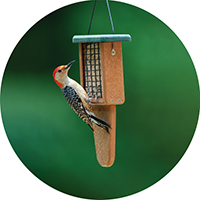
Furthermore, the constant, forceful abrasion of their bills against wood raises questions about wear and tear. While their bills do indeed wear down, specialized cells at the tip of the bill are continuously regenerating lost material. This regenerative process ensures that the chisel-pointed bill remains strong and resilient, while also maintaining its sharpness through a continuous self-sharpening mechanism with each impact. This adaptation is vital for their ability to excavate wood efficiently for food and shelter.
Beyond the skull and bill, woodpeckers have evolved sophisticated protective measures for their eyes and respiratory systems. The expulsion of wood chips and dust during excavation poses a significant risk. To combat this, they possess tufts of stiff feathers that grow over their nostrils, effectively acting as a natural "dust mask" to prevent debris from entering their airways. Complementing this, they have developed a unique "third eyelid," a nictitating membrane that sweeps across the eye, shielding it from flying particles and debris while they are actively pecking.
A Glimpse into Woodpecker Behavior and Ecology
Woodpeckers are a diverse family of birds, with over 200 species found worldwide, belonging to the order Piciformes. In North America, common species include the Northern Flicker, Downy Woodpecker, Hairy Woodpecker, and Red-bellied Woodpecker. Their ecological roles are multifaceted. As cavity nesters, they create homes that are subsequently utilized by a variety of other bird species, bats, and insects, thus playing a significant role in providing essential habitat in forest ecosystems. Their foraging habits, which involve probing bark and excavating wood, help to control insect populations, including many species that are considered pests to trees.

The feeding behaviors of woodpeckers vary by species. Some, like the Downy and Hairy Woodpeckers, primarily glean insects from the surfaces of trees and branches. Others, such as the Northern Flicker, often forage on the ground for ants and beetles. The iconic image of a woodpecker drumming on a tree trunk is not solely for excavation; it also serves as a crucial form of communication. This drumming can be used to establish territory, attract mates, and warn off rivals. The rhythmic patterns and intensity of the drumming can convey specific messages within the woodpecker community.
Attracting Woodpeckers to Your Backyard
For bird enthusiasts and backyard observers, woodpeckers offer a constant source of fascination. Their energetic activities and striking appearances make them a welcome addition to any natural setting. Fortunately, attracting these remarkable birds to one’s garden is achievable with the right approach to feeding.
Wild Birds Unlimited (WBU), a leading franchise system dedicated to backyard bird feeding and nature specialty stores, emphasizes the importance of providing appropriate food sources to draw in various woodpecker species. Their recommendations include high-energy suet, which is a staple for many woodpeckers, particularly during colder months. No-melt dough formulations are also highly effective, offering a more stable and attractive option in warmer weather.

Products like WBU’s Bark Butter, a spreadable blend of suet, peanut butter, and cornmeal, are particularly appealing to a wide range of insectivorous birds, including woodpeckers. Shelled peanuts and specialized seed blends, such as the TreeNutty® Plus Blend, are also excellent choices. For a dedicated woodpecker offering, WBU provides a Woodpecker Cylinder, a compact, nutrient-rich food source designed specifically to meet their dietary needs.
By offering these varied food options, individuals can create a hospitable environment that encourages woodpeckers to visit regularly, providing opportunities for close observation and enjoyment of their unique behaviors. The presence of these birds can also serve as an indicator of a healthy local ecosystem, reflecting the availability of suitable foraging grounds and nesting sites.
The Broader Impact and Implications
The remarkable adaptations of woodpeckers underscore the power of natural selection and evolution. Their specialized physiology, honed over millennia, allows them to exploit a niche that is inaccessible to most other animals. This biological resilience serves as a compelling case study in how species can adapt to environmental pressures and opportunities.

From an ecological perspective, woodpeckers contribute significantly to the health and structure of forest ecosystems. Their role as cavity excavators opens up opportunities for a multitude of other species, enhancing biodiversity. Their insectivorous diets help regulate populations of wood-boring insects, thus protecting trees from extensive damage. The continued presence of healthy woodpecker populations can therefore be seen as a positive indicator of forest health.
For human observers, woodpeckers offer a unique connection to the natural world. Their presence in backyards can foster a greater appreciation for avian life and the intricate workings of ecosystems. Educational initiatives, such as podcasts like WBU’s "Nature Centered," aim to further this connection by providing insights into bird behavior, ecology, and conservation. The episode "Wonderful Woodpeckers" specifically delves into the captivating world of these birds, offering listeners a deeper understanding of their lives and adaptations.
The existence of such specialized adaptations also raises questions about the potential impacts of environmental changes. Habitat loss, fragmentation, and the effects of climate change can all pose threats to woodpecker populations. Conservation efforts focused on preserving and restoring their natural habitats, particularly mature forests with ample deadwood and snags, are crucial for their long-term survival. Understanding and appreciating the unique biological engineering of woodpeckers can inspire greater commitment to their conservation and the protection of the environments they inhabit. Their ability to thrive in what appears to be a harsh existence is a powerful reminder of nature’s resilience and the extraordinary diversity of life on Earth.
