
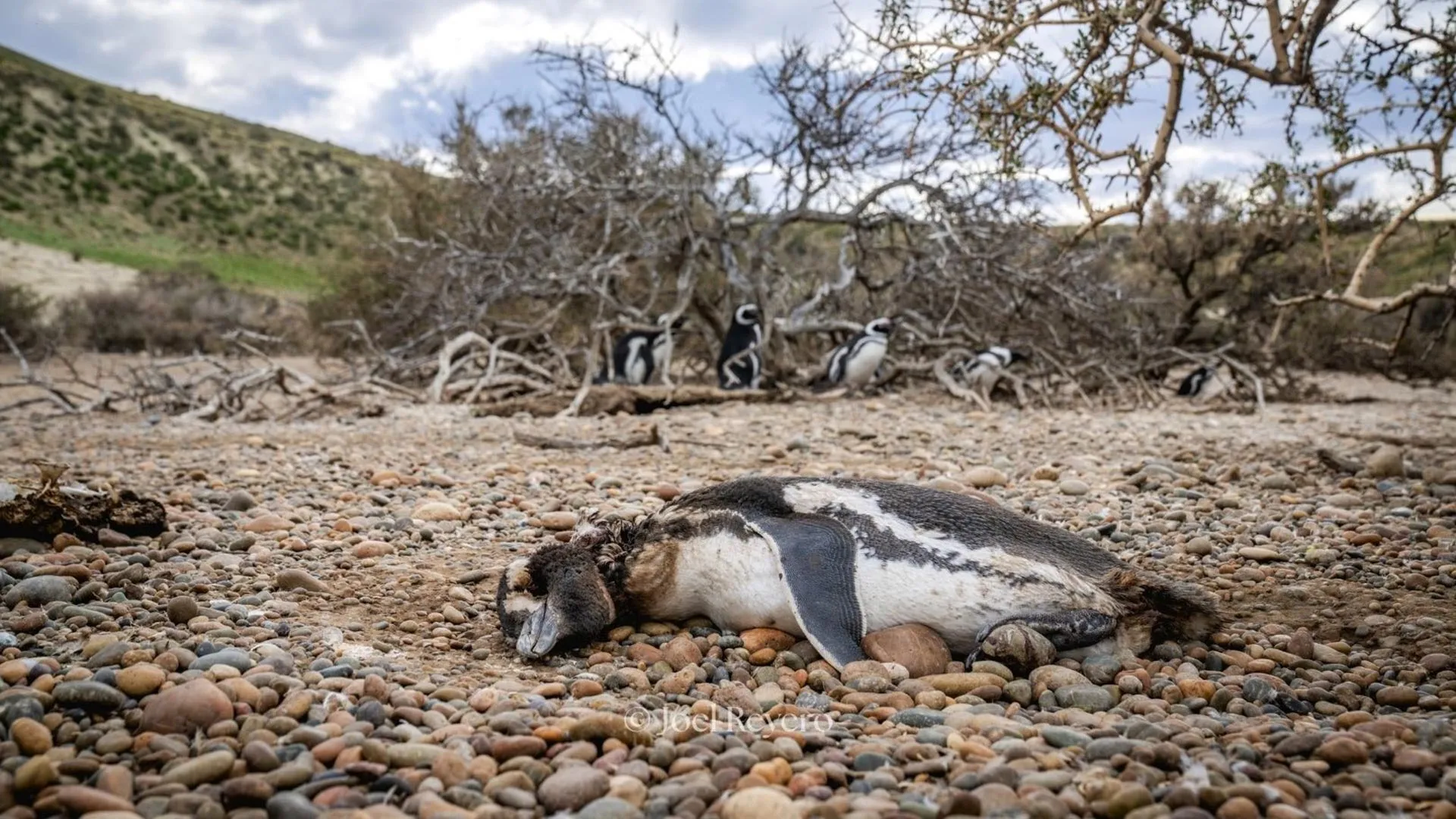
Should conservation efforts focus on protecting one iconic species if that protection may harm another, especially in landscapes still recovering from human activity? This question lies at the center of a growing conservation challenge at Monte Leon National Park on Argentina’s Patagonian coast. The situation highlights the complexity of restoring ecosystems that were altered for decades and are now undergoing rapid change, forcing scientists and conservationists to grapple with the unpredictable consequences of ecological recovery.
An Ecosystem in Flux: The Genesis of a Conservation Conundrum
Monte Leon National Park, established in 2004, is a jewel of Argentina’s southern coast, encompassing a breathtaking stretch of Patagonian steppe and coastline, home to a rich array of wildlife. Its creation marked a significant step in protecting a unique marine-coastal ecosystem. However, the park’s history is deeply intertwined with human activity. For decades, the region was subjected to extensive cattle ranching, a practice that profoundly altered the landscape and suppressed native wildlife populations, including its apex predator, the puma ( Puma concolor ). When cattle ranching finally ceased in southern Argentina around 1990, it initiated a slow but steady process of ecological restoration. One of the most significant outcomes of this shift was the gradual return of pumas, which began reclaiming parts of their historic range, venturing back into territories they had not occupied for generations.
This re-establishment of a crucial predator, while a testament to successful conservation and a natural recovery process, inadvertently set the stage for an unprecedented ecological interaction. During the period when pumas were largely absent from the mainland, Magellanic penguins (Spheniscus magellanicus), which typically nest on offshore islands to avoid terrestrial predators, had begun to colonize mainland beaches. These new mainland colonies, benefiting from the perceived safety of an empty niche, thrived for a time. However, the return of the pumas brought them into contact with these mainland penguin colonies for the first time in modern history. The penguins, having evolved primarily to evade marine predators and without the learned defenses against large land carnivores, found themselves exceptionally vulnerable, becoming easy prey for the re-emerging pumas. Until recently, the extent of this novel interaction and its long-term implications for the penguin population remained largely unknown, sparking a critical inquiry into the delicate balance of a recovering ecosystem.
Long-Term Monitoring Unveils a Startling Scale of Predation
Recognizing the ecological significance of Monte Leon National Park and the potential for new predator-prey dynamics, researchers initiated a comprehensive monitoring program. Since the park’s establishment in 2004, penguin colonies have been under close observation by dedicated teams from the Centro de Investigaciones de Puerto Deseado of the Universidad Nacional de la Patagonia Austral, working in close collaboration with the vigilant rangers of Monte Leon National Park. This long-term commitment to data collection proved invaluable.
Over a crucial four-year period, from 2007 to 2010, researchers meticulously recorded penguin carcasses found within the colony, noting those exhibiting clear signs of puma attacks. This initial phase of data collection provided the foundational evidence for the emerging challenge. To deepen their understanding and assess the long-term implications for the Monte Leon colony, the research team subsequently forged a partnership with experts from Oxford University’s Wildlife Conservation Research Unit (WildCRU). This collaboration brought advanced analytical capabilities to bear on the extensive field data, allowing for a more robust interpretation of the predation patterns.
The findings from this collaborative effort were startling. Using detailed carcass counts and sophisticated statistical analysis, the researchers estimated that more than 7,000 adult Magellanic penguins were killed by pumas during the four-year study period. To put this figure into perspective, it represents approximately 7.6% of the adult penguin population within the colony, which was estimated to be around 93,000 individuals at the time. A particularly striking observation was that many of the birds were only partially eaten or, in numerous instances, not eaten at all. This pattern strongly indicated that the killings were not solely driven by hunger or the immediate need for food, pointing towards a phenomenon known in ecology as ‘surplus killing’.
Melisa Lera, lead author of the study and a postgraduate student at WildCRU, Oxford University, articulated the gravity of these findings: "The number of carcasses showing signs of predation we found in the colony is overwhelming, and the fact that they were left uneaten means pumas were killing more penguins than they required for food. This is consistent with what ecologists describe as ‘surplus killing’. It is comparable to what is seen in domestic cats when prey are abundant and/or vulnerable: ease of capture can lead to cats hunting more birds, even when they do not end up actually eating them. We needed to understand if the penguin colony’s persistence could be threatened due to this behavior." The sheer volume of kills and the nature of the predation raised serious concerns among conservationists about the sustainability of the Monte Leon penguin colony in the face of this novel threat.
Beyond Predation: Unraveling the True Drivers of Population Dynamics
While the initial figures of puma predation were alarming, the collaborative research team sought to move beyond raw counts to understand the true impact on the penguin population’s long-term viability. By applying sophisticated population models to the extensive data collected, the scientists aimed to project the future trajectory of the Monte Leon colony under various scenarios. The results of these models offered a crucial, albeit complex, insight: puma predation alone was unlikely to drive the Monte Leon penguin colony to extinction.
Instead, the models pointed to other factors as far more influential in determining the colony’s persistence, particularly breeding success and the survival rates of juvenile penguins. These intrinsic demographic parameters, more than direct predation, emerged as the primary determinants of the population’s health and future. Extinction was projected only in highly hypothetical scenarios, where a confluence of extreme negative conditions prevailed. Specifically, these scenarios involved very low juvenile survival, with only around 20% of fledglings managing to reach adulthood, combined with extremely poor reproductive output, limited to a maximum of one chick per pair. In such dire hypothetical circumstances, high levels of puma predation did indeed exacerbate the situation, pushing the colony closer to the brink, but they were not identified as the primary or solitary cause of decline.
Dr. Jorgelina Marino, a study co-author from WildCRU, Oxford University, underscored the broader implications of these findings: "This study captures an emerging conservation challenge, where recovering carnivores are encountering novel prey. Understanding how these dietary shifts affect both predators and prey is essential to inform conservation." Her statement highlights a critical paradigm shift in conservation science, moving beyond simplistic predator-prey dynamics to a more nuanced understanding of ecosystem interactions, especially in landscapes undergoing significant ecological transitions. It emphasizes that while the return of apex predators is often a sign of ecosystem health, it can also introduce new complexities that require careful monitoring and adaptive management strategies.
The Shadow of Climate Change and Broader Environmental Pressures
The findings from Monte Leon underscore a critical truth in modern conservation: no single factor operates in isolation. Because breeding success and juvenile mortality play such a critical role in population stability, the researchers strongly emphasize the need to better understand how broader environmental conditions affect penguin reproduction and survival. Magellanic penguins, like many seabirds, are highly sensitive to changes in their marine environment, which directly impacts their food supply and breeding success.
Factors such as nutrient availability in the ocean, the abundance and distribution of prey species (like anchovies, sardines, and squid), and ocean temperature are known to fluctuate significantly and are increasingly influenced by global climate change. Alterations in these parameters can lead to food shortages, reduce the nutritional quality of available prey, or force penguins to travel greater distances to forage, all of which negatively impact their ability to raise healthy chicks and ensure the survival of juveniles. Warmer ocean temperatures can shift prey distributions, making essential food sources harder to find, while increased frequency of extreme weather events can destroy nests or expose vulnerable chicks. These stressors weaken the penguin population from within, making it more susceptible to other threats, including predation. The study effectively illustrates that while puma predation is a visible and impactful force, it often acts as a compounding factor on a population already stressed by larger, systemic environmental changes. Therefore, any effective conservation strategy must address these overarching climate-related pressures to bolster the penguins’ resilience.
A Global Phenomenon: Recovering Predators and Novel Prey Encounters
The complex predator-prey dynamic observed in Monte Leon National Park is not an isolated incident but rather a striking example of a broader global trend. As conservation efforts succeed in restoring degraded ecosystems and allowing native species, particularly large carnivores, to reclaim their historical ranges, novel ecological challenges are emerging worldwide. Mainland seabird colonies and other coastal species, which historically benefited from the absence of land predators in certain areas, are becoming increasingly vulnerable as these predators return or expand into new coastal environments.
For instance, along the Georgia coast in the USA, non-native feral hogs have become major predators of loggerhead sea turtle eggs. These invasive mammals, unhindered by natural predators in many areas and with high reproductive rates, can decimate sea turtle nests, significantly impacting the recovery efforts for these endangered reptiles. The hogs’ opportunistic foraging behavior, combined with the vulnerability of buried nests, creates a devastating predation pressure that requires intensive management, including trapping and removal programs.
Similarly, in eastern North America, coyotes ( Canis latrans ) are expanding their range onto coastal barrier islands. Historically, these islands provided relatively safe nesting grounds for numerous species of ground-nesting birds, free from significant mammalian predation. However, the arrival of coyotes alters these delicate island ecosystems, posing a new and significant threat to bird populations. Their adaptability and generalist diet allow them to exploit a wide range of prey, including eggs, chicks, and adult birds, disrupting the reproductive success of species like terns, plovers, and gulls. These examples highlight a recurring theme: successful predator recovery, while ecologically desirable, often necessitates careful monitoring and adaptive management to mitigate unforeseen conflicts with other vulnerable species, particularly those that have not co-evolved with these specific terrestrial predators in their current habitats.
The Imperative of Continued Monitoring and Adaptive Management
The lessons from Monte Leon National Park underscore the critical importance of ongoing scientific monitoring in dynamic ecosystems. The authors of the study stress that continuous observation is absolutely essential to detect early signs of population decline or significant shifts in ecological interactions. Such early detection allows park authorities and conservation managers to intervene with informed decisions before serious or irreversible ecological damage occurs.
At Monte Leon National Park, authorities are committed to this adaptive management approach. They continue to closely track both puma and penguin populations, employing a range of techniques from camera traps to nest counts, gathering data that feeds into ongoing research and informs management strategies. This includes understanding puma movements, dietary shifts, and reproductive success, alongside detailed monitoring of penguin breeding success, chick survival, and foraging behavior.
Future conservation efforts in such complex landscapes must adopt a holistic perspective. This involves not only managing direct predation pressures but also, crucially, addressing the underlying environmental stressors that weaken prey populations. For Magellanic penguins, this means tackling the impacts of climate change on their marine food sources and breeding habitats. It also implies exploring potential non-lethal intervention strategies, if deemed necessary, to minimize conflicts, such as habitat manipulation or targeted deterrence methods, though such interventions must be carefully evaluated for their own ecological impacts. The case of Monte Leon National Park serves as a powerful reminder that ecosystem recovery is a journey fraught with complexities, requiring continuous scientific inquiry, collaborative efforts, and flexible, evidence-based management to navigate the intricate consequences of restoring natural balances in an ever-changing world.
