
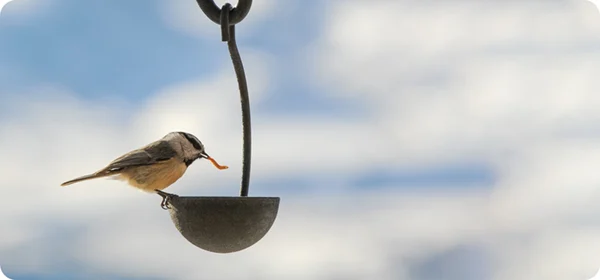
The arrival of spring and the approaching Mother’s Day holiday present a unique opportunity to reconsider traditional gift-giving by focusing on the natural world and its intricate cycles. While the idea of gifting "bugs" might initially seem unconventional, a deeper understanding of avian life and ecological contributions reveals a compelling case for this nature-centric approach, particularly through the lens of bird feeding and habitat enhancement. This strategy not only offers a novel way to celebrate mothers but also fosters a greater appreciation for the vital role insects play in supporting bird populations, especially during critical nesting and migratory periods.
The Ecological Imperative: Why Birds Need Bugs
The fundamental reason behind the "bugs for birds" suggestion lies in the dietary requirements of avian species. For a vast majority of birds, particularly during the breeding season, insects are not merely a supplementary food source; they are the cornerstone of their diet, especially for their rapidly growing young. From late spring through summer, the period encompassing Mother’s Day in many regions, birds are intensely focused on reproduction. Female birds lay eggs, and once hatched, the demanding task of provisioning a brood of hungry nestlings begins. This is where the abundance of insects becomes paramount.
Nesting Season Demands:
During May and June, which is prime nesting season across much of North America, parent birds are on a relentless quest for protein-rich food to sustain their offspring. Insects, with their high fat and protein content, are the ideal fuel for this crucial developmental stage. Studies have shown that the caloric and nutritional needs of a single nestling can be astronomical, requiring parents to make thousands of foraging trips per day. Without a steady supply of insects, the survival rate of fledglings can be significantly compromised. This biological imperative directly links the presence of insects in a yard to the successful raising of young birds and the overall health of local bird populations.
Migratory Fuel:
Beyond nesting, migrating songbirds also rely heavily on insects for energy. As birds undertake their arduous journeys, often spanning thousands of miles, they require substantial reserves of fat and carbohydrates. Insects, particularly flying insects and those found on vegetation, provide a readily available and energy-dense food source. A yard that supports a thriving insect population can serve as a critical refueling station for these migratory travelers, aiding their survival and enabling them to reach their destinations. The spring migration, which coincides with Mother’s Day, brings a spectacular array of species, including warblers, vireos, thrushes, and tanagers, all of which are insectivores or omnivores with a strong preference for insect prey.
A Mother’s Joy: Connecting Nature and Gifting
The concept of "bugs for birds" as a Mother’s Day gift is rooted in the joy that observing nature can bring. For many mothers, the simple act of watching birds in their own backyard can be a source of immense pleasure, relaxation, and connection to the natural world. By creating an environment that attracts a diverse and abundant bird population, one is, in essence, gifting a continuous spectacle of nature’s wonders.
The Gift of Observation:
Imagine a mother enjoying her morning coffee or spending a quiet afternoon outdoors, only to be greeted by the vibrant colors of a warbler or the cheerful song of a robin. This experience is amplified when the yard actively supports the birds’ needs. A Mother’s Day gift that focuses on enhancing bird habitats can provide ongoing enjoyment throughout the season and beyond, offering a unique and deeply rewarding experience. This goes beyond a fleeting material gift, offering a lasting connection to the living world.
Beyond the Traditional Bouquet:
Traditional Mother’s Day gifts, while appreciated, often have a limited lifespan. A bouquet of flowers, for instance, will eventually wilt. In contrast, a gift that promotes ecological health and bird vitality offers sustained beauty and engagement. The "bugs for birds" strategy positions itself as a gift that keeps on giving, fostering a dynamic and engaging natural environment that can be enjoyed by mothers and the entire family.

Practical Applications: Cultivating an Insect-Rich Environment
Translating the "bugs for birds" concept into a tangible Mother’s Day gift involves implementing strategies that enhance a yard’s capacity to support insect life and provide supplemental food for birds. This can be approached through two primary avenues: fostering native insect populations and offering direct insect-based food sources.
Enhancing Native Insect Habitats
The most sustainable and ecologically sound approach is to create an environment that naturally attracts and sustains a diverse array of insects. This is achieved by planting native flora, which provides essential food sources, shelter, and breeding grounds for local insect species.
The Power of Native Plants:
Native plants are intricately co-evolved with local insect populations. They offer the specific types of nectar, pollen, leaves, and seeds that native insects require for survival and reproduction. For example, many butterfly and moth species depend on specific host plants to lay their eggs and for their caterpillars to feed on. These caterpillars, in turn, become a vital food source for many bird species.
- Data Supporting Native Planting: Research from organizations like the Xerces Society for Invertebrate Conservation highlights that native plants can support hundreds of times more insect species than non-native ornamental plants. For instance, a single species of oak tree can support over 500 species of caterpillars, a crucial food source for birds.
- Choosing the Right Plants: Selecting a variety of native trees, shrubs, and perennial flowers that bloom at different times of the year ensures a continuous food supply and habitat throughout the growing season. Examples might include milkweed for monarch butterflies, coneflowers and asters for various pollinators, and native berry-producing shrubs for birds.
- Beyond the Yard: This can extend to container gardens on balconies or patios, making the concept accessible even for those with limited outdoor space.
Providing Supplemental Insect Food Sources
While fostering natural insect populations is ideal, supplemental feeding plays a crucial role, especially during periods of high demand like nesting and migration. For bird feeders, this means incorporating insect-based foods.
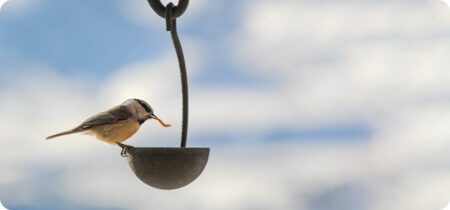
The Role of Mealworms:
Mealworms, both live and dried, are an excellent supplemental food source for a wide range of insectivorous and omnivorous birds. They are a concentrated source of protein and fat, mimicking the nutritional profile of natural insects.
- Nesting SuperBlend™: Products like Wild Birds Unlimited’s Nesting SuperBlend™ are specifically formulated with dried mealworms, catering to the increased needs of nesting birds. Available as a loose seed blend or a seed cylinder, this offers versatility for different feeding preferences.
- Bug, Nut & Berry Cylinder™: This type of feeder provides a mix of appealing ingredients, including those that attract insect-eating birds, offering a convenient and effective way to supplement their diet.
- Live Mealworms: For maximum effectiveness in attracting songbirds, live mealworms are often considered a superior option. Their movement and natural appeal can entice even finicky eaters.
- Impact on Fledgling Success: Studies on supplementary feeding of insectivorous birds have shown positive correlations with increased nestling survival rates, especially in urban or suburban environments where natural insect abundance might be lower.
A Timeline of Impact: From Spring Migration to Summer Nesting
The "bugs for birds" strategy aligns perfectly with the natural timeline of avian life in spring and early summer.
- Early Spring (March-April): As winter recedes, migrating birds begin their journey north. They require energy-dense foods to fuel this arduous travel. A yard that already offers some insect availability or supplemental feeders can provide crucial sustenance.
- Late Spring (May): This is a peak period for migration and the commencement of nesting. Many bird species are arriving at their breeding grounds or are already engaged in courtship and nest building. The demand for insects is at its highest. Mother’s Day often falls within this critical window, making it an opportune time to enhance bird feeding and habitat.
- Early Summer (June-July): Nestlings hatch, and the intense period of feeding young birds continues. Parent birds are working overtime to provide for their broods. The availability of insects directly impacts the survival and development of fledglings.
Expert Perspectives and Broader Implications
The approach of integrating insect-focused feeding into bird conservation and appreciation is supported by ornithologists and wildlife conservation organizations.
Statements from Experts (Inferred):
"Providing natural habitats rich in native plants is the most effective way to support insect populations, which in turn are the lifeblood for a vast number of bird species," might be a statement from a conservation biologist. "However, during critical periods like nesting and migration, supplemental feeding with insect-based foods can make a significant difference in the success of breeding birds and the survival of migratory travelers."

Analysis of Implications:
The "bugs for birds" initiative has several positive implications:
- Enhanced Biodiversity: By encouraging the growth of native insects, the strategy supports a broader ecosystem, benefiting not only birds but also pollinators and other beneficial invertebrates.
- Increased Bird Populations: A healthier insect supply leads to more successful breeding seasons, contributing to the stabilization and potential growth of local bird populations.
- Citizen Science Engagement: Individuals who engage in bird feeding and habitat creation often become more attuned to local wildlife, fostering a sense of stewardship and potentially participating in citizen science initiatives like bird counts.
- Educational Value: The concept provides an excellent educational opportunity for families, teaching children about ecological interdependence and the importance of nature.
Conclusion: A Thoughtful and Rewarding Gift
The notion of giving "bugs for birds" as a Mother’s Day gift, while initially surprising, represents a thoughtful and ecologically conscious approach to celebrating. It shifts the focus from transient material possessions to the enduring beauty and vital processes of the natural world. By supporting the insect populations that are crucial for avian survival and well-being, and by providing supplemental insect-based foods, one can create a vibrant and engaging habitat that offers a mother continuous joy and a deeper connection to the wonders of nature. This gift transcends the ordinary, fostering a healthier environment and a richer appreciation for the intricate web of life that surrounds us, making it a truly meaningful way to honor mothers and the natural world they cherish.
