
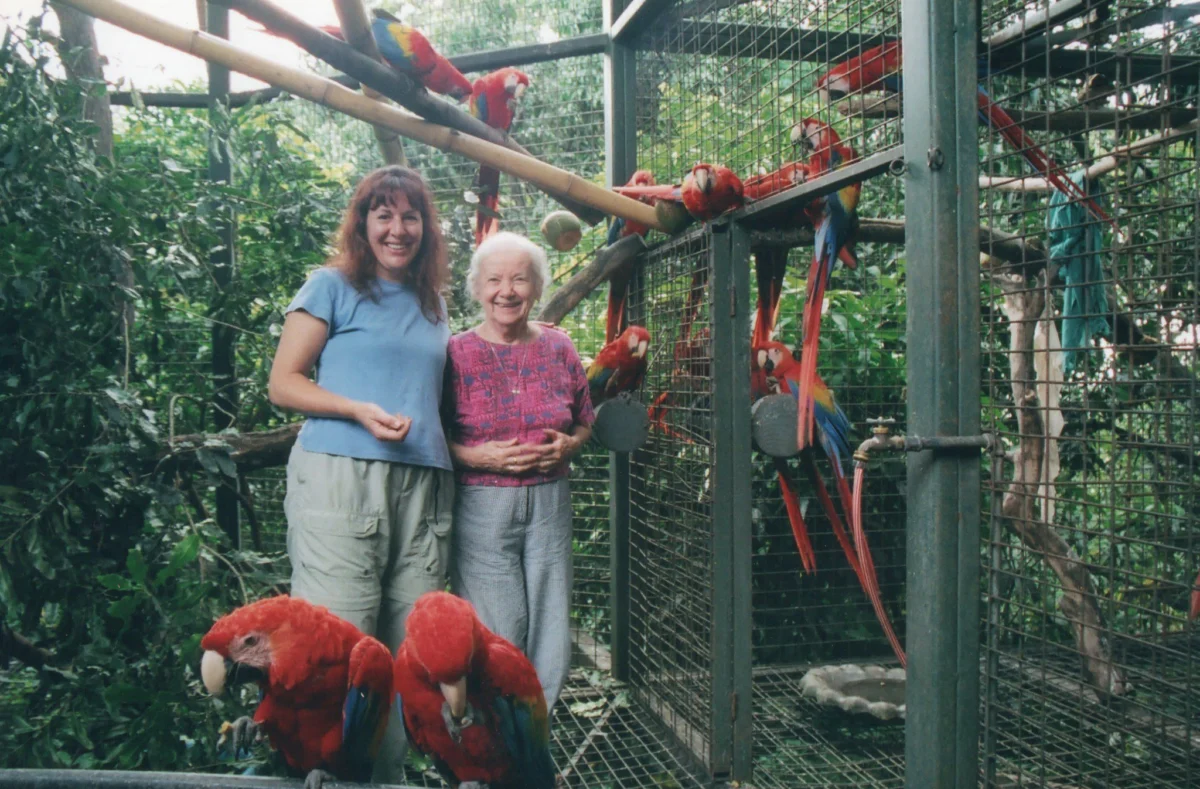
The Toucan Rescue Ranch (TRR), an organization that began as a modest sanctuary for distressed birds in 2004, has officially entered its third decade of operation, marking a transformative journey from a private rescue initiative to a globally recognized leader in wildlife rehabilitation and conservation. Founded by Leslie Howle and Jorge Murillo, the organization has spent the last 20 years navigating the complexities of tropical biodiversity loss, evolving its protocols to meet the increasing needs of Costa Rica’s vulnerable fauna. Today, TRR stands as a multi-facility operation specializing in the medical treatment, rehabilitation, and eventual release of a diverse array of species, ranging from its namesake toucans to sloths, owls, and howler monkeys.
The Foundation and Early Breakthroughs in Avian Conservation
The inception of the Toucan Rescue Ranch in 2004 was driven by a specific need to address the lack of specialized care for displaced avian species in the Central Valley of Costa Rica. During its first three years, the facility focused primarily on toucans and other tropical birds, refining husbandry techniques that were often experimental at the time. A major scientific milestone was achieved in 2007 when TRR became the first facility in Costa Rica, and only the second in the world, to successfully captive-breed the Emerald Toucanet (Aulacorhynchus prasinus). This achievement provided critical data on the reproductive biology of the species and established TRR as a serious contributor to ornithological research.
The year 2007 also marked a fundamental shift in the organization’s scope. With the arrival of "Millie," a two-fingered sloth, the facility expanded its mission to include mammals. This transition required a rapid scaling of expertise, as the nutritional and medical requirements of xenarthrans (sloths and anteaters) differ vastly from those of avian species. Millie’s successful rescue served as a proof-of-concept for a holistic rescue model that could cater to the broader ecosystem rather than a single taxa.
Infrastructure Expansion and the Shift Toward Release
Recognizing that rescue and stabilization were only the first steps in a successful conservation cycle, the founders prioritized the acquisition of land suitable for rewilding. In 2008, TRR invested in a 25-acre property in Sarapiquí, a region known for its high biodiversity and connectivity to biological corridors. This move was pivotal; it allowed the organization to transition from a "sanctuary" model—where animals might remain in captivity—to a "rescue-rehabilitate-release" model.
By 2013, the organization reached a level of professional maturity that necessitated formal legal and medical structures. TRR established a state-of-the-art veterinary hospital at its headquarters in San Isidro, Heredia. This facility enabled resident veterinarians to perform complex surgeries and diagnostic imaging on-site, significantly reducing the stress on injured animals that previously had to be transported to external clinics. Concurrently, the organization achieved 501(c)3 non-profit status in the United States, a move that opened doors for international grants, tax-deductible donations, and a more robust global volunteer program.
In 2015, the Sarapiquí expansion continued with the conversion of a 16-acre farm into a specialized "soft-release" site. Unlike "hard-release" methods, where animals are simply set free, soft-release involves placing rehabilitated animals in large, semi-natural enclosures within their native habitat. This allows them to acclimate to local temperatures, sounds, and food sources while still being monitored by conservationists, a method that has been shown to significantly increase post-release survival rates.
Strategic Alliances and Environmental Restoration
The mid-to-late 2010s saw TRR move toward a collaborative conservation strategy. In 2017, the organization partnered with The Sloth Institute to launch the "Saving Sloths Together" (SST) program. This alliance combined TRR’s expertise in medical rehabilitation with The Sloth Institute’s specialized knowledge in sloth behavior and tracking. The program’s success is largely attributed to the use of VHF radio-tracking equipment, which allowed researchers to follow released sloths into the canopy to ensure they were thriving and reproducing in the wild.
The organization also recognized that wildlife cannot survive without intact habitats. In 2018, TRR partnered with the iconic Costa Rican company Café Britt to launch a reforestation initiative. Over 2,000 native trees were planted to restore fragmented rainforest canopies, creating essential "biological bridges" for arboreal mammals. This period also saw the integration of technology into daily operations; by 2019, the implementation of specialized animal care software allowed for the digital tracking of medical records, diet plans, and behavioral observations, streamlining the workflow for the veterinary team and ensuring data-driven care.
Global Outreach and Adaptation During the Pandemic
The COVID-19 pandemic of 2020 presented an existential threat to many wildlife centers that relied on ecotourism for funding. However, TRR utilized the crisis as a catalyst for digital innovation. The organization transitioned its educational programs to a virtual format, eventually becoming the top-rated virtual tour globally on the Amazon Virtual Experiences platform. This not only provided a vital revenue stream during lockdowns but also democratized access to conservation education, reaching audiences in dozens of countries who could not travel to Costa Rica.
The excellence of these programs was recognized with the World Travel and Tourism Council’s "Safe Travels" certification. By 2021, these educational initiatives had evolved into formal alliances with local corporations and universities, cementing TRR’s role as an educational hub. The organization’s ability to maintain high standards of care while engaging a global audience online demonstrated a resilient business model that has since been studied by other non-profits in the region.
The 20th Anniversary and the Modern Era of Rewilding
As the Toucan Rescue Ranch celebrated its 20th anniversary in 2024, it reached a peak in operational capacity. The year was marked by significant technological upgrades to the wildlife hospital, funded by international grants. The acquisition of advanced blood analysis machines and portable X-ray equipment has allowed for immediate diagnostic results, which is often the difference between life and death for animals arriving in critical condition.
The anniversary year also saw the organization’s first major fundraiser in the United States. Held at the Nashville Zoo, the "Wildlife Wonders" event raised $25,000 and established TRR’s first conservation partnership with an Association of Zoos and Aquariums (AZA) accredited institution. Furthermore, the organization’s flagship community event, the "Sloth Ironman Games," broke previous records by raising over $30,000. These funds have been directly funneled into the "Saving Howler Monkeys Together" program, launched in 2023 to address the specific threats facing mantled howler monkeys, such as electrocution on uninsulated power lines and habitat loss.
Analysis of Implications and Future Outlook
The evolution of the Toucan Rescue Ranch offers a blueprint for successful private conservation in the 21st century. By moving beyond simple animal rescue and into the realms of medical research, habitat restoration, and digital education, TRR has addressed the multifaceted nature of the biodiversity crisis.
The organization’s impact is quantifiable. Thousands of animals have been treated, and the data collected from tracking released individuals has contributed to a better understanding of how rehabilitated wildlife reintegrates into the wild. Furthermore, TRR’s role in the local economy cannot be overlooked; by welcoming corporate volunteers and international interns, the ranch fosters a culture of environmental stewardship that extends into the private sector.
Looking toward 2025 and beyond, the Toucan Rescue Ranch remains committed to its core mission while eyeing further expansion. Plans for the upcoming years include the completion of additional education centers and the enhancement of its research department to publish more peer-reviewed studies on tropical medicine. As the threats of climate change and urban encroachment continue to intensify in Costa Rica, the existence of a high-functioning, medically advanced rescue network like TRR is more than a luxury; it is a critical component of the national strategy to preserve one of the world’s most biodiverse regions. The history of the ranch is a testament to the fact that with scientific rigor, community support, and adaptive management, the future of Costa Rican wildlife can indeed be secured.
