
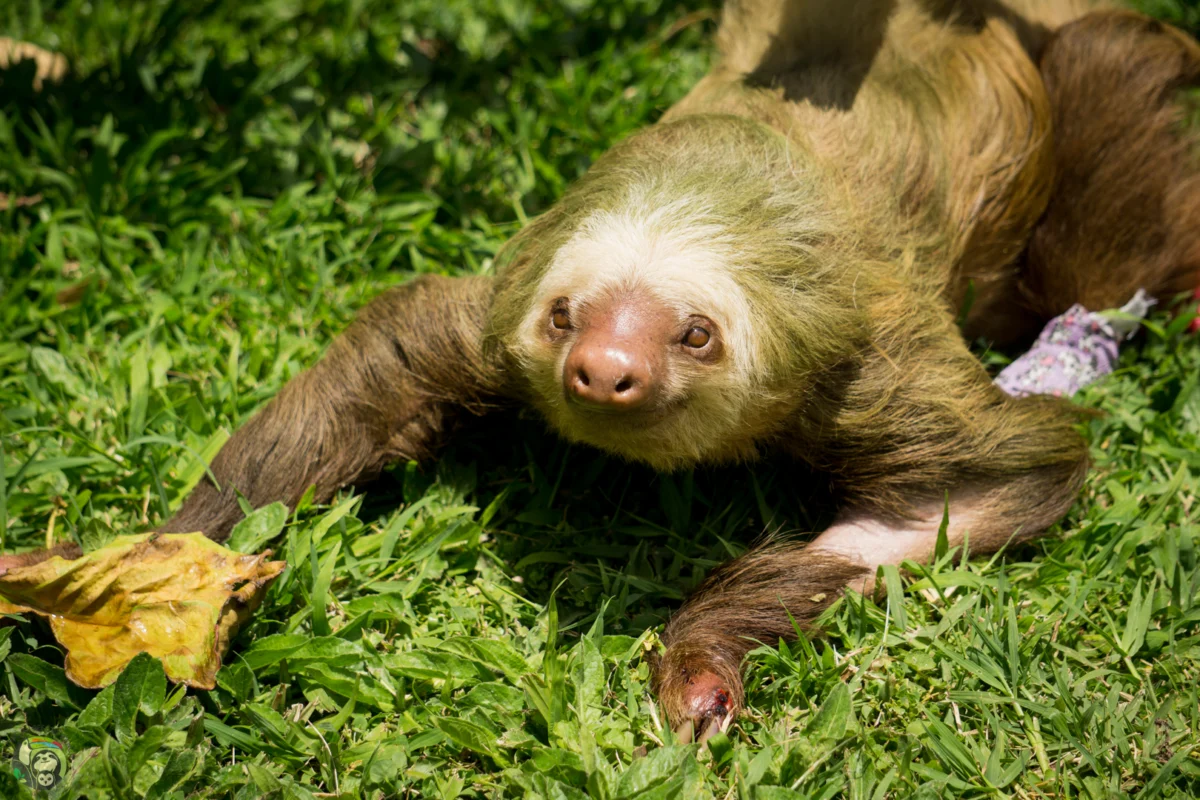
Wildlife Medicine and the Critical Mission of the Toucan Rescue Ranch in Costa Rican Conservation serves as a cornerstone for the preservation of neotropical biodiversity within one of the world’s most ecologically significant regions. Located in the central highlands of Costa Rica, the Toucan Rescue Ranch (TRR) has evolved from a small rescue facility into a premier center for high-complexity veterinary care, focusing on the rehabilitation of injured, orphaned, and displaced wildlife. In a country that contains nearly 6% of the world’s known biodiversity, the presence of sophisticated medical infrastructure for non-domesticated species is not merely a luxury but a biological necessity. As human encroachment, habitat fragmentation, and climate change continue to pressure local fauna, the medical protocols established at TRR provide a vital lifeline for species ranging from the iconic keel-billed toucan to the elusive oncilla and the critically endangered hawksbill turtle.
The Diagnostic Framework: Comprehensive Health Assessments
The journey of every animal admitted to the Toucan Rescue Ranch begins with a rigorous and standardized intake protocol. Unlike domestic veterinary medicine, wildlife diagnostics require a specialized understanding of species-specific baselines, many of which are still being documented by researchers in the field. Upon arrival, each patient undergoes a comprehensive physical examination conducted by a team of veterinarians trained in avian, reptilian, and exotic mammal medicine. This initial phase is critical, as wild animals are biologically programmed to mask signs of illness or injury—a survival mechanism known as the "masking phenomenon."
To penetrate this biological facade, the TRR medical team employs advanced diagnostic imaging and laboratory analysis. Blood chemistry and hematology are utilized to detect underlying infections, organ dysfunction, or lead poisoning, which is a frequent concern in birds of prey and scavengers. Radiography and ultrasound allow for the identification of internal fractures, soft tissue damage, or the presence of foreign bodies—often the result of human-wildlife conflict. These detailed health assessments ensure that the subsequent treatment plans are not only effective but also minimize the time the animal spends in a high-stress captive environment.
Advanced Surgical Interventions and Specialized Care
The surgical theater at the Toucan Rescue Ranch is equipped with state-of-the-art technology tailored to the unique physiological requirements of neotropical wildlife. One of the most complex areas of focus is avian orthopedics. Given the pneumatic (hollow) nature of bird bones, traditional mammalian orthopedic techniques must be adapted to ensure that the patient can eventually return to the wild with full flight capabilities. The clinic utilizes specialized pinning and external fixation methods to repair fractures caused by power line collisions or projectile injuries.
Reptilian medicine represents another specialized pillar of the ranch’s operations. For instance, turtle shell repairs require a blend of structural engineering and biological expertise. Using medical-grade resins and stabilizers, veterinarians can reconstruct shells damaged by boat strikes or vehicle impacts, allowing the animal to heal over several months. Furthermore, the ranch provides critical care for small wild cats like the oncilla, which may require intricate soft-tissue surgeries or dental interventions. These specialized treatments are designed to address both immediate life-threatening conditions and long-term functional recovery, ensuring that every resident has a viable path toward release.
The Rehabilitation Continuum: From Clinic to Canopy
Medical intervention is only the first step in a multi-phased rehabilitation process. Once a patient is stabilized, they transition to specialized recovery enclosures designed to simulate their natural environment. This "soft release" approach is fundamental to the psychological and physical well-being of the animals. For arboreal species like sloths and monkeys, enclosures are outfitted with complex climbing structures and natural foliage to encourage the rebuilding of muscle mass and the maintenance of instinctive behaviors.
The rehabilitation phase is also a period of intensive monitoring. Staff and volunteers utilize behavioral ethograms to track the progress of each animal, ensuring they are reaching developmental milestones—such as hunting, foraging, or social interaction—before they are cleared for release. This period is particularly sensitive for orphaned animals, which must be raised with minimal human contact to prevent habituation. The ranch’s "wild-rearing" protocols are designed to ensure that these animals view humans as a threat rather than a source of food, a prerequisite for a successful life in the wild.
Preventative Medicine and Biosecurity Protocols
In the context of global health, the preventative medicine practiced at the Toucan Rescue Ranch plays a role in the broader "One Health" initiative, which recognizes the interconnection between animal, human, and environmental health. The ranch implements strict biosecurity measures to prevent the spread of zoonotic diseases. Routine health checks for permanent residents and incoming patients include vaccinations and parasite control tailored to the specific risks of the Costa Rican ecosystem.
By proactively managing the health of the captive population, the ranch prevents the accidental introduction of pathogens into wild populations during the release process. This is particularly important in the prevention of avian influenza and various reptilian viruses that can decimate local ecosystems if left unchecked. The medical team’s commitment to preventative care extends beyond the clinic walls, contributing to national databases that track the prevalence of diseases in Costa Rican wildlife.
Nutritional Science as a Medical Foundation
Nutrition is often the most overlooked component of wildlife rehabilitation, yet it is arguably the most critical for long-term recovery. At TRR, nutritional support is treated as a form of medicine. The facility employs nutritionists who work alongside the veterinary team to formulate species-specific diets that replicate the caloric and nutrient density of wild food sources.
For high-metabolism birds like toucans and raptors, the balance of iron and protein is vital; toucans, for instance, are susceptible to Hemochromatosis (Iron Storage Disease), making a low-iron diet a medical necessity. Similarly, the complex digestive systems of folivores, such as the three-toed sloth, require a specific variety of native leaves to maintain the gut microbiome necessary for fermentation. By providing precise nutritional support, the ranch ensures that recovering animals have the energy reserves needed to heal from trauma and eventually compete for resources in the wild.
Education, Training, and Global Conservation Impact
The Toucan Rescue Ranch serves as a global hub for wildlife medicine education. Recognizing that the future of conservation depends on a skilled workforce, the ranch hosts interns and veterinary students from around the world. These educational programs focus on the latest developments in exotic animal medicine, including anesthesia for non-traditional species and emergency triage.
Beyond professional training, the ranch engages in community outreach to address the root causes of wildlife displacement. By educating the public on the dangers of the illegal pet trade, the importance of wildlife bridges to prevent electrocutions, and the necessity of preserving biological corridors, TRR aims to reduce the number of animals that require medical intervention in the first place. This holistic approach ensures that the ranch’s impact is felt far beyond the confines of its veterinary clinic.
Chronology of Care: The Life Cycle of a Rescue
The operational timeline of a typical rescue case at TRR follows a disciplined path:
- Emergency Response and Triage: Rapid assessment and stabilization of the animal upon arrival.
- Intensive Care Phase: Surgical or medical treatment in the specialized clinic.
- Post-Operative Recovery: Transition to indoor recovery units for close monitoring.
- Rehabilitation and Habituation: Relocation to outdoor enclosures to regain natural skills.
- Pre-Release Evaluation: Final medical and behavioral clearance by the veterinary team.
- Release and Post-Release Monitoring: Return to a protected habitat, often with tracking devices to monitor success.
Broader Implications for Costa Rican Biodiversity
The work performed at the Toucan Rescue Ranch has significant implications for Costa Rica’s national conservation strategy. The data collected from every patient contributes to a deeper understanding of the threats facing neotropical wildlife. For example, trends in admission data can highlight "hotspots" for power line electrocutions or areas where domestic dog attacks on wildlife are increasing, allowing government agencies like the Ministry of Environment and Energy (MINAE) to implement targeted mitigation strategies.
Furthermore, the successful rehabilitation and release of apex predators and seed dispersers—such as owls and toucans—help maintain the ecological balance of the rainforest. These animals play essential roles in forest regeneration and the control of prey populations. As Costa Rica continues to position itself as a global leader in environmental protection, facilities like the Toucan Rescue Ranch provide the frontline medical support necessary to sustain the country’s natural heritage.
Conclusion: A Vision for a Healthier Future
The commitment to wildlife medicine at the Toucan Rescue Ranch represents a sophisticated fusion of science, compassion, and environmental stewardship. By providing specialized care to individual animals, the ranch contributes to the survival of entire species and the health of the ecosystems they inhabit. As the facility continues to expand its medical capabilities and educational outreach, it remains a beacon of hope for the wildlife of Costa Rica. The ongoing support of the global community is essential for these efforts, ensuring that the ranch can continue to meet the evolving challenges of wildlife conservation in the 21st century. Through meticulous diagnostics, tailored treatments, and a dedication to the "One Health" philosophy, the Toucan Rescue Ranch is not just saving animals; it is preserving the vibrant, biological tapestry of the planet.
