
The Toucan Rescue Ranch, a prominent wildlife rehabilitation center located in San Isidro, Heredia, Costa Rica, has officially announced the commencement of the 9th Annual Sloth Ironman Games. This yearly event, which has grown from a niche local initiative into an internationally recognized digital fundraiser, serves as a cornerstone for the organization’s "Saving Sloths Together" (SST) program. The 2024 edition of the games aims to blend the principles of animal enrichment with global conservation advocacy, utilizing a series of non-invasive challenges to highlight the physiological traits and rehabilitation milestones of rescued sloths. As the organization prepares for the multi-day event, the focus remains on raising the necessary capital to facilitate the complex journey of "rewilding"—the process of returning rehabilitated animals to their natural forest habitats.
The Framework of the Sloth Ironman Games
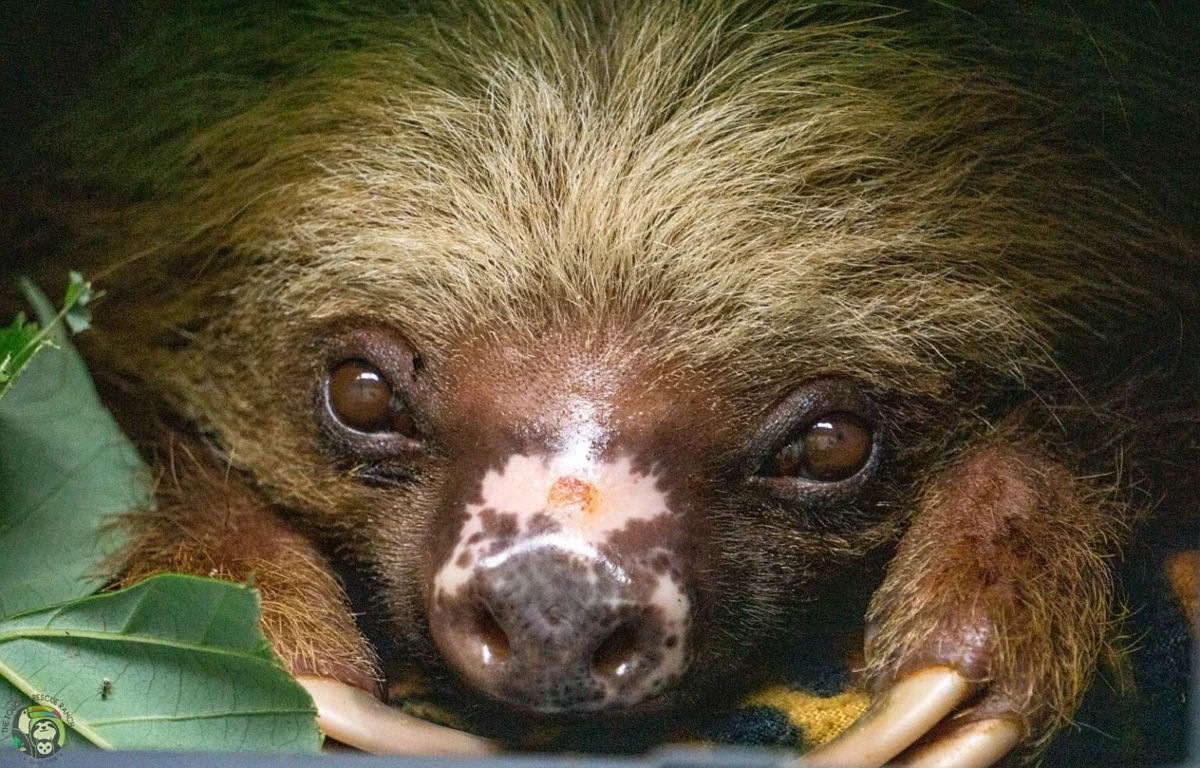
The Sloth Ironman Games are designed as a parody of human endurance sports, yet the underlying methodology is rooted in ethological enrichment. For the 2024 season, four "slothletes" have been selected from the resident population at the Toucan Rescue Ranch. These individuals are currently in various stages of their rehabilitation journey, having been rescued following incidents such as electrocution from uninsulated power lines, dog attacks, or displacement due to deforestation.
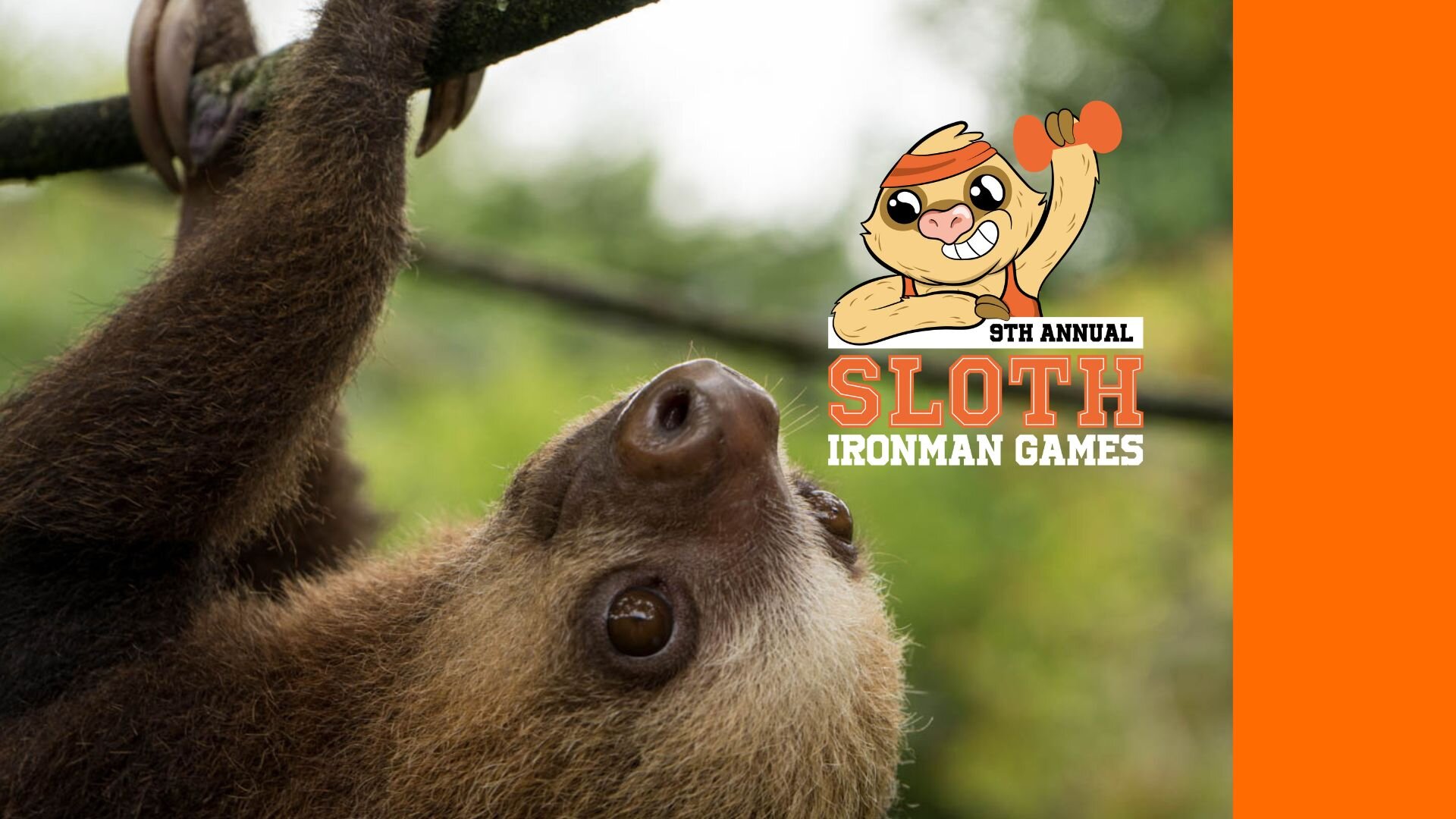
The competition consists of four primary events, each meticulously designed to mirror the natural behaviors essential for survival in the wild. The "1-Meter Dash" assesses the sloth’s ability to navigate horizontal structures, a critical skill for moving between canopy gaps. The "Hibiscus Eat-Off" focuses on foraging and dietary health, as hibiscus flowers are a nutrient-rich staple for sloths in Costa Rica. The "Poop-Off" challenge, perhaps the most famous of the events, highlights the unique and precarious toilet habits of the species; sloths typically descend to the forest floor only once a week to defecate, a behavior that exposes them to significant predatory risk. Finally, the "Climbing Competition" evaluates vertical agility and grip strength, both of which are fundamental to an arboreal lifestyle.
Organizational leaders emphasize that these games are entirely non-invasive. The sloths are not forced to compete; rather, their natural daily activities are monitored and recorded by biologists and caretakers. The "games" serve as a public window into the specialized care required to prepare these animals for a life of independence.
Chronology and Event Schedule
The 2024 Sloth Ironman Games are scheduled to take place throughout October, coinciding with International Sloth Day. The event structure is designed to maximize engagement across digital platforms, specifically Facebook and YouTube, allowing a global audience to participate in the fundraising efforts.
The schedule of events is as follows (all times listed in Costa Rica Time, GMT-6):
- Event 1: The 1-Meter Dash – This opening event sets the pace for the competition, testing the slow-motion speed of the four participants.
- Event 2: The Hibiscus Eat-Off – A test of appetite and dexterity, where the slothletes are presented with fresh blossoms.
- Event 3: The Poop-Off – A high-stakes event that tracks the digestive cycles of the competitors.
- Event 4: The Climbing Challenge – The final athletic test before the points are tallied.
- The Championship Ceremony (October 25) – The 2024 Sloth Ironman Champion will be officially crowned during a live-streamed event, concluding the month-long fundraising drive.
Throughout this period, the Toucan Rescue Ranch will provide updates on the health and progress of each athlete, offering a narrative arc that connects the fun of the competition to the serious reality of wildlife rescue.
The Point System and Public Participation
The Sloth Ironman Games utilize a unique scoring system that integrates athletic performance with philanthropic contributions. This model allows the public to have a direct impact on the outcome of the games. Points are awarded based on two main criteria:
- Performance Points: Slothletes earn points based on their speed, efficiency, and success in the four main challenges.
- Donation Points: Every dollar donated in the name of a specific slothlete counts as a point toward their total score.
This gamification of charity has proven highly effective for the Toucan Rescue Ranch. By "rooting" for a favorite sloth, donors become more deeply invested in the individual animal’s story. Funds are raised through direct donations via platforms like MightyCause, as well as through the sale of limited-edition merchandise, including "2024 Sloth Ironman" t-shirts. All proceeds are channeled directly into the Saving Sloths Together program, which covers the costs of veterinary medicine, specialized milk formulas for orphaned infants, and the maintenance of pre-release enclosures.
Saving Sloths Together: A Collaborative Conservation Model
The broader context of the games is the Saving Sloths Together (SST) program, a collaborative initiative launched in 2017 between the Toucan Rescue Ranch and The Sloth Institute Costa Rica (TSI). This partnership was formed to address the increasing number of sloths requiring professional intervention due to human-wildlife conflict.
The rehabilitation process is long and resource-intensive. For an orphaned sloth, the journey back to the wild can take up to two years. During this time, they must learn the complex skills usually taught by their mothers, such as identifying edible leaf species and navigating the canopy without falling. The SST program utilizes a "soft release" method, which involves moving the animals to a transitional site in the rainforest where they are monitored via VHF radio tracking collars. This ensures that they are successfully adapting to their environment before they are fully independent.
Supporting data from the Toucan Rescue Ranch indicates that the primary threats to sloths in Costa Rica remain anthropogenic. Electrocution accounts for a significant percentage of admissions; as urban sprawl encroaches on the jungle, sloths often mistake uninsulated power lines for tree branches. Deforestation for agriculture, particularly pineapple and banana plantations, also leads to habitat fragmentation, forcing sloths to cross dangerous roads where they are frequently struck by vehicles.
Institutional Perspectives and Broader Impact
While the Toucan Rescue Ranch has not issued a formal press release containing external quotes, the sentiment within the conservation community is one of urgent necessity. Biologists associated with the ranch have often noted that sloths are "sentinel species"—their health and population density are direct indicators of the health of the tropical ecosystem.
"The Sloth Ironman Games represent more than just a fundraiser," a representative of the ranch’s biological team might suggest. "It is a platform for education. When people see a sloth ‘competing’ in a climbing challenge, they aren’t just seeing a cute animal; they are seeing the results of months of physical therapy and medical intervention. They are seeing a survivor."
The impact of the games extends beyond the immediate financial gains. By focusing on the "rewilding" aspect, the Toucan Rescue Ranch is challenging the global "sloth selfie" trend, which encourages harmful physical interaction with wildlife. The games promote a model of "conservation from a distance," where the public can appreciate the animals’ unique biology without disrupting their natural behaviors.
Analysis of Conservation Implications
The 9th Annual Sloth Ironman Games arrive at a critical juncture for Costa Rican biodiversity. As the country continues to position itself as a leader in green energy and conservation, the plight of its arboreal mammals remains a visible challenge. The success of the SST program serves as a blueprint for how private organizations can supplement government efforts in wildlife management.
From a journalistic perspective, the Sloth Ironman Games demonstrate a shift in how NGOs approach fundraising in the digital age. By moving away from "doom and gloom" narratives and toward engaging, interactive content, the Toucan Rescue Ranch has managed to build a sustainable donor base that spans continents. The 2024 games are expected to draw thousands of viewers, further cementing the sloth’s status as a global icon of conservation.
As the competition moves toward the October 25 championship, the ultimate goal remains clear. Whether a sloth wins the 1-Meter Dash or the Poop-Off, the true victory lies in their eventual release. The funds raised during this event will ensure that the current cohort of slothletes—and the many who will follow—have the opportunity to live out their lives in the canopy of the Costa Rican rainforest, far from the dangers of the modern world.
