
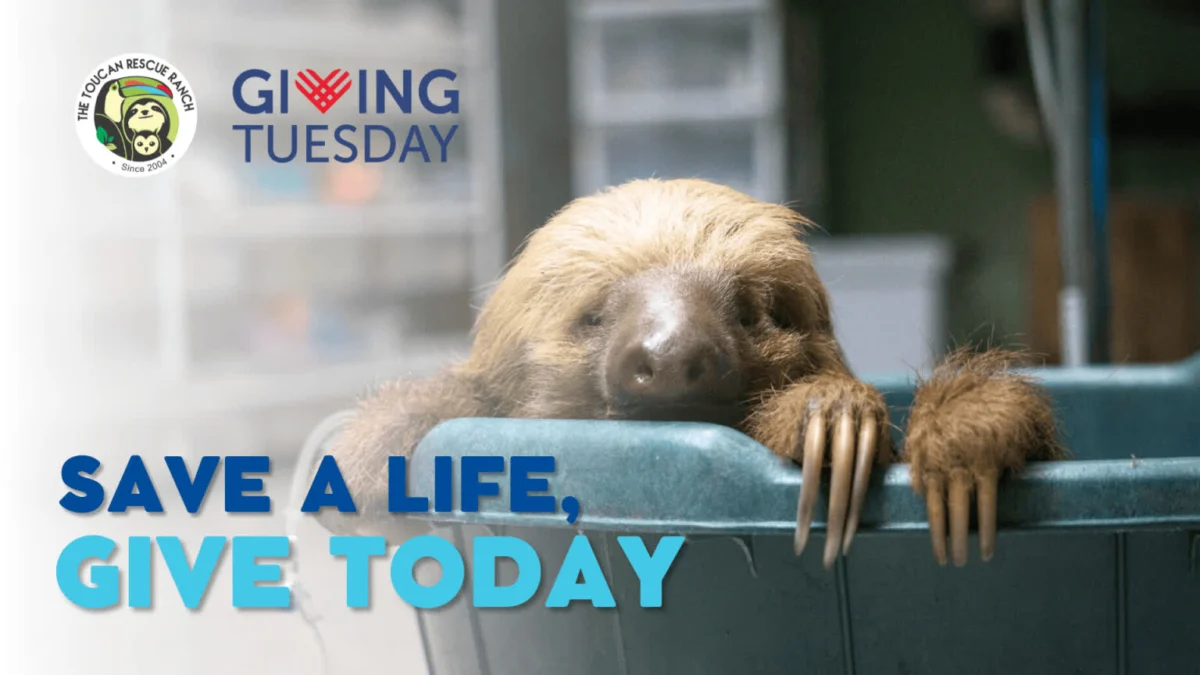
The Toucan Rescue Ranch (TRR), a prominent wildlife rescue and rehabilitation facility located in Costa Rica, has officially launched its annual Giving Tuesday campaign amidst an unprecedented surge in wildlife emergencies. As the organization marks its 20th year of operation, internal data reveals that 2024 is on track to become the most demanding year in its history, with admission rates already surpassing the totals recorded in previous years. This surge in animal arrivals highlights a growing crisis at the intersection of urban expansion and biodiversity conservation in Central America.
Since its inception two decades ago, the Toucan Rescue Ranch has evolved from a small-scale rescue operation into a sophisticated medical and rehabilitation hub for Costa Rica’s native fauna. However, the non-profit organization, which operates almost entirely on private donations, now warns that its resources are being stretched to a breaking point. By July of 2024, the facility had already exceeded the 400-animal intake mark recorded for the entirety of 2023. If current trends persist, the ranch will face a record-breaking volume of cases, necessitating a significant increase in funding to maintain its standards of veterinary care and successful rewilding programs.
A Surge in Wildlife Admissions: Analyzing the 2024 Data
The statistical increase in animal admissions at the Toucan Rescue Ranch is not merely a reflection of expanded outreach, but a symptom of escalating human-wildlife conflict. According to facility reports, 41.8% of the animals currently under their care are classified as orphans. These neonates and juveniles require intensive, round-the-clock attention, specialized dietary formulas, and long-term behavioral training to ensure they do not become habituated to human presence—a process that can take months or even years before an animal is deemed ready for release.
The sharp rise in cases throughout the first half of 2024 has been attributed to several environmental and anthropogenic factors. As Costa Rica continues to develop its infrastructure, the fragmentation of natural habitats has forced wildlife into closer proximity with human settlements. This proximity inevitably leads to a higher frequency of "emergency" encounters, ranging from traumatic injuries to the displacement of young animals. The Toucan Rescue Ranch remains one of the few facilities in the region equipped with the specialized medical technology and expert staff required to handle the diverse needs of species such as sloths, toucans, owls, and various small mammals.
Historical Context: Two Decades of Conservation in Costa Rica
Founded in 2004, the Toucan Rescue Ranch began with a specific focus on the rescue and rehabilitation of toucans and other tropical birds. Over the last 20 years, however, the mission expanded to encompass nearly all species of Costa Rican wildlife. The organization has become a cornerstone of the nation’s conservation efforts, working in tandem with the Ministry of Environment and Energy (MINAE) to provide a sanctuary for animals seized from the illegal pet trade or rescued from life-threatening situations.
The history of the ranch is a testament to the evolving nature of conservation in the 21st century. In its early years, the primary challenges were often related to basic veterinary knowledge of exotic species. Today, the challenges are more systemic. The ranch has had to adapt to a landscape where wildlife must navigate a gauntlet of power lines, high-traffic roads, and domestic predators. This 20-year milestone serves as both a celebration of thousands of successful releases and a sobering reminder of the persistent threats facing the region’s biodiversity.
The Core Drivers of Wildlife Conflict: Urbanization and Infrastructure
The "wildlife emergencies" cited by the Toucan Rescue Ranch are rarely the result of natural causes. Instead, they are predominantly rooted in human activity. Three primary drivers have been identified as the leading causes of injury and death for Costa Rican wildlife:
- Electrocutions: As power lines are installed through forested areas without adequate insulation, arboreal animals like sloths and monkeys frequently mistake the wires for branches. These incidents often result in severe burns, limb loss, or immediate fatality.
- Vehicular Collisions: The expansion of the national road network has carved through critical biological corridors. Slower-moving animals, particularly sloths and anteaters, are highly vulnerable to being struck by vehicles as they attempt to cross these thoroughfares.
- The Illegal Pet Trade: Despite strict environmental laws in Costa Rica, the illegal poaching of birds and mammals for the pet trade remains a persistent issue. Animals rescued from these conditions often suffer from malnutrition, metabolic bone disease, and psychological trauma.
By addressing these issues through rescue and public education, the Toucan Rescue Ranch acts as a critical safety net. However, the cost of treating these complex injuries is substantial, often involving orthopedic surgeries, diagnostic imaging, and long-term physical therapy.
The Challenge of Orphaned Wildlife
The revelation that nearly 42% of the ranch’s current residents are orphans underscores a specific conservation crisis. When a mother sloth or bird is killed by a car or a power line, the offspring is often left stranded. Raising these orphans is a resource-heavy endeavor. Unlike adult rescues that may only need temporary medical stabilization, orphans require a "surrogate" upbringing that mimics their natural environment.
For instance, orphaned sloths must be taught how to climb, which leaves are safe to eat, and how to navigate the canopy. This process, known as "soft-release," involves transitioning the animals to outdoor enclosures where they can acclimate to the sights and sounds of the wild while still receiving supplemental support. The ultimate goal is "rewilding"—ensuring the animal can regain its independence and contribute to the local ecosystem’s genetic diversity.
Giving Tuesday: A Critical Lifeline for Non-Governmental Conservation
Giving Tuesday, celebrated annually on the Tuesday after Thanksgiving in the United States, has become a global movement for charitable giving. For the Toucan Rescue Ranch, this day represents a vital opportunity to secure the funding necessary for the upcoming year. As a donor-funded non-profit, the ranch does not receive consistent government subsidies, making public generosity the primary engine of its operations.
This year, the organization has set a fundraising target of $8,000 to cover immediate medical and operational expenses. While this figure represents only a fraction of the annual operating budget, it is critical for addressing the current surge in admissions. Contributions are used to purchase specialized medical supplies, high-quality nutrition for recovering animals, and to maintain the "Rewilding Sites" where animals take their final steps back into the jungle. Furthermore, for donors in the United States, contributions to the 501(c)(3) organization are tax-deductible, providing an added incentive for international support.
Rewilding: The Science of Returning to the Canopy
The philosophy of the Toucan Rescue Ranch extends beyond mere "rescue." The heart of the mission is rewilding. This is a scientific process that requires rigorous monitoring to ensure that released animals are surviving and thriving. The ranch utilizes a variety of methods to track post-release success, including radio telemetry and GPS collars for certain species.
Successful rewilding has broader implications for the environment. Many of the species treated at the ranch, such as toucans and monkeys, are keystone species that play a vital role in seed dispersal. By returning these animals to the wild, the ranch is effectively helping to regenerate the tropical rainforest. Every animal that is successfully rewilded represents a victory for the ecosystem at large, helping to maintain the delicate balance of Costa Rica’s world-renowned biodiversity.
Broader Impact and Global Implications
Costa Rica holds approximately 5% of the world’s biodiversity despite occupying only 0.03% of the earth’s landmass. The work performed by organizations like the Toucan Rescue Ranch has global significance, as the health of Central American rainforests is inextricably linked to global climate stability and ecological health.
The record-breaking number of admissions in 2024 serves as a "canary in the coal mine" for conservationists. It suggests that as the climate changes and human footprints expand, the pressure on wildlife will only intensify. The Toucan Rescue Ranch’s call for support this Giving Tuesday is more than a plea for charity; it is an invitation for the global community to participate in the active protection of one of the planet’s most vital biological corridors.
As the campaign progresses, the ranch remains committed to its founding purpose: to heal, rehabilitate, and return. Through the continued support of animal lovers and conservationists worldwide, the organization aims to turn the tide on the current wildlife emergency, ensuring that the next 20 years of Costa Rican wildlife are defined not by conflict, but by coexistence and recovery.
