
The Strategic Framework of Wildlife Rehabilitation
The Toucan Rescue Ranch Release Program operates on the principle that rescue is only the first step in a much longer journey toward ecological restoration. When an animal enters the facility—whether it is a keel-billed toucan confiscated from the illegal pet trade or a Hoffman’s two-toed sloth found injured by power lines—it enters a rigorous, multi-stage rehabilitation pipeline.
This pipeline begins with immediate clinical intervention. The TRR medical team, composed of skilled wildlife veterinarians, addresses the acute physical trauma often associated with human-wildlife conflict. Data from wildlife centers across Central America suggests that habitat fragmentation and urbanization are the primary drivers of these intakes. Once stabilized, the focus shifts from survival to "wild-readiness." This involves nutritional stabilization tailored to the specific metabolic needs of the species and behavioral enrichment designed to stimulate natural instincts that may have been suppressed during captivity or injury.
A Chronology of Reintegration: The Path to Freedom
The journey from rescue to release is rarely linear and is governed by strict protocols to ensure the long-term survival of the individual and the safety of the wild population.
- Intake and Stabilization: The animal is quarantined and treated for injuries or illnesses. During this phase, contact with humans is strictly limited to medical necessity to prevent habituation.
- Rehabilitative Conditioning: For avian species, this may involve flight conditioning in large aviaries to rebuild pectoral muscle mass. For mammals, it involves climbing exercises and the introduction of wild-type diets.
- Pre-Release Assessment: This is the most critical juncture. Specialists evaluate whether the candidate possesses the "Big Three" survival traits: the ability to forage or hunt independently, the physical agility to evade predators, and a healthy, instinctive fear of human beings.
- The Soft Release Phase: Unlike a "hard release," where an animal is simply let go into the forest, TRR utilizes a "soft release" methodology. Animals are moved to transitional enclosures at one of the ranch’s two dedicated release sites—spanning 25 and 16 acres respectively. This allows them to acclimate to the local climate, sounds, and scents of the jungle while still having access to supplemental food as they hone their foraging skills.
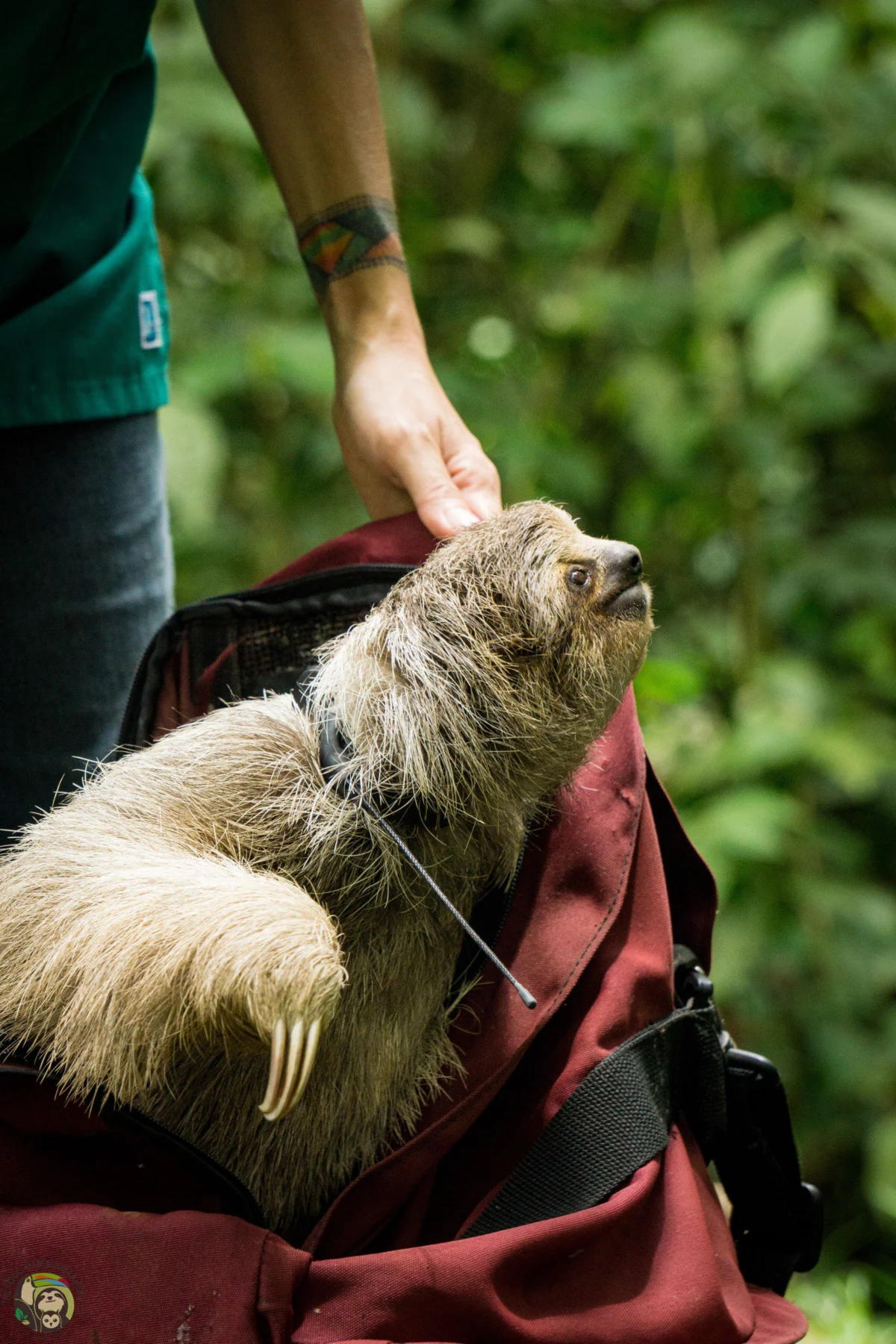
- Post-Release Monitoring: After the doors are opened, the work continues. The program employs field observations and, where possible, tracking technology to monitor the success of the reintegration.
Deciding the Future: Release Candidates vs. Permanent Residents
The ethics of wildlife rehabilitation dictate that not every animal can, or should, be released. The Toucan Rescue Ranch maintains a clear distinction between "release candidates" and "permanent residents."
A release candidate is typically an animal that has retained its wild instincts. For example, the offspring from TRR’s captive breeding program for toucans are prime candidates. Because they are raised with minimal human interaction and mentored by their parents, they possess the innate behaviors required for survival.
Conversely, permanent residents are those for whom the wild would be a death sentence. This includes animals with permanent physical disabilities—such as an owl missing a wing or a primate with neurological damage—as well as "human-imprinted" animals. Imprinting occurs when a young animal identifies humans as its source of food and protection. In the wild, such animals often approach humans, leading to dangerous encounters, recapture into the illegal trade, or starvation because they never learned to hunt. These residents serve a different but vital role: they become "ambassadors" in the ranch’s educational programs, providing a face to the abstract concepts of conservation and the dangers of the pet trade.
Collaborative Conservation and Site Selection
The success of a release is heavily dependent on the environment into which the animal is introduced. Toucan Rescue Ranch does not operate in a vacuum; it works in close coordination with the Ministerio de Ambiente y Energía (MINAE), Costa Rica’s wildlife governing agency. Every release site is vetted to ensure it provides a sustainable habitat with sufficient resources and minimal human encroachment.
Strategic partnerships with organizations like Earth University and the Tirimbina Biological Reserve have expanded the reach of the program. These protected areas offer vast, contiguous corridors of forest that are essential for the genetic health of wildlife populations. By releasing animals into these reserves, TRR helps bolster local populations, ensuring that the ecological roles of these species—such as seed dispersal by toucans or insect control by bats—continue to function.
The ranch’s own release sites in San Josecito, Heredia, provide a controlled environment for the delicate transition of "soft release." The presence of an on-site intern house ensures that the animals are under 24-hour surveillance during their most vulnerable period, allowing for immediate intervention if an animal fails to adapt.
Supporting Data and Ecological Implications
While the primary goal of the program is the welfare of the individual animal, the broader implications are rooted in island biogeography and conservation biology. Costa Rica holds nearly 6% of the world’s biodiversity. As urban centers expand, wildlife populations become isolated in "islands" of forest. The TRR Release Program acts as a bridge, reintroducing genetically diverse individuals back into these isolated pockets.
Data from the illegal wildlife trade indicates that psittacines (parrots) and toucans are among the most trafficked birds in Latin America. By successfully rehabilitating and releasing these birds, TRR directly mitigates the impact of poaching. Furthermore, the program’s focus on monitoring provides valuable data to the scientific community regarding the home ranges and survival rates of rehabilitated species—data that is often scarce in tropical biology.
Official Responses and Community Integration
Representatives from Costa Rican environmental agencies have frequently noted that NGOs like Toucan Rescue Ranch provide a service that the state often lacks the resources to manage alone. The collaborative nature of the program ensures that it aligns with national conservation strategies, such as the "Paso de la Danta" biological corridor initiatives.
The program also fosters a sense of stewardship within the local community. By sharing success stories of animals returning to the trees, TRR shifts the public perception of wildlife from "pets" or "pests" to vital components of a healthy ecosystem. The "Back in the Trees" movement has gained traction on social media, using the stories of individual animals like "Luna" or "Eclipse" to raise global awareness and funding.
Analysis of Long-term Impact
The Toucan Rescue Ranch Release Program represents a shift toward more professionalized, science-based wildlife management in Central America. The challenges remain significant: climate change is altering the fruiting cycles of trees, and infrastructure development continues to pose risks to arboreal mammals. However, the ranch’s commitment to post-release monitoring and habitat preservation offers a blueprint for how rescue centers can contribute to large-scale conservation.
The implications of this work extend beyond the borders of Costa Rica. As a model for "One Health"—the idea that human, animal, and environmental health are inextricably linked—the rehabilitation of apex predators and key seed dispersers ensures that the forests remain resilient. This resilience is the world’s best defense against climate change and future zoonotic disease outbreaks.
Conclusion and Call to Action
The Toucan Rescue Ranch continues to expand its facilities and its scientific protocols. The program’s success is fueled by a combination of professional expertise and public support. Contributions to the ranch are directed toward the high costs of specialized medical equipment, the construction of pre-release enclosures, and the labor-intensive process of tracking animals in the field.
As the organization looks to the future, its mission remains clear: to ensure that the "wild" remains wild. By giving wildlife a second chance, the Toucan Rescue Ranch is not just saving individual lives; it is preserving the biological heritage of the planet for generations to come. Through volunteerism, advocacy, and donation, the global community is invited to join this mission, ensuring that the call of the toucan and the slow movement of the sloth remain permanent fixtures of the Costa Rican canopy.
