
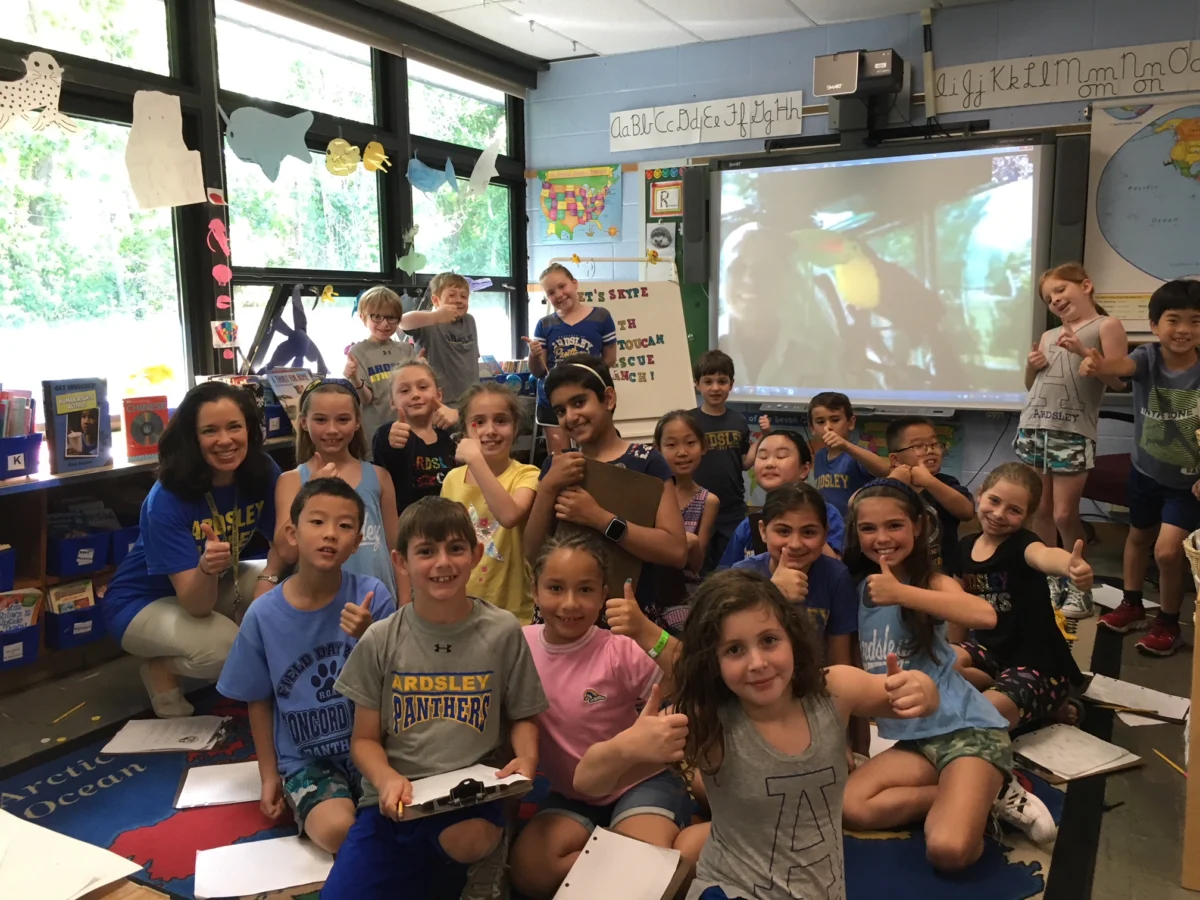
The Toucan Rescue Ranch, a prominent wildlife rescue and rehabilitation center based in Costa Rica, has officially expanded its multi-tiered Education Program, marking a significant milestone in its mission to bridge the gap between clinical wildlife rehabilitation and global environmental advocacy. This comprehensive initiative, which integrates onsite sanctuary tours, tailored school curricula, and cutting-edge virtual field trips, aims to transform the way the public perceives and interacts with neotropical biodiversity. By moving beyond the immediate needs of medical intervention for injured animals, the ranch is positioning education as a proactive tool for long-term conservation, seeking to mitigate the human-wildlife conflicts that necessitate rescue operations in the first place.
A Multi-Faceted Approach to Conservation Education
The Toucan Rescue Ranch (TRR) has long been recognized for its work with toucans, sloths, owls, and other iconic Costa Rican species. However, the organization’s leadership has identified that rescue and release are only one part of a complex ecological puzzle. The Education Program serves as the foundation for a broader strategy of environmental stewardship. By offering interactive learning experiences, the ranch provides participants of all ages with a window into the delicate balance of rainforest ecosystems.
Onsite, the program is characterized by guided tours that prioritize the welfare of the animals while maximizing the educational value for visitors. Unlike traditional zoos, the sanctuary focuses on the narratives of individual animals—many of whom are victims of the illegal pet trade, habitat loss, or accidents involving power lines and vehicle strikes. These tours are designed to be immersive, allowing visitors to observe animal behaviors and habitats while learning about the specific challenges facing wildlife in a rapidly developing landscape.
Tailored Curricula for the Next Generation of Scientists
Recognizing that systemic change begins in the classroom, the Toucan Rescue Ranch has developed specialized programs for schools and community organizations. These sessions are not generic presentations; they are carefully aligned with international curriculum standards, ensuring that they provide tangible value to educators. The topics covered range from the physiological adaptations of rainforest species to the complex socioeconomic factors that drive deforestation and habitat fragmentation.
By bringing specialized expertise into academic settings, the ranch aims to inspire a new generation of environmental stewards. These programs emphasize the importance of habitat preservation and the role of "citizen science" in monitoring local wildlife populations. For many students, particularly those in urban environments, these sessions represent their first meaningful contact with the principles of conservation biology, often sparking a lifelong interest in the natural sciences.
Virtual Frontiers: Breaking Geographical Barriers
In an era of increasing globalization and digital connectivity, the Toucan Rescue Ranch has successfully pivoted to include virtual learning as a core component of its outreach. This evolution was accelerated by the global shifts in travel and education over the last several years, leading to a robust platform for online workshops and digital field trips. These virtual sessions allow the ranch to reach an international audience, bringing the sights and sounds of the Costa Rican rainforest to classrooms and homes thousands of miles away.
The virtual program is designed to be highly interactive, utilizing high-definition video and real-time communication to foster a sense of presence. Participants can ask questions of experts, view live feeds of animals in rehabilitation, and gain insights into the daily operations of a world-class rescue facility. This democratization of access ensures that the message of conservation is not limited by geography or the financial ability to travel to Central America.
Strategic Partnership with Exploring By The Seat Of Your Pants
A cornerstone of the ranch’s recent educational expansion is its strategic partnership with "Exploring By The Seat Of Your Pants" (EBTSOYP). Founded in 2015 by National Geographic Explorer Joe Grabowski, EBTSOYP is a non-profit organization dedicated to bringing science, adventure, and conservation into classrooms through virtual speakers and field trips. Since its inception, EBTSOYP has hosted over 1,000 live events, connecting hundreds of thousands of students across 60 countries with the world’s leading scientists and explorers.
Through this partnership, the Toucan Rescue Ranch offers monthly virtual visits specifically tailored for North American classrooms. These 40-minute sessions focus heavily on the "Saving Sloths Together" program—a collaborative initiative between TRR and The Sloth Institute Costa Rica. Led by knowledgeable guides, these sessions provide students with an in-depth look at sloth biology, the rehabilitation process, and the eventual release of these animals back into the wild. Each session concludes with a live Q&A, providing a rare opportunity for students to engage directly with conservationists on the front lines.
To further encourage classroom participation and support, the program offers a "donation certificate" for classes that contribute $25.00 or more to the ranch. This initiative not only helps fund the care of the animals but also gives students a sense of agency and tangible involvement in international conservation efforts.
Chronology of Educational Growth at Toucan Rescue Ranch
The trajectory of the Toucan Rescue Ranch’s educational efforts reflects a broader trend in the conservation world toward public engagement.
- 2004: Leslie Howle and Jorge Murillo found the Toucan Rescue Ranch as a rescue facility focused primarily on toucans.
- 2007-2012: The ranch expands its scope to include sloths and other mammals, noticing a growing need for public education regarding human-wildlife conflict.
- 2015: "Exploring By The Seat Of Your Pants" is launched, creating a new infrastructure for global classroom connectivity.
- 2017: TRR formalizes its "Saving Sloths Together" program, highlighting the need for specialized education regarding the rehabilitation of orphaned and injured sloths.
- 2020: The COVID-19 pandemic prompts a rapid expansion of virtual tour capabilities as physical tourism halts.
- 2024: The partnership with EBTSOYP reaches new heights, with regular monthly programming and a standardized curriculum for international schools.
Supporting Data: The Biological and Economic Context
The necessity of such educational programs is underscored by the current state of biodiversity in Costa Rica. While the country is world-renowned for its environmental policies, it faces significant challenges. Costa Rica occupies only 0.03% of the earth’s landmass but contains nearly 6% of the world’s biodiversity. This high density of life means that human expansion has an outsized impact on local species.
According to data from the Ministry of Environment and Energy (MINAE), hundreds of animals are displaced or injured annually due to urban encroachment. Electrocution from uninsulated power lines is a leading cause of injury for arboreal mammals like sloths and monkeys. The Toucan Rescue Ranch’s education program directly addresses these issues by teaching local and international audiences about the importance of wildlife bridges and responsible urban planning.
Furthermore, the economic impact of "educational tourism" is significant. By providing a structured educational product, TRR contributes to the sustainable tourism model that accounts for nearly 8% of Costa Rica’s GDP. The transition to virtual education also represents a sustainable revenue stream that does not rely on the physical presence of visitors, thereby reducing the facility’s carbon footprint and minimizing stress on the animals.
Official Perspectives on Program Impact
While official statements from the ranch emphasize the joy of connecting with animals, the underlying tone is one of urgent necessity. Educational coordinators at the ranch have noted that the "sloth sessions" are among the most popular, serving as a "gateway species" to teach broader ecological concepts.
"The goal is to turn curiosity into advocacy," says the ranch’s educational team. "When a student in New York or London sees a sloth that has been rescued from a power line, the concept of habitat loss becomes personal. They stop seeing conservation as an abstract scientific concept and start seeing it as a series of actionable choices."
Joe Grabowski, founder of EBTSOYP, has frequently highlighted the importance of these live connections. He asserts that by removing the barriers of cost and geography, virtual field trips can inspire a much more diverse group of future scientists than traditional methods.
Broader Impact and Environmental Stewardship
The long-term implications of the Toucan Rescue Ranch’s Education Program extend far beyond the immediate survival of the animals in their care. By fostering environmental stewardship, the program is effectively building a global network of informed advocates. These individuals are more likely to support conservation legislation, donate to environmental causes, and make sustainable consumer choices.
In the local context, the program’s influence is seen in the increased community involvement in wildlife protection. Residents who have participated in the ranch’s workshops are more likely to report injured wildlife correctly and take measures to make their properties wildlife-friendly.
In the global context, the partnership with EBTSOYP and the emphasis on virtual learning represent a shift toward a more inclusive and technologically integrated form of conservation. It acknowledges that the fate of the rainforest is not just the responsibility of those who live within it, but a collective responsibility of a global population.
As the Toucan Rescue Ranch continues to refine its educational offerings, the focus remains on the future. Through the combination of rescue, rehabilitation, and robust education, the organization is not just saving individual animals—it is working to ensure that the rainforests of Costa Rica remain a vibrant, biodiverse reality for generations to come. Whether through a guided walk in the San José de la Montaña sanctuary or a 40-minute Zoom call in a North American classroom, the impact of these programs is a testament to the power of knowledge in the fight against extinction.
