
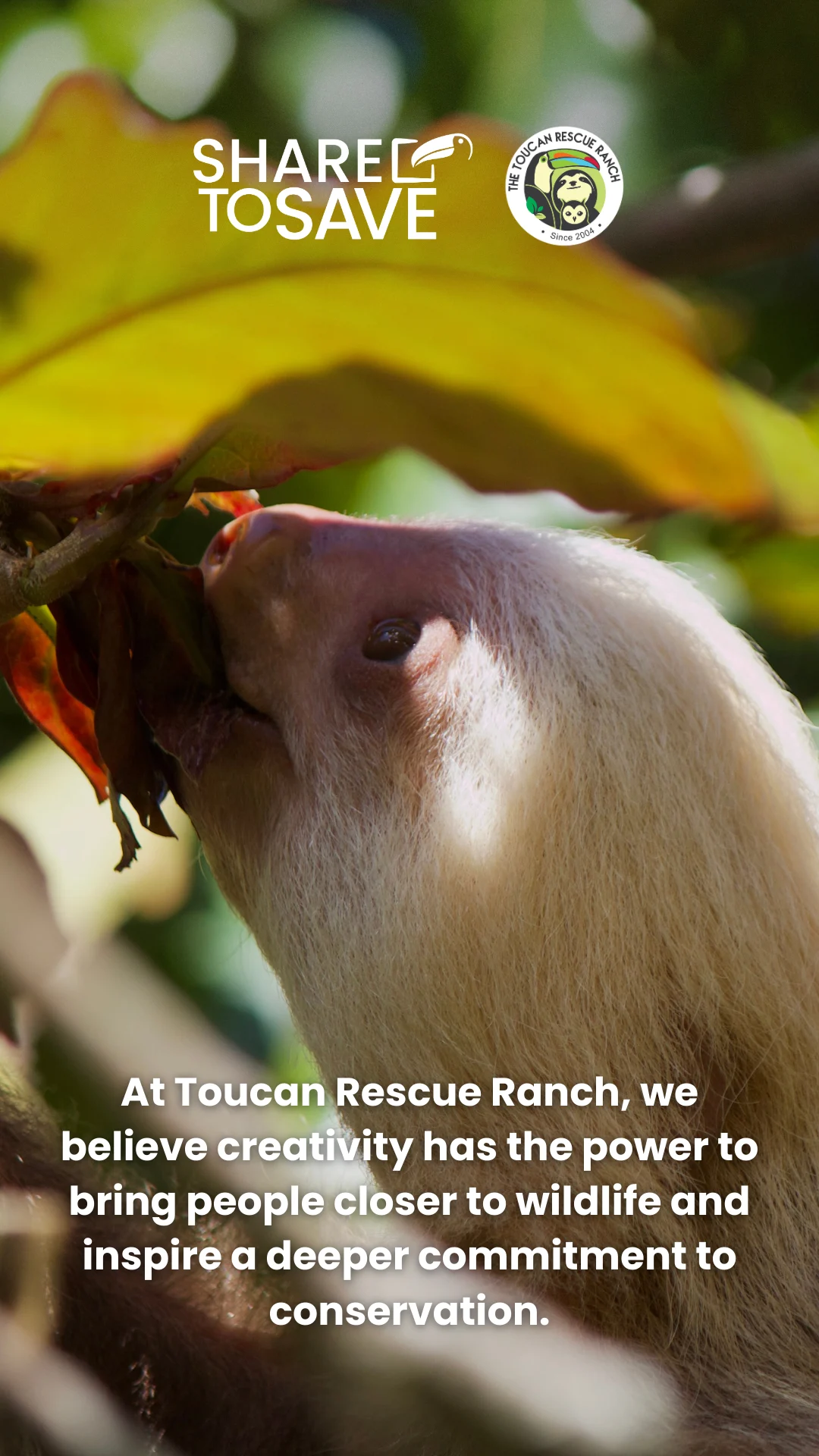
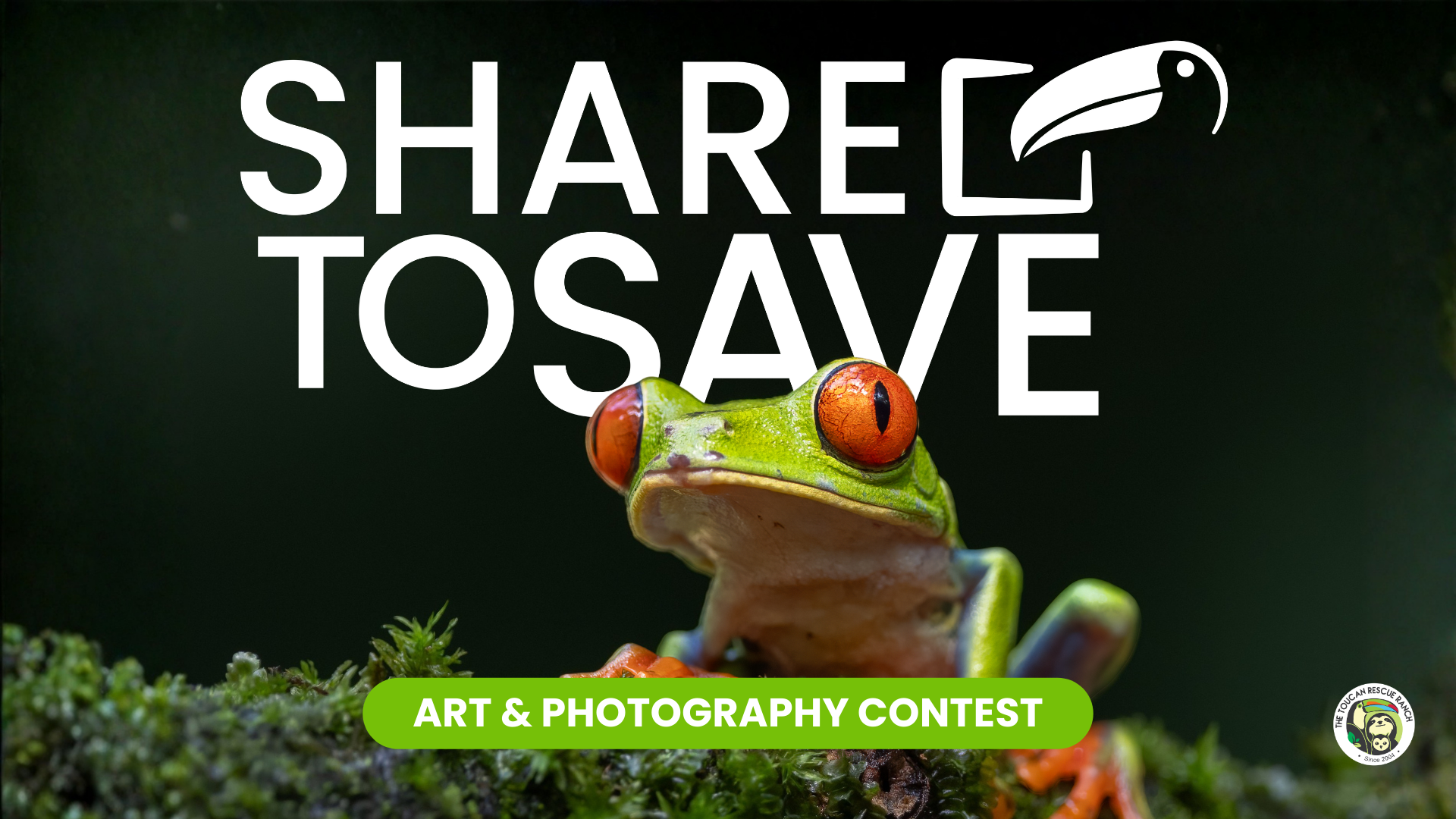
The Toucan Rescue Ranch (TRR), a leading wildlife rescue and rehabilitation center based in Costa Rica, has officially unveiled its "Share to Save" initiative, marking a significant evolution in its long-standing efforts to integrate the arts with environmental preservation. Formerly known through various social media campaigns such as #TRRShareYourShot, #CallForArtists, and #TunesForToucans, the program has been consolidated under the "Share to Save" banner to better reflect its core mission: providing a second chance for Costa Rica’s diverse and often endangered wildlife through global creative collaboration.
This strategic rebranding follows five years of successful community engagement, during which photographers, painters, and digital artists have contributed their talents to raise awareness and critical funding for animal care. The 2026 theme, "Creatives for Conservation," invites artists from all backgrounds to submit visual works inspired by the natural world. The initiative serves as both a fundraising platform and a cultural bridge, culminating in a live gallery exhibition in Costa Rica where selected works will be displayed to tell the stories of rescued animals and the conservationists dedicated to their survival.
A Legacy of Creative Advocacy and Organizational Evolution
The transition to "Share to Save" represents a maturation of the Toucan Rescue Ranch’s outreach strategy. What began as a series of disparate social media challenges has transformed into a structured, global movement. For half a decade, the organization has leveraged the emotional resonance of visual storytelling to connect an international audience with the localized realities of Central American conservation. By unifying these efforts, TRR aims to streamline its fundraising capabilities while offering a more cohesive identity for its supporters.
The "Creatives for Conservation" theme is designed to be inclusive, welcoming photography, digital design, and traditional fine arts. A unique aspect of this year’s program is the localized production of the exhibition. To minimize the carbon footprint and logistical hurdles of international shipping, all selected pieces will be printed within Costa Rica. This allows artists from any continent to participate without the burden of transport costs, while ensuring they retain full ownership of their intellectual property. This model emphasizes the "Share" aspect of the initiative—sharing vision and talent to "Save" biological heritage.
The Economic Realities of Wildlife Conservation in Costa Rica
The necessity of the "Share to Save" program is underscored by the stark financial challenges facing private wildlife centers in the region. According to data provided by the Toucan Rescue Ranch, more than 500 animals arrive at the facility annually. These patients are often victims of habitat loss, orphaning, illegal pet trade, or traumatic injuries resulting from human-wildlife conflict, such as power line electrocutions and vehicle strikes.
The operational costs to maintain the Rescue Center, Sanctuary, and Release Site exceed $50,000 per month. This $600,000 annual requirement covers specialized veterinary equipment, high-quality nutrition tailored to specific species, the maintenance of secure enclosures, and the labor-intensive process of rehabilitation. Unlike many public institutions, wildlife rescue centers in Costa Rica do not receive government funding. They operate as non-profit entities that rely entirely on the philanthropy of donors and the success of initiatives like "Share to Save."
The lack of state-sponsored financial support places a heavy burden on private organizations to innovate in their fundraising. The "Share to Save" initiative addresses this by gamifying the donation process through a public voting system. Each dollar donated constitutes one vote for a chosen art piece, effectively turning a competitive art contest into a micro-donation engine. This democratized approach allows individuals to contribute at a level they find comfortable while participating in the selection of the gallery’s featured works.
Spotlight on Global Contributions: The Artists of 2026
The current pool of participants demonstrates the international reach of the initiative, with contributors hailing from various artistic disciplines and geographic locations. These artists use their work to highlight specific conservation issues, ranging from the plight of pollinators to the majesty of apex predators.
Cibele Manfredini’s "Coexist" and Francesca Larrain’s "Manta" focus on the delicate balance between humans and the environment. Manfredini’s work is driven by the philosophy that "the more we know, the more we love," suggesting that education through art is a prerequisite for conservation action. Similarly, Felix Hinsch’s "Unexpected Visitor" captures the intimacy of a healthy sloth encounter in the wild, emphasizing the importance of preserving natural habitats so that such interactions remain possible.
The diversity of mediums is further exemplified by Mike Toppe, whose hand-sculpted and painted "Golden Lion Marmoset" brings a tactile dimension to the collection. The inclusion of species like the marmoset, which face severe threats from habitat fragmentation, highlights the educational role of the contest. Other notable submissions include "Highlands" by Darren James Sturrock, which celebrates Costa Rica’s orchid species, and "Breathe" by Tom Halligan, a photographic study of a spotted dolphin off the Guanacaste coast. Each piece serves as a visual testimony to the biodiversity that the Toucan Rescue Ranch fights to protect.
The Path from Rescue to Release: Operational Impacts
The funds raised through "Share to Save" are directly allocated to the various stages of the rehabilitation cycle. The Toucan Rescue Ranch emphasizes that their mission goes "beyond survival." The ultimate goal for the majority of patients is "rewilding"—the process of returning a rehabilitated animal to its natural environment.
This process is scientifically rigorous and resource-heavy. For instance, orphaned sloths, like the juvenile "Bonnie" featured in Michaela Schwenk’s submission "Becoming Wild," require years of care to learn the skills their mothers would have taught them in the canopy. This includes identifying safe foliage, navigating heights, and developing the necessary physical strength for survival. The "Share to Save" contributions facilitate the construction of "pre-release" enclosures where animals can practice these skills in a controlled yet natural setting before their final release.
For animals that cannot be returned to the wild due to permanent disabilities, the funds support the Sanctuary branch of the ranch. These permanent residents act as ambassadors for their species, helping to educate the public about the specific threats facing wildlife in the 21st century.
Broader Implications for Environmental Advocacy
The "Share to Save" initiative arrives at a critical juncture for global biodiversity. Costa Rica, despite its small landmass, holds nearly 5% of the world’s species. The success of private conservation efforts in this "biological bridge" has implications for regional and global ecological health. By engaging the creative community, TRR is tapping into "conservation psychology," a field that suggests people are more likely to support environmental causes when they feel an emotional or aesthetic connection to the subject matter.
Furthermore, the initiative’s focus on tax-deductible contributions makes it an attractive option for international donors, particularly those in the United States and other regions with established philanthropic incentives. By framing wildlife support through the lens of a global art competition, the Toucan Rescue Ranch is effectively bypassing traditional donor fatigue and reaching new demographics of supporters who may not have previously engaged with Central American conservation.
Chronology of the 2026 Initiative
The "Share to Save" program follows a structured timeline designed to maximize engagement and transparency:
- Submission Phase: Creatives worldwide submit their work via the official TRR portal, ensuring all metadata and artist inspirations are recorded to provide context for the voters.
- Public Voting and Fundraising: The voting period opens, allowing the public to support their favorite pieces through donations. This phase is critical for meeting the $50,000 monthly operational goal.
- Selection and Local Production: A panel of judges and the results of the public vote determine which pieces will be featured in the live gallery. These works are then printed and framed by local Costa Rican businesses.
- Live Gallery Exhibition: The exhibition serves as a focal point for local tourism and community engagement, bringing together artists, donors, and conservationists.
- Direct Impact Reporting: Following the exhibition, TRR provides updates on how the funds were utilized, often highlighting specific animals that received surgeries or were successfully released during the campaign period.
Conclusion: Art as a Tool for Biological Resilience
The "Share to Save" initiative is more than a contest; it is a testament to the power of interdisciplinary collaboration in the face of environmental crisis. By rebranding and expanding this program, the Toucan Rescue Ranch has created a sustainable model for non-governmental conservation funding. As the "Creatives for Conservation" continue to share their visions of the natural world, they provide the financial and emotional fuel necessary to ensure that Costa Rica’s wildlife continues to thrive. Through the simple act of sharing a "shot," a painting, or a design, a global community is ensuring that hundreds of animals receive the second chance they deserve.
