
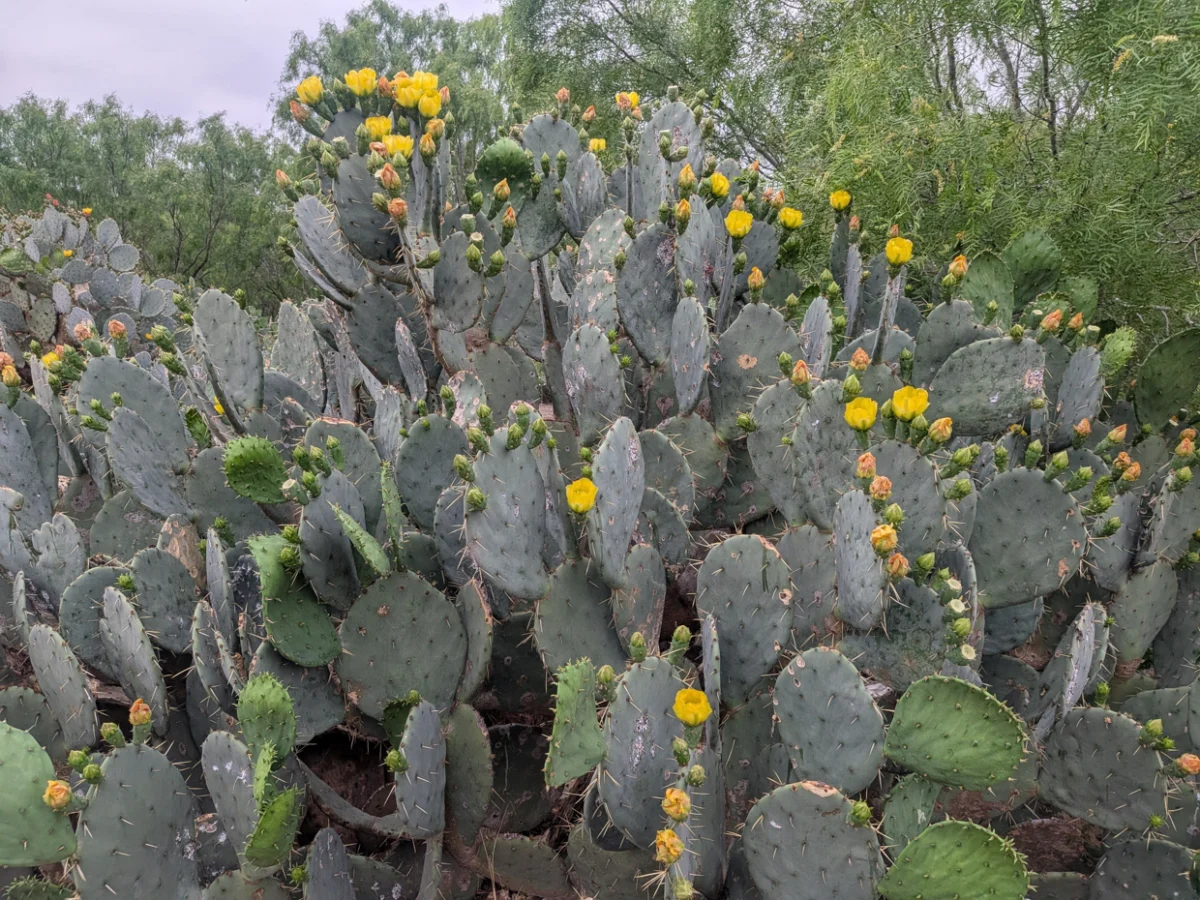
The 2026 spring migration season in Texas has once again proven to be a critical window for North American biodiversity, according to recent field data collected during an intensive seven-day survey spanning the state’s diverse ecological regions. From the rugged juniper-oak forests of the Edwards Plateau to the expansive salt marshes and deciduous woodlots of the Upper Texas Coast, observers documented a total of 229 bird species. This survey, which tracked the movement of Neotropical migrants and established residents, provides a snapshot of the health of the Central Flyway, a primary migratory corridor for millions of birds traveling from Central and South America to their northern breeding grounds.
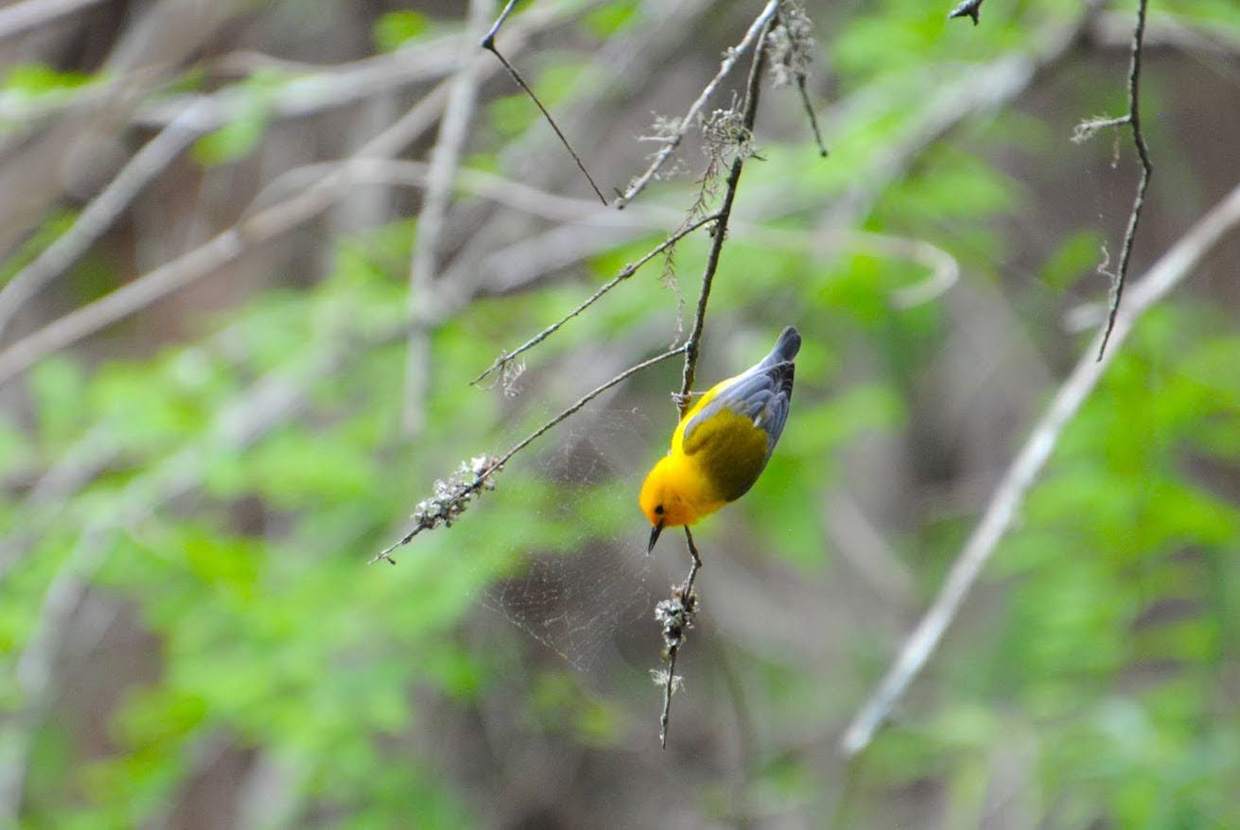
The survey highlighted the continued importance of Texas as a "geographic crossroads" where eastern and western avian species overlap. In addition to the bird counts, researchers and field observers noted the presence of nine reptile species, five amphibians, and nine mammals, underscoring the broader ecological vitality of the Texas corridor. The data collected reflects both the resilience of certain endangered species and the ongoing challenges posed by habitat fragmentation and climate-driven weather patterns.
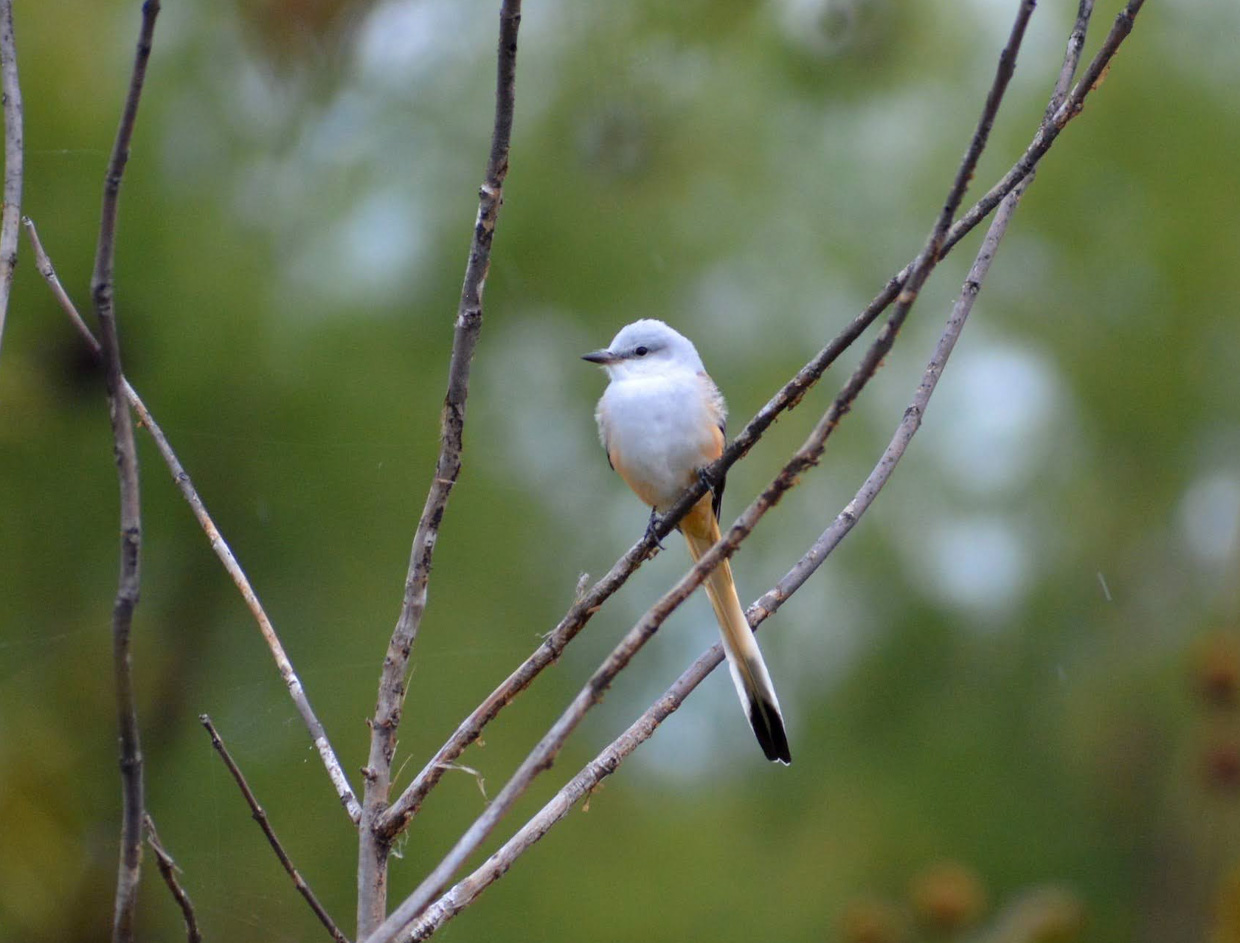
Chronology of the 2026 Migration Survey
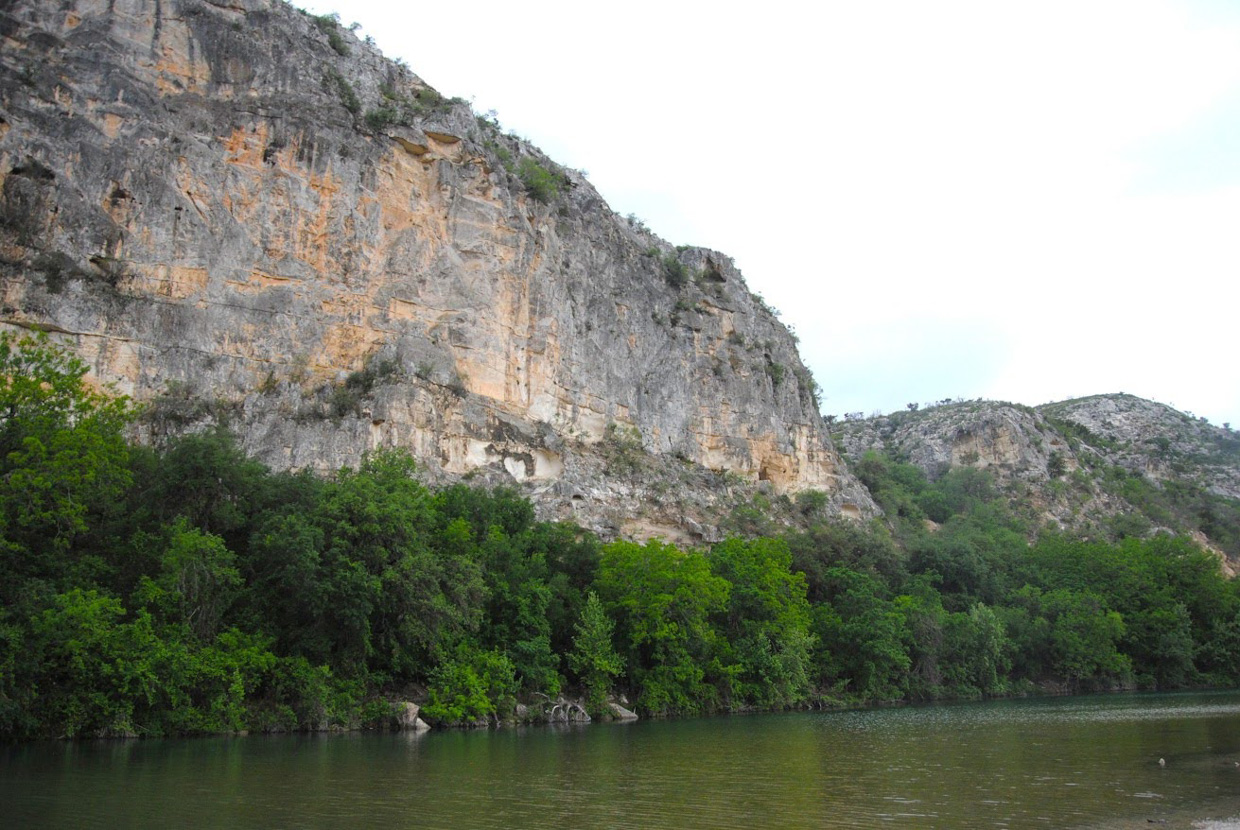
The expedition commenced in San Antonio before moving westward into the Texas Hill Country, specifically the Concan region. This area serves as a primary nesting ground for several high-priority conservation species. The first two days were dedicated to the Edwards Plateau, an uplifted region characterized by karst topography and specialized vegetation.
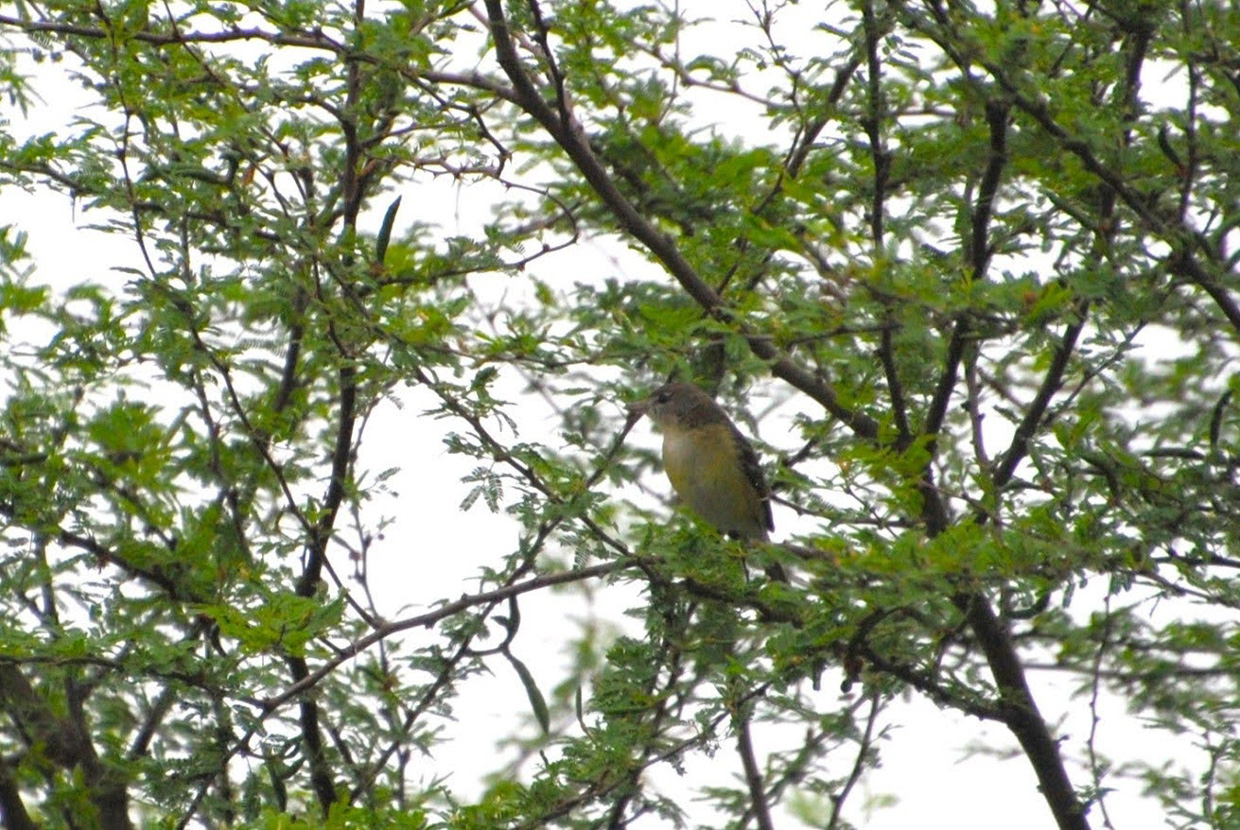
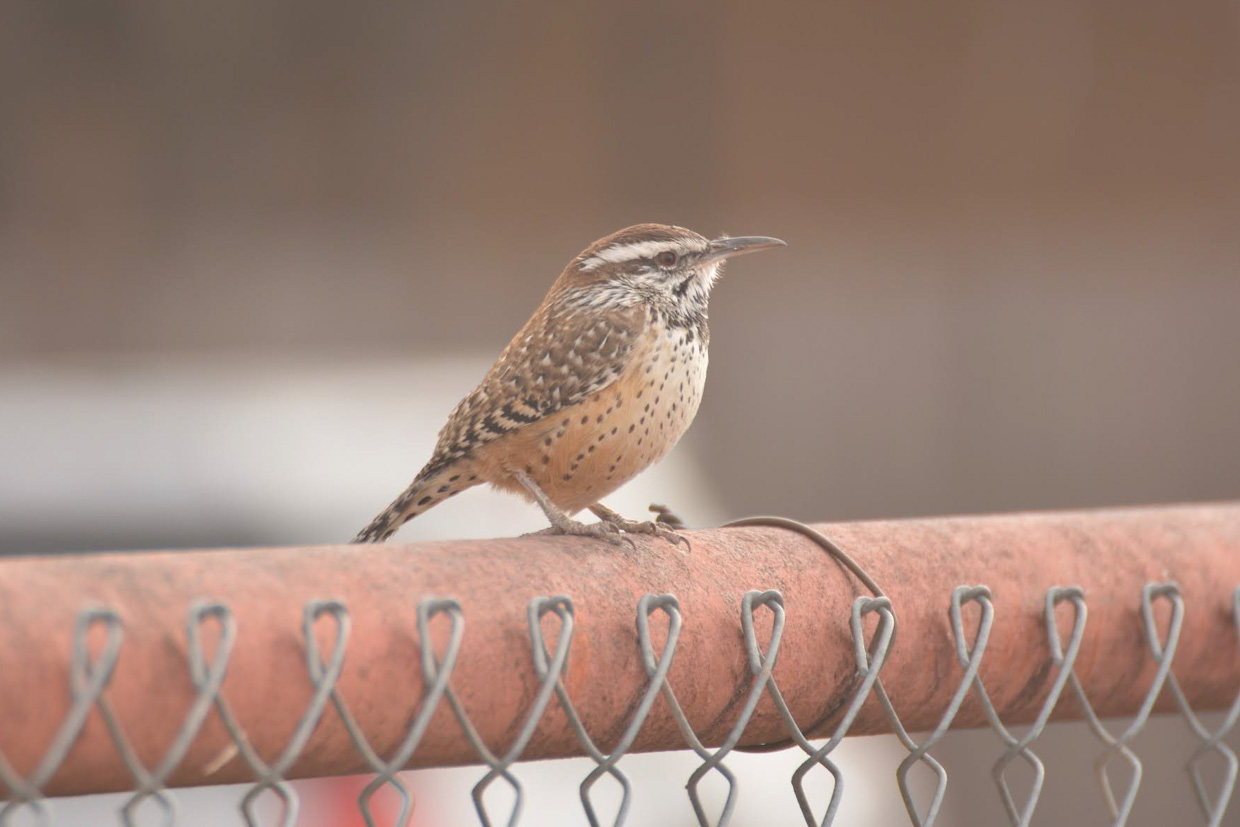
On Day 1, the survey team focused on the scrublands and riparian corridors of the Nueces River. Observations at Cook’s Slough Sanctuary near Uvalde revealed a robust presence of "yellow flycatchers," including the Great Kiskadee and Couch’s Kingbird. A notable sighting included a bold male Bell’s Vireo, a species often recognized for its secretive nature. At Chalk Bluff River Park, the team documented the coexistence of Belted and Green Kingfishers, while the limestone bluffs provided habitat for Canyon Wrens and nesting Common Ravens. The day concluded with the observation of a Tropical Parula, a species whose range barely extends into the United States, signifying the subtropical influence on the region’s biodiversity.
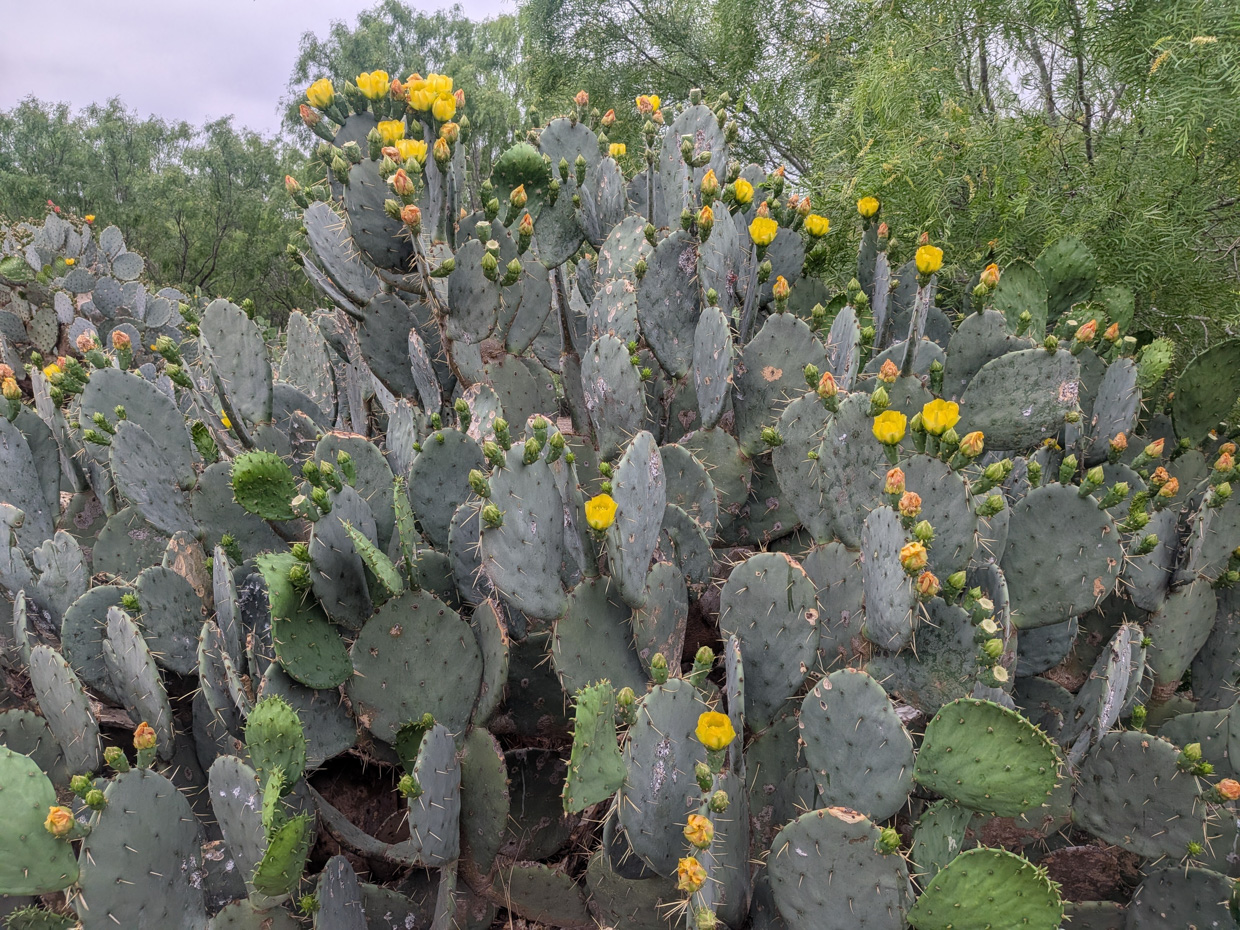
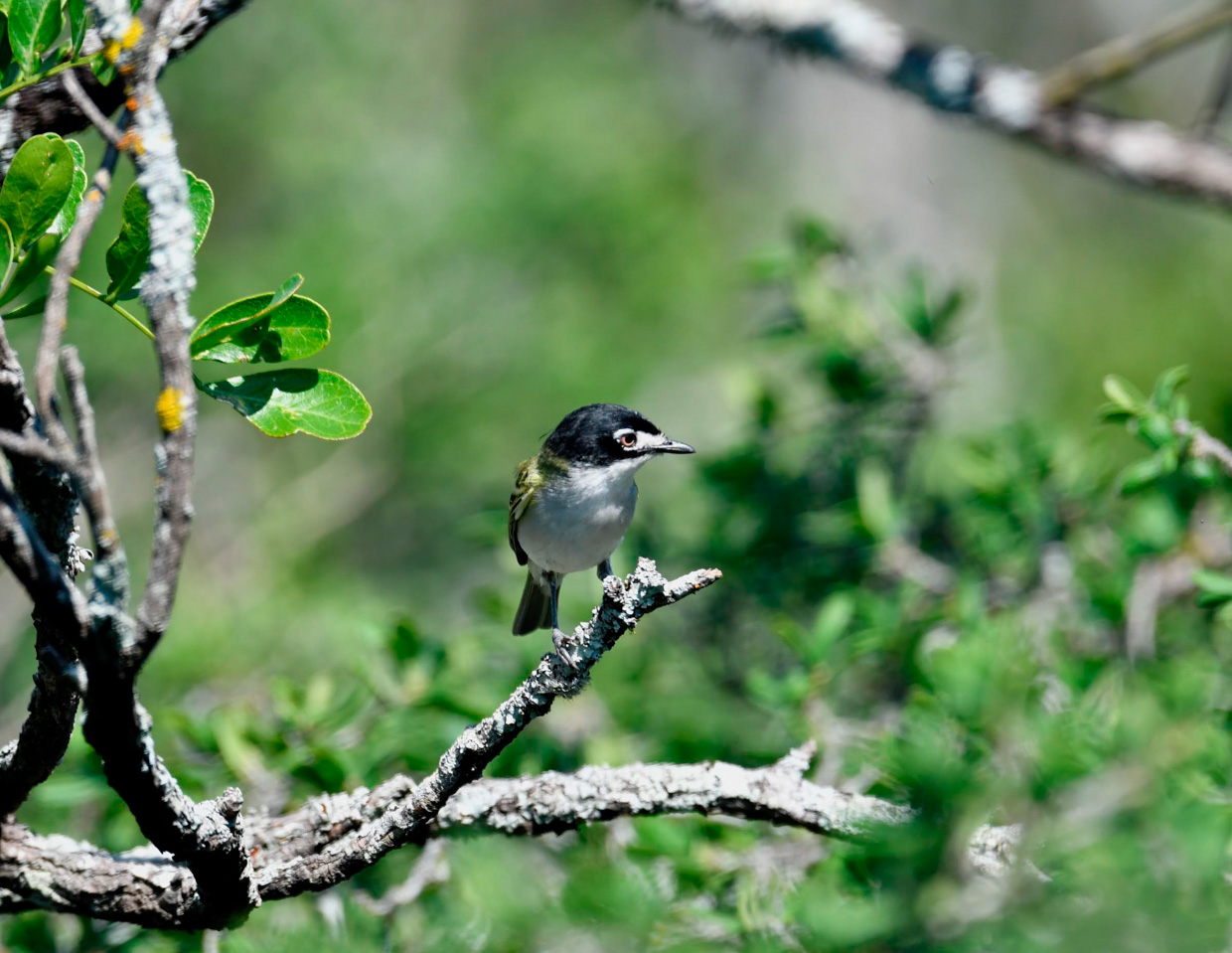
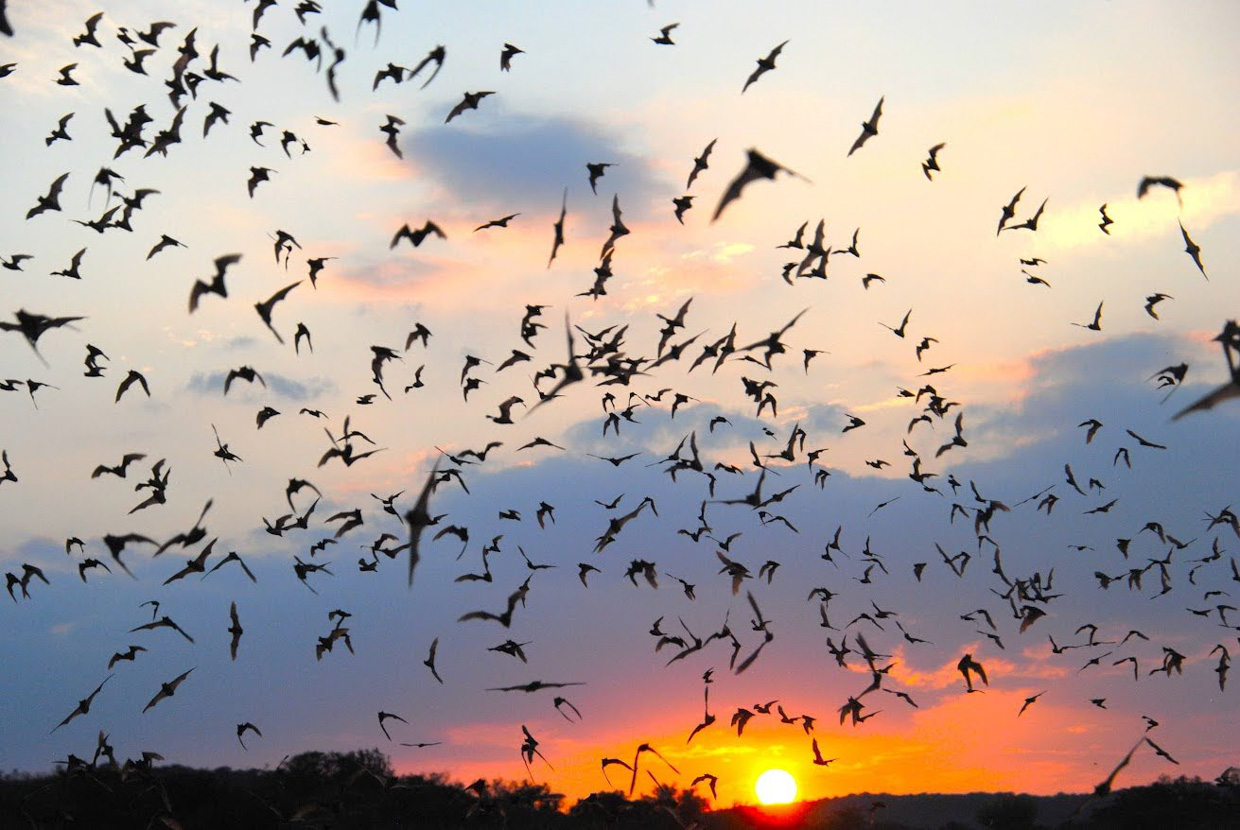
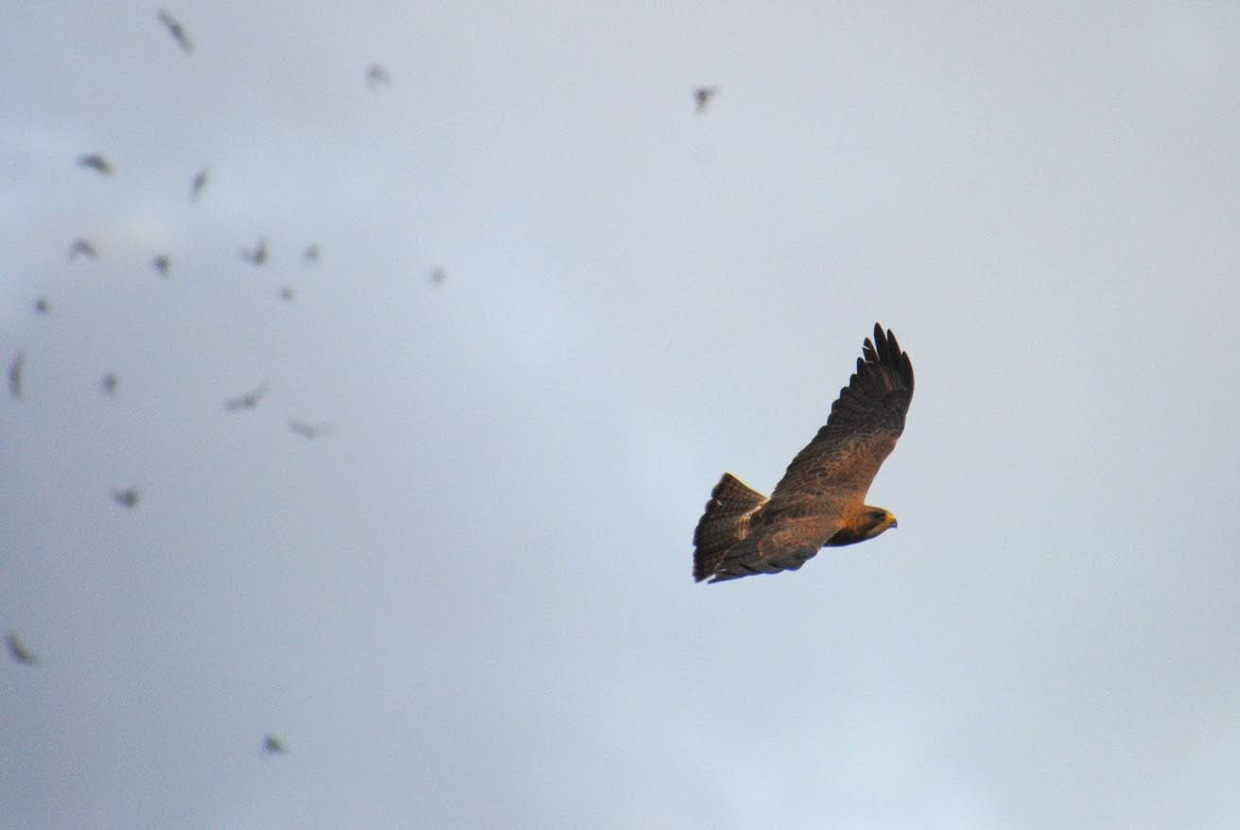
Day 2 shifted focus to the Lost Maples State Natural Area, a site of international significance for the breeding of the Golden-cheeked Warbler and the Black-capped Vireo. Both species have historically faced threats from habitat loss and nest parasitism by Brown-headed Cowbirds. The survey confirmed the presence of nest-building pairs of Black-capped Vireos, a positive indicator for the species’ local reproductive success. The evening featured a visit to the Frio Bat Cave, where millions of Mexican Free-tailed Bats emerged in a massive exodus. This event is not only a biological marvel but an ecological necessity, as these bats provide essential pest control services for the surrounding agricultural lands.
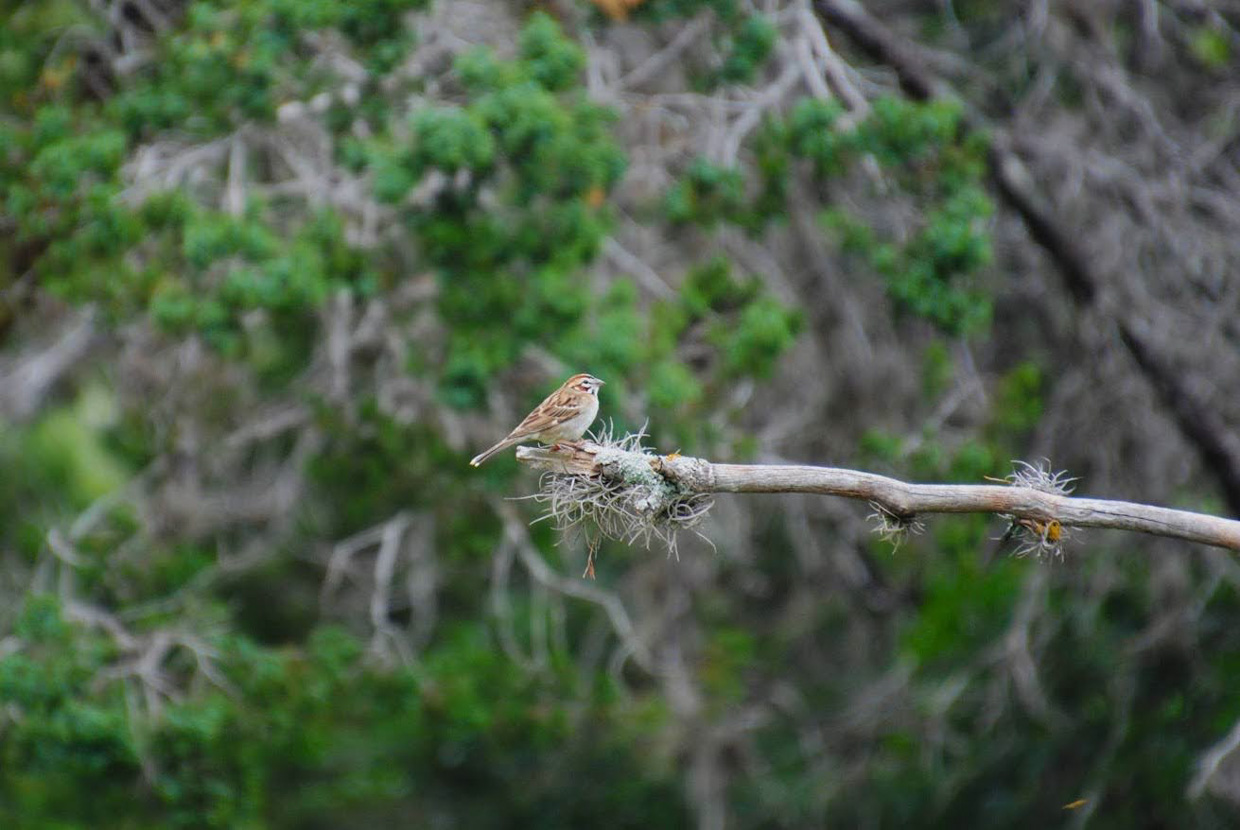
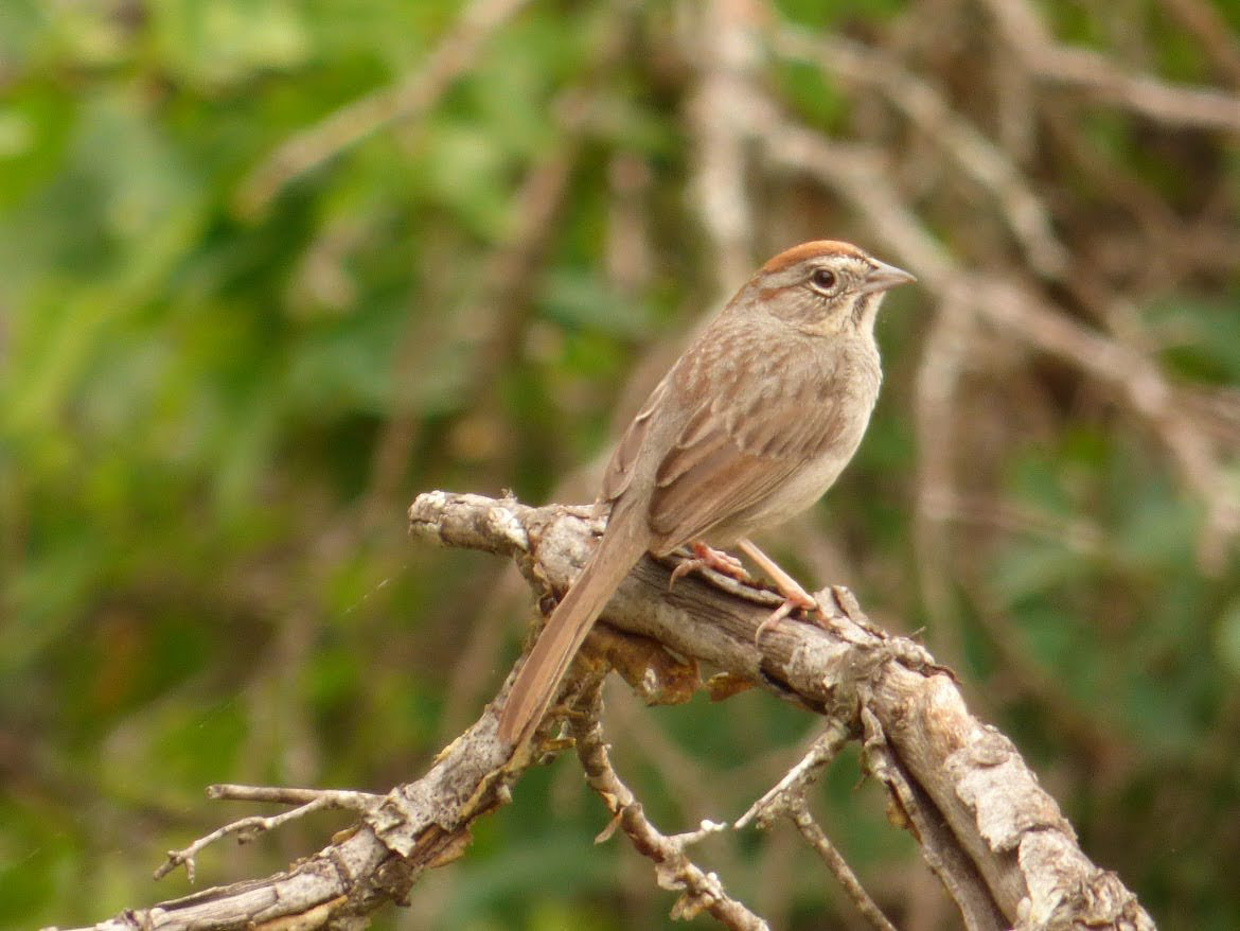
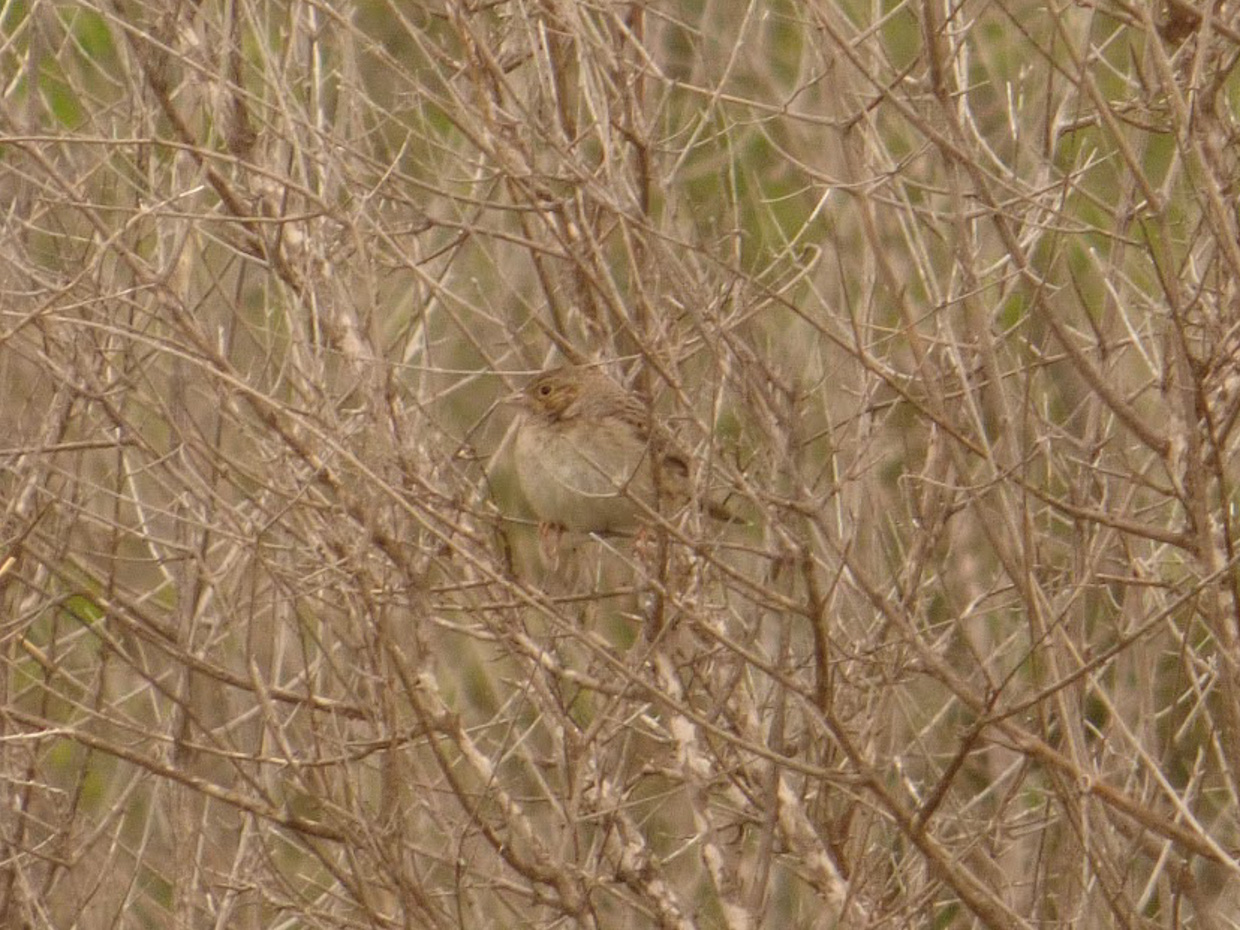
The mid-point of the survey involved a transition from the arid west to the humid east. Day 3 was characterized by a long-distance trek to the Upper Texas Coast, with stops in shrubby grasslands to document the Cassin’s Sparrow, a localized species with a range largely restricted to the southwestern U.S. and northern Mexico.
The Coastal Surge: High Island and Beyond
The latter half of the survey, spanning Days 4 through 7, took place in the birding hotspots of High Island, the Sabine Woods, and the Bolivar Flats. This region is world-renowned among ornithologists for "fallouts"—meteorological events where exhausted migratory birds descend in massive numbers upon reaching the first available land after crossing the Gulf of Mexico.
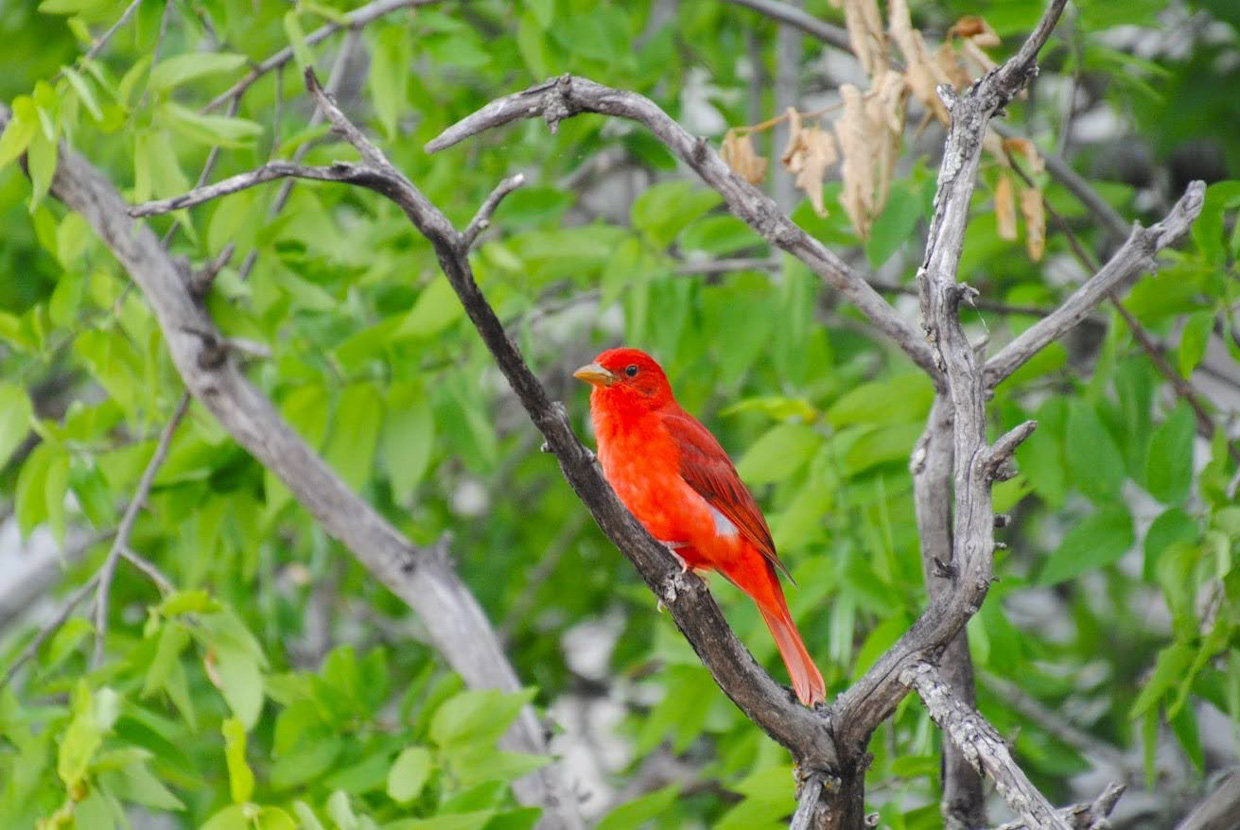
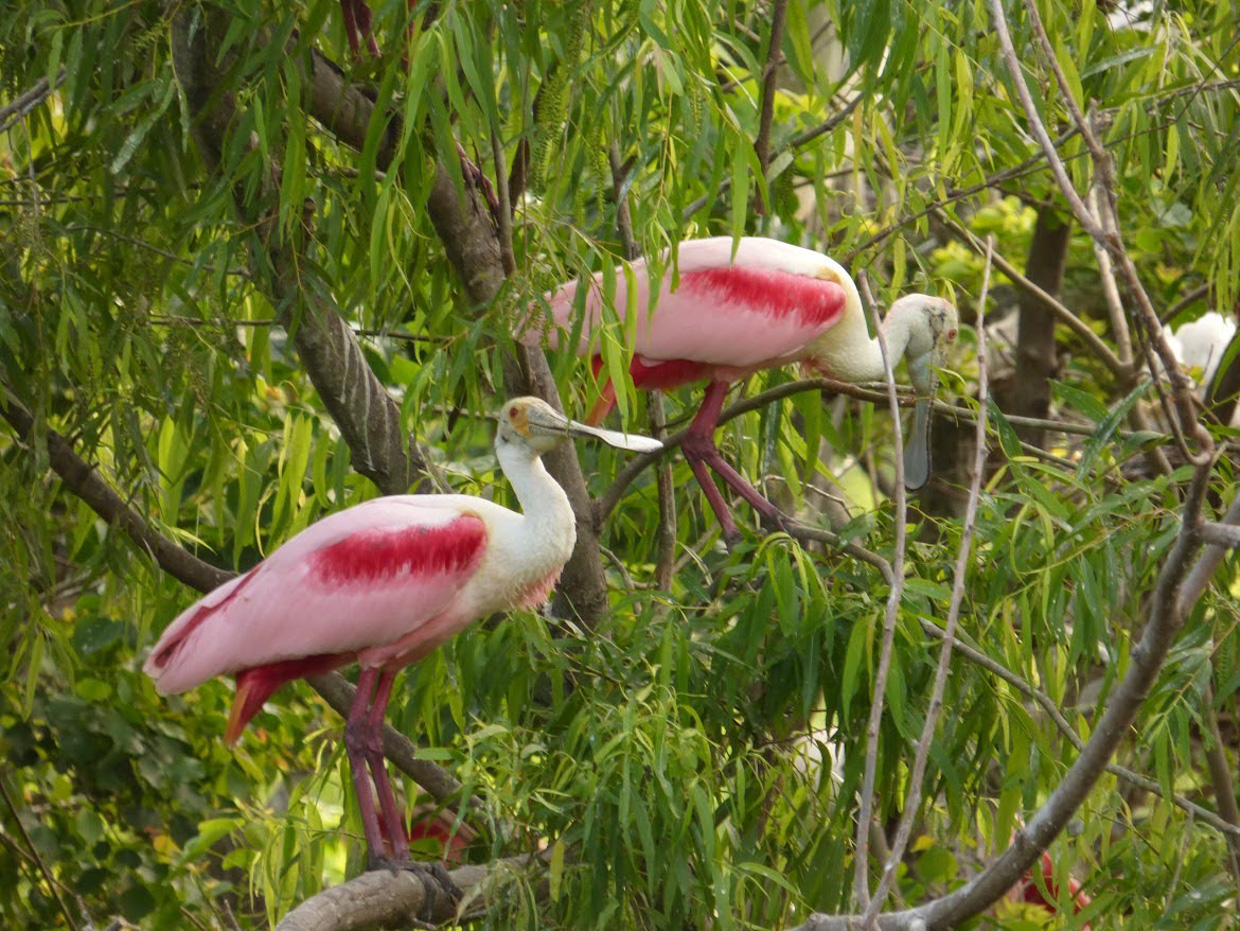
Day 4 centered on the Smith Oaks Sanctuary, home to a raucous waterbird rookery. The survey documented scores of Roseate Spoonbills, Tricolored Herons, and Snowy Egrets in peak breeding plumage. Nearby, at the Jocelyn Nungaray National Wildlife Refuge, the team pivoted to shorebirds, recording 16 different species, including a significant concentration of over 800 Long-billed Dowitchers. The discovery of five American Barn Owlets in a single nest provided evidence of successful raptor recruitment in the coastal marshes.
Day 5 saw the survey move inland to the Big Thicket National Preserve and the Sabine Woods Sanctuary. Despite unseasonably chilly weather, the "migratory engine" remained active. The team identified 14 warbler species in a single day, including the Cerulean Warbler—a species that has seen a 68% decline in population since the 1960s. The presence of the Worm-eating Warbler and the elusive Swainson’s Warbler further emphasized the high conservation value of these deciduous woodlots.
The final stages of the survey, Days 6 and 7, focused on specialized habitats. At the Bolivar Flats Shorebird Sanctuary, the team monitored Piping Plovers and Snowy Plovers, both of which are subjects of intense federal and state conservation efforts. The survey concluded at the Shoveler Pond and the W.G. Jones State Forest, where the endangered King Rail was spotted, alongside the Brown-headed Nuthatch and Eastern Bluebird.
Statistical Summary of Avian Taxa
The 2026 survey results demonstrate a high level of species richness across several key taxonomic groups. The following groups were the most speciose during the week-long observation period:
- Warblers: 27 species (the most diverse group recorded)
- Shorebirds: 25 species
- Raptors: 16 species
- Waders (Herons, Egrets, etc.): 15 species
- Sparrows: 15 species
- Flycatchers: 13 species
- Vireos: 8 species
- Terns: 8 species
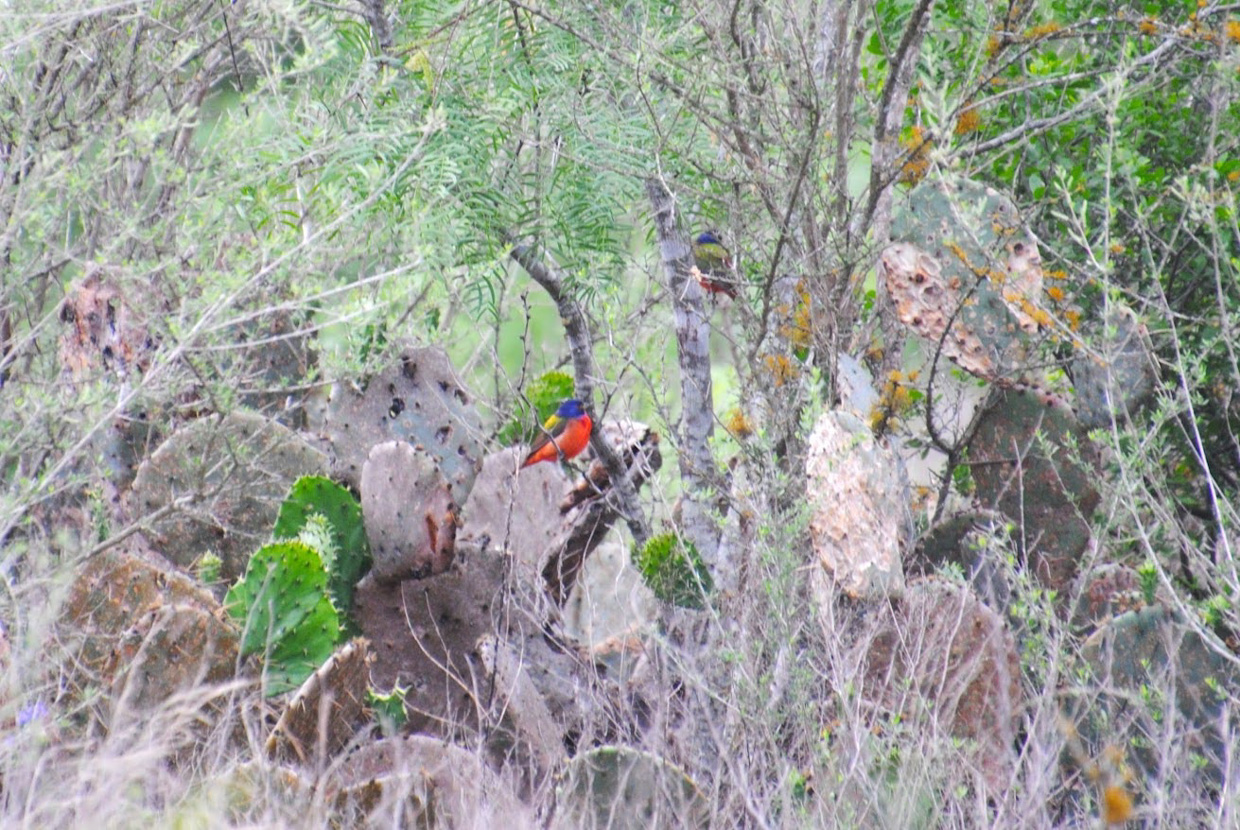
- Cardinalids (Grosbeaks, Buntings): 8 species
- Wrens: 7 species
Conservation Background and Ecological Analysis
The 229 species recorded during this survey represent a significant portion of the birds that utilize the Central Flyway. Texas occupies a unique position in North American conservation because it contains several distinct ecoregions that serve as "bottlenecks" for migration.
The observation of the Golden-cheeked Warbler is particularly noteworthy. This species nests exclusively in the Ashe juniper and oak woodlands of Central Texas. Because its breeding range is so geographically limited, any impact on the Edwards Plateau—whether from urban development or climate-induced drought—has a direct effect on the global population. Similarly, the Black-capped Vireo, which was delisted from the Endangered Species Act in 2018, remains a "species of concern" that requires active habitat management, such as prescribed burns and the control of invasive species.
On the coast, the health of the salt marshes and rice fields is paramount for shorebirds like the American Golden-Plover and the Hudsonian Godwit. These birds perform some of the longest migrations in the animal kingdom, and the "flooded fields" of the Texas coast serve as vital refueling stations. The survey’s documentation of 800+ Long-billed Dowitchers indicates that the local wetlands are currently providing sufficient forage, though the encroachment of industrial development near Houston remains a perennial threat to these habitats.
Broader Implications for Environmental Policy
The data from the 2026 spring migration serves as a critical baseline for environmental policy and land management. The presence of species like the King Rail and the Least Bittern at the Jocelyn Nungaray National Wildlife Refuge highlights the success of protected wetland areas. However, the survey also noted the sensitivity of these birds to weather fluctuations. The "unseasonably chilly" conditions observed on Day 5 can delay migration or lead to increased mortality if food sources, such as insects for warblers, are not yet available.
Ornithologists suggest that continued monitoring is necessary to determine if shifting weather patterns are decoupling the timing of bird migration from the peak availability of their food sources—a phenomenon known as "phenological mismatch."
Furthermore, the economic impact of birding in Texas cannot be overlooked. Nature-based tourism brings millions of dollars to rural communities in the Hill Country and coastal towns like Winnie and High Island. The preservation of these "birding hotspots" is therefore not only a biological imperative but an economic one.
As the 2026 season concludes, the findings suggest that while many migratory populations remain stable, the reliance on a few key "stopover" sites makes the entire system vulnerable. The cooperation between private landowners, state parks, and federal wildlife refuges remains the most effective strategy for ensuring that the spectacle of the Texas spring migration continues for future generations. The survey team’s success in locating elusive species like the Nelson’s Sparrow and the Cerulean Warbler serves as a reminder of the hidden biodiversity that thrives when habitat conservation is prioritized.
