
The Hawaiian Islands, often referred to as a "living laboratory of evolution," recently served as the backdrop for an extensive ornithological survey and birding expedition that spanned three major islands: Oahu, Kauai, and the Big Island (Hawaii). This expedition provided a detailed look at the current state of both endemic species, many of which are critically endangered, and the diverse array of introduced species that have reshaped the islands’ ecosystems over the past two centuries. As global bird populations face increasing pressure from climate change and habitat loss, the findings from this tour underscore the delicate balance of island biogeography and the intensive conservation efforts required to preserve Hawaii’s unique avian heritage.
Oahu: The Intersection of Urbanization and Endemic Persistence
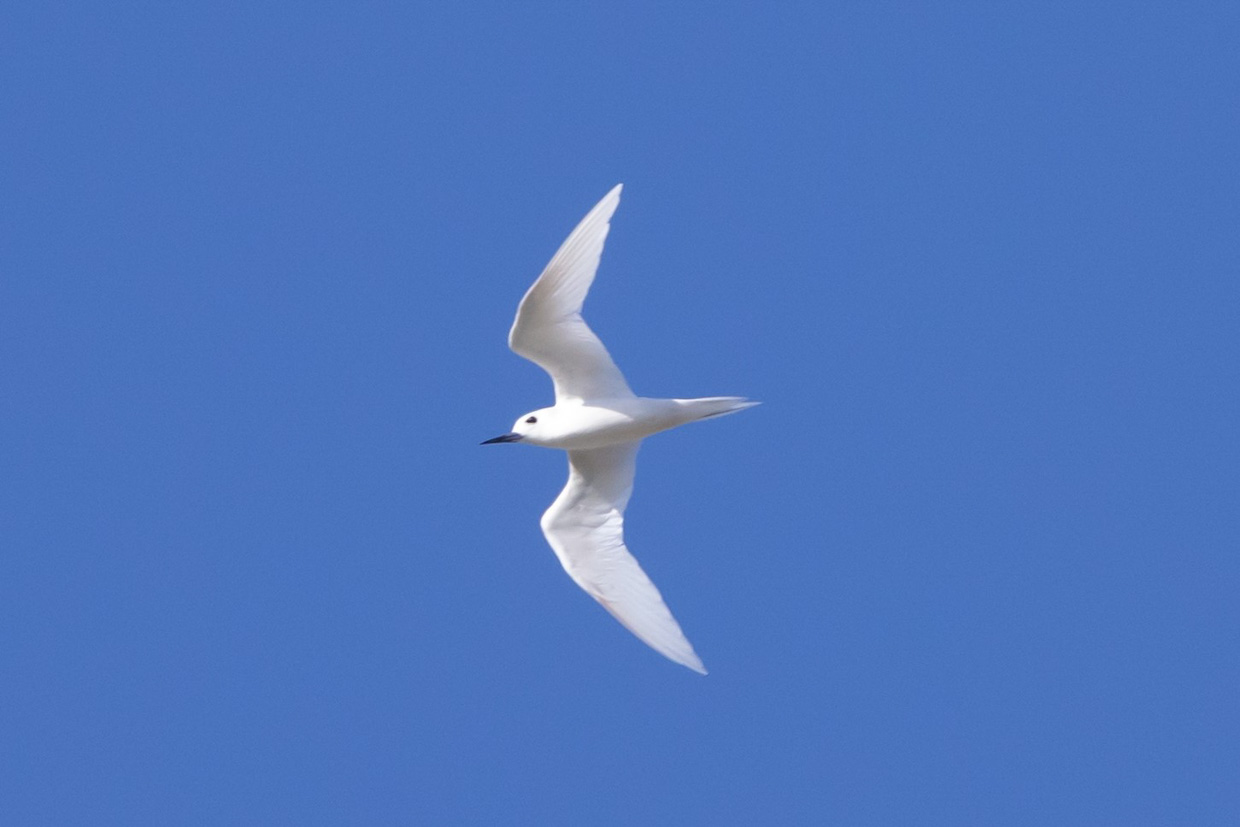
The expedition commenced in Honolulu, the state’s capital, where researchers and enthusiasts observed the remarkable adaptation of the Blue-billed White-Tern (Gygis alba). Known locally as the Manu-o-Kū, these iconic white seabirds have notably chosen to nest in the urban sprawl of Honolulu, utilizing trees lining busy city streets and skyscrapers as nesting sites. This behavior is a rare example of a native seabird thriving in a densely populated urban environment. Observations included several juveniles at various stages of development, indicating a successful breeding season in the heart of the city.
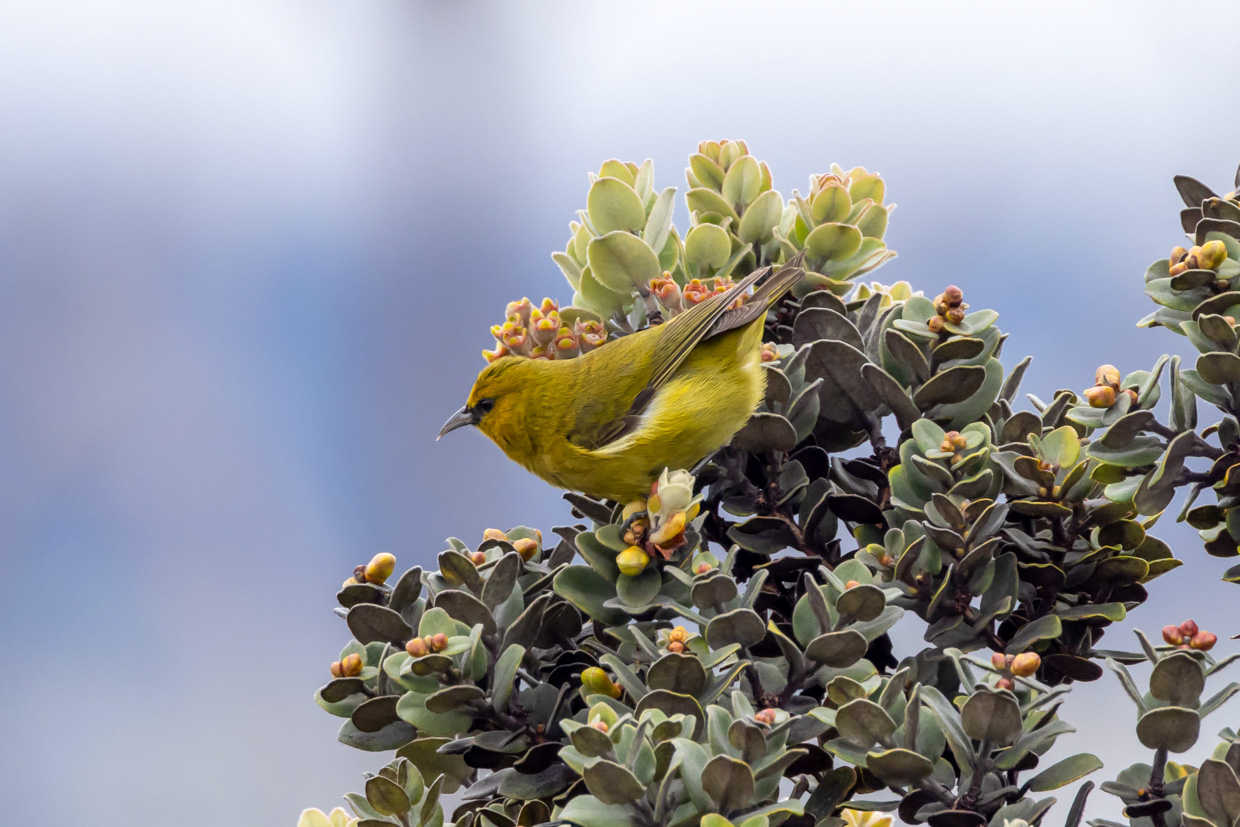
Moving beyond the urban core, the survey transitioned to the high country of Oahu. In the wooded trails above Honolulu, the team documented a mix of introduced and native species. Among the introduced birds were the White-rumped Shama, Warbling White-eye, and Red-crested Cardinal—species that have become naturalized and are now ubiquitous across the lowlands. However, the primary focus remained on the Oahu Amakihi (Chlorodrepanis flava), a species of Hawaiian honeycreeper. Unlike many of its relatives, the Oahu Amakihi has shown a surprising level of resilience to avian malaria, allowing it to persist in lower elevations where other honeycreepers have long since vanished.
The expedition also noted the presence of Red-crowned Amazons and the Red-billed Leiothrix. The latter, a secretive bird native to Southern Asia, was introduced to Hawaii in the early 20th century and has since become a common, albeit elusive, resident of the island’s denser forests.
Coastal Dynamics and Migratory Patterns on Oahu’s Shores
The survey of Oahu concluded with a focus on coastal and migratory species. At an oceanside location, the team successfully identified the Bristle-thighed Curlew (Numenius tahitiensis). This species is notable for its extraordinary migratory path, breeding in the Alaskan tundra and wintering on remote Pacific islands. Hawaii serves as a critical stopover and wintering ground for these birds.
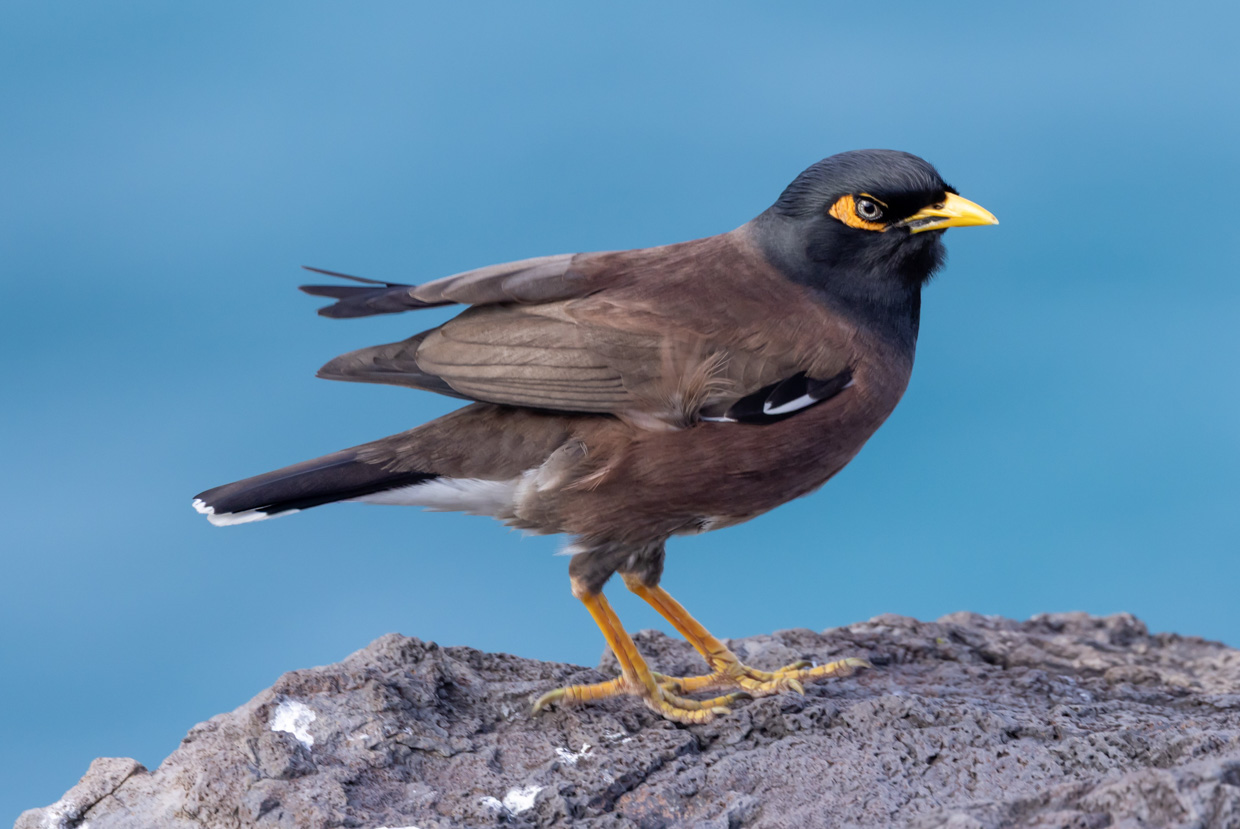
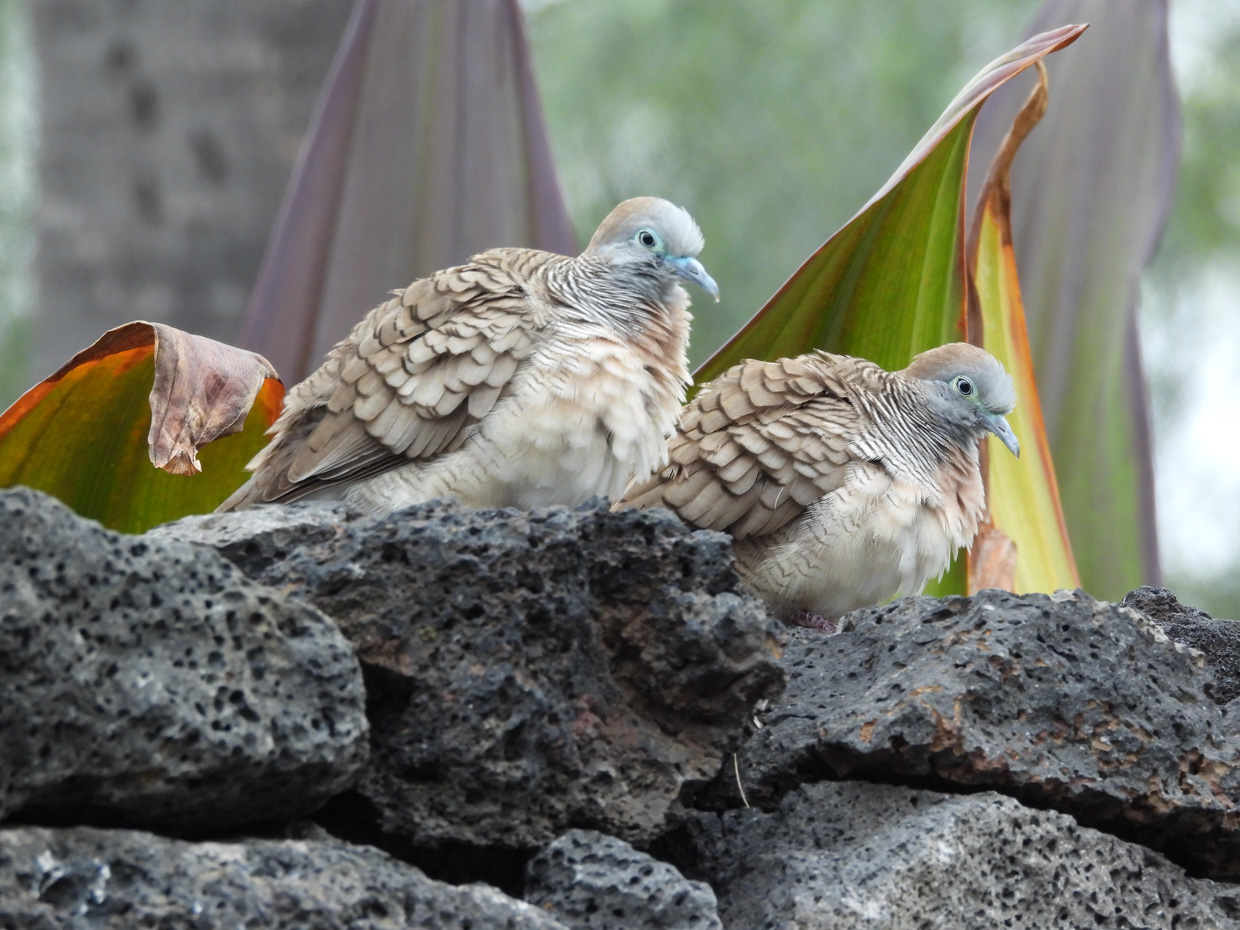
Observations along the coast also included sightings of Red-footed and Brown Boobies, as well as the Laysan Albatross. These pelagic birds are essential indicators of marine health. The presence of spouting humpback whales (Megaptera novaeangliae) during the coastal survey provided additional ecological context, highlighting the rich marine biodiversity that supports these avian populations. Before departing for Kauai, the team also documented urban-adapted introduced species such as the Common Myna, Java Sparrow, and Rose-ringed Parakeet, all of which compete for resources with native fauna.
Kauai: A Stronghold for Native Waterbirds and Seabirds
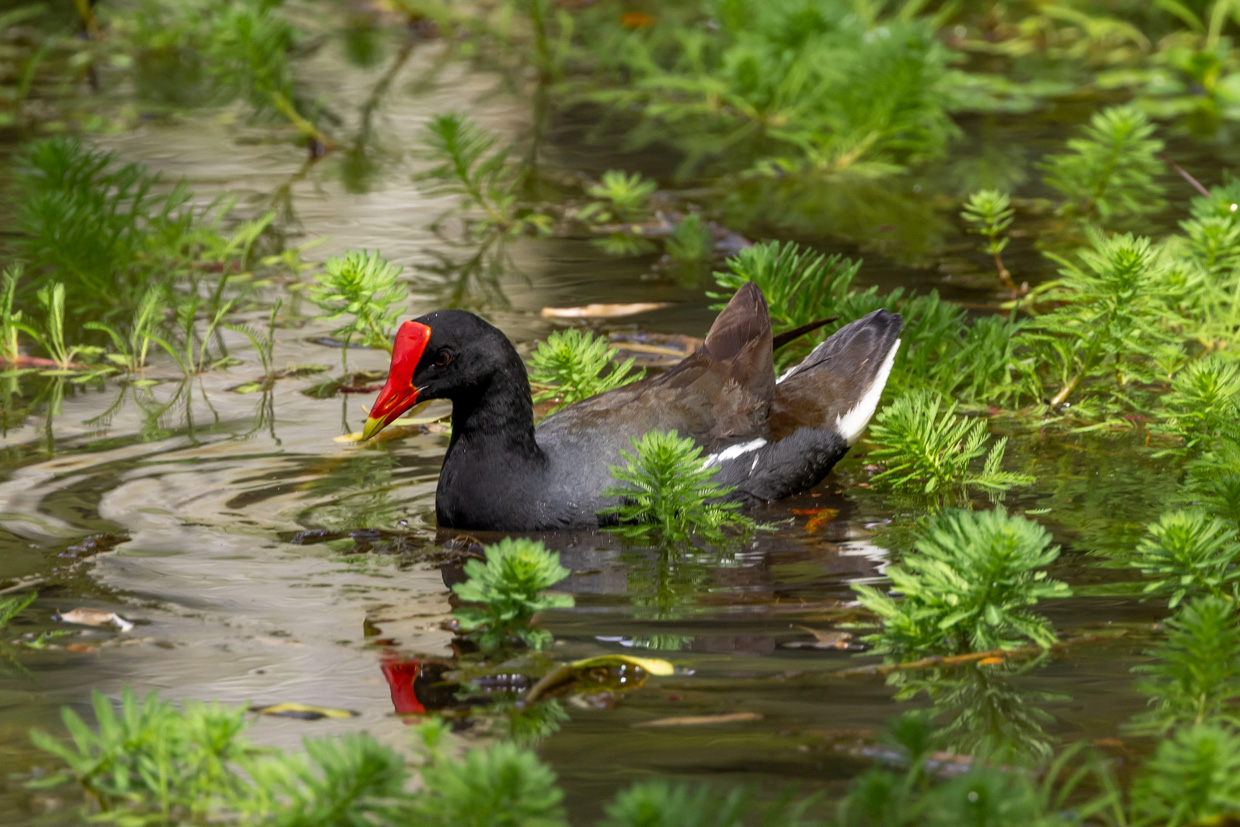
The second leg of the expedition took place on Kauai, the oldest of the main Hawaiian Islands. Kauai is often considered a sanctuary for native waterbirds due to its extensive wetland habitats. The survey focused on several endemic species, including the Hawaiian Coot (Fulica alai), the Hawaiian Duck (Anas wyvilliana), and the Hawaiian Goose, or Nene (Branta sandvicensis). The Nene, which is the official state bird of Hawaii, has seen a significant recovery in recent decades thanks to intensive captive breeding and predator control programs.
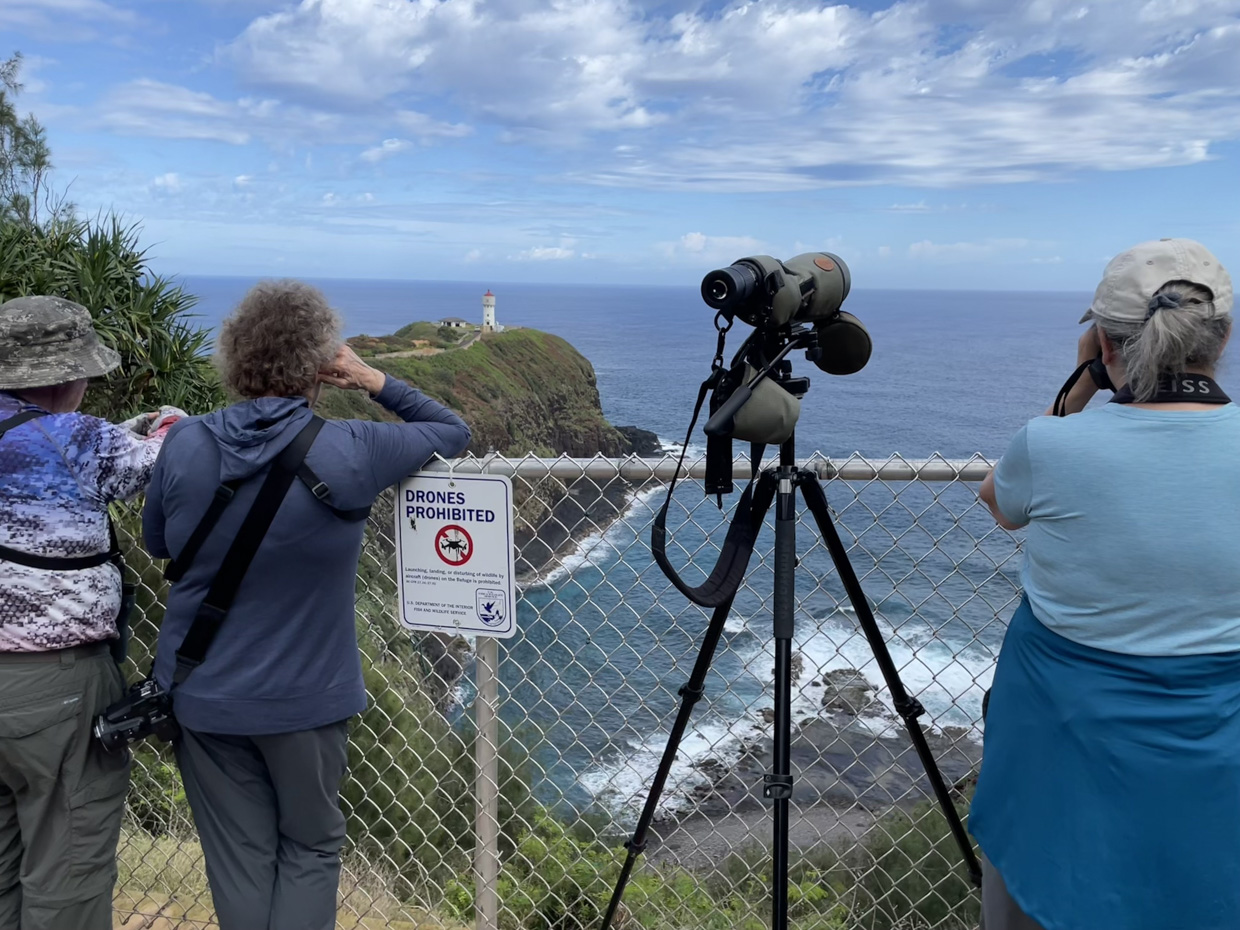
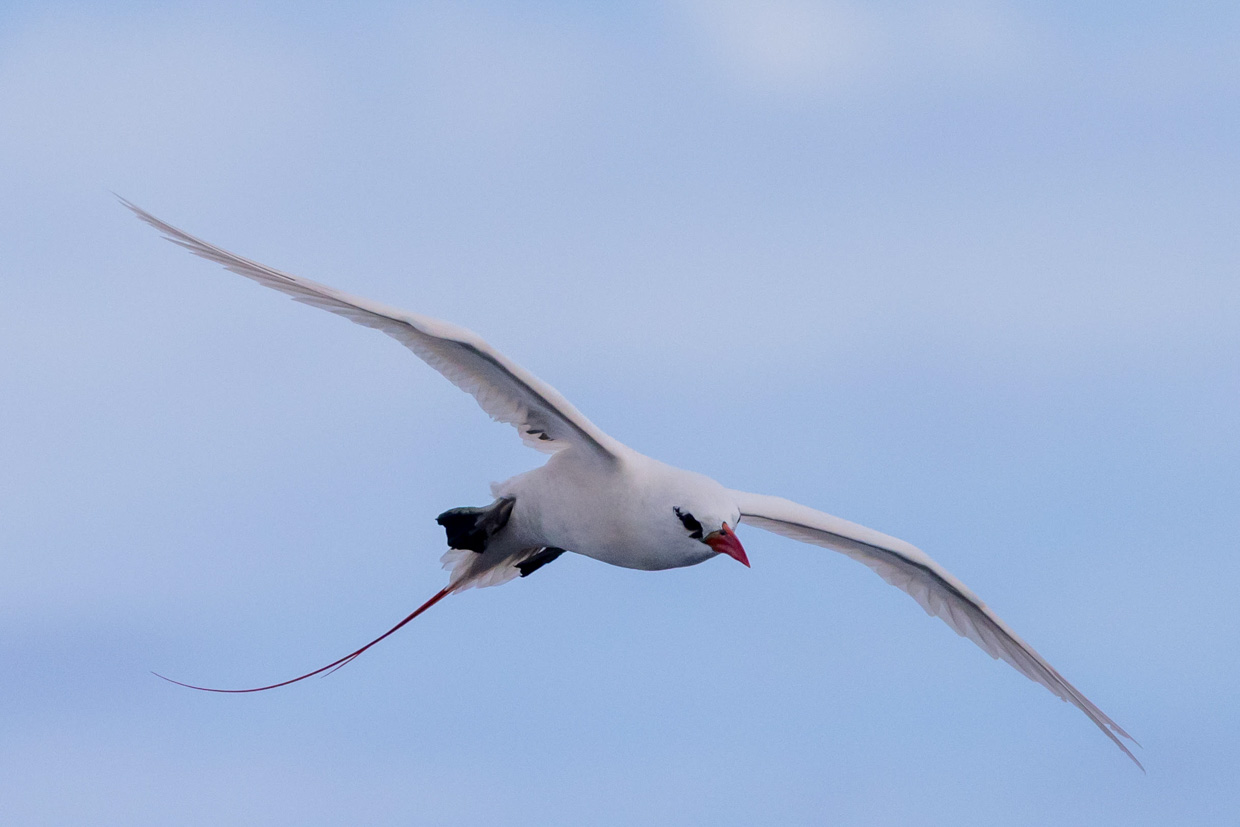
At the Kilauea Point National Wildlife Refuge and surrounding areas, the team observed the complex social behaviors of seabirds. Red-footed Boobies were seen nesting in large numbers, while Great Frigatebirds—known for their kleptoparasitic behavior—were observed attempting to steal food from returning boobies. The team also documented the "moaning" vocalizations of Wedge-tailed Shearwaters in their underground burrows, a sound that is a hallmark of Kauai’s coastal nights.
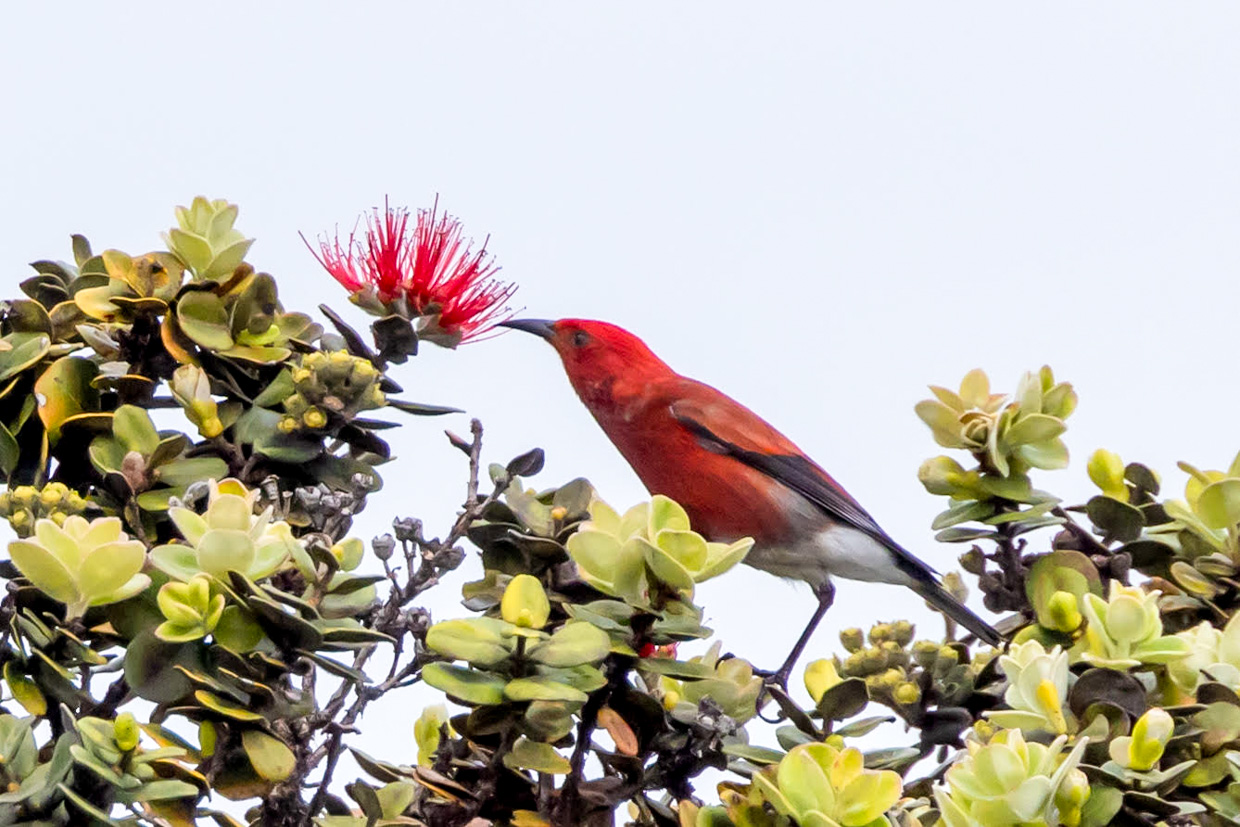
In the high country of Waimea Canyon and Kokee State Park, the expedition sought out Kauai’s forest birds. The Pueo, a Hawaiian subspecies of the Short-eared Owl, was spotted hunting over open ridges. Unlike most owls, the Pueo is diurnal, making it a visible component of the island’s upland ecosystem. The team also encountered the Apapane (Himatione sanguinea), the most abundant of the surviving honeycreepers, whose bright red plumage and curved bill are adapted for feeding on the nectar of the Ohia Lehua tree.
The Big Island: High-Altitude Refuges and the Crisis of Avian Malaria
The final and most critical phase of the expedition took place on the island of Hawaii, commonly known as the Big Island. The island’s extreme topography, dominated by Mauna Kea and Mauna Loa, creates a vertical stratification of habitats. The team’s primary objective was the Hakalau Forest National Wildlife Refuge, a restricted-access sanctuary that represents one of the most important habitats for endangered forest birds in the world.
Hakalau Forest is situated above 6,000 feet, a critical elevation known as the "mosquito line." Below this altitude, introduced mosquitoes carry avian malaria and avian pox, diseases to which native Hawaiian birds have no natural immunity. The cooler temperatures at high elevations prevent mosquitoes from breeding, creating a thermal refuge for species that would otherwise face extinction.
Inside the refuge, the team observed several of the rarest birds on Earth:
- Akiapolaau (Hemignathus wilsoni): Often called the "Swiss Army Knife" of the bird world, this honeycreeper possesses a unique bill with a straight lower mandible for pecking wood and a long, curved upper mandible for probing.
- Hawaii Akepa (Loxops coccineus): A small, bright orange bird that nests in tree cavities, the Akepa is highly dependent on old-growth Koa and Ohia forests.
- Alawi (Hawaii Creeper): A species that mimics the behavior of a nuthatch, foraging along the bark of trees for insects.
- Omao: An endemic thrush whose haunting song is a primary component of the high-altitude soundscape.
Chronology of the Expedition and Environmental Challenges
The expedition followed a precise timeline, beginning in the urban and suburban landscapes of Oahu, transitioning to the wetlands of Kauai, and culminating in the ancient forests of the Big Island. However, the schedule was not without challenges. An unusually heavy storm system impacted the Big Island during the tour, leading to the temporary closure of Hawaii Volcanoes National Park.
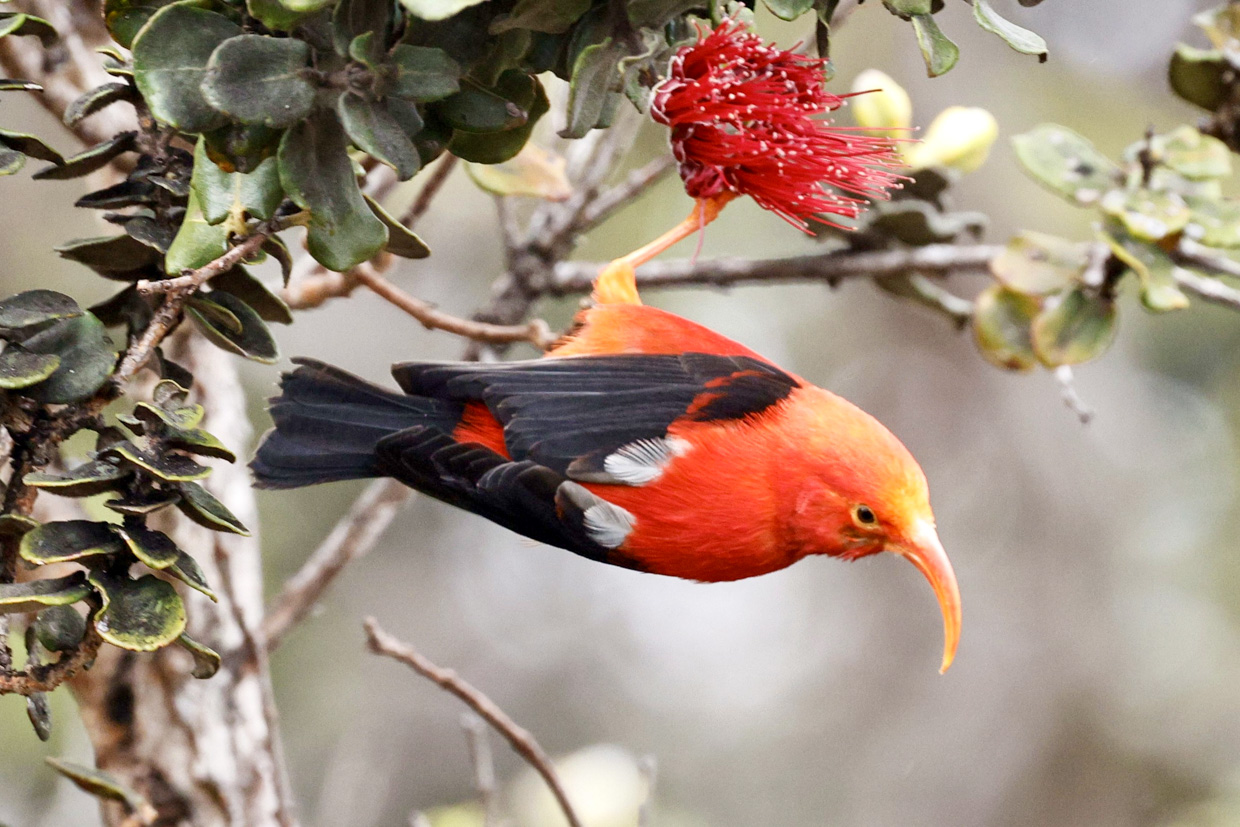
In response to these closures, the team, guided by local experts, pivoted to alternative forested trails and the town of Hilo. This shift allowed for the documentation of the Iiwi (Drepanis coccinea), a stunning scarlet honeycreeper with a deeply decurved bill, and the Hawaii Amakihi. The presence of a local guide provided essential cultural context, including a traditional Hawaiian chant to open the hike, emphasizing the deep connection between the indigenous people and the "manu" (birds) of the island.
Supporting Data: The Current State of Hawaiian Avifauna
The data gathered during this tour reflects a broader trend in Hawaiian ornithology. According to recent reports from the American Bird Conservancy, Hawaii has lost 71 of its 113 endemic bird species since human arrival. Of the remaining 42 species, 33 are federally listed as endangered.
The expedition’s findings highlight the success of certain conservation measures:
- Nene Recovery: Once down to fewer than 30 individuals in the 1950s, the population now exceeds 3,000 across the islands.
- Hakalau Forest Success: The refuge has seen stable or increasing populations of Hawaii Akepa and Akiapolaau, proving that habitat restoration and high-altitude protection are effective.
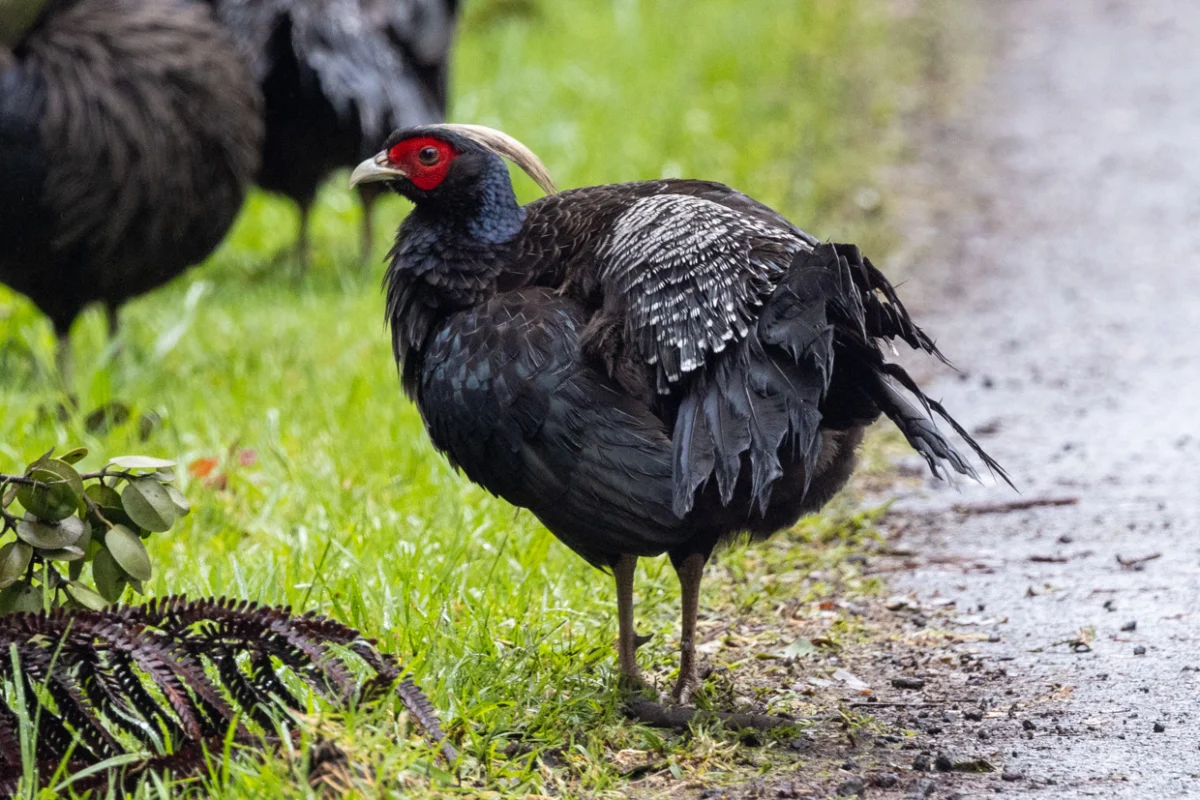
- Introduced Species Proliferation: The team documented over 25 introduced species, including the Kalij Pheasant, Chestnut-bellied Sandgrouse, and Saffron Finch. While these birds provide "eye-candy" for tourists, they also represent a significant competitive threat for food and nesting sites.
Broader Impact and Future Implications
The results of this birding expedition provide a snapshot of an ecosystem in flux. The reliance on high-altitude refuges like Hakalau Forest is a precarious strategy in the face of global warming. As temperatures rise, the "mosquito line" moves higher up the mountains, further shrinking the safe zones for endemic honeycreepers.
Conservationists are currently exploring innovative solutions, such as the Incompatible Insect Technique (IIT), which involves releasing sterile male mosquitoes to crash the population of disease-carrying insects. The success of such programs will determine whether future expeditions will still be able to find the Iiwi, the Akepa, and the Akiapolaau in the wild.
The expedition concluded on the Kona coast, where the team observed the Chestnut-bellied Sandgrouse and the Hawaiian subspecies of the Short-eared Owl. These final sightings served as a reminder of the islands’ complexity—a place where African sandgrouse and prehistoric Hawaiian owls share the same volcanic landscape. As the tour ended, the overarching takeaway was clear: while Hawaii remains a world-class destination for birding, its native species are living on the edge of existence, requiring constant vigilance and robust conservation funding to survive the 21st century.
