
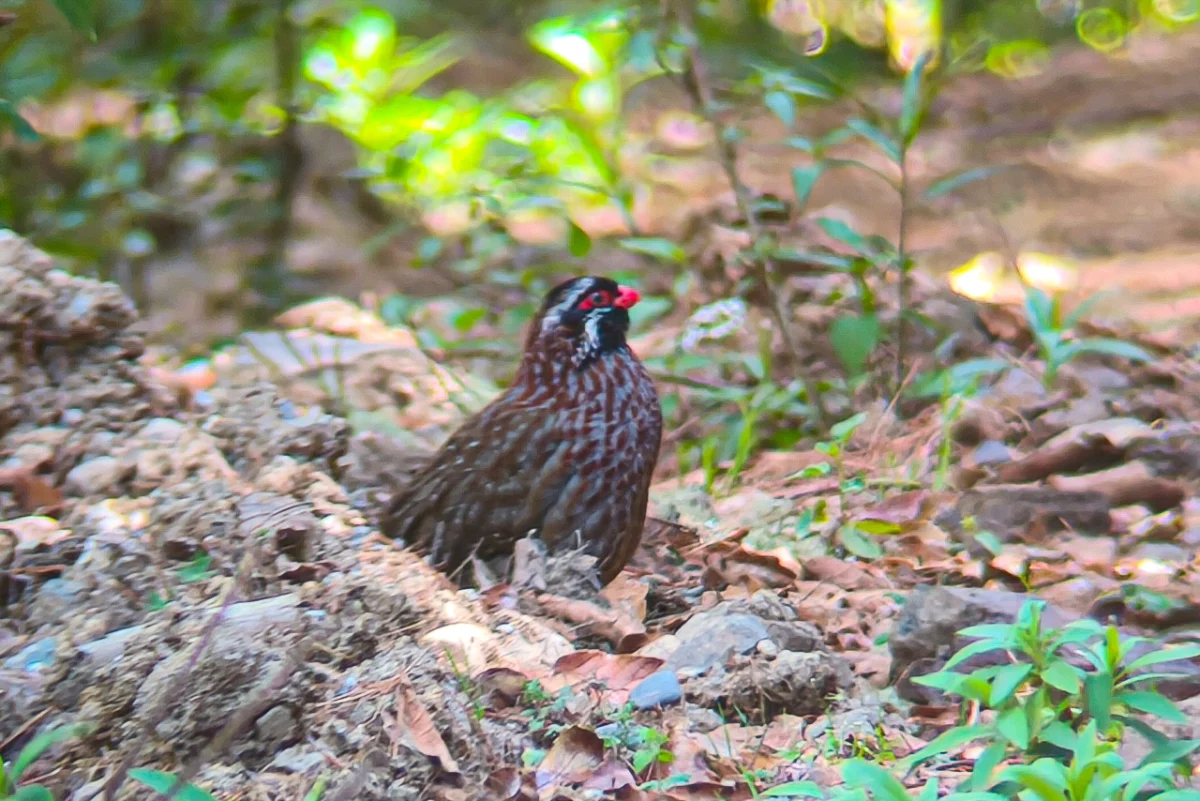
A recent intensive biological survey across the diverse landscapes of Southern Mexico has documented an extraordinary 407 species of birds, highlighting the region’s status as a critical global biodiversity corridor. Traversing the states of Oaxaca, Chiapas, Campeche, and Tabasco, the expedition provided a comprehensive look at several distinct ecoregions, ranging from xeric scrublands and high-altitude pine-oak forests to humid tropical rainforests and expansive freshwater marshes. In addition to the 407 species observed visually, researchers and birding experts recorded an additional 21 species through distinct vocalizations, bringing the taxonomic total to nearly 430 species. The data collected underscores the immense ecological value of the Mesoamerican migratory flyway and the urgent need for continued habitat preservation in these high-endemism zones.

Taxonomic Breakdown and Ecological Scope
The survey’s findings were particularly rich in several key avian families, illustrating the complexity of the Southern Mexican neotropics. Among the most significant findings were 26 species of hummingbirds (Trochilidae), with two additional species identified by sound. The expedition also recorded six species of trogons, 12 species of woodpeckers, and a remarkable 36 species of warblers (Parulidae), many of which are migratory birds that utilize the Southern Mexican forests as over-wintering grounds. Other significant tallies included 16 species of wrens, 18 species of sparrows, and eight species of orioles.

The geographic scope of the survey began in the Central Valleys of Oaxaca and concluded in the wetlands of Tabasco. This transect allowed for the observation of species specialized for very different environmental niches. The transition from the dry, cactus-dominated landscapes of the Oaxaca interior to the lush, moss-covered cloud forests of the Sierra Madre del Sur represents one of the most dramatic ecological gradients in North America.
Phase I: The Highlands and Xeric Scrub of Oaxaca
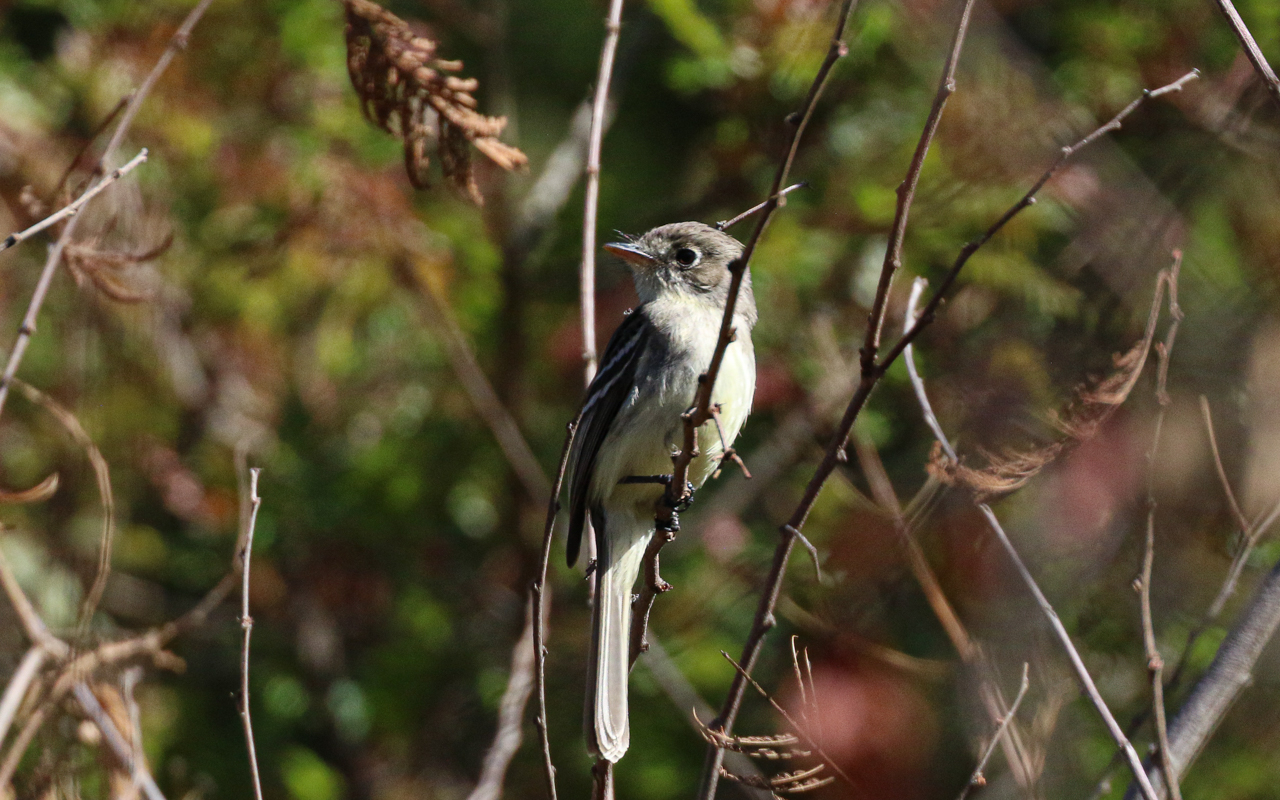
The expedition officially commenced in the city of Oaxaca, a region recognized not only for its biological diversity but also for its deep-rooted cultural heritage. The initial phase of the survey focused on the xeric scrub at the foot of the Sierra Madre de Oaxaca. This habitat is home to several range-restricted endemics. Key observations included the West Mexican Chachalaca, the Pileated Flycatcher, and the Oaxaca Sparrow. The presence of the Slaty Vireo and the Ocellated Thrasher—the latter seen singing from a distance—highlighted the specialized avian community that thrives in this arid environment.
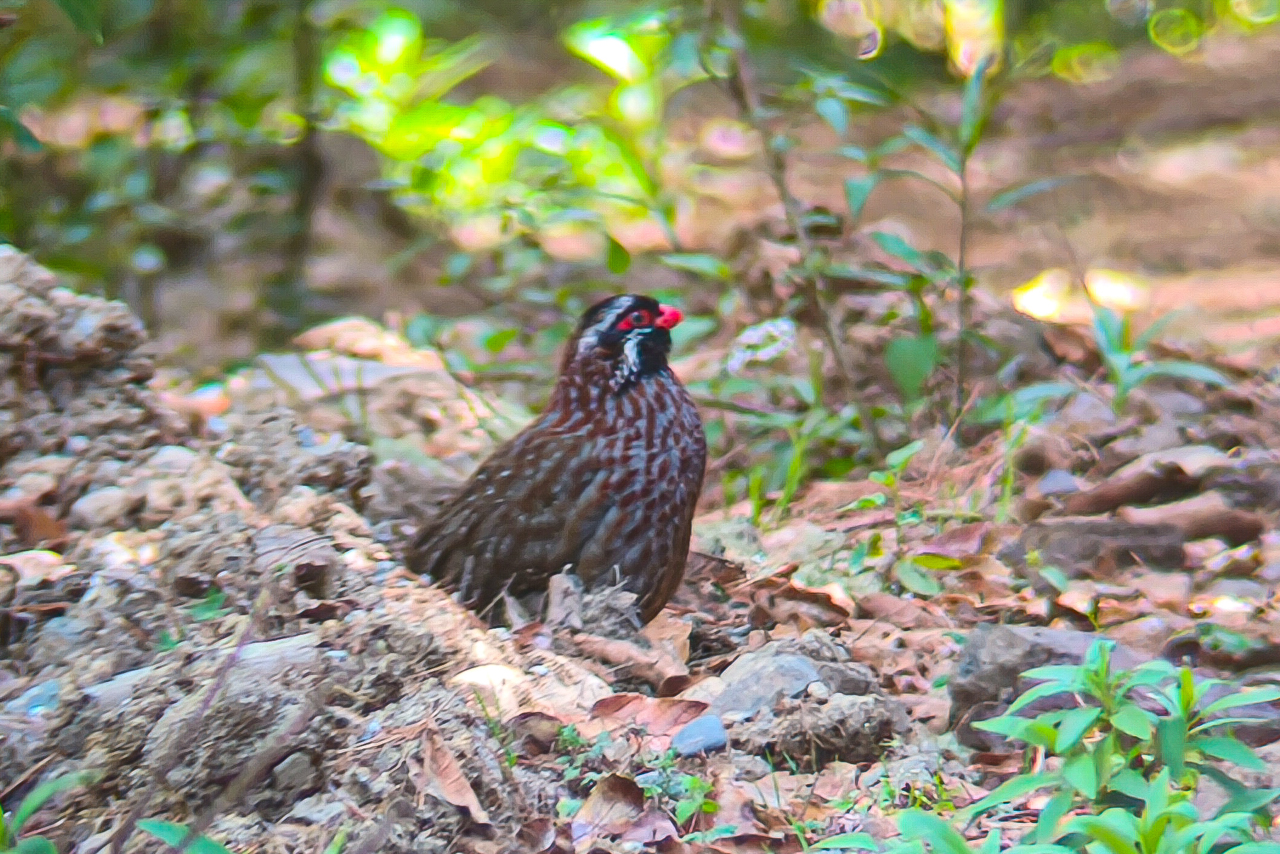
Moving toward Teotitlán del Valle, the survey integrated anthropological context, noting the traditional Oaxacan weaving practices at workshops such as "Bug in the Rug." This intersection of local economy and environment is vital, as traditional land-use practices often dictate the availability of habitat for local species. In the nearby Piedra Azul reservoir, the team recorded aquatic species including the Least Grebe and various sandpipers, illustrating the importance of even small bodies of water in an otherwise dry landscape.

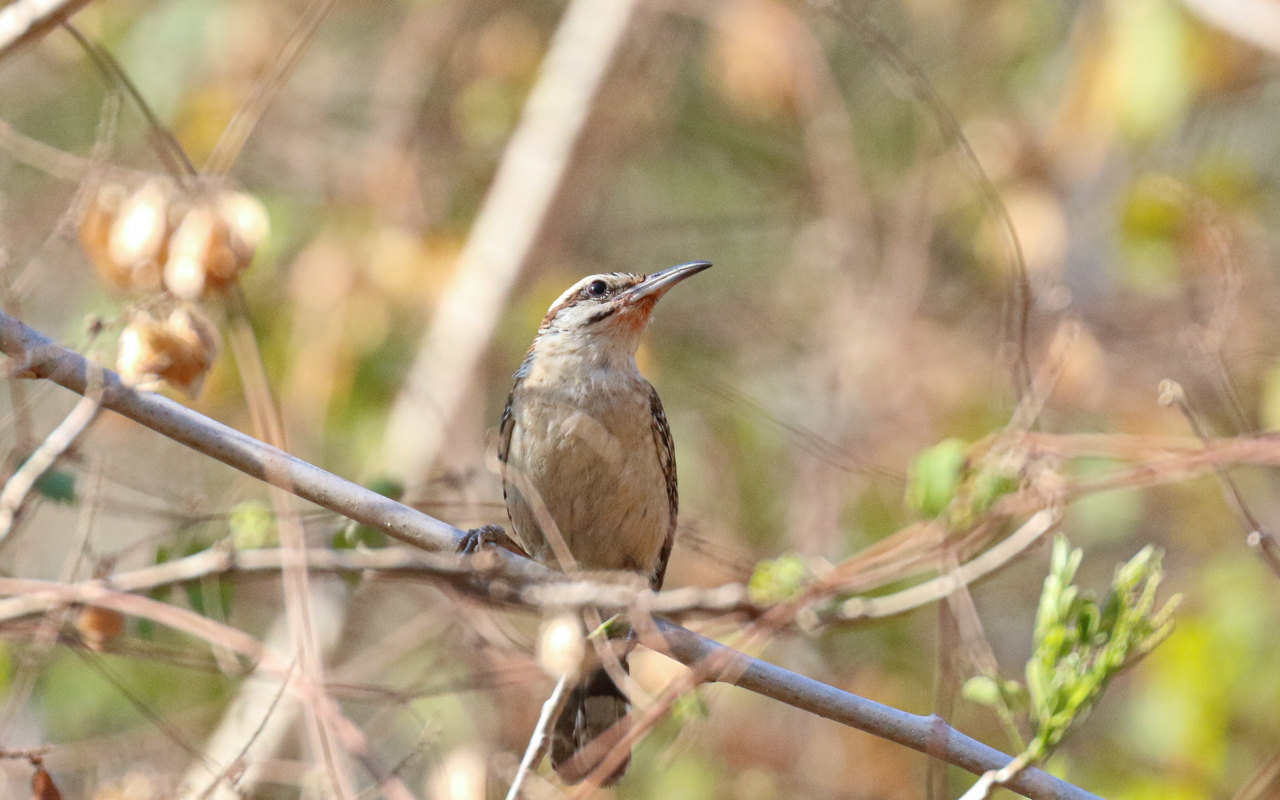
As the altitude increased toward Benito Juarez, the vegetation transitioned into oak forest and humid ravines. Here, the taxonomic composition shifted toward species like the White-eared Hummingbird and the Coppery-tailed Trogon. At the high-altitude core of Cumbre Ixtepeji, an exuberant pine-oak forest, the survey recorded the Gray-barred Wren and the Dwarf Jay. The Dwarf Jay is a particularly significant find, as it is a high-altitude specialist endemic to the mountains of Southern Mexico and faces increasing pressure from climate-induced habitat shifts.
Phase II: Archaeological Integration and the Pacific Slope
The survey continued to Monte Albán, a UNESCO World Heritage site and a major Zapotec archaeological center. The site serves as a de facto nature reserve, where the expedition recorded five individuals of the elusive Ocellated Thrasher and the Lesser Roadrunner. The integration of archaeological sites into conservation strategies is a growing trend in Mexico, as these protected zones often provide the last remaining refuges for native flora and fauna amidst urban expansion.
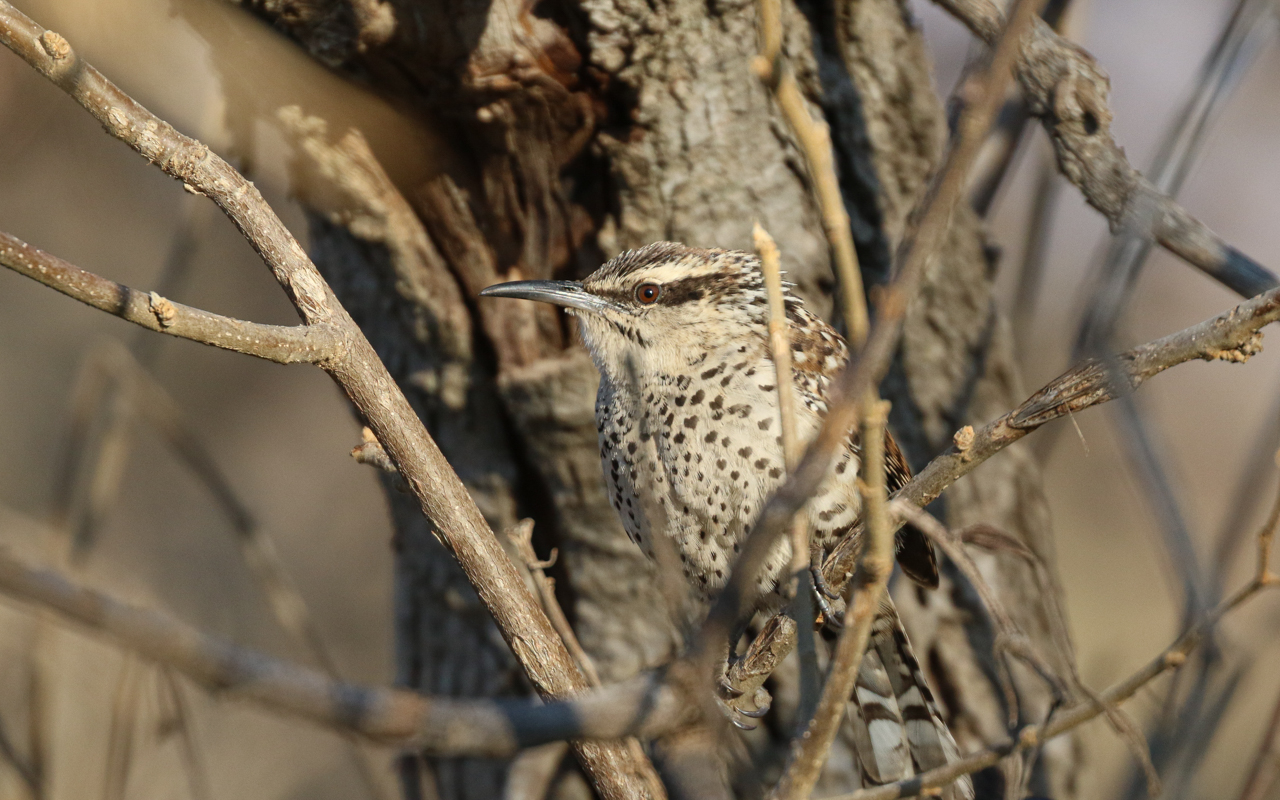
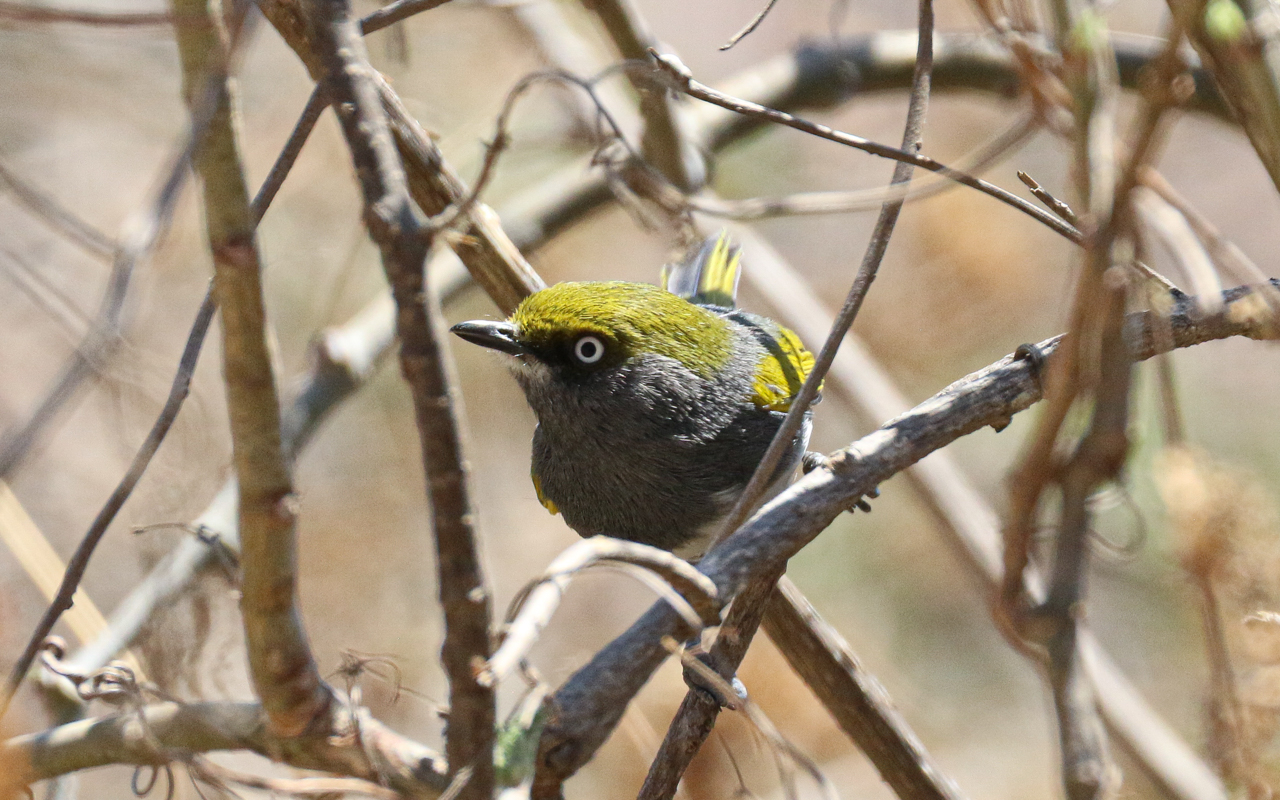
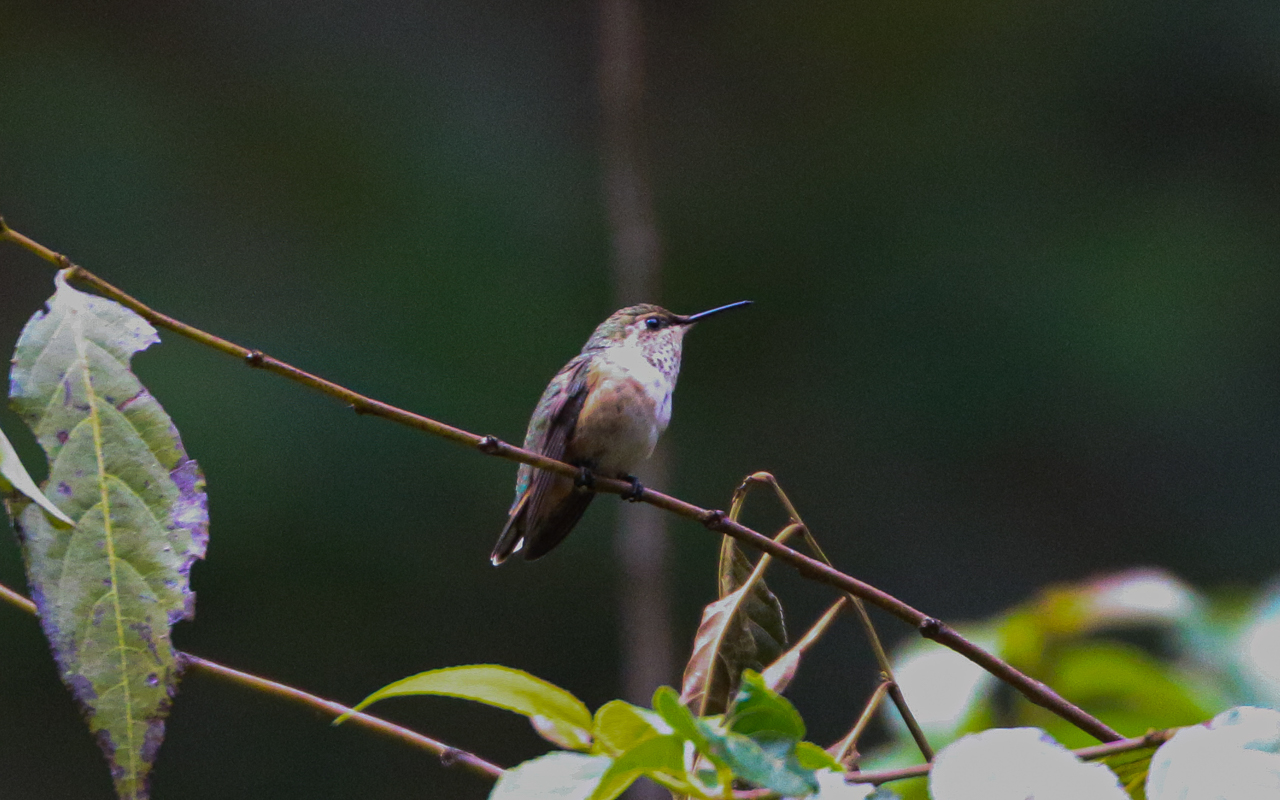
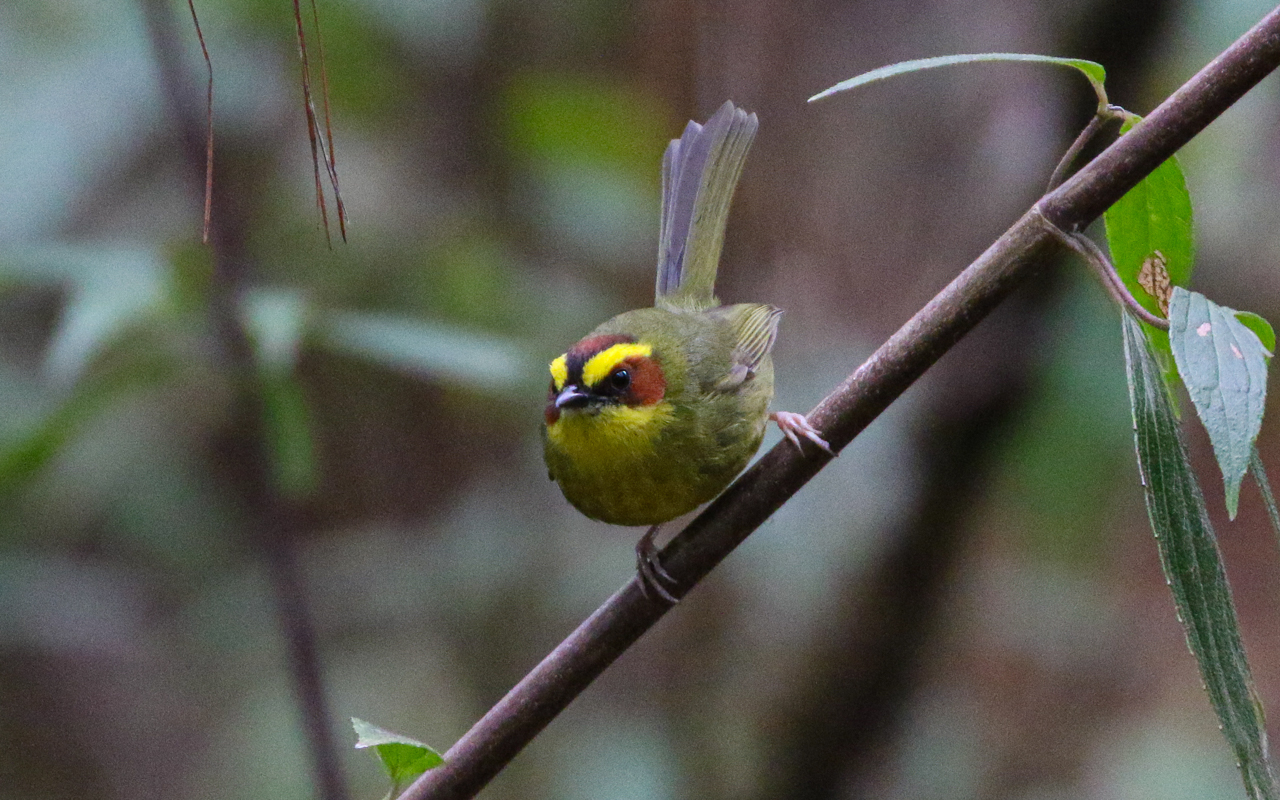
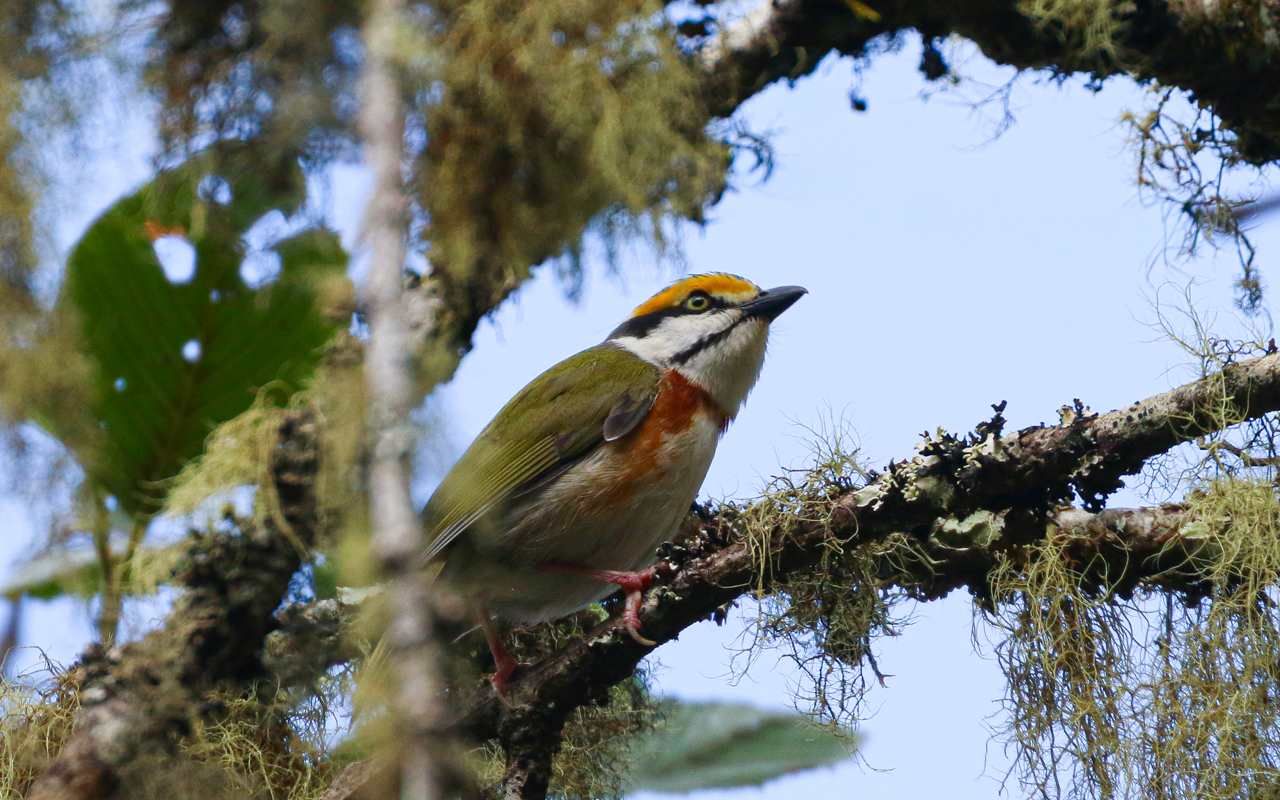
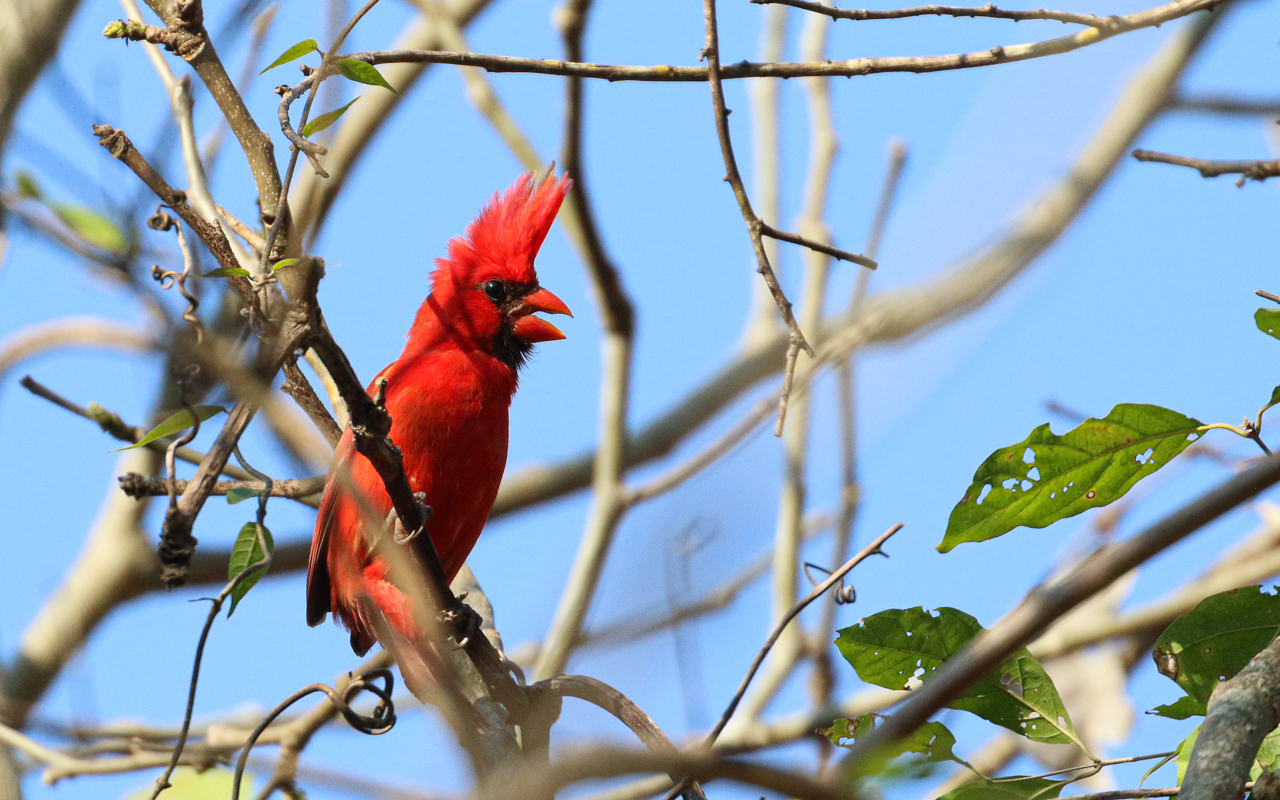
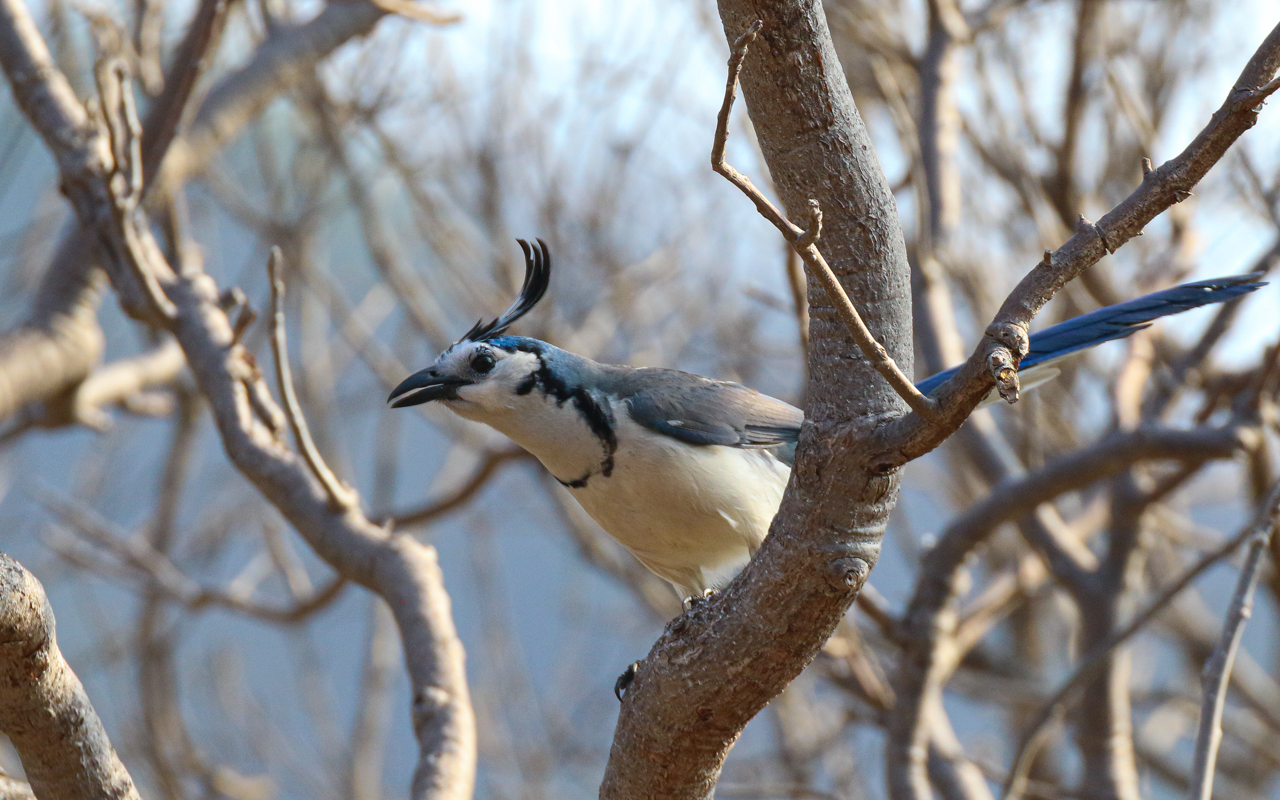
Descending toward the Pacific slope, the expedition entered the Sierra Madre del Sur. The humid pine-oak forests here yielded views of the Golden-browed Warbler and the Chestnut-sided Shrike-Vireo. A significant highlight was the observation of the Bumblebee Hummingbird, one of the smallest avian species in the world. As the survey reached lower altitudes, the vegetation transitioned into tropical dry forests. This change was reflected in the appearance of the Citreoline Trogon, the Russet-crowned Motmot, and the White-throated Magpie-Jay.
In Huatulco National Park, a protected area on the Pacific coast, the team documented an explosion of biodiversity, including the Turquoise-crowned Hummingbird and the Lilac-crowned Amazon. The park is a critical site for the conservation of the tropical dry forest, an ecosystem that is often overlooked in favor of rainforests but is equally threatened by development and agricultural conversion.
Phase III: The Isthmus of Tehuantepec and the Chiapas Highlands
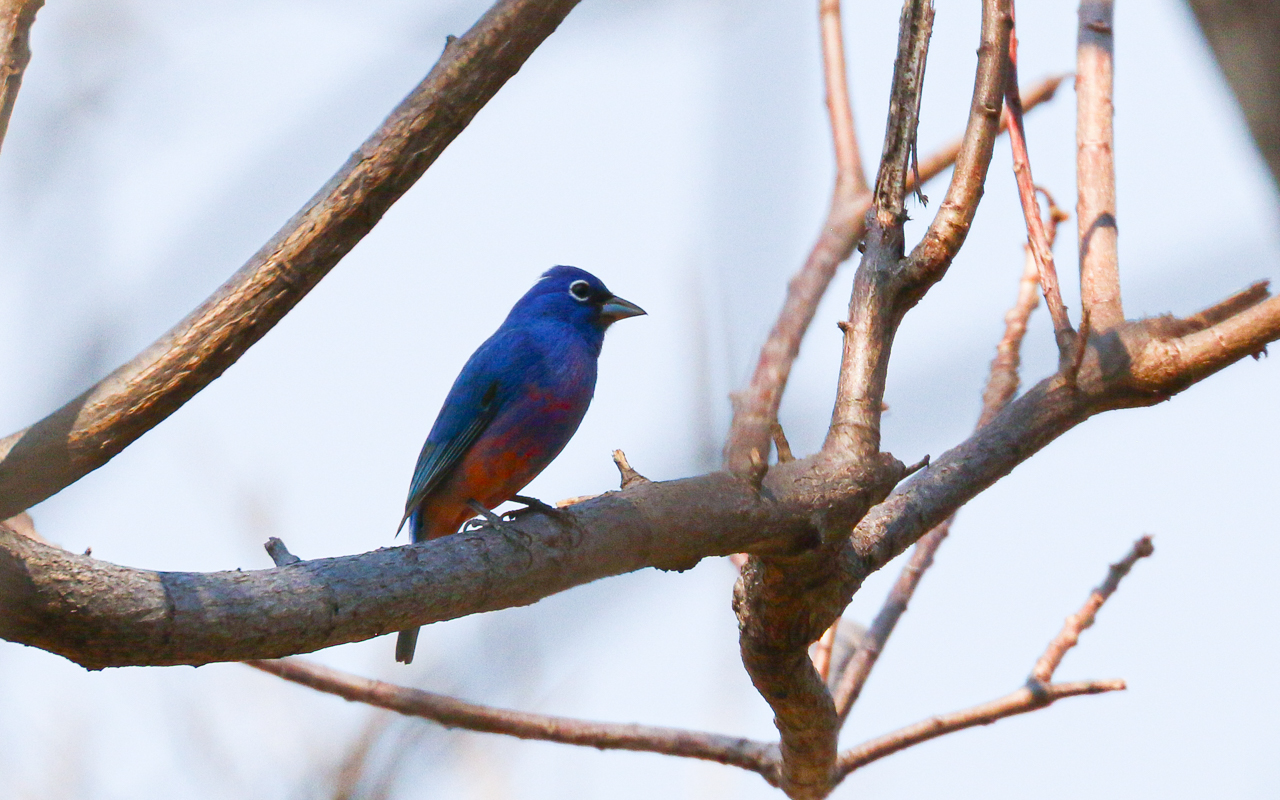
The Isthmus of Tehuantepec represents the narrowest point between the Gulf of Mexico and the Pacific Ocean. It is characterized by high winds and low, scrubby tropical forests. Here, the survey targeted the Rose-bellied Bunting (also known as the Rosita’s Bunting), a micro-endemic species found only in a small area of the Isthmus. The team successfully observed six specimens, providing valuable data on their foraging habits within Torchwood (Bursera sp.) trees.
The journey then moved into the state of Chiapas, beginning in the city of Arriaga, where a massive roost of over 1,500 Gray-breasted Martins was documented. This observation highlights the importance of urban and peri-urban areas for communal roosting during migration. Moving into the La Sepultura Reserve, a site of mixed dry tropical and oak forests, the team recorded the Long-tailed Manakin and the Red-legged Honeycreeper.
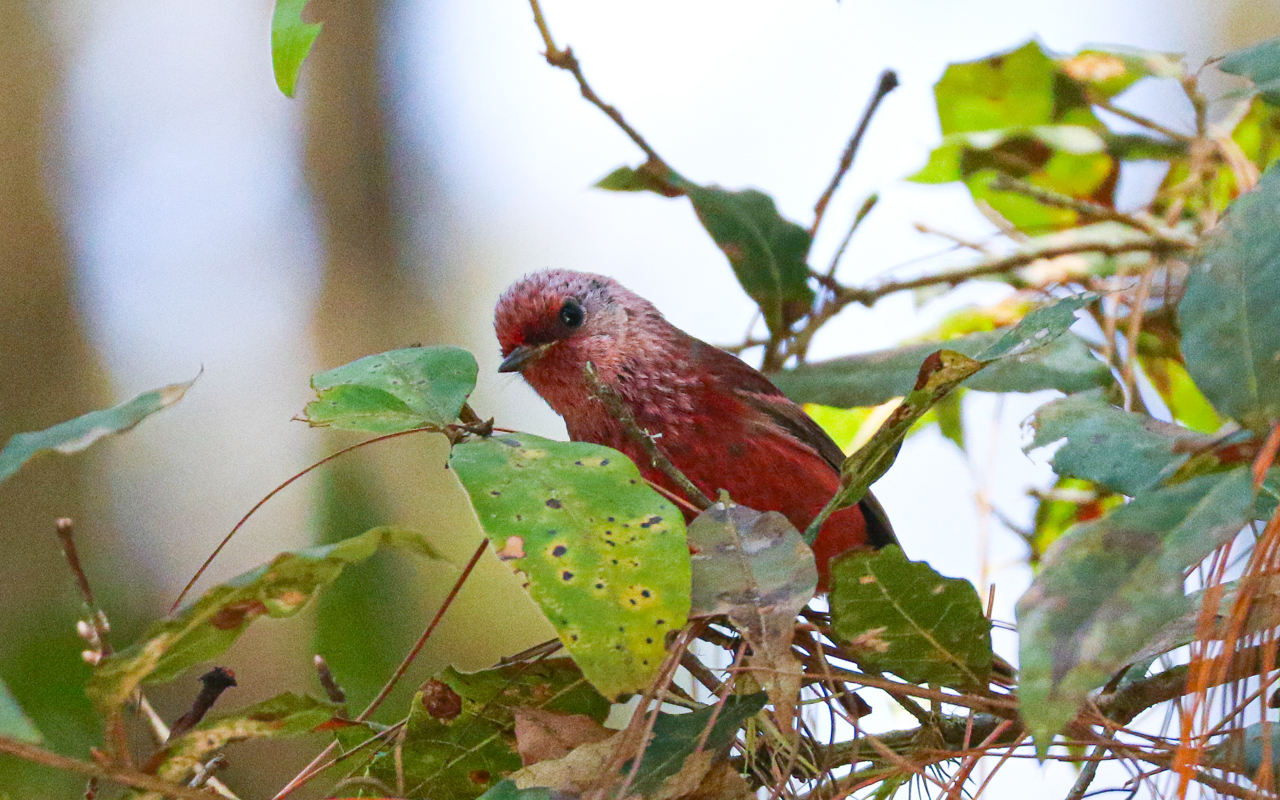
The highlands of San Cristóbal de las Casas provided a stark contrast, with moss-covered pine-oak forests and bromeliad-heavy landscapes. The "crown jewel" of this region was the Pink-headed Warbler, a stunning species endemic to the high-altitude forests of Chiapas and Guatemala. Other significant finds in the Montetik Reserve included the Garnet-throated Hummingbird and the Unicolored Jay. The presence of these species confirms the health of the high-altitude cloud forests, though researchers noted that these areas remain vulnerable to illegal logging and agricultural encroachment.
Phase IV: The Sumidero Canyon and the Maya Lowlands
One of the most spectacular geological features in Mexico, the Sumidero Canyon, offered a vertical transect of bird life. Over a six-hour period, the team observed species across multiple altitudinal levels. A major highlight was a mixed-species flock feeding on a swarm of ants, a common but complex neotropical behavior. Species involved in this feeding frenzy included the Fan-tailed Warbler, the Red-throated Ant-Tanager, and the Olivaceous Woodcreeper. The team also secured rare views of the Blue Seedeater feeding on bamboo shoots, a highly specialized dietary habit.

The expedition then moved toward the El Ocote Biosphere Reserve, a karst tropical jungle. The primary target here was the Nava’s Wren, a micro-endemic that lives in the limestone outcroppings of the Chimalapas region. Despite heavy rains, the team managed to record the wren’s explosive song and secure close-range views, adding to the sparse body of knowledge regarding this secretive species.
The final stages of the survey took place in the humid tropical forests of Palenque. The archaeological zone, famous for its Mayan ruins, provided a backdrop for observing the Keel-billed Toucan, the Scarlet Macaw, and the Chestnut-colored Woodpecker. The Scarlet Macaw, in particular, is the subject of intense conservation efforts in Mexico, with reintroduction programs aimed at restoring populations that were nearly wiped out by the illegal pet trade.
The Centla Marshes: A Critical Wetland Finale
The survey concluded in the Centla Marshes of Tabasco, often referred to as "Mexico’s Little Pantanal." These vast wetlands are a RAMSAR site of international importance, serving as a vital nursery for aquatic life and a major stopover for migratory waterfowl. The expedition’s findings here were staggering: 31 individuals of the Jabiru, the largest stork in the Americas, and ten individuals of the Pinnated Bittern.
The presence of the Jabiru is a positive indicator of the wetland’s health, as these large birds require extensive, undisturbed foraging grounds. However, the Centla Marshes face ongoing threats from water pollution, oil exploration, and changing drainage patterns. The observation of migratory passerines alongside resident giants like the Jabiru underscores the marshes’ role as a multi-functional ecological hub.
Broader Implications and Conservation Analysis
The documentation of over 400 species in just 14 days serves as a powerful reminder of Mexico’s biological wealth. However, the survey also highlights the fragility of these ecosystems. Many of the species recorded, such as the Dwarf Jay, the Pink-headed Warbler, and the Nava’s Wren, are habitat specialists with very small global ranges. Any significant loss of habitat in their respective regions could lead to rapid population declines.
Furthermore, the data suggests that Southern Mexico remains a vital link for North American migratory birds. The 36 species of warblers recorded are part of a massive annual movement of biomass that connects the boreal forests of Canada and the United States with the tropical forests of Central and South America. Protecting the "wintering" habitat in states like Oaxaca and Chiapas is therefore just as important as protecting nesting grounds in the north.

From an economic perspective, the success of this birding survey demonstrates the potential for high-value ecotourism to provide a sustainable alternative to extractive industries. By involving local communities—such as the weavers of Teotitlán or the guides in the biosphere reserves—conservation becomes a viable economic strategy. The findings of this 14-day traverse will be used to further advocate for the protection of these critical habitats and to promote Southern Mexico as a premier destination for scientific research and ecological tourism.
