
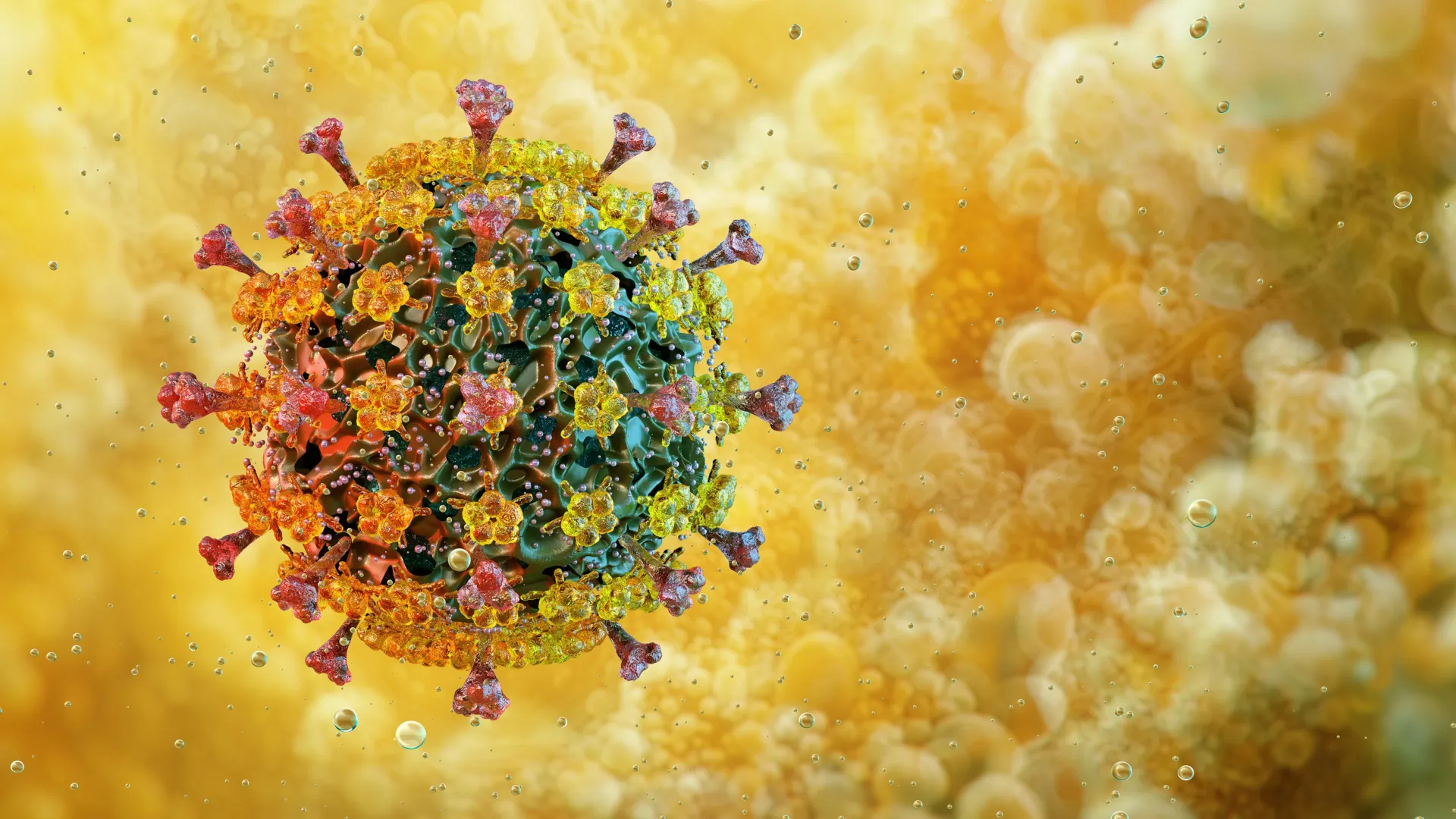
New research spearheaded by the universities of Cambridge and Glasgow has uncovered a critical mechanism explaining why avian influenza viruses pose a significant and persistent danger to humans: their remarkable ability to multiply effectively at temperatures warmer than a normal human fever. This groundbreaking discovery, published on November 28 in the esteemed journal Science, challenges conventional understandings of the body’s primary antiviral defense—fever—and highlights a genetic trait that has historically contributed to the severity of influenza pandemics. While fever typically serves as a potent tool for slowing down viral infections, these avian-origin pathogens possess an inherent thermal tolerance, allowing them to circumvent this crucial immune response, even under conditions that would ordinarily inhibit other human-adapted viruses.
The study illuminates a specific gene, known as PB1, which profoundly influences a virus’s sensitivity to heat. Historically, during major influenza pandemics in 1957 and 1968, this particular gene segment transferred from avian influenza viruses into circulating human flu strains. This genetic reassortment event is now understood to have been a key factor in enabling these pandemic strains to thrive and cause widespread, severe illness in human populations, by conferring upon them a crucial advantage in the warmer internal environment of the human body.
Understanding Influenza’s Temperature Preferences and Host Adaptation
Seasonal human influenza A viruses, responsible for millions of infections annually, typically exhibit a preference for cooler temperatures. These viruses multiply most effectively in the upper respiratory tract, where the ambient temperature averages around 33°C. Their replication efficiency significantly diminishes in the warmer environment of the lower respiratory tract, where temperatures are closer to the body’s core temperature of 37°C. This temperature gradient plays a subtle yet critical role in shaping the pathology and transmission of human-adapted flu strains.
Viruses, left unchecked, can spread rapidly throughout the body, leading to severe disease and potentially life-threatening complications. Fever, a cornerstone of the body’s natural defense mechanisms, is designed to counteract this spread by elevating the core body temperature, sometimes to as high as 41°C. Until recently, the precise mechanisms by which fever impedes viral activity, and conversely, how some viruses manage to withstand such heat, remained incompletely understood. The new research offers substantial clarity on this long-standing biological puzzle.
Avian influenza viruses, in stark contrast to their human counterparts, operate under a different set of thermal parameters. In their natural hosts, such as ducks, geese, and seagulls, these viruses commonly infect the gut, an environment where temperatures can range from 40°C to 42°C. This evolutionary adaptation to warmer internal environments in their avian hosts provides them with a distinct advantage when crossing the species barrier into mammals, including humans. Prior in vitro studies using cultured cells had hinted at this difference, suggesting that bird flu viruses possess a greater tolerance for fever-level temperatures compared to human flu viruses. The recent in vivo experiments conducted on mice, therefore, provide crucial mechanistic insights into how fever typically confers protection and why this defense might be inadequate against avian strains.
Experimental Validation: Fever’s Differential Impact on Flu Strains
To rigorously test their hypothesis, scientists from Cambridge and Glasgow meticulously recreated fever conditions in mice infected with influenza viruses. They utilized a laboratory-adapted human-origin influenza strain known as PR8, which is well-characterized and poses no risk to humans, for comparison. Since mice do not typically develop a fever when infected with influenza A viruses, the researchers ingeniously simulated this physiological response by elevating the ambient temperature of the mice’s environment, thereby raising their core body temperature.
The experimental outcomes were striking and conclusive. Raising the mice’s body temperature to levels consistent with a fever proved highly effective at preventing the human-origin flu viruses from replicating efficiently. This modest increase in temperature—a rise of just 2°C—was sufficient to transform what would otherwise be a deadly human-origin influenza infection into a mild one. However, when avian influenza viruses were introduced under similar elevated temperature conditions, the outcome was markedly different. These temperature increases, which effectively curbed human flu, did not impede the replication of avian influenza viruses, demonstrating their inherent thermal resilience.
The PB1 Gene: A Thermal Regulator and Pandemic Driver
The research team further pinpointed the PB1 gene as a central player in this temperature resistance. The PB1 gene is indispensable for the viral replication cycle, specifically for copying the viral genome inside infected cells. Viruses possessing an avian-like PB1 gene demonstrated a remarkable ability to tolerate the high temperatures associated with fever, leading to serious disease in the infected mice. This discovery carries profound implications for understanding influenza evolution and pandemic threats, primarily because bird and human flu viruses can exchange genetic material—a process known as reassortment—when they co-infect the same host, such as pigs, which serve as "mixing vessels" for influenza viruses.
Dr. Matt Turnbull, the study’s first author from the Medical Research Council Centre for Virus Research at the University of Glasgow, emphasized the significance of this genetic exchange: "The ability of viruses to swap genes is a continued source of threat for emerging flu viruses. We’ve seen it happen before during previous pandemics, such as in 1957 and 1968, where a human virus swapped its PB1 gene with that from an avian strain. This may help explain why these pandemics caused serious illness in people." He further stressed the imperative for proactive measures: "It’s crucial that we monitor bird flu strains to help us prepare for potential outbreaks. Testing potential spillover viruses for how resistant they are likely to be to fever may help us identify more virulent strains."
Chronology of Influenza Pandemics and the Role of Reassortment
The history of influenza pandemics is replete with examples of zoonotic spillover and genetic reassortment events that have profoundly impacted human health.
- 1918 Spanish Flu (H1N1): While the precise origin of the 1918 pandemic virus is still debated, it rapidly adapted to humans, causing an estimated 50 million deaths worldwide. Its high virulence was due to a constellation of factors, but its ability to replicate efficiently and cause severe pneumonia was paramount.
- 1957 Asian Flu (H2N2): This pandemic virus emerged from a reassortment event involving a human H1N1 virus and an avian H2N2 virus. The resulting H2N2 strain acquired new hemagglutinin (HA) and neuraminidase (NA) genes, as well as the avian-like PB1 gene, making it highly pathogenic and capable of widespread human transmission. It caused an estimated 1.1 million deaths globally.
- 1968 Hong Kong Flu (H3N2): Another reassortment event led to this pandemic, where a human H2N2 virus acquired new HA (H3) and PB1 genes from an avian virus. This H3N2 strain was less severe than the 1957 pandemic but still resulted in approximately 1 million deaths worldwide. The acquisition of the avian PB1 gene, as highlighted by the new research, likely contributed to its ability to cause significant illness.
- 2009 Swine Flu (H1N1pdm09): This pandemic virus was a novel quadruple reassortant, containing genes from North American swine, Eurasian swine, human, and avian influenza viruses. While generally less severe than the 1918 pandemic, it demonstrated the continuous evolutionary potential of influenza viruses through reassortment and its ability to jump species.
These historical events underscore the dynamic nature of influenza viruses and the critical role of genetic reassortment, particularly the transfer of genes like PB1, in shaping their pandemic potential and virulence in humans.
High Fatality Rates: The Persistent Global Threat of Avian Influenza
Senior author Professor Sam Wilson, from the Cambridge Institute of Therapeutic Immunology and Infectious Disease at the University of Cambridge, reiterated the gravity of avian influenza’s threat: "Thankfully, humans don’t tend to get infected by bird flu viruses very frequently, but we still see dozens of human cases a year. Bird flu fatality rates in humans have traditionally been worryingly high, such as in historic H5N1 infections that caused more than 40% mortality."
Highly pathogenic avian influenza (HPAI) strains, particularly H5N1 and H7N9, have been a subject of intense global concern for decades. The H5N1 strain, which first emerged in Hong Kong in 1997, has caused sporadic human infections across Asia, Africa, and parts of Europe, with a case fatality rate (CFR) exceeding 50% in reported cases to the World Health Organization (WHO). While human-to-human transmission has been rare and inefficient, the high mortality rate among those infected highlights the virus’s inherent virulence once it crosses the species barrier. The ongoing global outbreaks of H5N1 in poultry and wild birds, which have led to unprecedented levels of mortality in avian populations and increasing spillover events into various mammal species (including seals, bears, and recently dairy cattle in the United States), intensify the risk of human exposure and the potential for the virus to acquire mutations enabling more efficient human-to-human spread. Understanding what makes bird flu viruses cause serious illness in humans, therefore, is not merely an academic exercise but a crucial component of global surveillance and pandemic preparedness efforts. "This is especially important because of the pandemic threat posed by avian H5N1 viruses," Professor Wilson added.
Implications for Public Health, Treatment, and Future Research
The findings from this study carry significant implications across several public health domains, influencing surveillance strategies, vaccine development, and potentially even clinical treatment recommendations.
Enhanced Surveillance: Public health organizations worldwide, including the WHO, the U.S. Centers for Disease Control and Prevention (CDC), and national animal health bodies like the World Organisation for Animal Health (WOAH, formerly OIE), consistently emphasize the critical need for robust surveillance programs. This research provides a new parameter for assessing the pandemic potential of novel avian influenza strains. Monitoring for the presence of avian-like PB1 genes and evaluating the thermal resilience of emerging zoonotic viruses can help identify strains with higher virulence potential in humans, allowing for targeted preparedness measures. This aligns with the "One Health" approach, recognizing the interconnectedness of human, animal, and environmental health.
Vaccine and Antiviral Development: Knowledge of the PB1 gene’s role in thermal resistance can inform vaccine design strategies. Future vaccines might aim to elicit broader immune responses that could counteract viruses with varying thermal tolerances, or specific antiviral drugs could be developed that target the PB1 gene’s function in thermally resistant strains.
Fever Management in Clinical Settings: Perhaps one of the most intriguing implications relates to the clinical management of fever. Fever is often treated with antipyretic medications such as ibuprofen, aspirin, and acetaminophen (paracetamol). However, some clinical evidence has suggested that lowering fever might not always be beneficial for patients with influenza A infections and could, in some cases, even facilitate viral spread. This new research supports the idea that fever is a crucial defense mechanism against human-adapted flu viruses. For avian influenza, however, if the virus is resistant to fever’s inhibitory effects, the role of antipyretics might need re-evaluation. The researchers caution that "more studies will be necessary before any changes are made" to treatment recommendations, underscoring the complexity of clinical decision-making and the need for further research to translate these findings into actionable medical guidelines. The potential differential impact of fever on human versus avian flu strains suggests a nuanced approach to antipyretic use might be warranted.
Broader Impact and Ongoing Research: This study represents a significant leap in understanding the intricate interplay between host immunity and viral adaptation. It reinforces the dynamic evolutionary arms race between pathogens and their hosts. The insights gained are critical for refining risk assessments for emerging infectious diseases and strengthening global pandemic preparedness frameworks. Continued research will undoubtedly delve deeper into the molecular mechanisms of PB1-mediated thermal resistance, explore other viral or host factors influencing temperature sensitivity, and investigate the potential for avian viruses to adapt further to human hosts.
The research received substantial financial backing, primarily from the Medical Research Council, with additional vital support from the Wellcome Trust, Biotechnology and Biological Sciences Research Council, European Research Council, European Union Horizon 2020, UK Department for Environment, Food & Rural Affairs, and the US Department of Agriculture. This broad funding base underscores the international importance and collaborative nature of efforts to combat influenza, a pathogen that continues to pose an unpredictable and enduring global health challenge. The discovery of the PB1 gene’s role in bird flu’s thermal resilience is a crucial piece in the complex puzzle of influenza pathogenesis, offering new avenues for surveillance and intervention in the ongoing battle against future pandemics.
